
Bay Area Native Plant Corridors Initiative 2026 Funding Wins
Objective, data-driven analysis of the Bay Area native plant corridors initiative's 2026 funding successes and its environmental impact.
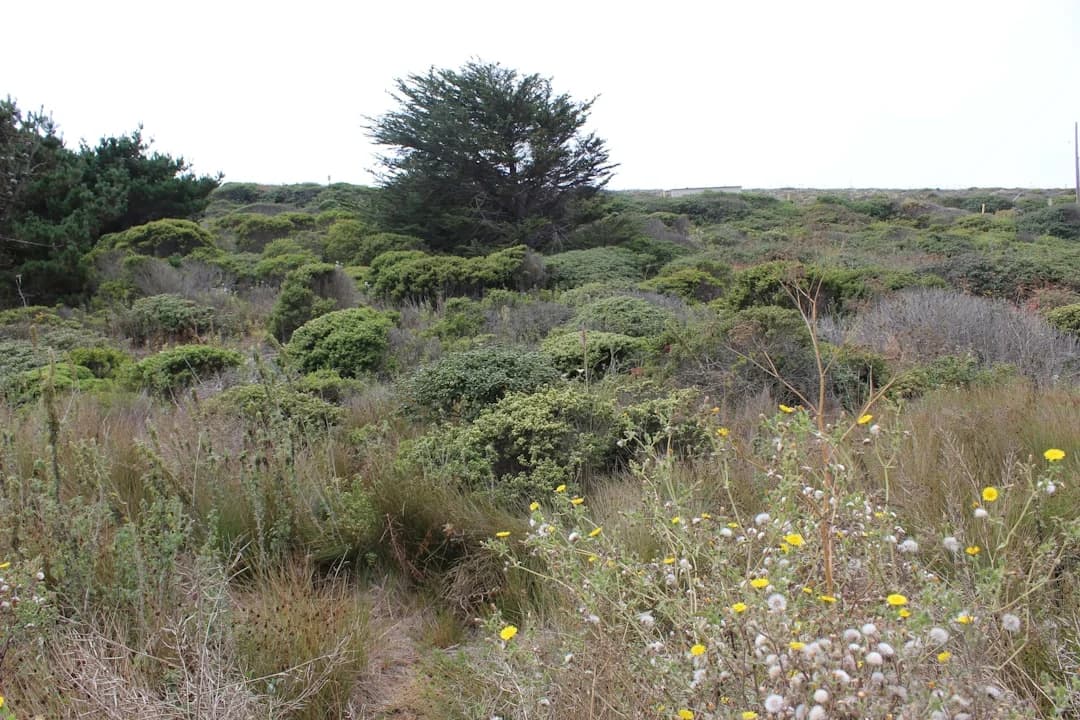
The Bay Area is advancing a concerted push around native plant corridors in 2026, a development many observers are calling a milestone for regional biodiversity, climate resilience, and public access to nature. This Bay Area native plant corridors initiative 2026 is shaping how cities, counties, and regional agencies collaborate to connect habitats through vegetated networks that prioritize locally adapted species. In a moment when climate risk is rising and urban sprawl remains a persistent pressure, the region’s emphasis on native flora and ecological connectivity offers a data-driven lens for evaluating investment decisions, infrastructure planning, and community engagement. The announcement and subsequent funding patterns highlight not just environmental aims but a broader strategy to knit together trails, parks, and wildlife corridors into coherent, climate-smart corridors across multiple jurisdictions. (gov.ca.gov)
In practical terms, these developments hinge on a wave of state and regional funding mechanisms that steer dollars toward habitat restoration, trail connections, and resilience projects. California’s February 2026 biodiversity grants — highlighted as prioritizing wildlife corridors and public access to nature — illustrate a statewide context in which Bay Area efforts sit. The $59.6 million in wildlife and biodiversity grants, spread across 27 projects and 18 counties, underscores a policy environment that rewards connectivity work aligned with habitat preservation and climate adaptation. For the Bay Area, that translates into tangible backing for corridor projects, including wildlife crossings, habitat restoration, and multi-use trail gaps that link communities with the natural landscape. This broader state momentum provides a backdrop against which Bay Area initiatives are evaluated, funded, and implemented. (gov.ca.gov)
On the regional front, the Bay Area’s corridor ambitions intersect with a major funding program administered by the Metropolitan Transportation Commission (MTC) — the One Bay Area Grant (OBAG) — and its dedicated PCA (Priority Conservation Area) grants. A June 12, 2026 MTC Planning Committee attachment details a slate of PCA-funded projects intended to bolster habitat connectivity, recreation, and public access while advancing the Bay Area Ridge Trail network and related ecosystem benefits. The list includes a mix of trail improvements, habitat restoration, and wildlife crossings across several counties, signaling a coordinated investment approach across municipal and county lines. The document also confirms a total PCA funding of $8 million for the described projects, providing a concrete funding envelope that anchors the Bay Area’s corridor efforts within OBAG’s framework. (onebayarea.org)
What happened in practical terms is a staged rollout of corridor-focused projects that collectively advance ecological connectivity while delivering visible community benefits. For example, San Francisco’s Twin Peaks Promenade project is described as Bay Area Ridge Trail connection and habitat restoration, transforming a closed roadway into a universally accessible multi-use asset that ties into regional trail networks and habitat protection. In another example, the Fire & Flora: Resilient Foothills Initiative focuses on fuel reduction and native plant restoration to bolster habitat resilience in foothill areas around Palo Alto and Woodside. The Bay Trail SFO Gap Closure project targets a long-standing connectivity gap along the Bay Trail near the San Francisco International Airport, with Phase 1 funding supporting planning and environmental work for a roughly 2.5-mile corridor. These project-level commitments illustrate how the Bay Area native plant corridors initiative 2026 translates into measurable improvements in habitat connectivity, trail access, and community engagement. (onebayarea.org)
Section 1: What Happened
Kickoff of the Bay Area native plant corridors initiative 2026
A region-wide emphasis on habitat connectivity
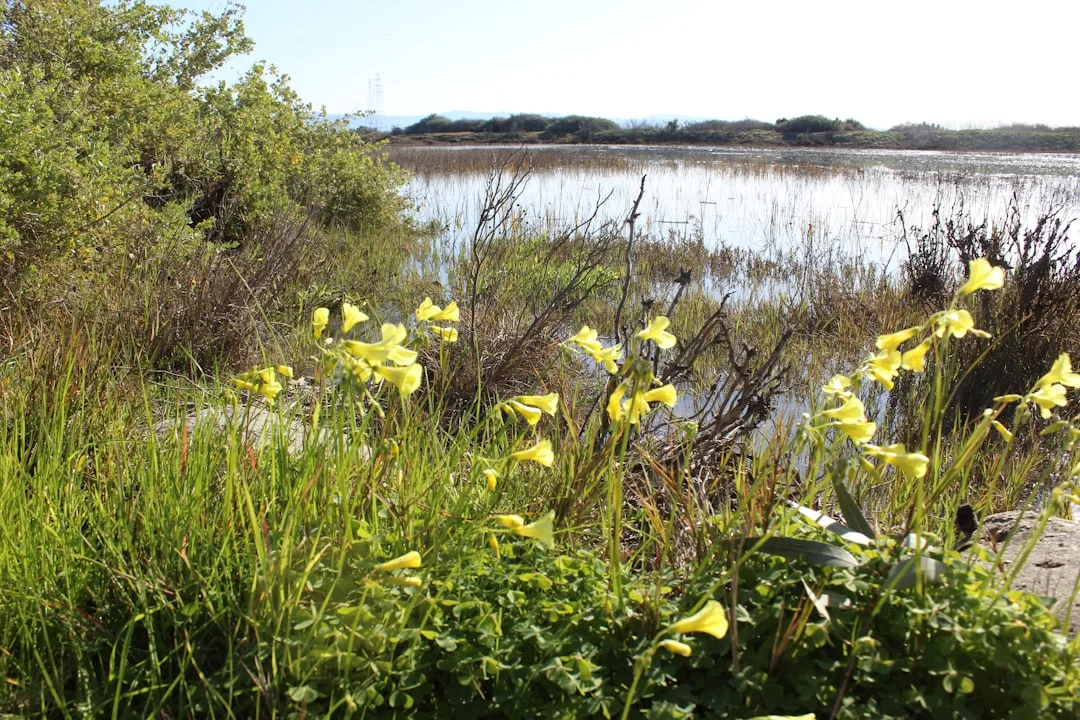
Photo by Blair Morris on Unsplash
The Bay Area native plant corridors initiative 2026 is anchored in a regional strategy to connect native habitats through a network of corridors that prioritize climate-resilient species and ecologically meaningful links. While the term itself functions as a descriptor of the broader effort, the funding and project activity underway in 2026 demonstrates a sustained commitment to linking parks, preserves, and trails with ecologically important corridors. The statewide emphasis on wildlife corridors and public access to nature provides a supportive policy environment for these regional efforts and helps explain the emphasis on native plant restoration and habitat connectivity as foundational elements of the Bay Area’s planning agenda. (gov.ca.gov)
PCA Grants: a concrete infusion of capital
The PCA Grant Program description and the associated June 12, 2026 agenda item reveal a targeted, competitive funding round designed to advance aquifer- and ecosystem-scale objectives through neighborhood- and landscape-scale projects. The awards total $8,000,000 across a suite of initiatives spanning San Francisco, San Mateo, Santa Clara, Sonoma, Napa, and other Bay Area counties. Notable projects include:
- Twin Peaks Promenade – Bay Area Ridge Trail Connection & Habitat Restoration (San Francisco) — $500,000
- Fire & Flora: Resilient Foothills Initiative (San Mateo) — $210,000
- Bay Trail SFO Gap Closure Project – Phase 1 (San Mateo) — $600,000
- Highway 17 Wildlife & Ridge Trail Crossings and Connections (Santa Clara) — $750,000
- North Coyote Valley Wildlife & Trails Study (Santa Clara) — $250,000
- Santa Clara Valley Agricultural Outreach & Awareness Campaign (Santa Clara) — $200,000
- Improving Habitat Quality and Bike/Ped Connectivity on PCA Creeks in the City of Sonoma (Sonoma) — $250,000 These awards are part of a broader procurement framework that links environmental restoration with multi-modal transportation planning, park planning, and trail connectivity. The PCA Grant Program is explicitly funded through OBAG, tying habitat and connectivity work to the region’s transportation investment strategy. The official background note confirms this linkage between PCA grants and OBAG funding streams. (onebayarea.org)
Timeline and key facts
The PCA grant cycle described in the June 2026 document shows a clear, near-term orientation: the agency identifies awarded projects and outlines a path to implementation, with the implication that these projects move from planning and design into construction and stewardship in the subsequent years. The total program, the list of projects, and the explicit link to OBAG provide a reproducible blueprint for how the Bay Area is marrying habitat restoration with transportation and recreation planning. The same document also notes the potential for additional rounds of PCA funding, suggesting a continuing programmatic cadence that stakeholders can monitor through MTC and partner agencies. (onebayarea.org)
Funding momentum beyond PCA: statewide context and Bay Area alignment
The February 2026 California wildlife/alternative biodiversity grants highlight a statewide emphasis on corridor connectivity and nature access as central elements of climate resilience and biodiversity preservation. The Governor’s office emphasized 30×30 alignment and public access to nature, situating the Bay Area’s corridor initiatives within a broader state strategy. In practical terms, this means Bay Area projects can be framed not only as regional improvements but as part of a statewide movement toward habitat connectivity and public nature access, enabling a consistent narrative for policymakers, practitioners, and the public. The statewide grants, including specific wildlife crossings and habitat restoration efforts, illustrate a multi-layered funding environment that supports corridor work at different scales, from local trail gaps to landscape-scale habitat linkages. (gov.ca.gov)
OBAG 4: a scheduled backbone for next-phase corridor investments
The One Bay Area Grant 4 (OBAG 4) represents a major capital plan adopted in January 2026, totaling $820 million for programs spanning 2027 through 2030. OBAG 4 is designed to translate Plan Bay Area 2050+ into concrete projects and programs, including those that support corridor and resilience objectives in the Bay Area. The framework is central to understanding the timing, scale, and prioritization of infrastructure investments that enable corridor development—ranging from multi-use trail improvements to critical wildlife crossings and habitat restoration work. Observers emphasize that OBAG 4’s alignment with ecological connectivity goals helps ensure that corridor investments benefit not only wildlife but communities who rely on safe, accessible trails and transit-oriented development patterns. (mtc.ca.gov)

Photo by Spencer DeMera on Unsplash
The role of regional partners and local communities
A recurring theme in the funding materials and press coverage is the involvement of a broad ecosystem of local partners: Bay Area county resource agencies, open space districts, nonprofit conservation groups, tribal and community organizations, and university extension programs. The PCA grant descriptions note collaboration with entities such as the San Jose Conservation Corps, AmeriCorps, and UC Cooperative Extension, illustrating how workforce development and community engagement are embedded in corridor efforts. This collaborative approach is essential for achieving both ecological outcomes and lasting public support. The California wildlife corridor announcements further emphasize the importance of partnerships in implementing complex, landscape-scale conservation and connectivity projects. (onebayarea.org)
Section 2: Why It Matters
Biodiversity and climate resilience: a connectivity imperative

Photo by Spencer DeMera on Unsplash
The Bay Area’s corridor investments align with a core conservation principle: ecological connectivity enhances biodiversity and increases resilience to climate change. By prioritizing native plant species in corridor design, the region can support pollinators and wildlife while maintaining ecosystem processes that underpin soil health, water regulation, and carbon storage. The statewide emphasis on wildlife corridors and public access to nature reinforces the idea that connectivity is not a fringe venture but a central element of climate action and biodiversity protection. In practical terms, corridor projects reduce habitat fragmentation, improve genetic exchange among wildlife populations, and create pathways that allow species to adapt to shifting climates. For instance, the Highway 17 Wildlife & Ridge Trail Crossings project explicitly targets bridging habitat across a major barrier, a concrete step toward reducing fragmentation that threatens wide-ranging species. The Governor’s biodiversity initiative frames connectivity as a statewide objective, underscoring its relevance for regional planning and investment decisions. > “This initiative seeks to protect California’s biodiversity—this state is one of the world’s 36 biodiversity hotspots—while expanding access to nature for all Californians.” (gov.ca.gov)
Public access, recreation, and education
Beyond ecological outcomes, corridor work is increasingly about expanding public access to nature and enriching community life. Grants and program descriptions highlight improvements to parks, trails, and public spaces that enable people to experience nature close to home. The emphasis on pedestrian and cyclist connectivity, educational outreach, and interpretive programming demonstrates a broader commitment to environmental literacy and inclusive access. Projects like the Bay Trail Gap Closure and the North Coyote Valley study illustrate how corridors can serve as platforms for recreational opportunities, outdoor education, and community well-being, aligning environmental goals with quality-of-life improvements. The statewide and regional funding narratives emphasize that public access to nature is a central outcome of corridor investments, a point reinforced by the state’s focus on expanding access as part of biodiversity funding. (onebayarea.org)
Economic and workforce implications
Investments in habitat connectivity also carry economic and workforce implications. The PCA grant program includes provisions that foster community involvement, such as stewardship training, volunteer recruitment, and collaborations with local conservation corps and educational partners. By integrating restoration, planning, and outreach, corridor initiatives create opportunities for skilled labor in ecological restoration, landscape design, and park management. Projects described in the PCA packet show how funding can support both short-term construction activities and longer-term habitat maintenance and monitoring. In a broader sense, corridor investments can spur tourism, recreational use, and enhanced property values around improved green infrastructure, while aligning with climate adaptation goals. The public-facing nature of these projects—trail connections, park enhancements, and habitat restoration—helps build broad-based support for continued investment in ecological connectivity. (onebayarea.org)
Contextualizing within Bay Area and state policy
The Bay Area’s work on native plant corridors sits at the intersection of regional planning, state conservation policy, and national climate adaptation trends. OBAG 4, with its substantial funding envelope and multi-year horizon, provides a backbone for implementing connectivity strategies that weave together transportation planning with ecological restoration. The alignment with Plan Bay Area 2050+ signals a long-range, integrated vision in which corridor investments are not isolated projects but elements of a coordinated system. The statewide biodiversity investments, including wildlife crossings and habitat restoration projects, provide external validation and scale to regional efforts, helping ensure that regionally meaningful corridors receive attention and funding in a competitive environment. The combined policy and funding landscape suggests that Bay Area native plant corridors initiative 2026 is less about a single program and more about a networked approach to connectivity, resilience, and public engagement that can grow in the coming years. (mtc.ca.gov)
Who benefits and how
- Wildlife and ecological communities: direct habitat improvements, connectivity, and resilience against climate change.
- Local residents and visitors: improved access to nature, enhanced trails, and better recreation opportunities.
- Employers and job seekers: potential for workforce development in ecological restoration, planning, landscape architecture, and environmental education.
- Public agencies: more coherent policy alignment between transportation funding and conservation goals.
These benefits are echoed in the funding narratives that tie corridor investments to multiple public goods, from climate resilience and biodiversity to quality of life and educational outreach. The emphasis on cross-boundary collaboration—cities, counties, and regional agencies working together—reflects a pragmatic approach to achieving scale and impact that neither a single municipality nor a single funding stream could deliver alone. (onebayarea.org)
Section 3: What’s Next
Timeline and upcoming steps
OBAG 4’s adoption in January 2026 establishes a multi-year fiscal framework that supports corridor and resilience projects from 2027 through 2030. With OBAG 4, the region is expected to advance design work, permitting, and early construction on a variety of corridor-related initiatives that complement the PCA-funded projects already underway. In practical terms, readers can expect a cadence of planning documents, environmental assessments, design reviews, and community engagement processes that accompany the rollout of these corridor investments. Observers expect further PCA rounds and related funding opportunities as regional agencies refine project lists, incorporate lessons learned from initial awards, and align with the longer-range Plan Bay Area 2050+. The COIN of state-level biodiversity grants reinforces a continuing policy environment that supports corridor work across the Bay Area and beyond. (mtc.ca.gov)
Where to watch next: indicators and milestones
- OBAG 4 project calls and funding announcements: keep an eye on MTC’s documentation and Bay Area planning committee discussions for new Corridor and Trail projects tied to OBAG 4 timelines. (mtc.ca.gov)
- PCA grant rounds: upcoming grant cycles will likely solicit proposals that emphasize habitat connectivity, trail infrastructure, and community engagement, following the June 2026 patterns in Attachment B. (onebayarea.org)
- State biodiversity funding and wildlife corridors: ongoing California Wildlife Conservation Board and related state initiatives may surface new opportunities or matching programs that support corridor work in the Bay Area. The February 2026 statewide announcements provide context for potential alignment. (gov.ca.gov)
What to expect in the near term
- Design and planning momentum for key corridor projects: with Phase 1 work funded for major gaps, expect environmental review processes, engineering studies, and stakeholder engagement to accelerate for specific segments such as Bay Trail gaps, Ridge Trail connections, and regional creek restoration corridors. The PCA grant descriptions outline this pathway for several projects, illustrating how planning activity translates into on-the-ground progress. (onebayarea.org)
- Public engagement and transparency: given the emphasis on community outreach in several projects, residents and organizations should anticipate opportunities to participate in design workshops, listening sessions, and volunteer programs that accompany corridor development. The UC Extension and outreach initiatives highlighted in the PCA package exemplify this approach. (onebayarea.org)
Closing
As the Bay Area progresses through 2026, the convergence of regional funding, state biodiversity initiatives, and long-range planning signals a durable commitment to native plant corridors as infrastructure for biodiversity and mobility. The Bay Area native plant corridors initiative 2026 is less about a single program than a mosaic of interconnected investments that collectively improve habitat connectivity, expand access to nature, and strengthen climate resilience across multiple jurisdictions. For readers tracking the policy and project landscape, the coming months will reveal how these funds translate into new trails, restored habitats, and improved ecological outcomes across the region. Staying tuned to MTC planning updates, state biodiversity announcements, and local agency press offices will provide the clearest view of how this corridor-centric approach unfolds year by year.
As these corridor efforts unfold, SF Bay Area Times will continue to assess their ecological effectiveness, monitor community impacts, and report on how these investments shape the region’s environmental and mobility landscape. In the near term, expect design milestones, corridor gap closures, and habitat restoration initiatives to populate the agenda of regional planning meetings, transportation commissions, and park districts as Bay Area communities watch these projects move from concepts to concrete improvements. The coming quarters will be a critical period for measuring the real-world outcomes of native-plant corridors, and for ensuring that biodiversity, public access, and resilience are not just aspirational goals but tangible benefits for Bay Area residents.