Talk of a World Music Festival in Golden Gate Park Outpaces Confirmations
Neutral, data-driven analysis of World Music Festival San Francisco 2026 Golden Gate Park and its potential impact on tech, economy, and culture.
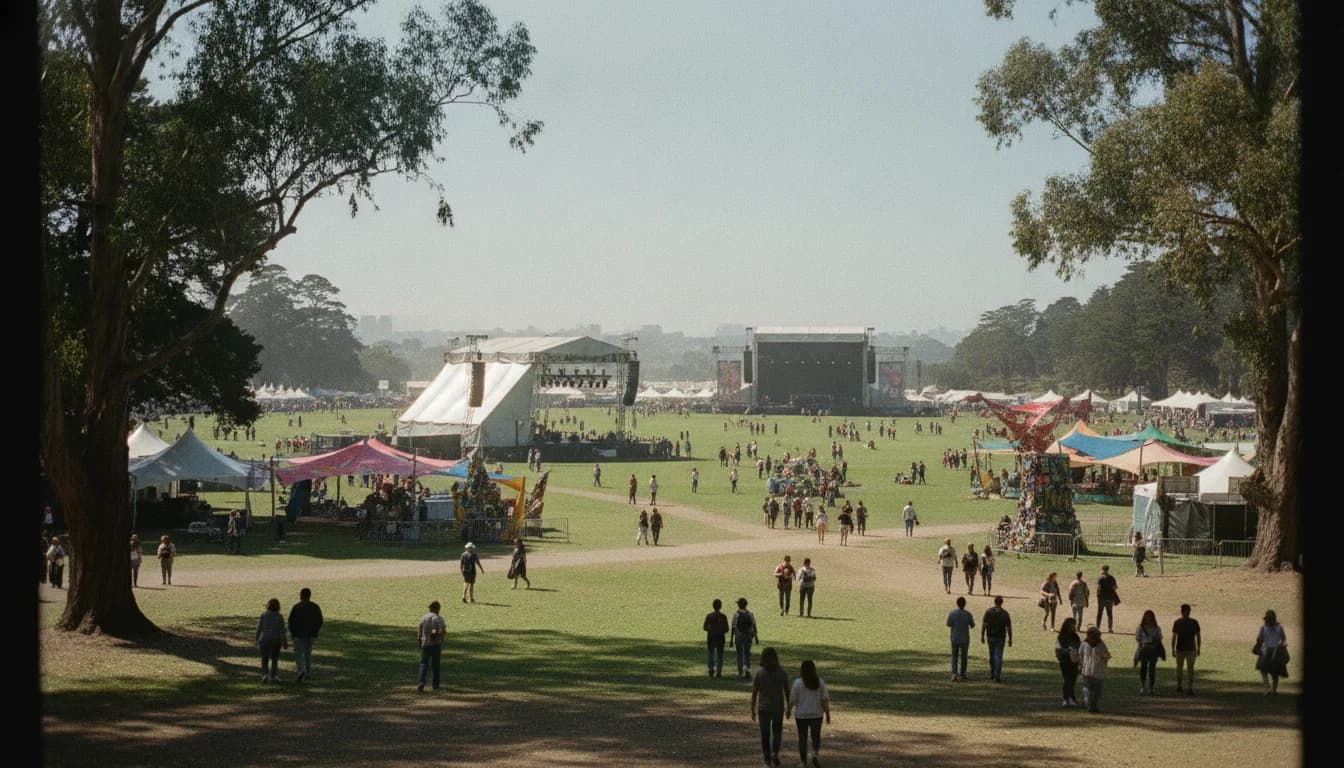
The idea of a World Music Festival San Francisco 2026 Golden Gate Park has captured the attention of local audiences and industry watchers, even as official confirmations remain elusive. As cities grapple with large-scale cultural events that blend entertainment with technology, the possibility of a new festival in Golden Gate Park raises questions about funding, permitting, attendance, and long-term impacts on neighboring neighborhoods. At this point, there is no publicly confirmed announcement from city agencies or the festival organizers about a World Music Festival San Francisco 2026 Golden Gate Park, and a careful review of the city’s 2026 event calendars shows no listing for this specific festival. City calendars that document events for Golden Gate Park—and the broader park district—feature a robust lineup of concerts, educational programs, and community gatherings, but not this name as of the latest public postings. (sfrecpark.org)
Golden Gate Park has long served as a magnet for major music events, including Outside Lands, a fixture in the Bay Area summer calendar. Outside Lands draws hundreds of thousands of attendees over a multi-day schedule, with planning and logistics that involve city permits, park restrictions, and vendor coordination. Industry observers watching the park’s event ecosystem note that any new festival would be measured against the scale and complexity of established events like Outside Lands, which continues to attract national-level acts and a broad audience. This context matters for a potential World Music Festival San Francisco 2026 Golden Gate Park because the park’s infrastructure—to handle large crowds, traffic, transit, and safety—would need to be integrated with any new entrant. Recent coverage and official planning documents around Outside Lands highlight the city’s ongoing engagement with major events in Golden Gate Park and surrounding areas. (sftravel.com)
The idea of a world music festival in San Francisco is not new, and past iterations of world music programming in the Bay Area have left a legacy of cultural exchange and diverse programming. The Bay Area has a history of presenting world music festivals in various venues and formats, from community stages to larger performing arts venues, and several sources have chronicled the evolution of such programming over the years. These historical references help frame what a new festival—if confirmed—would aim to achieve in terms of audience reach, programming diversity, and cross-cultural engagement. However, it is important to distinguish between established, documented events and speculative or rumored initiatives when evaluating potential impact. (kqed.org)
Section 1: What Happened
Rumored planning and initial announcements
A rumored plan for a World Music Festival San Francisco 2026 Golden Gate Park has circulated among local media, event planners, and cultural organizations, suggesting a three-day festival in the park’s famous green spaces. As of this writing, there is no official press release, agency confirmation, or permitting record publicly published that verifies the festival’s existence or its schedule. City calendars and permit databases reviewed for 2026 show a stable stream of events, but no entry for a World Music Festival San Francisco 2026 Golden Gate Park. This absence in formal channels is a critical data point for readers assessing credibility and timeliness. (sfrecpark.org)
The broader Golden Gate Park event ecosystem includes a mix of free concerts, community programs, and scheduled performances at venues such as the Bandshell and Music Concourse. In recent years, the park has hosted a range of free and ticketed programming, including concerts and cultural events that are part of SF’s public-facing arts calendar. Observers note that any new festival would need to align with the park’s ongoing programming commitments and the city’s event permitting processes. While Outside Lands remains the marquee festival in Golden Gate Park, local organizers and observers monitor the ecosystem for any shifts in how new events might integrate with existing infrastructure. (sftravel.com)
Industry analysts also watch for signals from related cultural and entertainment initiatives. For example, coverage of Outside Lands 2026 has highlighted the park’s continued role as a premier outdoor venue and the logistical scale required to support a festival drawing 200,000-plus attendees across multiple days. These signals matter because they set a baseline for what it would take to launch a new, large-scale event in the same space. While these data points come from coverage of a different festival, they are useful benchmarks for evaluating a hypothetical World Music Festival San Francisco 2026 Golden Gate Park in terms of capacity planning, vendor coordination, and transportation management. (axios.com)
Timeline and permit considerations
If a World Music Festival San Francisco 2026 Golden Gate Park were to move from rumor to reality, it would encounter a multi-stakeholder process. City agencies, park management, neighborhood associations, and public safety entities would need to align on a permitting calendar, seasonal park restrictions, and the park’s use schedule. The city’s official calendars and planning documents for Golden Gate Park show a persistent cadence of events that require coordination, and recent calendar documentation indicates that permit decisions for major events in the park can extend into months and even years in advance of a potential festival start date. This dynamic frame—where approvals, traffic management plans, and community outreach all converge—often shapes the feasibility of any new festival. (sfrecpark.org)
In parallel, a wider look at San Francisco’s event-licensing landscape reveals a pattern of formal review processes for large-scale activities in prominent public spaces. City council agendas and regulatory postings indicate that venues like Golden Gate Park are subject to rigorous oversight, particularly for events that would attract large crowds and generate significant motor-vehicle and pedestrian throughput. The presence of permit considerations in adjacent public records underscores the reality that a new festival would require a well-structured plan covering safety, accessibility, emergency response, and environmental impact mitigation. While these references describe the general process rather than a specific festival, they illuminate what a credible project would need to navigate to reach a launch date. (sfgov.legistar.com)
Key facts and stakeholders
The potential festival would inevitably involve a constellation of actors: event organizers, city agencies, park stewards, local businesses, and community representatives. The K-12 and higher-education communities, cultural organizations, and technology vendors often participate in such initiatives to deliver programming, digital experiences, and ticketing platforms. While the exact roster for a World Music Festival San Francisco 2026 Golden Gate Park remains unconfirmed, the involvement patterns observed in other large-scale cultural events in the Bay Area—such as those associated with Golden Gate Park and adjacent cultural hubs—offer a framework for understanding the roles and responsibilities likely to emerge in any credible proposal. (kqed.org)
In reviewing related festival histories in the region, it’s helpful to recall that San Francisco has hosted world music programming before, with coverage detailing how such events have evolved, experimented with streaming, and engaged international artists within local venues. These historical case studies provide context for assessing how a new festival might balance tradition with innovation, especially if there is an emphasis on inclusive audiences, multilingual programming, and cross-cultural collaboration. While these references are not about a confirmed 2026 festival, they help inform expectations about programming diversity and audience reach. (kqed.org)
What Happened: a synthesis of current signals
In sum, the current public record suggests there is no verified announcement or permit record for a World Music Festival San Francisco 2026 Golden Gate Park as of the latest public postings. The strongest signals come from the absence in formal channels and the presence of established park programming that demonstrates how major events have historically integrated with Golden Gate Park. The festival’s keyword presence in digital content points to public interest and search demand around this concept; however, without official confirmation, the event remains unverified in the city’s formal planning ecosystem. For readers, this means the “what happened” on this topic is best described as: “rumor and anticipation exist, but no official government or organizer record confirms the festival.” (sfrecpark.org)
As a backdrop, Outside Lands’s ongoing presence in Golden Gate Park serves as a concrete data point for the capacity of the park to support large-scale, multi-day events. Industry reporting and the park’s own event materials emphasize that any new entrant would need to integrate with the established infrastructure and permit framework that already governs major park events. This context is essential for evaluating the plausibility and timing of a potential World Music Festival San Francisco 2026 Golden Gate Park if and when a formal announcement is made. (sftravel.com)
Section 2: Why It Matters
Economic and cultural impact
A confirmed World Music Festival San Francisco 2026 Golden Gate Park would likely function as a catalyst for local economic activity, including hospitality, transportation, and retail sectors. Large festivals generally create spikes in hotel bookings, restaurant traffic, and ancillary services such as merchandise and event production. Even rumors of a new festival can influence local business planning and marketing strategies as neighborhood stakeholders look to prepare for potential surges in visitors. While precise economic projections would require access to organizers’ attendance forecasts and city-revenue models, the general pattern observed across major urban festivals suggests a meaningful potential ripple effect on nearby businesses and service providers. It is important to note that this section discusses potential impacts in the abstract; no specific numbers are provided here because they would require an official feasibility study or a formal economic impact assessment. (axios.com)
Culturally, a world music-focused festival could expand San Francisco’s profile as a global music hub, complementing existing programs such as the city’s long-running world music traditions and related cultural events. The Bay Area’s diverse arts ecosystem includes a history of cross-cultural programming that can enrich a city’s creative economy and attract visitors who are drawn to experiential programming, educational workshops, and family-friendly activities. The opportunity to combine music with technology-driven experiences—such as live-streamed performances, interactive exhibits, and real-time audience analytics—aligns with broader trends in how festivals are evolving to engage both on-site audiences and remote participants. Historically, such programming has been part of San Francisco’s identity, and a new festival could further this legacy if properly executed. Still, it remains an open question whether a new festival would deliver on these cultural aspirations without a confirmed plan. (kqed.org)
Technology and data-driven operations
The modern festival landscape increasingly relies on data-driven approaches to improve attendee experience, optimize logistics, and manage safety. Ticketing platforms, crowd management software, and digital wayfinding are common features that help organizers scale events while maintaining robust safety standards. The Outside Lands ecosystem, as reflected in event information and coverage, underscores how technology-enabled operations—ranging from ticketing to on-site connectivity—are integral to delivering a seamless festival experience in a dense urban setting. A hypothetical World Music Festival San Francisco 2026 Golden Gate Park would likely pursue similar capabilities, particularly if organizers aim to attract a broad, international audience. Observers would expect at least a formal plan for access control, mobility, emergency response, and data privacy. While these statements describe industry norms, they are not claims about this specific festival’s plans, given there is no official confirmation at present. (sfoutsidelands.com)
The city’s public-facing communications and event permitting frameworks also point to a broader push toward transparency and responsible event management. For readers and practitioners, the key takeaway is that technological integration would extend beyond ticketing to include accessibility, sustainability, and inclusive programming. For example, new or expanded digital engagement tools could help ensure that communities most affected by large events have meaningful input and access to information. While this is a general expectation, concrete details would depend on an official initiative's scope and the developers’ plans, which have not been disclosed publicly for a World Music Festival San Francisco 2026 Golden Gate Park as of now. (sfgov.legistar.com)
Community perspectives and equity considerations
- A festival of this scale has the potential to bring cultural visibility and economic opportunities to San Francisco’s diverse communities, but it also raises concerns that communities near Golden Gate Park could experience traffic, crowding, noise, and changes in land use. City stakeholders commonly respond to these concerns with community outreach plans, traffic mitigation strategies, and clear communication channels for residents. The historical record shows that when large events are proposed, the public conversation tends to center on equity, access, and the distribution of benefits versus burdens. Readers should watch for how organizers frame local partnerships, how revenue is allocated, and what commitments are made to minimize disruption for nearby residents. In the absence of a confirmed plan, these questions remain speculative; nonetheless, they are essential to monitor as the story evolves. (sfgov.legistar.com)
Section 3: What’s Next
Official confirmation and next steps
- The primary next step for any credible World Music Festival San Francisco 2026 Golden Gate Park project would be an official announcement from organizers and city authorities, followed by a formal permit application and environmental review where required. The process would typically include public comment periods, community meetings, and coordination with the San Francisco Recreation and Park Department (RPD) and other agencies to align park use with safety regulations and city policies. Pending an official announcement, readers should rely on city calendars, planning portals, and press releases from the relevant agencies to verify any developments. The 2026 Golden Gate Park event calendar and permit-tracking documents would be primary sources for expected milestones, such as permit submission deadlines, traffic control plans, and environmental impact assessments if required. (sfrecpark.org)
Next steps and what to watch for
- In practical terms, watchers should monitor three channels for updates:
- Official city calendars and agendas (which often reveal permit applications and hearings related to large public events).
- Statements or press releases from potential organizers or park partners, when they appear in credible outlets.
- Coverage by local media and industry outlets evaluating the feasibility of the project, including any modeling of attendance, transit demand, and economic impact. Observers who track the Outside Lands ecosystem, including planning documents and permit discussions, can anticipate the typical cadence of announcements and approvals that shape new park events. While these sources do not confirm the World Music Festival San Francisco 2026 Golden Gate Park, they provide a framework for how such a project would progress and what milestones would matter most to the public and to local businesses. (sfoutsidelands.com)
What’s next, step by step, if the festival moves forward
- Step 1: Formal announcement. An official statement or press release would outline the festival’s dates, venues, lineup, and core programming objectives. This step would establish the project’s legitimacy and enable subsequent planning activities.
- Step 2: Permitting and safety planning. The city’s permitting process would begin in earnest, with a focus on park access, traffic management, crowd control, sanitation, and emergency response planning. A robust safety and security plan would be central to any permit approval.
- Step 3: Community outreach. Stakeholders in adjacent neighborhoods would expect a comprehensive engagement process, including town halls, impact assessments, and channels for feedback and concerns.
- Step 4: Operational planning. Ticketing, vendor coordination, stage design, acoustics management, and sustainability programs would be finalized. Data-driven insights could be used to optimize admissions, staffing, and transportation flows.
- Step 5: Final approvals and ticket sales. With all prerequisites satisfied, organizers would proceed to secure final approvals and open ticket sales, followed by marketing campaigns and guest services planning.
- Step 6: Execution and post-event review. If the festival proceeds, post-event evaluations would inform future iterations, including lessons learned on traffic management, environmental impact, and community benefits.
Closing
The San Francisco Bay Area has a long and storied relationship with world music programming, and Golden Gate Park remains a focal point for major cultural events. Whether the World Music Festival San Francisco 2026 Golden Gate Park becomes a confirmed reality will depend on a concerted effort among organizers, city agencies, and community stakeholders. In the meantime, readers can stay informed by monitoring official city calendars and credible local media for any forthcoming announcements, while also noting how existing park events—like Outside Lands and other community-focused programs—continue to shape the park’s role as a dynamic urban stage. The intersection of culture, technology, and public policy will continue to guide how San Francisco navigates new cultural opportunities in public spaces, and the coming months will reveal whether this particular festival moves from rumor to reality.
As always in a data-driven city, the early signals matter. The absence of a formal record today does not rule out a future development, but it does emphasize the importance of transparent planning, stakeholder engagement, and evidence-based decision-making. For readers who want the most current information, the best sources will be official city postings, park district announcements, and credible journalistic coverage that clearly distinguishes rumor from confirmed fact. In the weeks ahead, observers should look for formal communication from organizers and the city that will either validate the proposal or direct attention to alternative programming within Golden Gate Park’s vibrant events calendar.