7x7 Light Beam Public Art SF Debuts at Civic Center

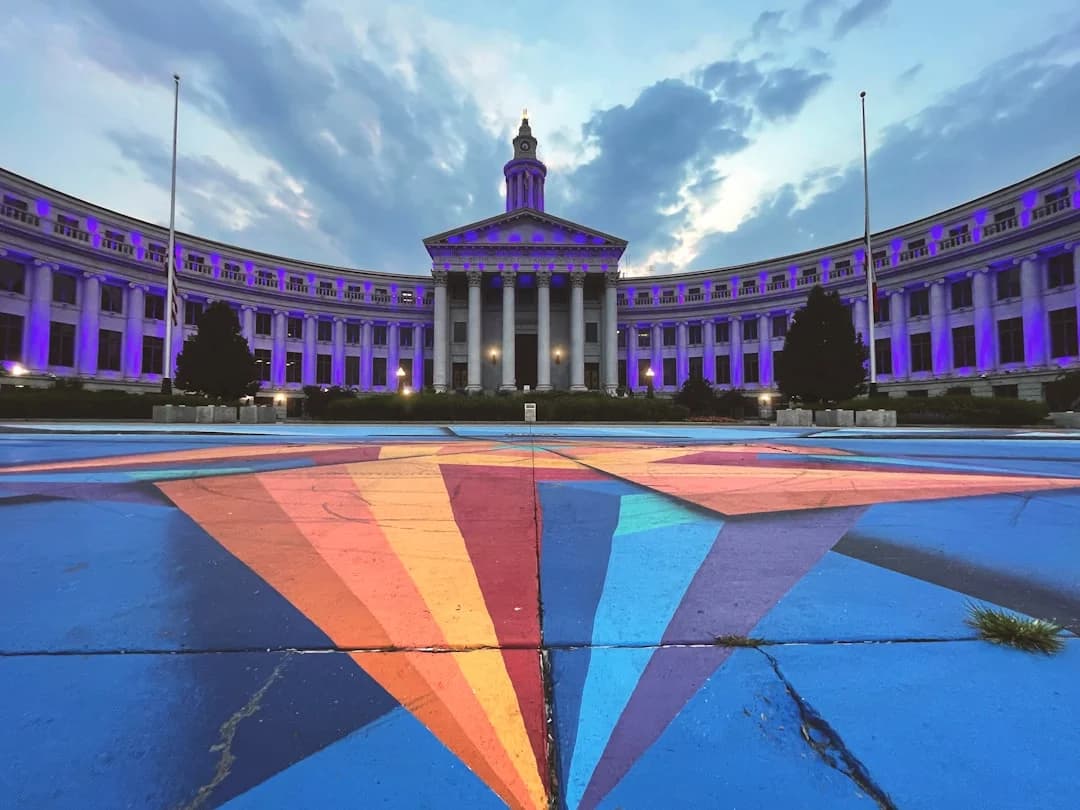
Photo by Joshua Woroniecki on Unsplash
San Francisco’s summer skyline lights up with a new public art spectacle: the 7x7 light beam public art SF installation. The city formally unveiled the project at Civic Center Plaza, marking a milestone for urban light art and technology-driven public spaces. The display, produced by Illuminate, features 49 individual beams of colored light projected into the night sky, each beam symbolizing a distinct facet of San Francisco’s geography and cultural identity. This is not just a visual spectacle; it’s a data-informed public art project that blends architectural lighting, laser technology, and civic programming to create a city-wide moment of shared visibility. The installation is designed to be accessible to people walking through the Civic Center area, with the beams elevated several feet above the ground to create a canopy-like experience overhead. The news is timely for a city already in the midst of Pride celebrations, FIFA World Cup fanfare, and a broader summer of public events, all of which are intersecting with this new art initiative. The 7x7 light beam public art SF project is expected to draw tens of thousands of visitors and to spur conversations about the role of large-scale light installations in urban life, data-driven design, and the civic role of public artwork. This coverage provides a neutral, data-driven look at what happened, why it matters, and what comes next, grounded in verifiable dates, organizers, and city partnerships. The installation’s debut marks a notable moment for SF’s contemporary public art ecosystem, continuing a lineage that includes major light-art landmarks like The Bay Lights and Welcome SF’s Market Street display. The event also aligns with the city’s ongoing strategy to extend cultural participation through technology-forward public experiences, setting a benchmark for future collaborations between artists, engineers, and municipal agencies. 7x7 light beam public art SF is more than a temporary spectacle; it’s a case study in how modern public art leverages laser, LED, and projection technologies to create accessible, immersive experiences in dense urban contexts. (sfrecpark.org)
What makes the 7x7 light beam public art SF installation particularly newsworthy is its scale, timing, and strategic partnerships. The project’s 49 beams correspond to San Francisco’s 49 square miles, a design choice that ties geography to visual storytelling and invites residents and visitors to view the city from a fresh perspective. The beams rise above Civic Center Plaza, allowing pedestrians to walk beneath them without obstruction—a deliberate safety and accessibility feature that makes the work approachable for families, tourists, and local residents alike. This fusion of audience-friendly design and high-tech display is the essence of a modern public-art initiative that seeks broad engagement while maintaining rigorous safety and operational standards. The city’s leadership framed the launch as part of a broader summer program that coincides with Pride weekend and major international events, signaling a moment when cultural programming intersects with global attention and tourism dynamics. The practical implications for local businesses, transit patterns, and neighborhood overlay plans are part of the ongoing public discussion as planners monitor foot traffic, heat maps, and crowd management needs. 7x7 light beam public art SF is being treated as both an aesthetic installation and a mobility-conscious infrastructure event. (sfrecpark.org)
Section 1: What Happened
Announcement and Launch
City and Organizing Partners
The 7x7 light beam public art SF project was announced and then launched in a coordinated effort led by Illuminate, a San Francisco nonprofit known for large-scale light installations, including The Bay Lights on the Bay Bridge and related immersive displays along Market Street. The organization partnered with San Francisco Pride, the San Francisco Recreation and Parks Department, and local civic stakeholders to prepare Civic Center Plaza for a summer showcase. The official framing from city and nonprofit sources emphasized a free-to-view public artwork designed to be accessible to pedestrians and families beneath a canopy of light. The announcement underscored the installation’s symbolic reach—49 beams representing San Francisco’s 49 square miles and a schedule designed to maximize public engagement during Pride, FIFA World Cup events, and other summer activities. The collaboration brings together cultural programming, technology, and municipal support to deliver a data-informed public-art experience. 7x7 light beam public art SF is thus positioned at the intersection of culture, technology, and civic life. (sfrecpark.org)
Timeline and Operational Hours
The public art display was scheduled to run from Sunday, June 21, 2026, through Thursday, July 4, 2026, with daily programming and lighting sequences designed to maximize visibility during evening hours. This two-week window was selected to align with summer crowds, Pride celebrations, and FIFA World Cup-related gatherings in San Francisco. Local outlets reported that the display would illuminate Civic Center Plaza nightly, offering a visual narrative about the city’s geography, energy, and inclusive spirit. The exact dates and the two-week duration reflect a clearly defined project calendar, enabling city agencies to coordinate security, transit, and crowd management around a fixed timeline. The 49 beams of light are arranged in a grid-like pattern that projects upward from laser cannons and other light-sourcing equipment placed on a lightweight support framework to minimize impacts on pedestrians and surrounding structures. 7x7 light beam public art SF is thus a time-bound, location-specific event with a clearly stated start and end. (sfchronicle.com)
Visual and Technical Details
Technically, the installation employs advanced laser and LED lighting to produce a dense canopy of color above Civic Center Plaza. Reportedly, the laser systems sit roughly ten feet above the ground on a custom truss, allowing visitors to stroll underneath without obstruction while preserving the integrity of the light array in the night sky. The color palette and sequencing are designed to create dynamic, programmable patterns that respond to audience flow and weather conditions, with safety and eye comfort considerations built into the design. Organizers highlighted the use of color diversity and rhythm to create a legible, urban-art experience that resonates with SF’s multi-ethnic and multi-cultural identity. The architecture of the beams—how they fan out, align with the square-mile concept, and shift through color families—was described as a deliberate nod to San Francisco’s grid and its evolving public-art culture. 7x7 light beam public art SF is hence a technologically sophisticated project with a strong narrative tied to local geography and civic identity. (illuminate.org)
Timeline and Public Interaction
As part of the rollout, organizers prepared a phased public engagement plan that included on-site information, streaming updates, and social-media coordination to help residents understand the conceptual framework and the experience mechanics. The two-week window was chosen to maximize reach while ensuring a manageable footprint for city services and emergency planning. Local outlets highlighted the public nature of the event, stressing that admission is free and open to all. The event’s cadence—sunset into late evening—was designed to align with typical Bay Area summer routines and to invite repeat viewing across multiple nights. In addition to the main display, ancillary programming and related lighting pieces were discussed as potential future extensions, depending on reception and logistical feasibility. 7x7 light beam public art SF thus serves as both a standalone spectacle and a potential progenitor for future, data-informed light-art collaborations. (sfchronicle.com)
Public Messaging and Thematic Framing
City and nonprofit communications positioned 7x7 as a celebration of civic space and metropolitan identity. The messaging framed the installation as a two-week “historic summer” moment designed to welcome visitors during Pride and FIFA World Cup festivities, while also marking an ongoing commitment to accessible art and technology-enabled public experiences. Local media reiterated the connection to Pride and World Cup events, noting the event’s capacity to attract diverse audiences and to serve as a visual gateway to Civic Center during a period of heightened city-wide activity. The combination of a finite display window, a grid-inspired pattern, and a colorful beam array provided a tangible link between SF’s urban form and its cultural life. 7x7 light beam public art SF is thus interpreted not only as a spectacle but as a data-supported civic narrative about space, perception, and community. (sfgate.com)
Section 2: Why It Matters
Impact on the City and Community
Cultural and Tourism Implications
The 7x7 light beam public art SF installation is more than a striking evening display; it’s a cultural event with potential tourism and local business implications. By turning Civic Center Plaza into a nightly beacon, the project helps draw visitors into downtown core areas, extending evening foot traffic into adjacent neighborhoods and transit hubs. The alignment with Pride and FIFA World Cup-related activities strategically positions the installation within a broader tourism-and-events calendar, potentially boosting restaurant, museum, and retail activity in nearby blocks. Observers note that such publicly accessible artworks can increase dwell time in public spaces, create social media amplification, and elevate San Francisco’s profile as a city where culture and technology intersect in a practical, daytime-friendly public setting. While precise attendance figures are not published, the city’s communications and press coverage emphasize broad visibility and inclusive access, which are central to the project’s public-value proposition. 7x7 light beam public art SF thus supports a narrative of art as a public utility, a social commons that contributes to the city’s long-term cultural economy. (sfchronicle.com)
Public Art and Technological Innovation
From a technologist’s vantage point, 7x7 light beam public art SF showcases how laser-based public art can be scaled for urban environments, while maintaining safety, accessibility, and visual impact. The installation’s 49-beam configuration leverages a grid metaphor that aligns with SF’s well-known street layout, offering an aesthetic interpretation of the city’s geography. The approach—using elevated beams and programmable color sequences—illustrates how contemporary public art can combine artistic intention with robust engineering, data-driven planning, and audience-centered design. The project builds on a lineage of SF light-art projects, reinforcing the city’s reputation as a living laboratory for large-scale public art powered by technology. This continuity supports a broader market narrative around public-art technology providers, municipal partnerships, and the role of nonprofit organizations in funding and presenting high-profile displays. 7x7 light beam public art SF thus signals ongoing investment in technology-enabled public art that can be replicated or expanded in other urban contexts. (illuminate.org)
Accessibility, Safety, and Equity
A central feature of the 7x7 installation is pedestrian accessibility. By enabling visitors to walk beneath the illuminated canopy, the project reduces barriers to engagement and invites spontaneous interaction with the artwork. The safety considerations embedded in the physical design—height clearance, minimal obstruction of public space, and careful crowd management—reflect a careful balance between spectacle and civic practicality. For a city that often grapples with large crowds and transportation bottlenecks, such public-art projects provide an opportunity to reimagine nighttime urban life in a way that is both memorable and responsible. As with any public spectacle, ongoing feedback from residents and businesses will inform future iterations, potential expansions, and the integration of similar displays into SF’s cultural calendar. 7x7 light beam public art SF thus contributes to a broader discussion about how art can be deployed in public spaces without compromising safety, accessibility, or equity. (sfrecpark.org)
Broader Context and Comparisons
Public Art in the Digital Age
7x7 light beam public art SF sits within a broader trend of using digital technologies and light to redefine public spaces. Previous high-profile installations in the city, along with other national and international examples, demonstrate the growing viability and appeal of large-scale light-based works as a form of urban storytelling. Comparisons with past SF projects—such as The Bay Lights and other municipal laser displays—highlight both continuity and innovation: the core concept of public access to art remains, but the technological toolkit has expanded, enabling more complex color dynamics, programmable sequences, and responsive experiences tied to events and crowds. This context helps readers understand how SF’s public art scene is evolving at the intersection of culture, engineering, and public policy. 7x7 light beam public art SF contributes a contemporary case study to ongoing conversations about what public art can be in a data-enabled city. (en.wikipedia.org)
Economic and Policy Implications
Public-art investments of this scale interact with municipal budgets, private philanthropy, and nonprofit funding models. While specific financial figures for 7x7 are not disclosed in the reporting, analysts and city observers point to the potential longer-term economic benefits of high-visibility cultural experiences, including media exposure, visitor spending, and increased interest in future collaborations between art organizations and city government. The project’s alignment with major city events could also influence sponsorship dynamics, media rights, and cross-promotional opportunities for local cultural institutions. As with other large-scale public-art initiatives, stakeholders expect ongoing dialogue about maintenance responsibilities, schedule adjustments, and the potential for future iterations that leverage similar technology in new contexts. 7x7 light beam public art SF thus contributes to a broader market narrative about the role of philanthropy, public sector support, and private innovation in sustaining urban cultural infrastructure. (sfgate.com)
Section 3: What’s Next
Timeline, Next Steps, and Future Opportunities
Short-Term Developments
With the initial two-week run concluded, observers and city officials are evaluating the installation’s reception and operational performance. The immediate focus for organizers includes assessing crowd flow patterns, safety metrics, and the logistics of resuming or repurposing lighting sequences for potential future events. While the current window is fixed, the broader public-art program in SF often features expansions based on community feedback and availability of funding. The official communications network may offer updates on any post-run maintenance, documentation of the display’s impact, and potential follow-up projects in other neighborhoods, should the opportunity arise. 7x7 light beam public art SF thus stands at a crossroads between a definitive summer installation and a possible template for subsequent city-led or nonprofit-led light-art ventures. (sfchronicle.com)
Related and Complementary Displays
In parallel with 7x7, organizers have promoted related light-art initiatives, including Welcome SF—a rainbow laser display designed to stretch along Market Street—intended to extend the city’s daylight-to-nighttime art narrative. Reports indicate that Welcome SF and other related displays are part of a broader strategy to maintain public interest in SF’s light-art portfolio beyond a single event window. By connecting 7x7 with complementary pieces, Illuminate and its partners aim to sustain the public-art dialogue and keep Civic Center and surrounding districts energized through the summer. 7x7 light beam public art SF is therefore part of a growing ecosystem of light-based public art that blends visual spectacle with ongoing community engagement. (cbsnews.com)
What to Watch For
Community and Media Feedback
Public reception is likely to be a key driver of future decisions about 7x7’s long-term significance. Local news outlets and social chatter often shape perceptions of how public art translates into everyday life—whether through increased foot traffic, neighbor discussions about safety and noise, or the sense of pride that comes with hosting a globally recognizable art event. Feedback mechanisms—formal or informal—will help determine whether similar installations become a recurring feature in SF’s cultural calendar or remain episodic, year-to-year experiences. 7x7 light beam public art SF thus invites ongoing monitoring of public sentiment and a careful balance between spectacle and community needs. (sfchronicle.com)
Potential for Expansion and Replication
From a market perspective, the success of 7x7 could pave the way for expanded collaborations among artists, engineers, and city agencies, potentially scaling to other districts or adapting the grid-inspired concept to different sizes or geographies. The project’s emphasis on accessibility and safety, combined with a clear, data-informed design approach, provides a framework that other municipalities and art organizations could study when considering large-scale light installations. The SF Bay Area has a history of presenting ambitious public-art projects, and 7x7 light beam public art SF could be cited in future discussions about how to responsibly scale such displays while preserving public space integrity. 7x7 light beam public art SF thus functions as both a creative milestone and a practical model for future city-art collaborations. (illuminate.org)
Closing
As San Francisco closes the first chapter of the 7x7 light beam public art SF installation, stakeholders emphasize that this display is a learning moment for how art, technology, and civic life can converge in a public setting. The display’s two-week run provides a test bed for audience engagement, safety protocols, and cross-sector collaboration, while its alignment with Pride and FIFA World Cup celebrations amplifies its visibility and cultural resonance. The project’s organizers stress accessibility and inclusivity, inviting residents and visitors to experience the city in a new light—quite literally—while researchers and industry observers watch for insights into how public art can be scaled, evaluated, and evolved within an urban environment. If you’re planning to visit Civic Center Plaza during the current summer cycle, you’ll encounter a public-art experience that blends geography, color, and physics into a shared, city-wide moment. For ongoing updates, keep an eye on Illuminate’s official communications and local media coverage as SF continues to explore the future of public art powered by technology. 7x7 light beam public art SF thus stands as a timely example of how cities can balance spectacle with structure, beauty with safety, and artistic ambition with public access. (sfrecpark.org)