AOCA Pan-African gallery San Francisco opening 2026

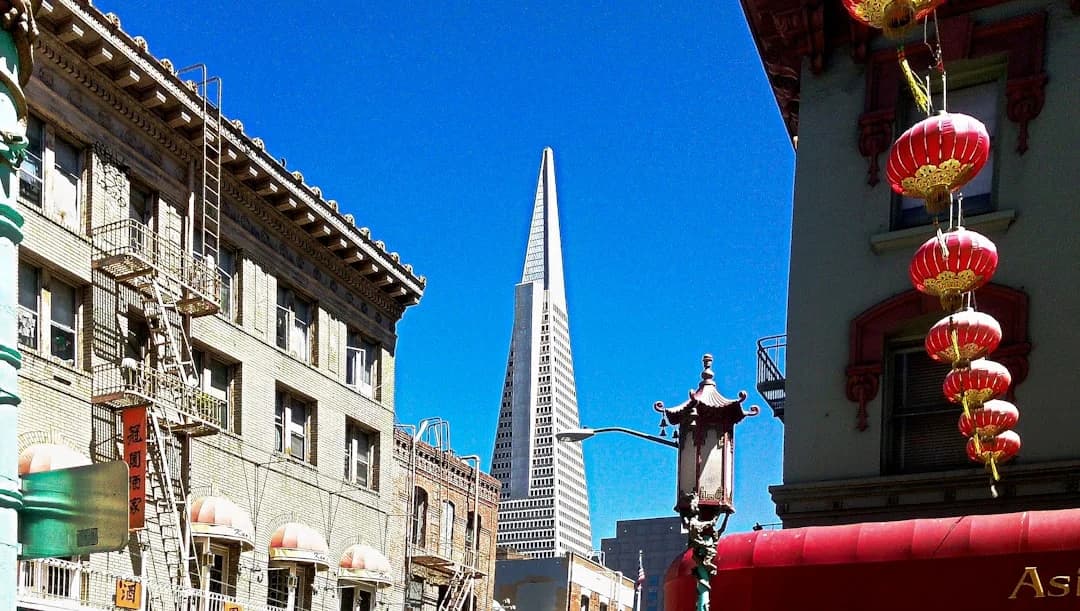
Photo by Kurt Hänel on Unsplash
The Bay Area’s art scene welcomes a new chapter focused on Africa and its diaspora with the AOCA Pan-African gallery San Francisco opening 2026. Set to anchor the Dogpatch neighborhood, AOCA—Art of Contemporary Africa—will inaugurate its first Pan-African contemporary art space in San Francisco on February 12, 2026, at Minnesota Street Project. The opening marks a milestone as the city’s cultural landscape expands its embrace of Africa’s vibrant and evolving contemporary art practices. Organizers emphasize a program that pairs established names with emerging voices across media, from painting and sculpture to installation and photography, signaling a data-driven, audience-minded approach to curation and community engagement. The AOCA project is led by veteran gallery operator Craig Mark and celebrated South African photographer Clint Strydom, with AOCA positioned as the sister gallery to The Melrose Gallery in Johannesburg. This connection underscores a transcontinental strategy aimed at strengthening dialogue between African artists and Northern California audiences, a trend increasingly visible in global art markets. (aocaart.com)
For readers tracking technology-enabled cultural economies, the AOCA Pan-African gallery San Francisco opening 2026 arrives alongside broader local efforts to reframe the Bay Area’s art ecosystem through strategic partnerships, cross-border programming, and new gallery models. In February 2026, media coverage highlighted AOCA as the city’s inaugural Pan-African contemporary gallery, a development that aligns with San Francisco’s ongoing push to attract diverse, globally connected art projects. The February 2026 reporting situates AOCA within a month notable for other major cultural reopenings and new programming, reinforcing the Bay Area’s role as a hub where art and technology intersect. This context matters for collectors, investors, and technologists seeking to understand how new cultural infrastructure can influence creative economies in the region. (forbes.com)
Opening details and the programmatic vision for AOCA are also reflected in coverage from KQED and Artsy, which together with AOCA’s own materials provide a coherent picture of a gallery intent on illustrating Africa’s breadth through a diverse lineup of artists. The inaugural Afropop group show brings together artists from Uganda, Kenya, Ivory Coast, Cameroon, the Democratic Republic of Congo, South Africa, and beyond, and it’s scheduled to run in the Minnesota Street Projects complex in early 2026. This cross-palette curation is designed to illuminate regional differences and shared themes across the Pan-African continuum, while anchoring AOCA in a concrete San Francisco venue with long-term programming plans. (kqed.org)
Opening paragraph: The AOCA Pan-African gallery San Francisco opening 2026 is more than a launch; it is a signal about the city’s evolving role in international contemporary art, particularly for African art and its global diaspora. With the inaugural show Afropop scheduled to anchor the debut, AOCA aims to present a broad spectrum of practices—reframing narratives around Africa’s current art production and connecting Bay Area audiences with artists who previously circulated primarily in fairs and international galleries. The project’s leadership duo—Craig Mark and Clint Strydom—frames AOCA as a serious, large-scale contemporary art initiative, rooted in established networks but built for ongoing collaboration, exhibitions, and fair participation. The San Francisco opening, therefore, is positioned not only as an event but as a long-term platform for dialogue, exchange, and market development within the Bay Area’s tech-forward economy. (aocaart.com)
What Happened
Opening Date and Location
AOCA, or Art of Contemporary Africa, is inaugurating its first Pan-African gallery in San Francisco as of February 12, 2026. The venue is located within the Minnesota Street Project in Dogpatch, a site that has hosted a rotating roster of contemporary galleries and artist interventions. This move follows AOCA’s development as the sister gallery to The Melrose Gallery in Johannesburg, reinforcing a cross-continental bridge between African art ecosystems and Northern California audiences. The formal opening date, well publicized by the gallery and media, anchors AOCA’s entry into the local market and signals a sustained program rather than a one-off event. (aocaart.com)
Inaugural Exhibition: Afropop
The headline inaugural show for AOCA is Afropop, a group exhibition designed to foreground Pan-African voices across media, including painting, sculpture, photography, installation, and mixed media. Afropop is scheduled to run in the Minnesota Street Projects complex from February 2 to March 29, 2026, with AOCA presenting a selection of artists that includes Dr. Esther Mahlangu (who AOCA represents), Ayanda Mabulu, Noria Mabasa, Willie Bester, Clint Strydom, Médéric Turay, and Samuel Allerton, among others. The presentation is organized with strong cross-border collaboration and a curatorial emphasis on multiplicity and contemporary dialogue. This show represents the gallery’s first major domestic presentation and is intended to establish a baseline for AOCA’s program in the Bay Area. (artsy.net)
Leadership, Vision, and Partnerships
AOCA’s leadership line-up centers on Craig Mark, who directs The Melrose Gallery, and Clint Strydom, a renowned photographer with deep ties to the African art world. Their joint leadership positions AOCA as a high-profile entry into the San Francisco market with a recognizable pedigree in Pan-African contemporary art. The gallery’s strategy aligns with a broader network in which The Melrose Gallery operates from Johannesburg, thereby enabling a transcontinental program that includes African diaspora voices as well as artists who operate across global circuits. The Minnesota Street Project address, 1275 Minnesota Street, San Francisco, provides a physical campus for a program designed to mix gallery viewing with fairs, commissions, and collaborations. (aocaart.com)
Why It Matters
Market Significance: First Pan-African Gallery in SF

Industry observers and media outlets have highlighted AOCA as San Francisco’s first gallery dedicated exclusively to Pan-African contemporary art. This milestone is seen as a natural development in a market that has increasingly valued cross-cultural programing, global artistic networks, and diverse representation. The opening positions San Francisco as a contemporary art hub that can host a long-term Pan-African program, with potential spillover effects across galleries, fairs, collectors, and institutional partnerships. The framing of AOCA as a dedicated Pan-African space is reinforced by coverage noting its sister-gallery relationship with The Melrose Gallery and its intent to bring Africa’s contemporary voices to the Bay Area’s tech-forward audience. (forbes.com)
Local Cultural Ecosystem: MoAD, Dogpatch, and Cross-Currents
AOCA’s arrival comes at a moment when San Francisco’s cultural infrastructure is being reshaped. The city’s Museum of the African Diaspora (MoAD) recently reopened after renovations and is expanding its programming around Black art and science, signaling a broader appetite for African and African-diasporic perspectives within the region. This context matters because AOCA’s presence in Dogpatch—an area undergoing intense cultural and real-estate development—creates potential synergies with neighboring galleries, nonprofit initiatives, and academic partners that are actively exploring the intersection of art, technology, and community empowerment. Observers point to a regional ecosystem that can amplify the impact of a Pan-African program beyond a single exhibition, turning AOCA into a fixture within a network of institutions and independent spaces. (theartnewspaper.com)
Cross-Atlantic Ties and Global Dialogues
The AOCA project extends beyond local impact by carrying the pan-African art conversation to a major U.S. city with global audience reach. The Melrose Gallery’s Johannesburg base means that AOCA’s Bay Area program benefits from established transcontinental ties, including participation in international fairs and a catalog of artists with wide networks. This cross-border approach aligns with broader market trends that emphasize diaspora-led programming and the mobility of artists, collectors, and curators between Africa, Europe, the Americas, and beyond. The resulting dialogues can influence collector behavior, investment patterns in contemporary African art, and the visibility of African curatorial perspectives in major markets. (aocaart.com)
What’s Next
Timeline and Next Steps
Following the February 12, 2026 opening, Afropop will run from February 2 to March 29, 2026, creating a robust first-year program for AOCA that leverages the gallery’s affiliations and the Minnesota Street Projects platform. The scheduling indicates a tightly wound launch window designed to maximize media attention, collector engagement, and cross-program crossovers with festival circuits or related events in the Bay Area. Expect a slate of talks, gallery tours, and possibly co-hosted events with nearby institutions, given AOCA’s positioning within a dense arts district and its readiness to engage with tech-enabled audiences and industry professionals who attend, visit, or invest in art. The exact roster of ancillary programs beyond Afropop remains to be confirmed, but the initial plan suggests a continued emphasis on Pan-African voices and audience-centered programming. (artsy.net)
Engagement and Access: Hours, Tickets, and Visitor Experience
As a Minnesota Street Project tenant, AOCA’s public hours and visitor policies are likely to align with the campus’s operating framework, which supports frequent gallery rotations and public access. Local media coverage has emphasized the gallery’s openness to a broad audience, including first-time visitors and seasoned collectors, with a program designed to encourage dialogue across communities. For readers planning a visit, staying tuned to AOCA’s official channels and Minnesota Street Projects’ schedule will be essential to confirm hours, ticketing, and any required registrations for special events. The official AOCA page provides foundational details about the gallery and its street address, while local outlets have begun detailing opening week programming. (aocaart.com)
What to Watch in 2026 and Beyond
Looking ahead, AOCA’s trajectory will likely hinge on a combination of exhibition variety, artist roster depth, and partnerships with fairs and institutions. Given the gallery’s leadership and its connection to The Melrose Gallery, stakeholders can anticipate ongoing collaboration with African artists who engage across multiple media and with curatorial teams that seek to position San Francisco as a pivotal node in Pan-African contemporary art discourse. Market observers should monitor next-year fair appearances, book-length catalogs, and potential residency or education programs that AOCA may introduce to deepen engagement with students, researchers, and the broader public. While specifics beyond Afropop and the February 2026 opening are not yet fully disclosed, early signals suggest a strategy built on consistency, international tie-ins, and a commitment to showcasing Africa’s contemporary art ecosystems on a prominent U.S. stage. (artsy.net)
Closing
AOCA’s San Francisco debut as the AOCA Pan-African gallery San Francisco opening 2026 represents a deliberate expansion of the Bay Area’s cultural map, aligning with a growing interest in Pan-African contemporary art and related cross-border dialogues. The inaugural Afropop show provides an initial blueprint for a long-running program that could influence local collecting patterns, gallery practices, and partnerships between artists and technologists who are shaping San Francisco’s innovation economy. As the program unfolds, readers can expect continued coverage of AOCA’s exhibitions, artist rosters, and calendar-aligned activities within the Minnesota Street Projects ecosystem and the wider Bay Area art scene. To stay updated, follow AOCA’s official communications and monitor coverage from local arts outlets, KQED Arts, and Artsy, which have already highlighted the gallery’s opening and inaugural programming. (aocaart.com)
