Autonomous Robotaxis San Francisco 2026 Rollout Advances

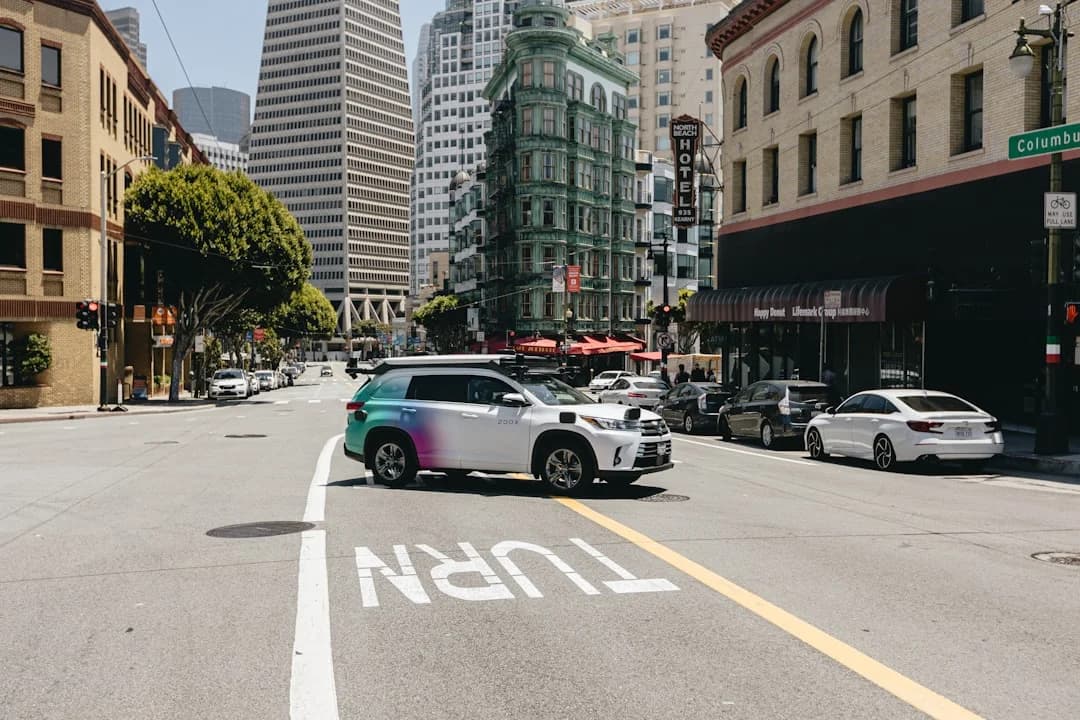
Photo by Timo Wielink on Unsplash
San Francisco is at a pivotal moment in urban mobility as the Autonomous robotaxis San Francisco 2026 rollout advances from pilot to a broader, region-wide framework. In late 2025 and into early 2026, city agencies and private operators have pushed forward a staged approach to driverless rides, centered around airport access, downtown corridors, and expanding Bay Area coverage. The city’s leadership emphasizes safety, data-sharing, and transparency as guiding principles for this transition, while riders and businesses watch closely for tangible changes in convenience, travel times, and curb management. The broader Bay Area context includes ongoing pilots on Market Street and a stepped expansion of Waymo and sister programs into adjacent neighborhoods, signaling a more connected autonomous mobility network across the region. Autonomous robotaxis San Francisco 2026 remains a headline topic for riders, policymakers, and technologists alike. (axios.com)
As of January 2026, Waymo’s airport-focused rollout in San Francisco has crystallized into a three-phase approach designed to move from supervised testing to fully autonomous passenger service for select user groups before a potential public rollout. This architecture follows a series of regulatory milestones that began with mapping and testing permits in 2025 and culminated in airport deployment discussions and public-facing pilots. These steps are intended to build legitimacy, safety data, and user trust as the Bay Area becomes a proving ground for driverless rides in complex urban environments. The market dynamics in the Bay Area also include Zoox’s accelerated expansion in San Francisco, including a period of free rides aimed at demonstrating reliability and encouraging rider adoption prior to a broader fare-based model. (axios.com)
Section 1: What Happened
Bay Area footprint expands as Waymo widens its regional reach
- In 2025, Waymo announced a broad geographic expansion across the Bay Area, extending its robotaxi service into Daly City, Broadmoor, and Colma and moving beyond the city core to more suburban and edge neighborhoods. This expansion was described by multiple outlets as a meaningful step toward a denser, more interlinked Bay Area robotaxi network. The expansion followed earlier groundwork that positioned Waymo to serve a wider cross-section of residents and travelers across the eastern and northern sides of the region. (techcrunch.com)
- By late 2025, California regulators had approved an even larger footprint for Waymo within the Bay Area and Southern California, enabling testing and deployment in additional cities and corridors. The regulatory map confirmed that Waymo’s test and deployment authorizations now covered broader swaths of the Bay Area, including areas in the East Bay and North Bay, as well as parts of Sacramento, with additional Southern California expansion plans. This regulatory backing foreshadowed more frequent, higher-coverage rides in the months ahead. (techcrunch.com)
Airport rollout marks a milestone for autonomous transit in the region
- Waymo’s push into San Francisco International Airport (SFO) represents a high-visibility anchor for the Autonomous robotaxis San Francisco 2026 storyline. The rollout at SFO was structured as a three-phase pilot designed to balance safety, data reporting, and user experience as the project scales. Phase 1 features testing with a trained safety driver, Phase 2 introduces fully autonomous rides for airport staff or Waymo personnel, and Phase 3 contemplates commercial service for the general public. This phased approach aligns with both city goals and state regulations aimed at ensuring secure integration of autonomous rides into high-traffic, high-stakes environments. (axios.com)
- The SFO rollout timeline began with a formal mapping effort in early 2025, a crucial prerequisite identified by regulators and the operator to collect data and refine software for real-world driving. By September 2025, Waymo had received a dedicated testing and operations pilot permit for SFO, enabling staged access to airport facilities and establishing performance and reporting expectations. The three-phase structure, data-sharing requirements, and oversight mechanisms reflect a deliberate, data-driven approach to airport mobility that regulators and the city view as essential for public trust. (axios.com)
Zoox accelerates expansion with staged deployments and free rides
- Amazon-owned Zoox has pursued a parallel expansion track in San Francisco, moving from initial testing to broader demonstrations and eventual paid service. A major milestone in 2025–2026 was Zoox’s plan to begin offering free robotaxi rides in select San Francisco neighborhoods as part of its broader expansion strategy. The initiative aims to demonstrate reliability and convenience while paving the way for a future paid service, with regulatory clearance still required before fares can be charged in the city. This development is part of a competitive landscape that includes Waymo and other entrants seeking to scale driverless mobility in California. (apnews.com)
- The California DMV’s public-facing permit records confirm Zoox’s presence as a driverless and, in some cases, driver-supported deployment partner in the region, alongside Waymo and other operators. The DMV’s ongoing permit framework outlines areas and conditions where Zoox and peers can operate, offering a transparent, publicly accessible view of which corridors and scenarios are currently permitted. This regulatory visibility is a key element of the Autonomous robotaxis SF 2026 narrative, helping readers understand where and when riders may encounter robotaxis beyond testing scenarios. (dmv.ca.gov)
Regulatory context: permits, maps, and phased approvals
- California’s DMV maintains a detailed, evolving map of approved operation areas for driverless testing and deployment, including Waymo’s expansions to Los Angeles and additional parts of the San Francisco Bay Area as of late 2022–2025. The map underscores the state’s approach of layering testing permissions (with a safety driver) before granting deployment authorization for fully driverless service. The DMV’s public timeline and permit listings are a core reference point for understanding the pace and geography of the Bay Area robotaxi growth. (dmv.ca.gov)
- In parallel, the California Public Utilities Commission (CPUC) continues to regulate deployment permits for driverless rides that are commercially charged. The CPUC’s regulatory posture—paired with DMV permits—shapes the sequence and geography of public-facing robotaxi operations in San Francisco and beyond. Coverage of these regulatory steps in national outlets illustrates a broader policy environment that influences how quickly autonomous mobility can scale in urban cores. (sfchronicle.com)
Market Street arrival and downtown pilots
- In August 2025, Market Street was opened to robotaxis and limited rideshares as part of a city mobility pilot intended to revitalize downtown and test curb management, safety, and rider experience in a corridor long central to San Francisco’s urban policy. This opening signaled a significant shift from purely local street testing to visible, citywide mobility integration, and it has been a touchstone for evaluating how autonomous services interact with pedestrians, transit, and traditional ride-hailing. (axios.com)
A snapshot of the current landscape
- Waymo’s status in the region has evolved toward a larger, more continuous Bay Area operation, reinforced by public reporting that the company operates hundreds of robotaxis in San Francisco and serves thousands of daily rides across the Bay Area network. As of 2025, Waymo’s SF footprint has been described as one of the most extensive urban driverless fleets in the United States, underscoring the scale of the Bay Area experiment and its potential transferability to other markets. (sfchronicle.com)
- The broader competitive environment includes Zoox’s SF activity and other entrants that may pursue different business models (e.g., free rides, paid rides, or driverless testing). The regulatory canvas—covering testing, deployment, and airport operations—remains the framework that shapes how quickly these services move from pilot phases to routine transportation options for residents and visitors. (dmv.ca.gov)
Section 2: Why It Matters
Mobility, accessibility, and rider experience in a changing city
- The rollout of autonomous robotaxis in San Francisco 2026 is altering how residents and visitors move through the city, particularly as SFO and Market Street pilots showcase new access points for riders. The phased SFO program is designed to gather safety and operational data while gradually expanding rider exposure, aiming to deliver a dependable and convenient option for airport access and city travel. For riders, the impact could include shorter door-to-door travel times for certain routes and new curbside experiences at airports and major corridors. (axios.com)
- Market Street’s inclusion in the robotaxi ecosystem reflects a broader policy aim to reimagine downtown mobility—balancing pedestrian safety with the potential for reduced single-occupancy vehicle trips. The policy choice to permit robotaxis in a car-restricted corridor signals cities’ willingness to experiment with low-emission, data-driven mobility in areas with high foot traffic and transit usage. The real-world effects on congestion, curb management, and transit integration remain a key area of observation for the SF Bay Area Times and other outlets. (axios.com)
Economic implications for tourism, hospitality, and local commerce
- Airport-access mobility is particularly high-leverage for broader adoption of autonomous rides. By enabling easier travel between hotels, convention centers, and transportation hubs, the SFO airport pilot could boost visitor flows, reduce travel friction for business travelers, and contribute to downtown revitalization efforts. Analysts see this airport-focused rollout as a potential catalyst for broader demand and higher utilization of autonomous fleets across the region. (axios.com)
- The Bay Area’s economic ecosystem—tech talent, venture capital, and a busy tourism sector—could benefit from a more predictable, all-weather transit option that complements existing public transit and rideshare services. If autonomous robotaxis demonstrate reliability and safety at scale, local businesses may experience changes in peak-hour travel patterns, hotel occupancy, and event-driven visitor flows. Market observers emphasize that the airport tie-in is a critical determinant of early demand, given the concentration of travelers and the high-value trips involved. (axios.com)
Safety, regulation, and public trust as non-negotiables
- Regulatory oversight remains central to how quickly autonomous robotaxis SF 2026 can scale. DMV’s permit framework and CPUC’s deployment authorizations are designed to ensure continuous data sharing, safety performance monitoring, and public accountability. The three-phase SFO plan explicitly ties operational milestones to safety data and regulatory compliance, reinforcing the point that public trust is built through transparent metrics and robust safety practices. (axios.com)
- Public safety considerations are ongoing concerns in San Francisco’s autonomous mobility story. Local reporting has documented safety-related incidents and the city’s sensitivity to how autonomous vehicles interact with pedestrians, cyclists, and transit. The evolving regulatory conversation signals that risk management, curb utilization, and privacy remain central to policy design and operator practices. (sfchronicle.com)
Competitive dynamics and market structure
- Waymo currently leads in commercial driverless rides in several U.S. markets, including San Francisco, Phoenix, and Los Angeles, and continues to expand into additional cities as regulatory permissions allow. Zoox’s SF expansion and its free-ride pilot illustrate a competitive landscape where operators test different value propositions—ranging from free-to-ride trials to fare-based services—to drive rider adoption. The interplay of these players shapes choices for riders and could influence pricing, service density, and route availability over time. (apnews.com)
Section 3: What’s Next
Near-term milestones and longer-term trajectory
- The most immediate next steps involve expanding SFO operations from the pilot phase toward broader passenger access, with city and airport coordination continuing to govern the pace and conditions of rollout. Industry reporting and company communications point to a multi-month to multi-quarter path before a full public launch, contingent on safety data, regulatory approvals, and operational readiness. The plan is to complete the Phase 1 testing and move into Phase 2 testing with airport staff or Waymo personnel as a precursor to general public access. (axios.com)
- Beyond SFO, Waymo’s Bay Area expansion and the DMV’s updated permit maps indicate ongoing growth in the East Bay, North Bay, and other corridor expansions. Tech press coverage in late 2025 highlighted that the Bay Area expansion would continue to unfold in 2026, with possible further adjustments to the maps and operating regions as data accumulates and safety benchmarks are met. The regulatory backdrop suggests a measured approach to ramping up service density rather than a rapid nationwide rollout. (techcrunch.com)
Key dates and concrete milestones to watch
- January 29, 2026: Waymo begins offering rides to and from SFO as part of the airport pilot, signaling a concrete step toward real-world passenger service in a major international gateway. This timeline point is documented in industry commentary and local reporting, illustrating the progression from testing to passenger exposure in a high-visibility setting. (sfbayareatimes.com)
- Mid-2026: San Diego expansion and continued expansion in additional markets were flagged by Waymo and industry observers as future milestones, with mid-2026 often cited as a target window for public rides in new markets. While exact launch dates depend on regulatory approvals, these plans provide a rough horizon for readers tracking national and regional growth trajectories. (techcrunch.com)
- 2026 onward: The Bay Area’s autonomous mobility profile is expected to evolve with ongoing regulatory updates, curb-management pilots, and potential additional corridors with autonomous vehicle deployment. Regulators have signaled a willingness to refine the framework as pilots progress, including potential expansions to more neighborhoods and higher service density as data demonstrates safety and reliability. (dmv.ca.gov)
What to watch for in the coming months
- Rider experience and accessibility: As SFO and Market Street pilots mature, readers should monitor passenger wait times, trip durations, and curb-handling protocols. Early reports indicate a careful, phased approach to rolling out services, with a focus on reliability and safety before full public access is allowed. (axios.com)
- Economic and tourism impact: The airport-focused rollout may become a lever for downtown economic activity and tourism flows, with potential spillovers into adjacent neighborhoods, hospitality venues, and conference centers. Observers will look for measurable changes in hotel bookings, event attendance, and local business foot traffic tied to autonomous mobility availability. (axios.com)
- Regulatory evolution: DMV and CPUC updates will continue to shape the geography and timing of deployments. The DMV’s public permit lists and the CPUC’s deployment approvals offer a forward-looking view of where and when autonomous robotaxis can expand service, including potential changes to operating hours, vehicle types, and safety-reporting requirements. (dmv.ca.gov)
- Competitive developments: Zoox’s expansion strategy and any new entrants entering the Bay Area could influence market dynamics, pricing, and user expectations. The competitive landscape will likely drive operators to optimize service reliability, fleet density, and user-facing interfaces in order to maintain customer trust and market share. (apnews.com)
Closing
The Autonomous robotaxis San Francisco 2026 movement represents more than a single company’s rollout; it anchors a region-wide test bed for how cities can integrate driverless mobility into daily life. With Waymo’s SFO airport pilot moving through its phased approach and Zoox advancing its SF expansion, the Bay Area is actively shaping a model that other metropolitan areas may study for lessons on safety, data-sharing, curb management, and passenger experience. Regulators emphasize safety and transparency, and observers expect continued iteration as pilots yield actionable insights about travel times, demand patterns, and public acceptance.
For residents and visitors, the next 12–24 months will be especially telling. Expect to see continued expansion of Waymo’s Bay Area footprint, additional Market Street activity, more testing and deployment permits reflected in DMV maps, and perhaps new collaboration between city agencies and mobility providers aimed at refining how autonomous rides fit into the city’s broader transportation system. As always, travelers should stay informed through local transportation reporting and company updates to understand when and where autonomous robotaxis will be available, and under what conditions.
Readers can stay updated through ongoing coverage of the Bay Area mobility landscape, including official DMV and CPUC notices, company blog posts, and trusted local outlets reporting on rider experiences, safety data, and regulatory developments. The convergence of airport access, downtown pilots, and regional expansion suggests a future where Autonomous robotaxis San Francisco 2026 becomes a familiar feature of the city’s dynamic transportation mix.