Bay Area 2026 World Cup Economic Impact: Early Signals


The Bay Area is poised to become a focal point for international soccer in 2026 as Levi's Stadium in Santa Clara hosts six FIFA World Cup matches between June 13 and July 1, 2026. The event, part of the three-nation World Cup structure across the United States, Canada, and Mexico, positions the Bay Area as a significant node in a broader regional and national playbook for large-scale sports tourism. With a built-in fan economy and a transportation backbone that already powers Silicon Valley’s tech ecosystem, the region’s response to the World Cup will be closely watched by policymakers, business leaders, and analysts across sectors. The Bay Area’s role in the tournament—renamed for FIFA purposes as the San Francisco Bay Area Stadium during the event—shows the region’s capacity to combine global attention with local infrastructure and innovation. The tournament’s footprint in the Bay Area is carefully designed to balance hospitality demand, security logistics, and transit enhancements, all while keeping the tech sector engaged in delivering next-generation fan experiences. (fifa.com)
As the World Cup deploys to Levi's Stadium, the Bay Area faces a multi-week cycle of economic activity, crowd management, and public-private collaboration. Early projections from national and regional observers place the Bay Area’s direct and indirect economic impact in the hundreds of millions of dollars, underscoring parallels with other major events the region has staged. The event is framed as a rare fusion of sports spectacle and technology-enabled service delivery, with local transit agencies and event organizers planning for elevated demand across nine counties and more than 100 cities. In practical terms, the Bay Area is preparing for an influx of visitors who will need accommodations, dining, entertainment, and seamless mobility from San Francisco to the South Bay and beyond. The overall forecast sits within a broad range and will be refined as tickets move, hotel bookings surge, and the public safety and transportation plans take shape. Over half a million visitors are expected to converge on the Bay Area for World Cup activities, and the region is targeting a substantial, but carefully managed, economic uplift. (axios.com)
Section 1: What Happened
Host Venue and Schedule
Levi’s Stadium in Santa Clara has been officially designated as the Bay Area’s World Cup 26 venue, hosting multiple matches in the SF Bay Area cluster from June 13 through July 1, 2026. FIFA’s official materials confirm that Levi’s Stadium—temporarily renamed to San Francisco Bay Area Stadium for the tournament—will stage six matches in the Bay Area, comprising five group-stage games and one Round of 32 knockout match. The Bay Area’s participation is part of the 16-city, three-country framework (USA, Canada, Mexico) announced to host the tournament, with San Francisco Bay Area Stadium accounting for a key West Coast footprint. The exact match window and venue designation were clarified by FIFA as part of the global schedule rollout. (fifa.com)
The Bay Area’s World Cup footprint sits within a broader U.S. host-city map, but for local organizers and residents, the Santa Clara-based venue anchors a concentrated period of sport, culture, and city service enhancements. Local guidance notes that the Bay Area’s matches will be integrated into a regional fan festival ecosystem, including fan zones and related events in nearby San José and other Bay Area hubs. This multi-site approach aligns with a coordinated plan to maximize turnout while leveraging the region’s transit network and hospitality ecosystem. The FIFA schedule and host-city details have been widely circulated by FIFA and corroborated by regional observers. (fifa.com)
Funding and Partnerships
The financing of World Cup activities in the Bay Area rests on a blended model of nonprofit coordination, city commitments, and state support. Axios’ reporting on Bay Area preparations notes that the Bay Area Host Committee (BAHC) is tasked with orchestrating events across nine counties and more than 100 cities, with a fundraising objective to cover expenses and maximize regional economic impact. The article also highlights a public-private funding framework that includes a $10 million state allocation for public safety, shared with Los Angeles, and an agreement under which the Bay Area Host Committee would cover stadium renovations and related costs, with the 49ers organization complicity as a backstop if fundraising falls short. The reported cost to Santa Clara for World Cup readiness is estimated at $45-50 million, a figure that BAHC is expected to offset through fundraising and partnerships. The broader financial context includes ongoing discussions about security, transportation, and fan experience investments as the region prepares to host a high-profile global event. >“We will be the epicenter of sport,” said Zaileen Janmohamed, President and CEO of the Bay Area Host Committee, reflecting the scale of collaboration among public agencies, private partners, and community stakeholders. (axios.com)
Additional context from local coverage and the Bay Area Host Committee confirms that Santa Clara and the Bay Area are pursuing a multi-year investment in transportation and safety improvements to support World Cup operations. The Santa Clara City Council has discussed financial assignments and reimbursement mechanisms designed to secure a no-risk, all-reward framework for the city, with the Bay Area Host Committee acting as the regional lead in coordinating funding and operations. While some details remain subject to negotiations with state and federal agencies, the financial architecture is taking shape around a shared responsibility model that spreads risk and aligns incentives among local governments, event operators, and private donors. (bayareahostcommittee.com)
Transit and Fan Experience Upgrades
The World Cup in the Bay Area is explicitly tied to an ambitious transit and fan-experience program designed to alleviate bottlenecks and enhance visitor convenience. The Bay Area’s transit agencies have published consolidated FIFA World Cup 26™ resources, detailing service changes, late-night trains, and special event shuttles to connect Levi’s Stadium with regional rail networks and core urban centers. The infrastructure plans include extended hours for Caltrain, Caprock Corridor Services, VTA Light Rail, and BART connections with post-game return options. The goal is to offer a seamless, safe, and efficient travel experience that minimizes parking demand near the stadium and capitalizes on the region’s proven prowess in complex, multi-agency coordination. The transit plan emphasizes tap-and-ride capabilities across Clipper and mobile wallets to streamline fare payments, reducing friction for fans arriving from across the Bay Area. This approach reflects the Bay Area’s broader emphasis on technology-enabled mobility and data-driven event management. (511.org)
From a practical standpoint, Bay Area fans and visitors will also encounter a structured set of fan zones and partner events designed to complement the Levi’s Stadium matches. The Bay Area Host Committee and partner organizers have highlighted Chase Center and Thrive City as focal points for fan engagement, with cross-borough transport routes designed to connect San Francisco’s urban centers with Santa Clara’s event precinct. The transit and events program is being designed to balance demand with capacity, using real-time data and rider information systems to adapt to changing crowd levels and schedule variations across match days. The Bay Area Host Committee’s public-facing plan emphasizes a “seamless experience” across the broader Bay Area, from San Francisco to the South Bay, with a tech-enabled approach to navigation, ticketing, and on-site operations. (511.org)
Visitor Projections and Economic Activity
Forecasts for World Cup-related visitation and economic impact in the Bay Area have been the subject of ongoing analysis, with the Axios Local report projecting more than half a million visitors and a substantial regional uplift in economic activity. The study estimates that World Cup-related activity will generate between $370 million and $630 million in economic impact across the Bay Area, underscoring the event’s potential for direct spending, hotel occupancy, dining, entertainment, and ancillary services. The article also notes the Bay Area Host Committee’s objective to maximize regional benefits through targeted partnerships with business associations, local chambers of commerce, and tourism organizations. The scale of the expected economic activity—particularly when viewed in comparison with other marquee events in the region—anticipates a meaningful short-term lift in hospitality and consumer-spending metrics. “This is historic and unprecedented, and no one has ever done it before,” remarked Zaileen Janmohamed, underscoring the unique collaboration required to translate the World Cup into tangible economic outcomes. (axios.com)
The financial contours of Bay Area World Cup readiness—while still being finalized in many respects—also include public funding streams intended to cover safety and transportation costs. Axios notes that the state is providing $10 million for public safety costs, with funds to be shared with Los Angeles, signaling a cross-regional approach to safeguarding large-scale events in California. The Bay Area’s local partners have estimated the World Cup’s direct costs in the $45-50 million range for Santa Clara, a figure that would be addressed through a combination of fundraising, sponsorships, and public funding. The Bank of public-funding support for World Cup infrastructure is being structured to minimize risk to the city while enabling high-visibility investments that could yield longer-term benefits for the region’s tourism and events ecosystems. (axios.com)
Section 2: Why It Matters
Impact on Hotels and Hospitality
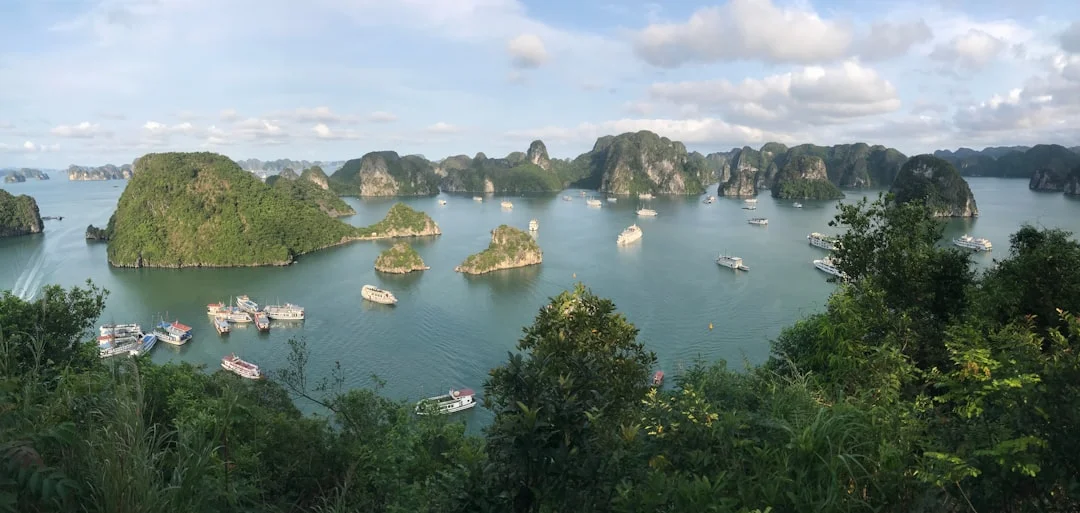
Photo by Nguyễn Văn Đức on Unsplash
Given the scale of expected visitation, the Bay Area faces a short-term but meaningful uplift in hotel demand, restaurant traffic, and ancillary services. The forecasted half-million-plus visitors, combined with Bay Area tourism infrastructure and digital fan-experience initiatives, suggests a spike in occupancy rates across key markets in San Francisco, San Jose, Mountain View, and nearby destinations. The precise impact will hinge on how effectively host-city partnerships align with hotel inventory, pricing, and the ability to convert fan attendance into longer stays that extend beyond match day windows. Historical comparisons from similar large-scale events indicate that hospitality sectors experience immediate, year-over-year demand surges followed by longer-term spillovers in convention and group-travel markets. The Bay Area’s prior experiences with mega-events—such as the Super Bowl—provide a rough directional guide for what to expect in this cycle, though the World Cup’s global footprint and multi-city design introduce distinct multiplier effects. For context, a related major sporting event in the Bay Area produced hundreds of millions in regional economic activity, illustrating the potential scale of hospitality-driven momentum. (nbcbayarea.com)
In practical terms, hoteliers and restaurateurs should monitor room-night demand, average daily rate (ADR) trends, and the conversion of fan foot traffic into on-site spending. The Bay Area Host Committee’s fundraising and engagement efforts are intended not only to fund stadium-related improvements but also to stimulate local commerce through fan programming, business-to-consumer activities, and cross-county collaborations. The economic signal from hotel and hospitality sectors will be a key early data point for policymakers and business leaders assessing the World Cup’s Bay Area economic footprint. (axios.com)
Tech and Market Trends: The Bay Area as a Catalyst
The Bay Area’s technology and market-innovation ecosystems provide a distinctive lens on how the World Cup could reshape local industries. The event is expected to accelerate the deployment of digital solutions for fan engagement, real-time mobility, security, and venue operations. The official transit pages emphasize the integration of contactless payments, QR-based fan services, and app-driven guidance to navigate match-day logistics. The emphasis on “tap-and-ride” fare payments and digital fan-navigation tools aligns with the region’s broader trend toward data-driven service delivery and consumer electronics adoption. These technology-enabled capabilities are likely to buoy Bay Area tech firms through pilot deployments, data partnerships, and service contracts tied to World Cup operations. In this context, the World Cup becomes a showcase for Bay Area innovation—potentially generating additional contracts and know-how transfer in sports-tech, payments, and mobility experiences. (511.org)
The tournament’s footprint also reinforces the Bay Area’s reputation for complex, multi-agency coordination. Transit agencies are coordinating schedules, access, and safety plans for match days, with emphasis on mitigating congestion and ensuring timely movement of fans across the region. This coordination creates opportunities for software developers, data scientists, and logistics firms to demonstrate scalable solutions—solutions that could be repurposed for future major events in the Bay Area and beyond. The Bay Area’s technology leadership, combined with the World Cup’s global audience, has the potential to accelerate the adoption of new mobility, ticketing, and security technologies that remain relevant long after the tournament concludes. (511.org)
Regional Economic Context: Public Finance and Policy Implications
The World Cup’s Bay Area footprint sits at the intersection of tourism economics, regional transportation planning, and public finance. The state’s $10 million public-safety funding for World Cup events, shared with Los Angeles, reflects a broader policy approach to high-profile events that require cost-sharing among state and regional partners. While this funding supports immediate safety needs, it also signals a willingness to invest in public infrastructure and security improvements that can yield long-term dividends in mobility, safety, and regional competitiveness. The Bay Area’s policy environment has also included targeted funding to bolster transit capacity and resilience in the face of mass events, with agencies and lawmakers highlighting the strategic importance of reliable transit as a core enabler of event-led economic activity. For local officials, the challenge is to manage near-term costs while preserving capacity for longer-term travel and tourism gains. (sfchronicle.com)
Beyond city budgets, federal funding and congressional action have implications for Bay Area transit resilience as the World Cup approaches. Regional partners have secured federal dollars and coordinated with Bay Area representatives to advance projects that support event operations, with a particular focus on transit enhancements and accountabilities for dedicated match-day services. This federal-local alignment underscores the potential for a broader capital-and-operations program that not only supports the World Cup but also strengthens the region’s long-run ability to move people efficiently during peak demand periods. The cross-jurisdictional collaboration required for World Cup success thus has the potential to catalyze ongoing improvements in Bay Area transit and mobility, with spillover benefits for daily commuters and regional competitiveness in tech-driven markets. (lofgren.house.gov)
Community and Small Business Impacts
For Bay Area small businesses, the World Cup represents both an immediate sales opportunity and a test of resilience in a high-visibility economic window. The influx of international visitors is expected to ring-fence certain demand pockets for hospitality, food and beverage, retail, and entertainment. Community-focused initiatives, such as watch parties and fan zones, can amplify local engagement while generating revenue for smaller operators near stadium precincts and transit hubs. However, the event also poses potential disruptions, including traffic restrictions, temporary detours, and capacity constraints around fan zones and major transit corridors. Transparent, proactive communication from host committees and city authorities will be essential to helping small businesses prepare and adapt. The Bay Area Host Committee’s work with local governments and business groups aims to align fundraising, sponsorship, and community programming with the needs of small, locally owned enterprises. (bayareahostcommittee.com)
The broader fiscal backdrop involves the balancing of costs and benefits for Santa Clara and surrounding communities. Santa Clara’s financial arrangements—designed to reimburse the city for eligible World Cup-related expenditures—reflect a careful approach to public finance that weighs short-term outlays against potential long-run economic gains. While the event’s economic impact is anticipated to be positive, the precise distribution of benefits across hotel occupancy, dining, retail, and service sectors remains dynamic and dependent on ticket demand, fan behavior, and regional coordination efforts. Local media coverage and government briefings have highlighted the scale of the opportunity while stressing the need for prudent management of public resources. (bayareahostcommittee.com)
Section 3: What’s Next
Timeline and Milestones
The World Cup timeline for the Bay Area revolves around a tightly scoped set of match days and fan-programming windows in June 2026. Levi’s Stadium will host six games between June 13 and July 1, 2026, with an accompanying fan-zone ecosystem and city-led initiatives aimed at sustaining engagement through the event’s conclusion. As the date approaches, the Bay Area Host Committee and regional partners will finalize security, transportation, and hospitality contracts, aligning funding streams with project milestones and performance metrics. The Bay Area is also preparing for potential post-event legacies—ranging from enhanced transit service hours to stronger partnerships with the tech and tourism sectors—that could extend the World Cup’s economic and cultural impact beyond the six match days. The official FIFA and Bay Area host communications emphasize staged, transparent progress updates as the event draws nearer. (fifa.com)
What to Watch For
Several indicators will signal how effectively the Bay Area converts World Cup activity into measurable economic and social benefits. First, hotel occupancy and room-night data across Bay Area markets will be a primary early metric, reflecting whether the region meets, surpasses, or falls short of occupancy and ADR targets during the tournament window. Second, transit usage and ridership patterns on match days will reveal the efficacy of the integrated mobility plan—especially the efficiency of late-night service and cross-system transfers that connect fans to Levi’s Stadium and fan zones. The 511 transit site and Bay Area Host Committee communications outline the transportation changes fans should anticipate, including special-event trains, detours, and ride-sharing guidance. Third, fan-zone attendance and related consumer spending at Chase Center and other venues will provide a gauge of the World Cup’s broader cultural and commercial footprint in the Bay Area. Finally, ongoing fundraising progress and private sponsorship milestones will indicate whether the public funding mix is meeting expectations and whether private partners see long-term value in Bay Area exposure and hospitality collaboration. (511.org)
As the Bay Area prepares for the World Cup, observers will also be watching for how the event interacts with ongoing regional priorities. The World Cup’s Bay Area footprint should be evaluated in the broader context of California’s public safety and transportation investments, including federal and state funding for mass transit improvements and security. In parallel, the technology community will likely view the World Cup as a real-world test case for fan engagement platforms, real-time data analytics, and cloud-enabled logistics optimization—areas where the Bay Area is a global leader. The coming months will reveal how these elements converge to deliver a safe, dynamic, and economically meaningful experience for residents and visitors alike. (sfchronicle.com)
What Local Stakeholders Say to Watch
Key voices in the Bay Area Host Committee and city governments emphasize the strategic importance of this World Cup for the region’s brand, its economy, and its infrastructure. The Bay Area Host Committee has repeatedly framed the World Cup as a platform to showcase Bay Area innovation and to demonstrate the region’s capacity to deliver complex, multi-city logistics in a high-profile setting. The organization’s leadership has highlighted fundraising milestones, the engagement of diverse counties and cities, and partnerships with the private sector to realize a comprehensive event program. Additionally, policymakers are monitoring the alignment of state and federal funding with local priorities, ensuring that the World Cup yields tangible benefits for transportation networks, public safety, and the hospitality sector. This policy-framed lens will shape how the World Cup is perceived in local discourse: as a catalyst for near-term economic activity and a testbed for durable improvements in mobility, security, and visitor experience. (bayareahostcommittee.com)
Closing
The Bay Area’s involvement in the 2026 FIFA World Cup represents more than a six-match slate at Levi’s Stadium. It is a test of regional coordination, a signal about the Bay Area’s attractiveness to global visitors, and a measurable opportunity to translate sports tourism into a broader, technology-enabled economic uplift. The World Cup’s Bay Area footprint—anchored by Levi’s Stadium, the Bay Area Host Committee, and a network of public and private partners—illustrates how a data-driven approach to event planning can harness the region’s strengths in transportation, hospitality, and innovation. As June 2026 approaches, the Bay Area will be watching closely: does the fan economy translate into sustenance for local businesses, a lift for hospitality markets, and a lasting legacy for mobility and public safety? The answer will emerge through real-time data, transparent reporting, and the continuous collaboration of diverse stakeholders dedicated to a successful World Cup experience in the Bay Area.
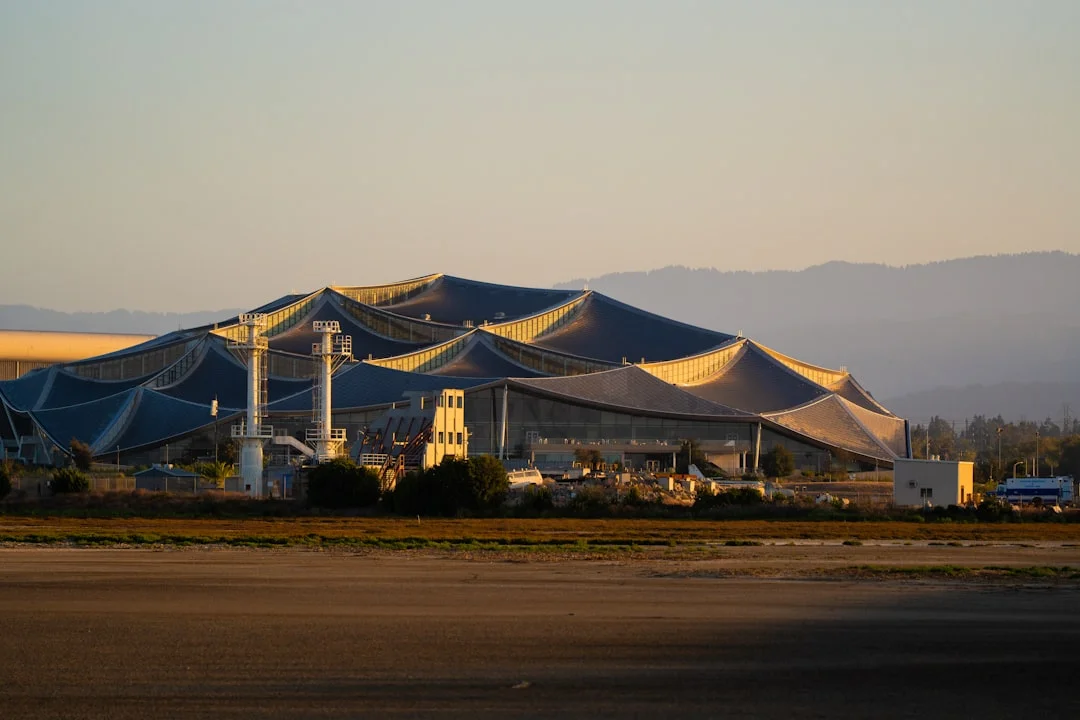
The Bay Area’s road ahead for the World Cup is shaped by a structured plan that blends public investment with private generosity, and it hinges on the region’s ability to deliver a safe, accessible, and vibrant event that respects both the local community and the global audience. With the schedule set, the fiscal framework in place, and the transit and fan-experience programs taking shape, Bay Area residents can anticipate a carefully managed, data-driven approach to a high-profile championship that will leave a long tail of economic activity, technology-driven improvements, and a strengthened sense of regional readiness for future mega-events. As stakeholders finalize plans and communities prepare for the on-site and off-site activities, the Bay Area stands ready to welcome the world and to learn from the experience—so the Bay Area 2026 World Cup economic impact can be measured not just in dollars, but in the enduring vitality it brings to the region’s economy, technology sector, and public life. (axios.com)