Bay Area 3D-Printed Housing Pilot Update

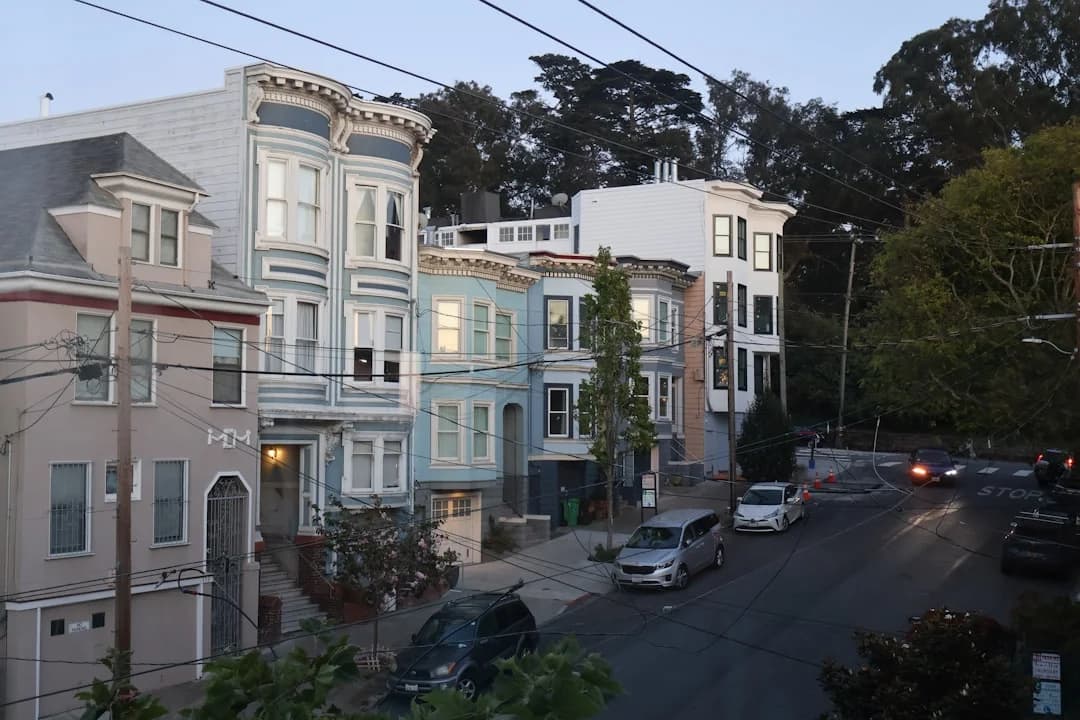
Photo by Letizia Aquilino on Unsplash
The Bay Area is watching a high-profile experiment in housing technology unfold under a program widely framed as a testbed for faster, more affordable, and greener homes. On December 14, 2023, Mighty Buildings, together with Lawrence Berkeley National Laboratory (LBNL) and Habitat for Humanity, announced a $5 million grant from the California Energy Commission to develop what the partners describe as the Bay Area 3D-Printed Housing Pilot. The project aims to demonstrate zero- or near-zero-carbon, modular townhomes that could stand as a model for future Bay Area housing initiatives, especially for families earning modest incomes. The announcement positioned the Bay Area pilot as a tangible step toward marrying cutting-edge construction technology with a region grappling with chronic housing affordability and emissions concerns. (mightybuildings.com)
The plan centers on creating three advanced, low-carbon townhomes on a single site in Bay Point, Contra Costa County, within the broader San Francisco Bay Area. The walls would be printed at Mighty Buildings’ Oakland facility, with onsite assembly expected to be completed within a few days once the components arrive. Beyond the bricks-and-mortar realities, the project includes a suite of research and manufacturing innovations—ranging from a solar-plus-storage envelope to a new energy-efficient panel and a dedicated training program for Habitat for Humanity’s workforce. The effort is framed as a joint effort to accelerate learning about affordability, resilience, and scalability in modular construction while delivering real homes to families earning 80% of the area median income (AMI) or less. The project signals a broader commitment to rethinking how housing can be built in a region already testing ambitious climate and housing goals. (mightybuildings.com)
This Bay Area 3D-Printed Housing Pilot sits at a nexus of policy, technology, and market forces. It aligns with California’s broader push to foster low-emission housing using innovative manufacturing methods and modular design, a policy strand foregrounded in state energy and building initiatives and related funding programs. The California Energy Commission’s grant—the centerpiece of the effort—was issued under a program to spur advanced modular homes in disadvantaged areas, with Bay Point identified as the demonstration site and climate-zone specifics acknowledged in project documentation. In practice, the project is being designed to test a complete package: offsite 3D-printed walls, rapid onsite assembly, solar generation, energy storage, and high-efficiency electric equipment—all within a framework intended to reduce long-term ownership costs. (ceqanet.lci.ca.gov)
Opening up Bay Area housing discussions to a saleable, scalable 3D-printed approach is not occurring in a vacuum. The Bay Point demonstration reflects a convergence of state incentives, university research, and nonprofit housing missions, with the aim of establishing a repeatable, cost-effective model that can be adapted to other Bay Area communities facing affordability challenges. The collaboration leverages LBNL’s energy and manufacturing analytics, Habitat for Humanity’s on-the-ground housing expertise, and Mighty Buildings’ manufacturing and printing capabilities. The result is a story that blends technology and social impact, with implications for how the region might approach housing supply and energy performance in the years ahead. (mightybuildings.com)
What Happened
Grant and Partners
- A California Energy Commission grant of $5,000,000 (grant EPC-23-019) was awarded to design and build advanced modular homes in a disadvantaged area of Bay Point, Contra Costa County, within Bay Area climate zones. The recipients are Lawrence Berkeley National Laboratory (as the design and research lead), Mighty Buildings (as the printing/manufacturing partner), and Habitat for Humanity with local Bay Area affiliates as programmatic implementers. The grant document and related notices confirm the scope: three townhome units on a single site, incorporating solar and energy storage and high-efficiency electric heating, ventilation, and air conditioning. The plan emphasizes a pathway to lower energy costs and a lower total cost of ownership over ten years. (ceqanet.lci.ca.gov)
- Mighty Buildings would print the homes’ walls at its Oakland factory, enabling a rapid onsite assembly process once components arrive at the Bay Point site. The collaboration also includes a training component designed to upskill local labor, with Habitat for Humanity playing a central role in workforce development as part of the broader program. The leadership quote from Mighty Buildings’ CEO underscores the program’s broader objectives: “The collaboration reflects our commitment to innovation, sustainability, and our community.” (mightybuildings.com)
Project Scope and Timeline
- The Bay Point project is explicitly described as a demonstration: three advanced, low-carbon townhouses on a single site. The climate-zone designation for the Bay Point location (Contra Costa County, Climate Zone 12) is noted in California Energy Commission and CEQA documentation, reflecting the project’s environmental and regulatory framing. The on-site goal includes high-efficiency electric equipment and integrated solar-plus-storage components, with the intention of evaluating performance against energy-use targets and total-cost-of-ownership benchmarks. (ceqanet.lci.ca.gov)
- The manufacturing plan involves changes to the Mighty Buildings’ Oakland production line to accommodate the panelized, 3D-printed wall assemblies and the pilot’s specific energy and performance requirements. The UPGRADE program documentation from the California Energy Commission confirms this manufacturing adjustment as part of the grant’s scope, signaling a direct link between policy incentives and industrial adaptation. (ceqanet.lci.ca.gov)
- In its initial description, the press release notes that the on-site construction could be completed quickly due to the prefab nature of the walls and the panelized approach, with a forecast of rapid assembly compared with traditional construction timelines. The project’s stated objective is to finish onsite assembly within days after components arrive, followed by testing and commissioning to validate performance targets. This rapid sequencing is central to the pilot’s value proposition for scalability if outcomes are favorable. (mightybuildings.com)
Construction and Manufacturing Details
- Wall panels printed offsite at Mighty Buildings’ Oakland facility form the core of the modular approach. This offsite fabrication is coupled with on-site assembly intended to minimize construction waste and shorten project timelines compared with conventional methods. The press release emphasizes the potential for faster delivery and lower environmental impact, consistent with Mighty Buildings’ broader market messaging. (mightybuildings.com)
- A standout feature of the pilot is the “cool room” concept, which combines solar photovoltaic generation with a compact battery system and a high-performance building envelope to reduce peak energy demand and increase resilience during grid stress. This design choice aims to deliver greater reliability during outages and temperature extremes while supporting lower utility bills over the course of a decade. The proposal outlines expected savings, with projections of a 10-year total cost of ownership reduction and potential improvements to energy billing stability. (mightybuildings.com)
- Beyond energy considerations, the project includes development of a new, energy-efficient panel design and onsite test kits for structural waterproofing and other performance metrics. The intent is to accelerate the certification process for prefab housing technologies and to feed into broader manufacturing cost models that could be applied to future modular housing projects. LBNL is expected to contribute an energy- and manufacturing-cost model based on Mighty Buildings’ inputs, signaling a data-driven path toward broader deployment if pilot results prove favorable. (mightybuildings.com)
Key Facts at a Glance
- Project name: Bay Area 3D-Printed Housing Pilot (as depicted in the grant and program materials)
- Location: Bay Point, Contra Costa County, California (Bay Area)
- Partners: Mighty Buildings; Lawrence Berkeley National Laboratory; Habitat for Humanity (San Francisco Bay Area)
- Funding: $5,000,000 California Energy Commission grant (GFO-22-305)
- Scope: Three advanced, low-carbon townhomes on a single site; offsite wall printing; onsite assembly; solar plus energy storage; high-efficiency electric equipment
- Timeline: Planning and design work to be performed at LBNL; manufacturing changes at Mighty Buildings’ Oakland facility; production slated for 2024; initial onsite assembly could occur within days after components are delivered
- Target beneficiaries: Families earning 80% AMI or less, via Habitat for Humanity partnership
- Regulatory context: Demonstration under California energy and building-program frameworks; CEQA review and BUILD program alignment documented in state filings. (mightybuildings.com)
Why It Matters
Affordability and Energy Performance Impacts

- If the Bay Area 3D-Printed Housing Pilot meets its stated targets, it could demonstrate a pathway to lowering long-term housing costs for low- to moderate-income families. The project’s ten-year total cost of ownership (TCO) reduction target—initially articulated as a 25% reduction relative to a standard, non-optimized modular home, with potential increases to 35% at scale—highlights a core hypothesis: that upfront capital efficiency and ongoing energy savings can translate into meaningful affordability improvements over time. This is not merely about price tags; it’s about lifecycle costs and predictable energy spend in a region where utility bills and maintenance can significantly affect household budgets. (mightybuildings.com)
- The Bay Area context matters. The region has long been exploring innovative approaches to housing supply, affordability, and climate resilience within a complex regulatory and market environment. The pilot aligns with state and regional discussions about how to accelerate housing production while improving environmental performance. State documents and regional planning discussions show ongoing attention to how modular, prefab, and 3D-printed housing concepts could contribute to broader housing goals if pilots demonstrate viability at scale. (planbayarea.org)
Resilience, Grid Interactions, and Innovation
- The “cool room” concept—solar PV paired with a compact battery and an efficient envelope—is designed to shift loads and reduce peak demand, potentially improving grid resilience in a stressed energy market. This is particularly relevant in California, where grid reliability and energy cost volatility are ongoing policy concerns. If successful, the approach could influence future building standards and incentives around energy-efficient modular housing at scale. The pilot’s emphasis on energy performance modeling underscores a broader aim: to translate pilot results into repeatable design rules and cost models that other developers can adapt. (mightybuildings.com)
- The project also invests in capacity-building through Habitat for Humanity’s training program. Upskilling local workers in panelized prefab construction could help expand local job opportunities and provide a workforce pipeline for future Bay Area projects that use similar manufacturing workflows. This element situates the pilot within a broader social and economic narrative about inclusive, sustainable growth in the region. (mightybuildings.com)
Regulatory Context and Policy Relevance
- The Bay Area pilot is nested within state and regional policy frameworks that support low-emission construction, energy efficiency, and innovative housing delivery methods. The California Energy Commission’s BUILD program and related notices provide a governance backdrop that encourages pilots and demonstrations for advanced modular housing. The fact that the project’s funding and site location are defined in state documents helps anchor the pilot within a credible policy environment, improving the prospect that learnings could be codified into policy or financing mechanisms for broader deployment. (ceqanet.lci.ca.gov)
Who Is Positioned to Benefit and How
- Low- and middle-income Bay Area families stand to gain if the pilot yields scalable, cost-effective, energy-efficient housing. Habitat for Humanity’s involvement signals a mission alignment with affordable homeownership and community uplift, rather than purely market-rate development. The project’s explicit AMI target (80% or less) anchors the effort in a family-centered affordability frame rather than speculative luxury housing. (mightybuildings.com)
- The Bay Area’s construction ecosystem could benefit as well if the pilot proves successful. The collaboration links manufacturing, research, and nonprofit housing practice in a way that could lower barriers to repeatable, high-quality prefab production for multi-unit residential projects. LBNL’s role in developing energy and manufacturing-cost models suggests a potential blueprint for future projects that want to quantify economics and environmental performance early in the development cycle. (energyanalysis.lbl.gov)
Broader Market Context
- The Bay Area’s adoption of 3D-printed housing pilots sits within a larger national and global conversation about scalable, climate-resilient home construction. While several 3D-printed housing efforts have drawn attention across different markets, the Bay Point project is notable for its explicit coupling of performance targets with a real, on-site demonstration in an expensive urban region. If outcomes validate the model, more Bay Area sites and similar climate zones could be targeted to test replication potential. This aligns with ongoing industry analysis about how modular printing, prefabrication, and offsite manufacturing can accelerate housing delivery under cost and emissions constraints. (3dprint.com)
What’s Next
Near-Term Steps and Milestones
- The immediate next phase involves finalizing design work at LBNL, adjusting Mighty Buildings’ Oakland manufacturing line to accommodate the Bay Point pilot’s specific wall assemblies and system integrations, and preparing the Bay Point site for on-site assembly and commissioning once all components are in place. The grant’s documented path anticipates design and factory adjustments in 2023–2024 with production slated for late 2024, marking a milestone for the program’s transition from planning to real-world construction. The timeline reflects a measured approach to risk—acknowledging the regulatory and technical hurdles that come with introducing a new building technology in a high-cost market. (ceqanet.lci.ca.gov)
- In parallel, the research team aims to develop an energy-and-manufacturing-cost model that could inform future prefab and modular projects across California and beyond. LBNL’s involvement points to a data-driven mechanism for evaluating performance across multiple dimensions—energy consumption, manufacturing efficiency, and lifecycle economics—so that the pilot can produce actionable insights for policymakers, developers, and financiers. The model’s intent is to create a knowledge base adaptable to other Bay Area contexts and similar climate zones, not just a single demonstration. (mightybuildings.com)
What to Watch For
- On-site progress updates and performance data from the Bay Point site will be crucial for assessing the pilot’s promise. The collaboration’s emphasis on rapid assembly and on-site testing means readers should expect early indicators of construction speed, unit quality, and early energy performance once construction commences. Regular briefings from Mighty Buildings, Habitat for Humanity Greater San Francisco Bay Area, and LBNL will be essential to track milestones and any course corrections. (mightybuildings.com)
- Policy developments at the state and regional levels could influence the pilot’s trajectory. If the Bay Point project demonstrates favorable energy performance and cost outcomes, it may feed into broader discussions about permitting, building codes, and financing for prefab housing and modular construction in the Bay Area. Observers should watch for updates to BUILD program guidelines, regional planning documents, and any new procurement or financing mechanisms that reference successful pilots. (energy.ca.gov)
Implications for Bay Area Housing Strategy
- The Bay Area has long faced a housing affordability challenge, with demand outpacing supply and energy costs compounding residents’ financial pressures. A successful Bay Area 3D-Printed Housing Pilot could demonstrate a replicable approach to delivering affordable units more rapidly while achieving energy-performance targets that complement climate goals. The pilot’s three-unit scope is deliberately modest, but its design emphasizes scalability and transferable learnings. If the model proves economically viable, it could influence future Bay Area housing strategy, including potential de-risking mechanisms for modular construction pilots and broader adoption across county programs and Habitat affiliates. (ceqanet.lci.ca.gov)
What Happens Next
Timeline and Next Steps
- The partners outline a staged process: complete design and planning activities at LBNL, update and adapt Mighty Buildings’ Oakand facility to support the Bay Point project, and advance toward on-site assembly and commissioning in late 2024. The plan envisions ongoing collaboration with Habitat for Humanity to extend workforce training and community engagement as part of the demonstration’s added value. The documentation consistently ties these steps to the grant’s milestones, reinforcing a disciplined, phased approach to a high-stakes demonstration. (ceqanet.lci.ca.gov)
- The broader objective is not simply to deliver three homes but to generate a replicable framework for future modular housing in the Bay Area and similar markets. The energy-cost model and manufacturing-change strategies developed during the Bay Point pilot are intended to inform subsequent projects, potentially guiding policymakers, developers, and lenders as they evaluate the viability of scalable 3D-printed housing in climate-conscious economies. This longer-term view situates the Bay Point pilot within a continuum of innovation that could reshape how the Bay Area approaches housing delivery and energy efficiency. (energyanalysis.lbl.gov)
What to Watch For After 2024
- If production proceeds as planned, 2024 would mark a pivotal year for the Bay Area 3D-Printed Housing Pilot. Observers should monitor milestones such as factory-to-site handoffs, on-site assembly progress, early energy performance data, and any lessons learned that the consortium credits to the 3D-printed approach. The project’s emphasis on near-term cost reductions and longer-term TCO benefits is designed to yield measurable metrics that can be benchmarked against traditional construction or other prefab methods. (mightybuildings.com)
- Given the Bay Area’s dynamic policy and regulatory environment, additional updates could come from state and regional energy and housing programs, including refinements to modeling tools, cost estimation methods, and potential scaling incentives for modular housing. Stakeholders across government, academia, and nonprofit housing networks will likely watch closely as data from Bay Point emerges and informs subsequent pilots or broader deployments. (energy.ca.gov)
Closing
The Bay Area 3D-Printed Housing Pilot represents a carefully staged experiment at the intersection of technology, policy, and social impact. By combining Mighty Buildings’ 3D-printed wall panels with Lawrence Berkeley National Laboratory’s energy and cost modeling, and Habitat for Humanity’s community-based housing mission, the Bay Point demonstration embodies a practical test of whether cutting-edge manufacturing can meaningfully advance affordable housing in one of the nation’s most expensive regions. The program’s explicit focus on energy efficiency, cost-of-ownership reductions, and workforce development suggests that its influence could extend beyond a single site, potentially informing a broader shift in how the Bay Area approaches housing production in an era of climate risk and housing scarcity. As the data from this pilot becomes available, readers and policymakers will be watching closely to determine whether Bay Area 3D-Printed Housing Pilot can translate promise into scalable practice, and what that could mean for the region’s long-term housing affordability and energy resilience. (mightybuildings.com)