
Bay Area All-electric Ferry Link SF-Marin Debuts
A neutral, data-driven update on the Bay Area all-electric ferry link SF-Marin and its regional transportation implications.
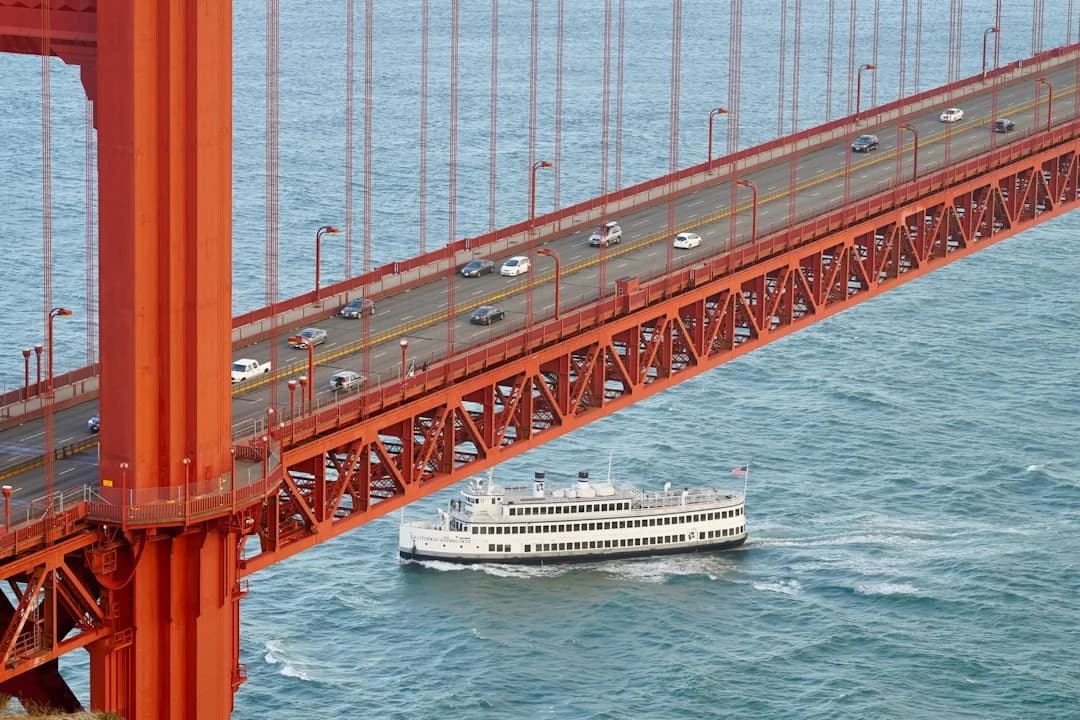
The Bay Area is moving toward a Bay Area all-electric ferry link SF-Marin as part of a broad, state-backed push to electrify water transit. Officials disclosed that the SF Bay Ferry system’s Rapid Electric Emission-Free (REEF) initiative is advancing from planning into construction, with the first battery-electric ferries expected to join the fleet in early 2027. The development is being watched closely by regional planners, environmental advocates, and commuters who want cleaner, more reliable transit across the Bay. This is a pivotal moment for the Bay Area’s transportation landscape, and it carries tangible implications for emissions, traffic, and regional resilience. The Bay Area all-electric ferry link SF-Marin concept is moving from a plan on paper to an emerging, testable service pattern as part of a wider electrification push that touches Treasure Island, Downtown San Francisco, and potential future connections to Marin County. (bayareacouncil.org)
New milestones announced in the last year show the scope of the effort. In addition to the three 150-passenger battery-electric ferries being built for SF Bay Ferry, the broader program contemplates a larger, 400-passenger electric vessel as part of the same REEF family. This larger vessel is positioned to replace an existing diesel high-speed ferry and support rapid charging at key terminals, including Mission Bay and Downtown San Francisco. The project is anchored by a substantial federal grant and a broader local-government investment plan that pairs port infrastructure upgrades with new vessel procurement. The magnitude of funding and the speed of the schedule underscore a deliberate, data-driven approach to reducing transportation emissions while maintaining high-capacity service for Bay Area residents. (sfport.com)
Opening lead facts point to a narrative in which a multi-agency coalition — including the Port of San Francisco, SF Bay Ferry (WETA), SFPUC, and the Working Waterfront Coalition — set the stage for a transition to zero-emission ferries. A key stepping stone was the EPA Clean Ports Program grant, announced in October 2024, which awarded more than $55 million to fund critical electrification components: shore power at key terminals, a new zero-emission high-speed vessel, and related infrastructure. The grant’s terms are complemented by matching funds from city and state partners, enabling a phased rollout that supports both new vessels and terminal upgrades. The total project budget reflects a broader, multi-year vision for electrification across the waterfront. (sfport.com)
As part of the same wave of progress, Treasure Island electric ferry service moves from planning to early implementation discussions. In May 2024, the SF Bay Area Transportation Authority (MTC) and related regional bodies signaled seed funding for Treasure Island service, with plans to connect Treasure Island to the Ferry Building while expanding electrification to Mission Bay and Berkeley-related routes. The SFCTA has highlighted a phased approach: Treasure Island service could be operational by 2026, followed by longer routes that could include direct East Bay–Marin connections as part of a longer-range service vision. These steps collectively support the idea of a Bay Area all-electric ferry link SF-Marin as a future, strategic outcome rather than a standalone, one-off project. (sfcta.org)
Section 1: What Happened
SF Bay Ferry REEF Fleet: A three-vessel order
The SF Bay Ferry board authorized a major procurement for battery-electric replacement ferries as the core of the REEF program. Marine Log reported that SF Bay Ferry’s board authorized the purchase of America’s first three battery-electric, zero-emission high-speed passenger ferries from All American Marine (AAM) for about $46 million, with an option for a fourth 150-passenger vessel. The three electric vessels are scheduled to join the SF Bay Ferry fleet in early 2027, marking a milestone in the region’s shift to electric propulsion for commuter transit. This contract reflects a strategic step in decarbonizing Bay Area commuting while preserving the rapid, high-frequency service that riders expect. The project also contemplates a separate plan to purchase two 400-passenger high-speed, battery-electric ferries to operate transbay routes connecting Oakland and Alameda to San Francisco. The REEF program is designed to deliver a mix of new 150-passenger ferries and larger 400-passenger assets as part of a broader electrification strategy. > “The three vessels will be the first delivered as part of SF Bay Ferry’s Rapid Electric Emission Free (REEF) Ferry Program, with the first expected to join the fleet in early 2027,” the article notes, along with the broader electrification ambitions. (marinelog.com)
Funding and Infrastructure Milestones
The REEF program is supported by a package of public funding and infrastructure investments that aim to deliver zero-emission vessels alongside shoreside electrification. The EPA Clean Ports grant awarded in October 2024, totaling about $55.4 million, funds four key components: a zero-emission 400-passenger high-speed ferry, Mission Bay Ferry Landing construction, electrification at the Downtown San Francisco Ferry Terminal, and a maritime workforce development program. The grant requires a match, and SF Bay Ferry, SFPUC, and the Port of San Francisco are coordinating to deliver the required funds and integrate new infrastructure with existing terminals. The project’s total budget is listed at approximately $70.9 million, with $55.4 million in EPA funding and the balance in matching funds from SF Bay Ferry, SFPUC, and local sources. The plan also includes shore power and docking infrastructure to enable rapid charging for the new electric vessels and to replace emissions from older diesel ferries. (sfport.com)
The Port of San Francisco documents lay out a concentrated deployment schedule: design in 2024–2023, procurement and bidding into 2025–2026, and substantial completion by 2027, with the operation of a new zero-emission electric vessel by 2026 as a pilot in the ongoing transition. The plan highlights the installation of shore power at Downtown and Mission Bay terminals, along with the replacement of legacy diesel ferries with electric propulsion. The budget also includes a workforce development program to train operators, mechanics, and shore-side technicians to support the new fleet. (sfport.com)
In addition to the three 150-passenger REEF vessels, the program contemplates the acquisition of two 400-passenger electric ferries to support transbay service, a major scale-up that would significantly increase capacity on peak commuting periods. A California environmental review document (CEQANET) confirmed the WETA plan to acquire two new all-electric 400-passenger vessels, part of the REEF program, to replace existing diesel ferries on major routes including Downtown San Francisco to Oakland and Alameda. The project documents also note the expected operation of a high-speed, 400-passenger electric vessel as part of the broader REEF rollout and the route expansions tied to these assets. (ceqanet.lci.ca.gov)
Timeline and Key Dates
- May 2024: The EPA Clean Ports grant application is submitted for the San Francisco Waterfront Emissions-Free Ferry System, seeking funds to electrify four components, including the Mission Bay landing and the new electric vessel. (sfport.com)
- October 2024: EPA selects the Port of San Francisco and SF Bay Ferry to receive the full funding for the project’s four components, including the electric vessel and terminal electrification. (sfport.com)
- December 16, 2024: SF Bay Ferry’s board approves a $46 million contract with All American Marine to build the three 150-passenger battery-electric vessels, with an option for a fourth 150-passenger vessel. This marks the formal start of a multi-vessel BEV rollout. (marinelog.com)
- December 17, 2025: Bay Area Council reports the keel-laying milestone for the first battery-electric ferry, a sign that construction and integration are moving ahead on schedule. The Bay Area Council notes that the vessel is the first of three BEV ferries, with a potential fourth option, as part of the REEF program. (bayareacouncil.org)
- Early 2027: The first of the REEF ferries is expected to enter revenue service with SF Bay Ferry, marking the start of a new era in Bay Area water transit. This milestone aligns with both manufacturer timelines and the Bay Area Council reporting. (marinelog.com)
- 2026–2027: Treasure Island electric ferry service is being advanced as part of the broader electrification plan, with the first electric vessel expected to serve Treasure Island by 2026 and subsequent expansions planned for Mission Bay, Berkeley, and other terminals. While not all routes are finalized, the timeline demonstrates a deliberate, phased approach to electrification across multiple corridors. (sfcta.org)
- 2025–2026 onward: California’s Blueprint for Zero-Emission Ferry Infrastructure, financed by the California Energy Commission (CEC) and prepared for WETA and Aurora Marine Design, outlines a phased approach to electrifying WETA’s fleet, with milestones to deploy zero-emission ferries across multiple terminals over the next 5 to 15 years. This blueprint emphasizes the strategic, long-range planning required to support an all-electric Bay Area ferries network, and it is frequently cited by policymakers and operators as the technical road map for the region. (energy.ca.gov)
Section 2: Why It Matters
Emissions Reduction Potential
The electrification program has a built-in emphasis on reducing maritime emissions, which are a meaningful portion of the Bay Area’s transportation footprint. The California Energy Commission’s Blueprint for Zero-Emission Ferry Infrastructure frames the transition as a long-term, multi-phase effort designed to replace diesel high-speed ferries with electric propulsion. The blueprint notes that zero-emission high-speed ferries face current technical challenges, including ensuring battery power sufficiency for peak commute schedules and the need for robust shoreside charging infrastructure. The document concludes with a phased plan to address these challenges, indicating that a multi-year effort is required to progressively substitute traditional ferries with electric equivalents, and that grid upgrades and interconnection to the electrical distribution system must be coordinated with utility partners. The document highlights that the effort aligns with CARB regulations and California climate goals by delivering a scalable decarbonization path for Bay Area ferry operations. (energy.ca.gov)
EPA funding and terminal electrification projects reinforce this emphasis on decarbonization. The EPA Clean Ports Program grant supports the Mission Bay Landing, terminal electrification at Downtown San Francisco, and a new electric vessel, all of which are designed to reduce ferry-associated emissions while maintaining service levels. The combination of vessel electrification and charging infrastructure is crucial to achieving meaningful, measurable reductions in greenhouse gas emissions and local air pollutants in San Francisco and surrounding communities. (sfport.com)
As a practical matter, the emission reductions extend beyond the ferry fleet to the communities surrounding key terminals. Port of San Francisco planners emphasize that the project’s aim is to deliver first-in-the-nation zero-emission ferry service that would significantly lower diesel emissions in urban waterfront districts, contributing to air quality improvements in neighborhoods that bear a disproportionate share of transport-related pollution. This aligns with broader state policy goals for clean air and climate resilience. (sfport.com)
“This investment will connect new neighborhoods in San Francisco and lay the groundwork for widespread regional and national adoption of zero-emission water transit,” said Bay Area Ferry program leadership, underscoring the broader significance beyond the Bay Area. (marinelog.com)
Regional Mobility and Equity Considerations
The REEF program and Treasure Island electrification push have notable mobility implications for the region. The SFCTA’s Treasure Island post outlines a vision for a multi-terminal electric ferry network that would tie together Downtown San Francisco, Treasure Island, Berkeley, Redwood City, and other communities as the network grows. The plan emphasizes equitable access and workforce development as integral elements of the rollout, aiming to expand transit options for underserved communities while creating local jobs in maintenance, operation, and infrastructure. The plan’s emphasis on public accessibility, cross-county connections, and workforce development aligns with regional equity goals and the Transport 2050 framework that guides Bay Area transit planning. (sfcta.org)
In parallel, SF Bay Ferry and WETA’s investments are positioned to increase transit reliability, reduce car dependency on congested Bay Area corridors, and provide a cleaner alternative for daily commutes. The first phase’s anchor routes, including the Treasure Island corridor and Downtown San Francisco, create new cross-bay mobility options and help diversify travel options for residents. As planning matures, there is growing attention to how these routes intersect with Marin County’s ferry services, which currently connect San Francisco to Larkspur and Sausalito via Golden Gate Ferry. The potential for expanded Marin connections is discussed in multiple planning documents and public statements, signaling that the Bay Area all-electric ferry link SF-Marin could eventually become a feasible cross-county option rather than a hypothetical scenario. (sfcta.org)
Economic Impact and Industry Innovation
The BEV transition in Bay Area ferries is more than an environmental initiative; it’s a driver of industrial innovation and local economic activity. The SF Bay Ferry REEF program has spurred collaboration with manufacturers, naval architects, propulsion suppliers, and battery developers. The Marine Log coverage of the AAM contract highlights the involvement of Teknicraft and Aurora Marine Design in the vessel concept, as well as Wärtsilä’s propulsion integration, illustrating how the Bay Area is fostering a domestic ecosystem around electric ferry technology. The program has already generated substantial funding—Marine Log notes roughly $200 million secured from local, state, and federal sources to implement REEF—including new vessels, terminal upgrades, and supporting infrastructure. The ripple effects extend to jobs in design, construction, and operation, potentially creating a knowledge base that could support broader export opportunities for Bay Area maritime technology. (marinelog.com)
The Bay Area Council’s reporting on the keel-laying event emphasizes the regional leadership role in maritime electrification. The narrative positions the Bay Area as a testbed for a national shift to zero-emission water transit, which could have implications for other port cities and coastal regions seeking to replicate a similar model. The article quotes Bay Area Ferry leadership noting the project’s potential to “connect new neighborhoods in San Francisco and lay the groundwork for widespread regional and national adoption of zero-emission water transit,” which underscores the strategic importance of the REEF program beyond local transportation needs. (bayareacouncil.org)
Section 3: What’s Next
Near-Term Milestones and Deployments
The next 12–24 months will be a critical window for the REEF program and the Bay Area’s broader electrification strategy. Expected developments include the completion of the design and procurement for the three 150-passenger BEVs, the roll-out of shore-side charging and substation enhancements at Downtown San Francisco and Mission Bay, and the conversion of the hydrodynamic propulsion systems to electric. The SF Port’s planning documents outline a multi-year construction and commissioning schedule, with substantial completion and revenue service of the new electric ferries anticipated by 2027, followed by a more expansive phase that includes the 400-passenger electric vessel. Observers will watch for the confirmation of service patterns, including how these new electric ferries integrate with existing routes and whether pilot services on Treasure Island and the Mission Bay corridor expand to Marin-related terminals in subsequent years. (sfport.com)
From a technology perspective, the REEF program’s design emphasizes high-speed electric propulsion, battery energy storage systems (BESS), and shore-power charging, all integrated with a robust power grid and utility interconnections. The California Energy Commission blueprint reinforces the importance of grid readiness and the coordination between utility providers (PG&E, AMP, SFPUC) and port authorities to ensure consistent, reliable service while reducing emissions. Stakeholder engagement and grid modeling have been central to determining the sequencing of routes and the essential charging infrastructure needed at each terminal. This work will shape how quickly the Bay Area can scale from pilot electrification to fully electric operation across a broader set of routes, potentially including Marin connections as part of future expansions. (energy.ca.gov)
Marin Connections and the Path to a Bay Area All-Electric Ferry Link SF-Marin
Although the current REEF sequence emphasizes connections to Treasure Island, Mission Bay, and East Bay routes, planning documents repeatedly reference broader regional integration, including East Bay–Marin County service and direct Marin links as a longer-term objective. The SFCTA’s Treasure Island piece notes that the second phase of expansion envisions extending service beyond San Francisco proper to other Bay Area communities, with explicit mentions of East Bay–Marin County service as a potential future route. This framing is significant because it places Marin County squarely within the horizon of electrified ferry service as a credible goal, contingent on continued funding, terminal upgrades, and inter-agency coordination. For readers tracking the Bay Area all-electric ferry link SF-Marin, this is a signal that a Marin connection could become part of the formal service plan as electrification proceeds and infrastructure is expanded. (sfcta.org)
Golden Gate Ferry, which currently operates service between San Francisco and Marin County (to Sausalito and Larkspur) as a separate system from SF Bay Ferry, provides additional context for potential future interconnections. The Golden Gate Ferry’s official general information pages emphasize that Marin County routes connect to San Francisco, with regular service across the Golden Gate strait. As electrification proceeds and new facilities come online, service integration concepts may emerge that consider cross-system coordination, shared terminal upgrades, and harmonized schedules to maximize rider convenience and minimize transfers. Observers will want to monitor both Golden Gate Ferry updates and WETA’s evolving electrification plans to gauge how a Bay Area all-electric ferry link SF-Marin could materialize in practical terms. (goldengate.org)
What to watch for next includes the following milestones:
- Confirmation of the first BEV vessels entering revenue service in early 2027 and the performance of the 150-passenger designs in daily operations. (marinelog.com)
- Completion of shore-power infrastructure at key terminals (Downtown SF, Mission Bay) to support rapid charging during peak loading and unloading. (sfport.com)
- The ongoing evaluation of 400-passenger BEV vehicle procurement and potential routes that would leverage higher capacity ferries to relieve peak demand on busy corridors. (ceqanet.lci.ca.gov)
- Long-range planning updates that consider East Bay–Marin County service and cross-system integration as part of the Bay Area’s broader electrification strategy. (sfcta.org)
Closing
In sum, the Bay Area is advancing toward a more electric, more efficient water transit future, with the Bay Area all-electric ferry link SF-Marin framed as a longer-term objective embedded in a broader electrification program. The REEF program’s three 150-passenger BEVs, along with the planned 400-passenger electric vessel, underscore a deliberate shift toward lower-emission mobility on Bay water with a careful eye on reliability and rider experience. The public agencies behind the plan point to a data-driven pathway that prioritizes terminal upgrades, grid readiness, workforce development, and scalable deployment to meet evolving regional demand. For riders and residents who rely on ferries for daily travel, the coming years will likely bring faster charging, cleaner air, and new route options, with Marin County potentially benefiting from the broader expansion as planners continue to analyze cross-bay connectivity and integrated transit options. As the Bay Area continues to refine its electrification roadmap, all eyes will remain on how these investments translate into real-world service, improved air quality, and tangible improvements in commute times across the region.
To stay updated on Bay Area ferry electrification developments, follow official releases from SF Bay Ferry and the Port of San Francisco, monitor the California Energy Commission’s zero-emission ferry planning materials, and watch regional planning bodies like SFCTA and MTC for updates on planned Marin connections and cross-bay service expansions. The evolving narrative around the Bay Area all-electric ferry link SF-Marin will hinge on how quickly infrastructure and vessels can be deployed, how reliably they perform under typical commute loads, and whether Marin County can be integrated into the electrified network in a timely fashion.