Bay Area 2026 Battery Surge Reshapes Grid Reliability

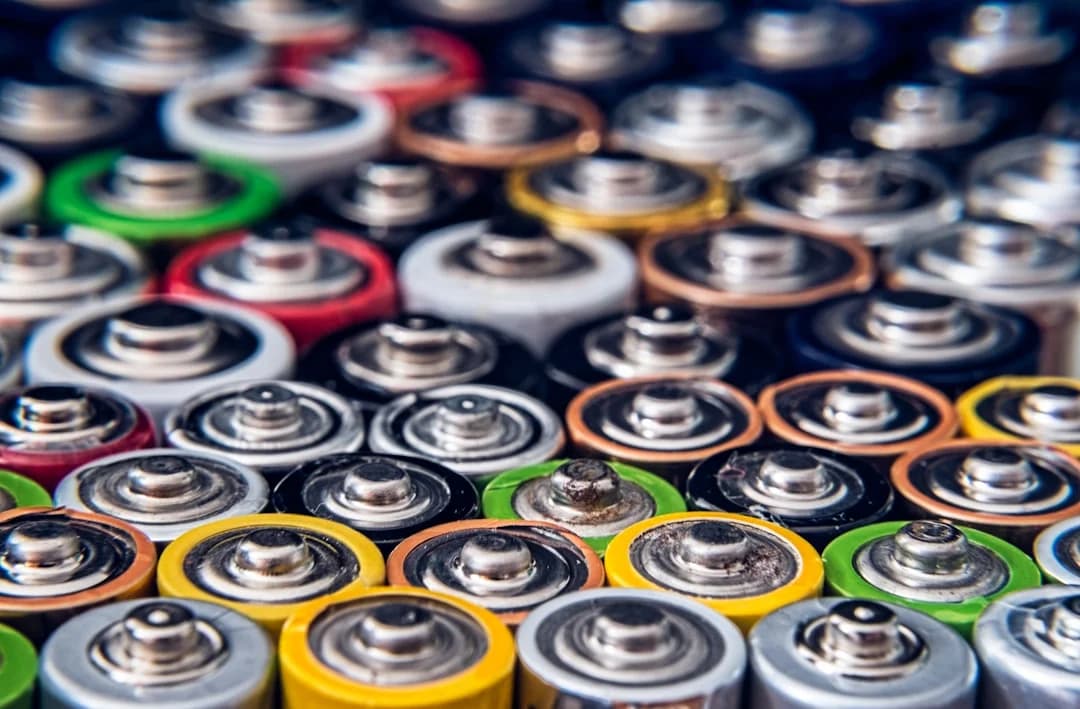
Photo by Roberto Sorin on Unsplash
The Bay Area battery storage surge 2026 is shaping how households and businesses in the region access reliable power as California pushes toward a cleaner, more resilient grid. In early May 2026, California energy leaders presented a cautiously optimistic view for the summer, highlighting the rapid expansion of battery storage, improved forecasting, and stronger emergency response planning as cornerstones of a more dependable energy future. The Bay Area, with its dense mix of residential, commercial, and data-center demand, stands at the center of this transition, which officials say will help reduce the likelihood of outages during peak periods and extreme weather. This update is based on state-level data and industry analyses released in spring 2026, and it frames why the Bay Area’s energy future hinges on continued investment in storage, transmission, and market reforms. (energy.ca.gov)
California’s storage buildout has accelerated dramatically in recent years. By the end of 2025, the state had already logged a cumulative battery storage capacity that surpassed 17,000 MW, reflecting a broad, multi-year push to add both large utility-scale projects and behind-the-meter systems. State energy leaders emphasize that this surge is part of a coordinated effort to balance abundant solar generation with demand, reduce curtailment, and support a rapid pace of electrification. The May 2026 briefing underscored that this growth has been enabled by policy, procurement, and new market structures designed to unlock faster deployment across distribution and transmission systems. The same briefing notes that ongoing investments have yielded more than 31,000 MW of new capacity since 2020—an indicator of how quickly California’s grid is evolving. (energy.ca.gov)
Looking at the broader statewide trend, California’s battery storage fleet continued to expand into late 2025, with official figures signaling nearly 17,000 MW of capacity in operation or available for dispatch. In November 2025, Governor Newsom and state agencies announced that the state had reached approximately 16,942 MW of battery storage, marking a critical milestone on the path to a more resilient grid and a cleaner energy mix. The growth is distributed across utility-scale installations and behind-the-meter systems, underscoring the role of storage in stabilizing the grid as the region adds more solar and wind resources. This momentum matters for the Bay Area, where load profiles and data-center power requirements create a demand for flexible, fast-responding resources. (energy.ca.gov)
Section 1: What Happened
Official outlook and public briefing
State leadership briefing and summer outlook
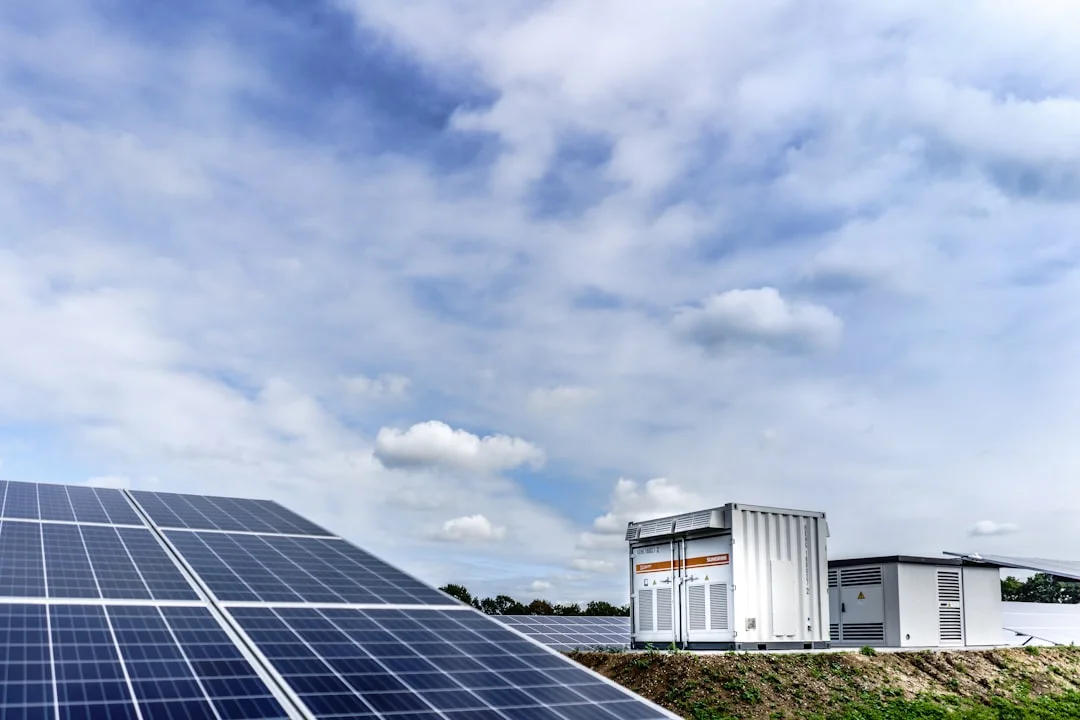
In a public briefing on May 4, 2026, California energy officials from the California Energy Commission (CEC), California Public Utilities Commission (CPUC), and the California Independent System Operator (CAISO) provided an upbeat assessment of summer 2026 reliability. The briefing highlighted that the grid has been strengthened by rapid deployment of clean energy, expanded storage capacity, and improved forecasting and emergency readiness. Officials emphasized a collaborative, cross-agency effort to monitor conditions and manage weather-driven stress on the grid. The session stressed that California has substantial contingency resources available for summer 2026 to address potential extreme events, reflecting deliberate planning to avoid reliability gaps during periods of high demand. The briefing notes the Extended Day-Ahead Market ( launched May 1, 2026, by CAISO) as a tool that improves visibility into supply and demand dynamics and enhances reliability planning across a broad footprint. The emphasis on market reforms and planning collaboration is central to the Bay Area’s ongoing transition to a more flexible grid. (energy.ca.gov)
Capacity milestones and the ongoing buildout
The May 2026 public update also documented a milestone in California’s storage program: more than 17,000 MW of battery storage capacity installed to serve the grid as of 2025. This level of capacity is a result of sustained investments in large-scale storage projects, distributed batteries, and the associated transmission and interconnection work that accompanies such a buildout. The milestone is positioned as a foundational step toward the state’s long-term reliability and decarbonization goals. For the Bay Area, this scale of storage provides a more robust backstop for renewable energy during peak hours and severe heat events, helping reduce the likelihood of outages in a region that relies heavily on a reliable power supply for critical facilities and data centers. (energy.ca.gov)
California’s storage trajectory and CAISO’s modeling
CAISO’s 2026 Summer Loads and Resources Assessment
The CAISO 2026 Summer Loads and Resources Assessment (May 2026) presents a detailed view of the resource mix, capacity additions, and reliability margins that underpin planning for the 2026 season. The report notes that RA-eligible capacity additions have occurred across the post-September 2025 to April 2026 window, with further projects expected to declare commercial operation by June 30, 2026. Specifically, CAISO models show 2,127 MW of RA-eligible nameplate capacity added between September 1, 2025 and April 1, 2026, and an anticipated 6,194 MW of new capacity by June 30, 2026 (including a portion associated with a large wind project in another region). The modeling also provides a breakdown by resource type and indicates that battery storage is a central element of the forecasted portfolio, including co-located storage that charges from solar resources. The report highlights that total modeled capacity across all resource types reaches tens of thousands of MW, with batteries playing a pivotal role in meeting demand and maintaining reliability during peak periods. For readers in the Bay Area, these regional resource actions translate into a more resilient local grid, particularly as commercial and residential loads evolve. (caiso.com)
Detailed 2025–2026 additions and near-term outlook
The May 2026 CAISO assessment includes a granular accounting of added and expected capacity by period. From September 1–December 31, 2025, capacity additions totaled 1,660 MW of RA-eligible resources (including 374 MW of wind and 2,035 MW of combined capacity). For January 1–April 1, 2026, the assessment records 92 MW of additional battery capacity and 92 MW of wind (with modest solar additions). The April 1–June 30, 2026 window (expected) shows a substantial ramp: 1,354 MW of battery capacity, 3,467 MW of wind, and 1,370 MW of solar; the total nameplate additions for that window are forecast at 6,194 MW, bringing the total RA-eligible capacity to 8,321 MW and resulting in 3,560 MW of net qualifying capacity (NQC) for the battery and related resources. In short, the first half of 2026 is characterized by a pronounced acceleration in battery deployments and related storage-enabled resources, directly affecting how the Bay Area and its utilities plan for reliability and price signals. (caiso.com)
The Bay Area’s local relevance
Local reliability implications and market context
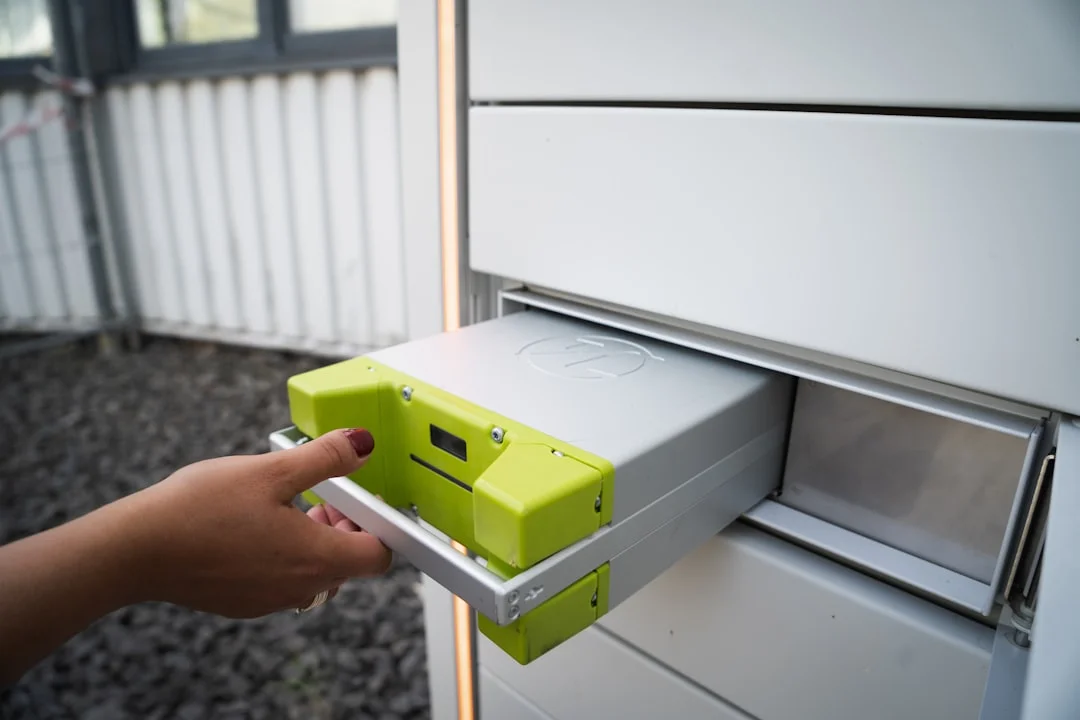
The Bay Area sits within CAISO’s balancing authority area and benefits from the broader reliability improvements and storage deployments described in the statewide briefings and CAISO analyses. The statewide move to add thousands of megawatts of battery storage—along with market enhancements like the Extended Day-Ahead Market—helps stabilize local operations, particularly as data centers, electric vehicle charging, and commercial activity add variability to demand. While CAISO’s assessments are statewide, the Bay Area is a critical load center and interconnection hub for transmission and distribution upgrades. This means the region can expect more flexible ramping, faster response times from storage assets, and improved resilience against heat waves or wildfire-related outages that stress the grid. The CAISO modeling also notes that many of the new resources are co-located with solar or integrated into regional grid services—an approach that can lower curtailment and improve local capacity utilization. (caiso.com)
Policy and programmatic context
Contingency resources and market reforms
State officials repeatedly emphasize the availability of contingency resources for summer 2026, including the Strategic Reliability Reserve and other demand-response programs designed to boost resilience during stress events. Improvements to forecasting, coordination, and market operations—such as the Extended Day-Ahead Market—are highlighted as critical to better aligning generation, storage, and transmission assets with forecasted demand. For the Bay Area, these policy and market enhancements translate into more predictable costs and more reliable power during heat waves, which are likely to intensify as climate patterns shift. The May 2026 briefing underscores that the combination of new resources, improved operations, and regional coordination is the core driver of the state’s reliability outlook. (energy.ca.gov)
Section 2: Why It Matters
Reliability and resilience: what changes for Bay Area customers
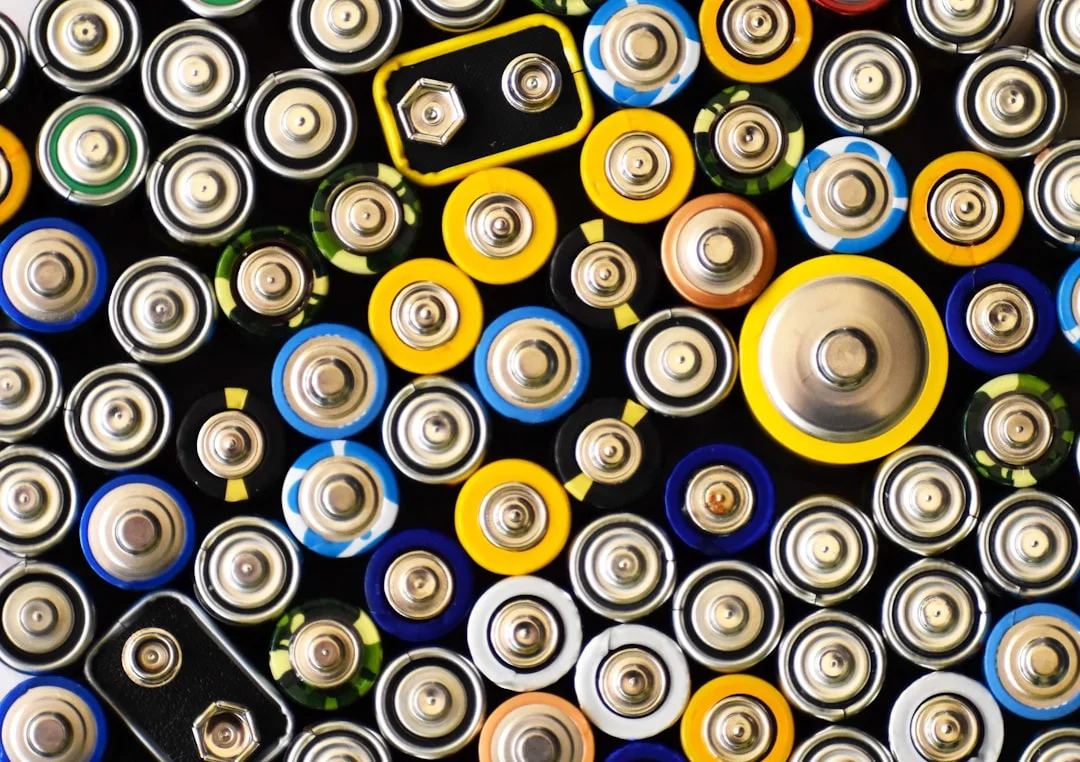
How storage strengthens the grid
Battery storage provides several key grid services that directly affect Bay Area customers: load shifting, peak shaving, frequency regulation, and fast-response capacity during reliability events. California’s 2025–2026 buildout has translated into a larger, more flexible grid that can accommodate higher levels of intermittent renewables while maintaining service continuity. The state’s storage fleet is designed to reduce fossil-fuel reliance, lower emissions, and provide rapid response to demand spikes. The fact sheet and state updates emphasize these reliability and resilience benefits, showing that California’s energy planning increasingly hinges on storage as a core resource. For the Bay Area, these dynamics matter for critical facilities, hospitals, data centers, and residential neighborhoods that rely on stable power during the hottest days of summer. (business.ca.gov)
Economic and workforce implications
Job creation and local economic impact
Beyond reliability, the expansion of battery storage is tied to substantial economic development opportunities across California, including the Bay Area. The state-level battery storage fact sheet highlights that the broader storage market supports tens of thousands of jobs nationwide, with conservative estimates placing total U.S. clean storage employment in the tens of thousands and contributing to local tax bases and economic activity. In California, the ongoing buildout is linked to job creation across construction, operations, and maintenance, with regional spillovers into manufacturing, permitting, and supply chains. This is particularly relevant for communities near large storage facilities and the Bay Area’s diversified economy, where new storage projects can anchor local workforce growth and regional economic activity. (business.ca.gov)
Environmental benefits and decarbonization
Storage is a foundational enabler of a cleaner energy system. By capturing excess solar energy and discharging during periods of high demand, battery storage reduces the need to operate fossil-fueled peaking plants, contributing to lower emissions and improved air quality. State materials emphasize this environmental dimension, illustrating how storage supports grid reliability while enabling higher penetrations of renewable energy. For the Bay Area, where urban air quality and climate resilience are priorities, the storage surge supports regional goals to lower greenhouse gas emissions and advance a sustainable energy future. (business.ca.gov)
Local considerations and equitable access
How access to storage translates to rate stability
As storage capacity grows, there is potential for more predictable wholesale electricity pricing and improved resilience against price spikes during extreme weather. The Extended Day-Ahead Market and related market reforms aim to provide better visibility into supply-demand dynamics and more efficient economic dispatch. For Bay Area residents and businesses, this can translate into more reliable service with potentially more stable energy costs over time, though actual price outcomes depend on many interacting factors, including wholesale market conditions, transmission constraints, and local demand growth. State analyses emphasize that the combination of reliability investments and market reforms is designed to reduce volatility and support a broader range of customers. (energy.ca.gov)
What the Bay Area should monitor
Key indicators and potential risks
While the statewide outlook remains positive, the CAISO Summer Assessment emphasizes that the model does not account for all potential extreme events, such as drought, wildfires, or major transmission disruptions. The Bay Area should monitor indicators including RA capacity additions, transmission upgrades, and weather-driven stress patterns that could affect local reliability. The ongoing joint reliability planning work, quarterly assessments, and regulatory updates provide a framework for tracking risk and adjusting procurement and interconnection strategies as needed. Readers should watch for developments in local capacity procurement plans and any Bay Area-specific resilience projects that could influence outages or service quality during peak demand. (caiso.com)
Section 3: What’s Next
Near-term timeline and next steps
Short- to mid-term milestones for 2026–2027
The CAISO’s 2026 Summer Assessment and the broader reliability planning work indicate continued acceleration in battery storage and related resources through 2026. Specific near-term milestones include onboarding RA-eligible capacity by mid-2026, continued interconnection and permitting activity for large storage facilities, and the ongoing deployment of co-located storage with solar resources. These actions are designed to keep the Bay Area and the rest of California aligned with reliability targets while supporting ongoing electrification and renewable deployment. State agencies emphasize that monitoring, forecasting, and coordinated operation across agencies will continue to be essential components of the plan. (caiso.com)
Market reforms and grid integration
The May 2026 update highlights ongoing market reforms, including the Extended Day-Ahead Market and other coordination improvements, as central levers for integrating large-scale storage with renewable generation and the transmission system. For the Bay Area, this means better signals for storage developers and utilities to time interconnections, manage ramping requirements, and coordinate with neighboring markets to ensure reliability. The broader policy emphasis on resilience, forecasting accuracy, and emergency preparedness will continue to shape investment decisions and project timelines in the region. (energy.ca.gov)
What to watch for in the months ahead
The Bay Area’s exposure to heat and demand spikes
As climate conditions intensify, the Bay Area could experience more frequent peak-demand events during hot weather. The availability of contingency resources and the ability to deploy storage rapidly will be important in mitigating outages and stabilizing prices. State and regional authorities will likely provide regular updates on reliability metrics, storage utilization, and procurement progress, contributing to a more transparent view of how storage investments translate into tangible benefits for Bay Area customers. (energy.ca.gov)
Infrastructure and permitting timelines
Storage development depends on interconnection agreements, land use permits, and safety approvals. California’s storage surge requires ongoing coordination among agencies, utilities, and project developers to maintain momentum. The Bay Area, with its high population density and substantial infrastructure footprint, will continue to benefit from streamlined processes and clear safety standards, as reflected in the state’s public materials and safety guidance. (business.ca.gov)
Closing
The Bay Area battery storage surge 2026 is not a single moment but part of a broader, state-led transition to a more reliable, sustainable grid. State authorities point to growing capacity, improved forecasting, and robust contingency planning as the backbone of a grid that can meet electrification and climate goals while minimizing outages. For Bay Area residents and businesses, the practical implications are clear: more flexible storage resources, smoother integration with renewables, and a stronger platform for economic growth anchored in clean energy jobs and resilience. As summer 2026 unfolds and new projects come online, readers can expect continued reporting on how these changes shape reliability, costs, and daily life in the region. Stay with SF Bay Area Times for ongoing updates as the storage landscape evolves and new data become available.