Bay Area Coastal Access & Marine Protection Expansion 2026

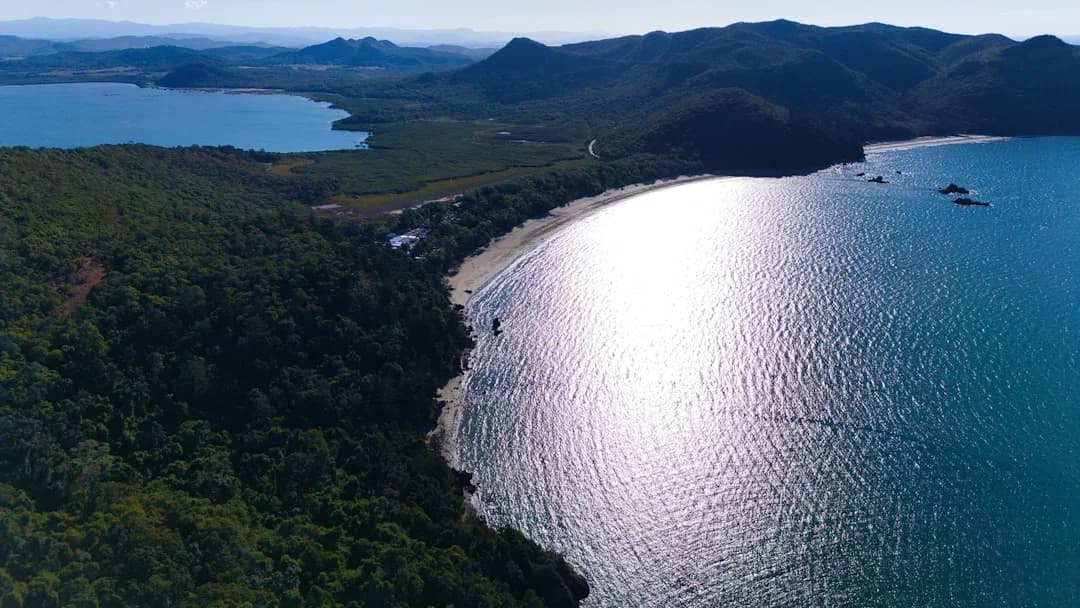
Photo by 𝕡𝕒𝕨𝕤 𝕒𝕟𝕕 𝕡𝕣𝕚𝕟𝕥𝕤 on Unsplash
The Bay Area is watching a pivotal moment for coastlines and seascapes as Bay Area coastal access and marine protected areas expansion 2026 unfolds across California. In March 2026, the California Ocean Protection Council (OPC) publicly released the 2026 Coast and Ocean Report, signaling intensified focus on public access, habitat protection, and economic resilience tied to ocean health. The council also announced substantial investments tied to its 2026–2030 Strategic Plan, including programs aimed at advancing the 30x30 conservation target and expanding adaptive management of the state’s Marine Protected Area (MPA) Network. For Bay Area residents and ocean users, the news carries immediate practical implications—ranging from where you can legally fish or boat to how coastal access points are being mapped and upgraded. As these statewide efforts converge with Bay Area planning frameworks, eyes are turning to how local jurisdictions within the Bay Area will integrate conservation priorities with recreation, tourism, and regional economic vitality. This moment also highlights the Bay Area’s ongoing role in regional conservation planning through ABAG and MTC’s Priority Conservation Areas (PCAs), which continue to steer land-use decisions around protected spaces and coastal access. (opc.ca.gov)
The latest statewide assessment underscores a broader trend: California intends to conserve critically important coastal and marine ecosystems while expanding opportunities for people to access and enjoy the coast. The 2026 Coast and Ocean Assessment documents ongoing shifts in habitat ranges, water quality, and beach access, offering a data-rich baseline for policymakers, scientists, and local communities. At the same time, the California Coastal Commission (CCC) is actively refreshing public-access tools and relationships with local agencies to ensure that coastal trails, stairways, and easements keep pace with development pressures and climate resilience needs. Taken together, these strands form a narrative of planned expansion in coastal access and marine protection, with the Bay Area playing a central role in translating state policy into local action. 55% of California’s ocean shoreline was within walking distance of a public access point in 2024, a figure the Coast and Ocean Assessment notes is moving upward in certain regions, though San Francisco Bay Area data are treated with unique constraints due to the region’s geography and data availability. For readers in the Bay Area, this means that both public access networks and MPAs will increasingly influence how residents and visitors experience the coast. (opc.ca.gov)
Section 1 — What Happened
Key developments in 2026: statewide actions shaping Bay Area coastal access and MPAs
-
The Ocean Protection Council’s March 23, 2026, update announced more than $12.5 million in investments to accelerate sea level rise adaptation planning and tribal cultural resilience, while advancing the statewide 30x30 objective to conserve 30% of California’s coastal waters by 2030. The council also highlighted a broader commitment to adaptive governance of MPAs, reflecting the intersection of science, policy, and community engagement as part of the 2026–2030 Strategic Plan: Safeguarding Our Coast and Ocean for All Californians. This agenda speaks directly to Bay Area stakeholders who rely on healthy coastal ecosystems for tourism, fisheries, and coastal recreation. (opc.ca.gov)
-
The same March 23 meeting introduced a first-look at the 2026 California Coast and Ocean Report, the state’s comprehensive, science-based assessment of coast and ocean health. The report, produced in partnership with the California Ocean Science Trust, emphasizes data-driven insights into habitat status, species trends, and human interactions with the coast—information that policymakers use to refine MPAs and access strategies. The publication underscores that MPAs and public-access initiatives are not symbolic; they are supported by long-running monitoring and adaptive-management processes designed to track ecological responses to protection measures and changing climate conditions. (opc.ca.gov)
-
Public access modernization is also moving forward through the California Coastal Commission’s ongoing “YourCoast” initiative. The Commission reported in 2026 that its online map and related public-access data tools have been updated to help residents and visitors locate coast-wide access points, amenities, and coastal trails. These digital updates are part of a broader effort to codify and improve coastal access in tandem with MPAs and other coastal-use designations. The YourCoast map is a centerpiece of access planning, reinforcing the Bay Area’s role in testing and expanding coastal-recreation infrastructure. (documents.coastal.ca.gov)
-
In the Bay Area specifically, regional planning agencies continue to advance conservation and access through Priority Conservation Areas (PCAs). In April 2026, the Metropolitan Transportation Commission (MTC) published a Bay Area update showing the PCA framework remains central to Bay Area land-use and open-space planning as ABAG (Association of Bay Area Governments) continues to oversee PCA designations. The Bay Area PCA program identifies hundreds of areas—ranging from natural habitats to recreation spaces and climate-adaptation assets—that local jurisdictions can protect or enhance while maintaining opportunities for public access and sustainable recreation. The program’s evolution, including the 2025 amendments and the nomination cycle, demonstrates a deepening alignment between conservation objectives and Bay Area growth management. (mtc.ca.gov)
-
The broader statewide dialogue on MPAs continued to unfold in 2026 through public hearings and petition processes. The California Fish and Game Commission embarked on a multi-year review of the MPA network, evaluating proposals that could expand, reduce, or maintain protection levels. These petitions were divided into two categories, with several petitions already evaluated in 2024 and 2025, and the remainder slated for continued consideration through 2026 and beyond. The public process is designed to balance ecological goals with the economic and cultural needs of coastal communities, including recreational fishers and local businesses that rely on ocean access. A Goleta hearing in May 2026 captured this tension, with advocates arguing for stronger protections and local business voices urging careful consideration of access and livelihoods. (opc.ca.gov)
-
Finally, the Coast and Ocean Assessment highlights how the Bay Area fits into statewide access metrics, indicating that the region’s public access landscape—while not fully captured in statewide shoreline-access statistics due to data limitations—remains a priority for ongoing data collection and planning. The assessment notes that roughly half of California’s coastline falls within walking distance of access points statewide, with northern and central regions showing uneven progress. The Bay Area’s coastal access network, including established coastal trails and water trails, is central to these discussions, even as the SF Bay Area data set is treated with caution due to the complexity of urban-waterfront interfaces. This context is essential for the Bay Area as it contends with rapid population growth, sea-level rise, and the need for resilient coastal infrastructure. (opc.ca.gov)
Section 2 — Why It Matters
Conservation gains and the 30x30 framework
- The OPC’s 2026–2030 Strategic Plan foregrounds the 30x30 objective, signaling a state-level ambition to conserve 30% of California’s coastal and marine waters by 2030. The March 23, 2026, council summary confirms the council’s intent to “advance” 30x30 and to strengthen adaptive management of MPAs in service of resilient ecosystems and thriving coastal communities. For the Bay Area, this establishes a policy backdrop that could translate into more protective zones, more robust ecological monitoring, and targeted investments in restoration projects and habitat connectivity, all of which can influence the local fishing, boating, and tourism economies. The Bay Area’s unique geography—its inlets, tidal marshes, and sheltered bays—means MPAs and access plans must be tailored to protect sensitive habitats while supporting people who rely on the coast for income and recreation. (opc.ca.gov)

- The nationwide and statewide emphasis on MPAs has accelerated science-driven governance. The OPC notes that the MPA network now serves as a living laboratory where researchers, tribes, fishers, and other ocean users co-create knowledge about coastal health, fish populations, and ecosystem functions. The 2026 updates emphasize the importance of public engagement and transparent management to ensure that the MPA network remains scientifically credible and socially acceptable during expansion and adjustment cycles. For the Bay Area, this means more opportunities to participate in petitions, hearings, and data collection programs that can shape the region’s own MPA configurations over time. (opc.ca.gov)
Public access, equity, and the coast as an economic engine
-
The 2026 Coast and Ocean Assessment highlights the public-access component of a healthy coast. While the SF Bay Area data are not fully captured by the statewide analysis, the statewide finding that 55% of California’s ocean shoreline was within walking distance of a public access point in 2024 points to a broader trend: access expansion quietly moves in tandem with environmental protections, sometimes creating new opportunities for people to engage with the coast in meaningful, low-cost ways. In the Bay Area, where coastal access infrastructure already supports a high level of recreational use, these trends can translate into more inclusive access programming, better trail connections, and a stronger coastline-wide culture of public engagement with oceans and beaches. The data also underscore the need to address equity gaps—especially in disadvantaged communities near the water—through targeted access improvements and programming. (opc.ca.gov)
-
For Bay Area residents and workers, MPAs and coastal access expansions can influence local economies. The NBC Bay Area assessment of the statewide coastal-health report highlighted public-interest outcomes such as beach restoration benefits, habitat resilience, and the role of the ocean economy in local livelihoods. While that piece focused on state-level findings, the implications for the Bay Area are tangible: healthier habitats can support sustainable fisheries, boost ecotourism, and attract environmental-education initiatives that benefit students and adults alike. At the same time, stakeholders alert policymakers to the need to balance protections with access, particularly in communities where ocean-based recreation is a key economic driver. (nbcbayarea.com)
Bay Area planning frameworks and regional governance
- The Bay Area’s PCA framework remains a central instrument for reconciling conservation and access goals with growth. ABAG and MTC’s ongoing PCA work, including the 2025 amendments and 2025–2026 refresh, demonstrates a commitment to consistency, equity, and climate resilience across the Bay Area. The PCA framework does not directly enforce land-use changes, but it guides how local agencies target funding, plan habitat restoration, and prioritize access improvements within and around protected areas. The 2025 amendments and 2024 refresh are particularly important because they reinforce minimum data criteria and connectivity planning, ensuring that Bay Area conservation work remains integrated with transit-oriented development and open-space investments. For readers in the Bay Area, PCAs are the lens through which to view future protected areas, access points, and recreational amenities. (mtc.ca.gov)

- The PCA Mapping Viewer and related materials provide a practical toolkit for local policymakers, park districts, and community groups to visualize PCA geographies and to plan projects in alignment with ABAG’s regional planning priorities. This tool is especially relevant as the Bay Area considers new coastal access improvements, habitat restoration projects, and climate-resilience investments that require cross-jurisdictional coordination. The 2025–2026 PCA work demonstrates a mature, iterative process in which data, stakeholder input, and state guidance converge to shape land-use choices in real time. (mtc.ca.gov)
Public sentiment, stakeholder perspectives, and the economics of change
-
The Goleta MPA hearing in May 2026 underscored the balancing act between conservation goals and local livelihoods. Environmental advocates argued for expanded protections as climate change and habitat loss intensify threats to kelp forests and other sensitive ecosystems, while commercial and recreational fishers emphasized the importance of maintaining access to productive fishing grounds and ensuring the viability of coastal businesses. The real-world tension highlighted in Goleta reflects broader Bay Area concerns: can conservation gains be realized without imposing excessive costs on communities that depend on ocean access for livelihoods and recreation? The statewide process, including public hearings and petition evaluations, aims to answer that question through transparent, science-based decision-making. (keyt.com)
-
The California Coastal Commission’s updated access dashboards and wallet of grants (including Whale Tail grants) demonstrate a policy apparatus that channels funding toward access improvements, restoration projects, and coastal resiliency measures. The CCC’s 2026 updates emphasize expanding public access while preserving ecological integrity and water quality. In practice, that means Bay Area communities can expect more integrative projects—new boardwalks or trails, improved harborfront access, and enhanced coastal trail connections—that align with MPAs and habitat protections. The CCC’s ongoing strategic planning and data portal work reinforce the Bay Area’s role as a testbed for innovative access and protection programs. (documents.coastal.ca.gov)
Section 3 — What’s Next
Timeline and next steps in policy and practice
- The OPC’s March 23, 2026 update and the March 2026 Council meeting summary indicate upcoming actions around the 30x30 program, MPA network expansion, and adaptive management. Key actions include continuing to evaluate MPA petitions (Bin 2) through 2026 and beyond, implementing Track 1 and Track 2 science and restoration funding for habitat and connectivity projects, and accelerating adaptive management improvements for MPAs. The roadmap anticipates additional investment in public-facing data platforms (such as the SeaSketch California platform) to visualize long-term ecological monitoring results, making it easier for Bay Area communities to understand and engage with MPA outcomes. Public webinars and council briefings are also on the calendar, offering opportunities for citizens to participate in data-driven decision-making. (opc.ca.gov)

-
The state’s 2026 Coast and Ocean Report and the 2026 Coast and Ocean Assessment provide a data-driven baseline for future policy revisions. The report’s coastal-access section highlights ongoing progress and remaining gaps in access points and amenities, while the assessment’s broader ecosystem metrics point to anticipated needs in monitoring, restoration, and equity-focused interventions. For Bay Area readers, these documents set expectations for future state-sponsored projects and funding cycles that could translate into Bay Area-specific access improvements and habitat-protection initiatives. (opc.ca.gov)
-
Public engagement and local action will be crucial in the Bay Area as PCA designations and MPA petitions move through regional and state-level processes. ABAG’s ongoing PCA framework refresh and the PCA Final Report (adopted May 2024) offer clear guidance to Bay Area jurisdictions about data standards, regional connectivity, and equity considerations. The next steps for Bay Area agencies will likely include potential nominations that align with local priorities—especially in coastal districts where access and habitat restoration intersect with coastal-protection needs and climate adaptation planning. The PCA program’s structure makes this a continuous cycle rather than a single event, which means Bay Area communities should monitor ABAG and MTC announcements for new opportunities to shape local conservation and access outcomes. (mtc.ca.gov)
-
The Bay Area’s own planning timeline suggests a near-term emphasis on integrating new state-level protections with local projects. Plan Bay Area 2050+ and related Bay Area transportation planning activities remain the anchor for coordinating mobility, housing, land use, and open space resilience across the region. The Bay Area’s PCA and land-use planning framework will be used to align MPAs’ ecological protections with recreational access initiatives, including coastal trails, public beaches, and waterfront parks. Local agencies may look for state grants to fund habitat restoration and access upgrades, such as new coastal access points, improved parking, restrooms, and accessibility improvements near MPAs or coastal reserves. (mtc.ca.gov)
-
For readers who want to stay ahead, several channels offer timely updates. OPC’s monthly newsletters and meeting summaries provide a steady stream of policy developments, scientific findings, and grant opportunities. The CCC’s YourCoast portal remains a practical resource for locating access points and planning coastal visits, while ABAG and MTC provide periodic updates on PCA mappings and related planning tools. In short, Bay Area residents should expect continuing, structured opportunities to engage with the dynamic interface between conservation, access, and regional growth. (opc.ca.gov)
Closing
The 2026 wave of Bay Area coastal access and marine protected areas expansion is less a single headline and more a sequence of coordinated policy actions, data-informed planning, and community engagement. State investments in 30x30, MPAs, sea-level rise adaptation, and restoration are now proceeding in tandem with regional planning and local-government processes that shape where people work, play, and learn along the coast. The result should be more resilient ocean ecosystems and an expanded, more equitable set of coastal-access opportunities for Bay Area residents and visitors. As agencies move from petition review to implementation, residents should monitor OPC briefings, CCC maps, ABAG/PCA dashboards, and Bay Area planning portals to understand when and where new access points, protected areas, or restoration projects will appear in their neighborhoods—and how the Bay Area’s economy may benefit from healthier oceans and accessible coasts.
Anyone seeking the latest updates can subscribe to the OPC’s public newsletters, explore the YourCoast map from the California Coastal Commission, and review ABAG’s PCA Mapping Viewer for the most current regional designations. The path forward for Bay Area coastal access and marine protected areas expansion 2026 is data-driven, regionally tailored, and openly debated—an approach that ensures conservation gains are paired with real opportunities for people to connect with California’s remarkable coastline.