
Bay Area Coastal Resiliency Funding 2026: Grants Update
Discover comprehensive insights into Bay Area coastal resiliency funding for 2026: grants, timelines, and regional environmental impact details.

The Bay Area is seeing a multi-faceted wave of funding in 2026 designed to harden shoreline communities, protect critical infrastructure, and expand nature-based resilience. As regional agencies roll out new grant programs, performance dashboards, and bond-backed financing, local governments, tribal organizations, and conservation partners are lining up to apply for money that could determine how the region adapts to sea level rise and climate-driven flood risks in the coming decade. The Bay Area coastal resiliency funding 2026 landscape is shaped by state-backed resilience programs, local grant cycles, and federal-to-state funding streams that converge in a concerted regional push to connect planning with shovel-ready projects. This year’s announcements come as Plan Bay Area 2050+ evolves into a more formal investment framework, and Bay Area partners increasingly rely on data dashboards to pair project ideas with available money. (abag.ca.gov)
In early 2026, California’s Ocean Protection Council opened a Track 2 solicitation under Senate Bill 1 for sea level rise adaptation funding, targeting nature-based projects along the California coast and the San Francisco Bay shoreline. The grant program, which emphasizes planning-to-implementation steps and prioritizes nature-based solutions, represents a potential $7 million in Round 1 funding, with typical awards ranging from $500,000 to $2.5 million. The first round is expected to yield a September 2026 award announcement, following a February 20, 2026 deadline for LOIs and proposals. For Bay Area applicants, Track 2 reinforces a regional emphasis on coastal habitat protection, flood risk reduction, and public access while encouraging partnerships with disadvantaged communities. The program explicitly notes that Track 2 funds nature-based adaptation and that projects should be identified in completed or in-progress sea level rise plans. “Track 2 exclusively funds nature-based adaptation projects,” and it prioritizes projects that deliver multiple co-benefits and align with local resilience planning. (grants.ca.gov)
Meanwhile, the Bay Area’s transportation and planning agencies formalized a major funding package in January 2026 that is squarely relevant to resilience in coastal and near-coastal contexts. The One Bay Area Grant 4 (OBAG 4) program was adopted by the Metropolitan Transportation Commission in January 2026 and allocates $820 million in federal funding for projects spanning 2027 through 2030. OBAG 4 is designed to advance Plan Bay Area 2050+ and to coordinate investments across the nine Bay Area counties, including resilience initiatives that sit at the intersection of transportation, housing, and environmental protection. As the Bay Area prepares to implement more ambitious shoreline adaptation strategies, OBAG 4 provides a flexible funding stream that can support regionally significant projects with climate resilience benefits. The program materials emphasize cross-jurisdictional cooperation among county transportation authorities and local sponsors, reflecting a broader trend toward consolidated regional funding for resilience and infrastructure. (mtc.ca.gov)
In a parallel thread, ABAG, MTC, and regional partners are updating the Bay Area’s resilience planning framework in 2026. A key April 27, 2026 update outlines how Plan Bay Area 2050+ sits beside the new Resilience Project List, which identifies projects prioritized by urgency and readiness for adaptation to sea level rise. The update also notes that the Investment Strategy Dashboard—designed to link datasets, projects, and funding opportunities—will roll out in summer 2026, with the first version expected in that season. The dashboard aims to help sponsors, decision-makers, and funders sort and compare resilience investments, making it easier to translate plans into funded projects. ABAG also underscores that Plan Bay Area 2050+ estimates about $96 billion in adaptation needs, highlighting a substantial funding gap that regional coordination seeks to close. (abag.ca.gov)
The California budget process in 2025–26 also plays a meaningful role in Bay Area coastal resiliency funding in 2026. Proposition 4, the 2024 climate bond, authorizes $1.2 billion for coastal resilience activities, with $279 million allocated in the 2025–26 fiscal year. Of that total, allocations flow through the State Coastal Conservancy (SCC) and the Ocean Protection Council (OPC), including dedicated line items for sea-level rise planning and coastal habitat projects in the San Francisco Bay Area. The breakdown includes $63 million for coastal resilience projects and programs, $41 million for San Francisco Bay Area–focused sea-level rise and flood management, and $43 million for broader ocean and coastal resilience activities across OPC and associated agencies. The spending plan also earmarks approximately $23 million for SB 1–related ocean and coastal resilience and related SB 1 implementation activities. This bond-driven funding environment shapes the Bay Area’s ability to translate planning into on-the-ground resilience investments. (lao.ca.gov)
What happened this year matters for a broad set of actors. Local government agencies, non-profit organizations focused on coastal protection, and the region’s many coastal communities are preparing to compete for a growing slate of resilience grants, with mechanisms designed to connect readiness, planning, and implementation. The Track 2 SB 1 opportunities are specifically targeted at projects that have completed, or are actively advancing, sea level rise adaptation planning, and that can demonstrate readiness for construction and permitting. The LOI deadline on February 20, 2026 creates a narrow window for jurisdictions to position themselves for formal proposals, and the September 2026 expected award announcements will determine which Bay Area projects move forward in the near term. This sequence—planning, LOI, full proposals, and eventual awards—illustrates a deliberate pathway designed to ensure that Bay Area resilience projects have robust designs and community backing before funds are released. “Track 2 prioritizes projects that protect or restore coastal habitats, reduce coastal hazard risk to communities and critical infrastructure, maintain public access, build resilience of public trust resources, and provide multiple co-benefits,” the California Grants Portal notes, underscoring a design that seeks to maximize regional and community impact. (grants.ca.gov)
Section 1: What Happened
SB 1 Sea Level Rise Adaptation Grant Program Track 2 unveils early results and deadlines
The SB 1 Track 2 program, administered by the Ocean Protection Council, opened its first round with approximately $7 million anticipated for Round 1. The program’s design emphasizes nature-based solutions and prioritizes jurisdictions with completed or near-complete adaptation planning. The solicitation outlines eligible activities across three phases—site assessment and preliminary design, final design and permitting, and construction for shovel-ready projects—and signals that Track 2 will fund projects that retain public access, support habitat protection, and advance resilience objectives in coastal communities. The LOI deadline was February 20, 2026, with an expected September 2026 award announcement. Funding decisions will consider alignment with local SLR plans and readiness for implementation, and the program notes that Track 2 is funded by Proposition 4’s climate bond allocations, a pattern that connects state-level bond financing to local resilience work. The program’s emphasis on nature-based solutions aligns with Bay Area resilience planning that seeks to balance gray infrastructure with ecological approaches. Track 2’s stated purpose and eligibility criteria are outlined in the Grants Portal, including the proposed funding range and the emphasis on disadvantaged communities, which is consistent with the region’s focus on environmental justice in resilience investments. “Track 2 exclusively funds nature-based adaptation projects,” a key constraint that shapes which Bay Area projects are eligible to pursue these funds. (grants.ca.gov)
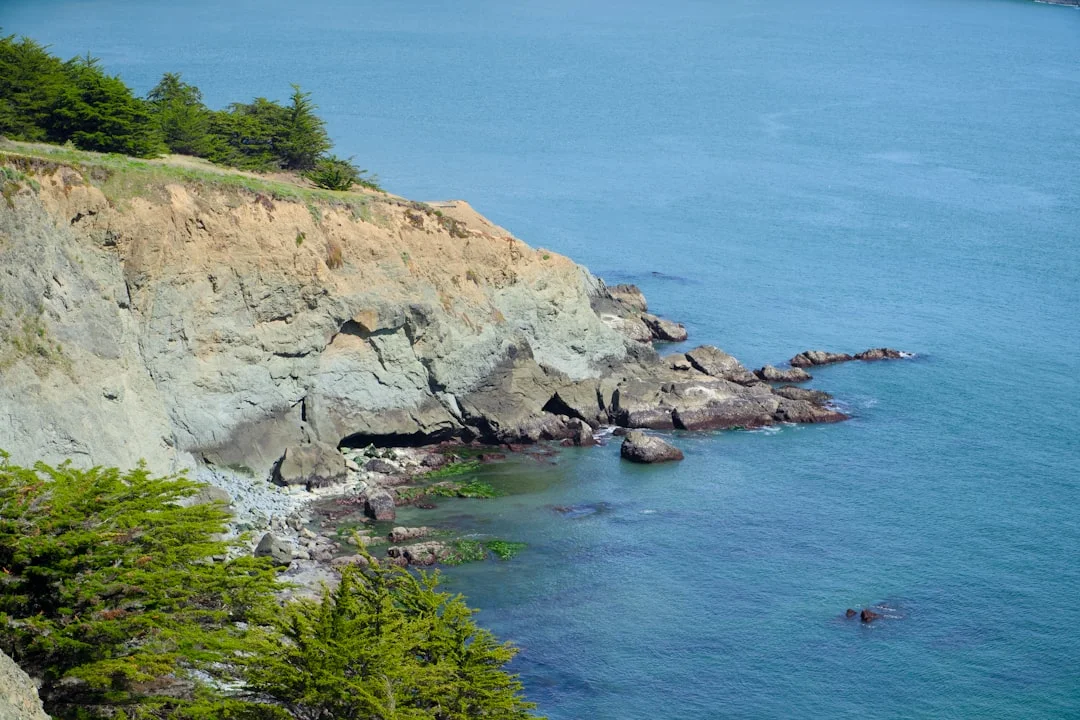
Photo by Spencer DeMera on Unsplash
OBAG 4 adoption in January 2026 expands resilience-related capital
OBAG 4’s adoption, finalized in January 2026 and highlighted in the MTC’s project materials, allocates $820 million in federal funding for projects from 2027 through 2030. The program supports Plan Bay Area 2050+ implementation, including environmental and resilience initiatives across counties. The program’s framework makes it possible for Bay Area jurisdictions to align transportation, housing, and environmental goals while addressing climate risk. The OBAG 4 funding structure fosters collaboration among the nine Bay Area counties and supports shovel-ready or near-ready resilience projects that meet Plan Bay Area 2050+ objectives. The program materials emphasize the practical timing of funding, with awards and obligations spread across several years, and they provide a clear pathway for counties to prepare their own calls for projects within the OBAG 4 umbrella. The April 1, 2026 update confirms the program’s scope and timing and serves as a critical milestone for resilience-oriented investments as the Bay Area moves into the late 2020s. (mtc.ca.gov)
The Investment Strategy Dashboard sets the data-driven course for resilience funding
ABAG and MTC’s April 2026 update also highlights the Investment Strategy Dashboard, a data-enabled tool intended to connect vulnerability analyses with funding opportunities. The dashboard, slated for a Summer 2026 release, will link multiple datasets and provide a searchable platform to identify adaptation projects and funding sources. This tool is designed to help project sponsors, decision-makers, and funders understand where funding opportunities exist, how projects align with regional resilience priorities, and how to move from planning to implementation in a more integrated way. The dashboard is part of a broader effort to create a transparent, data-backed funding ecosystem that can reduce delays and improve project readiness. ABAG notes that the Dashboard will be released in Summer 2026, with ongoing updates thereafter, signaling a commitment to continuous improvement in regional resilience finance. (abag.ca.gov)
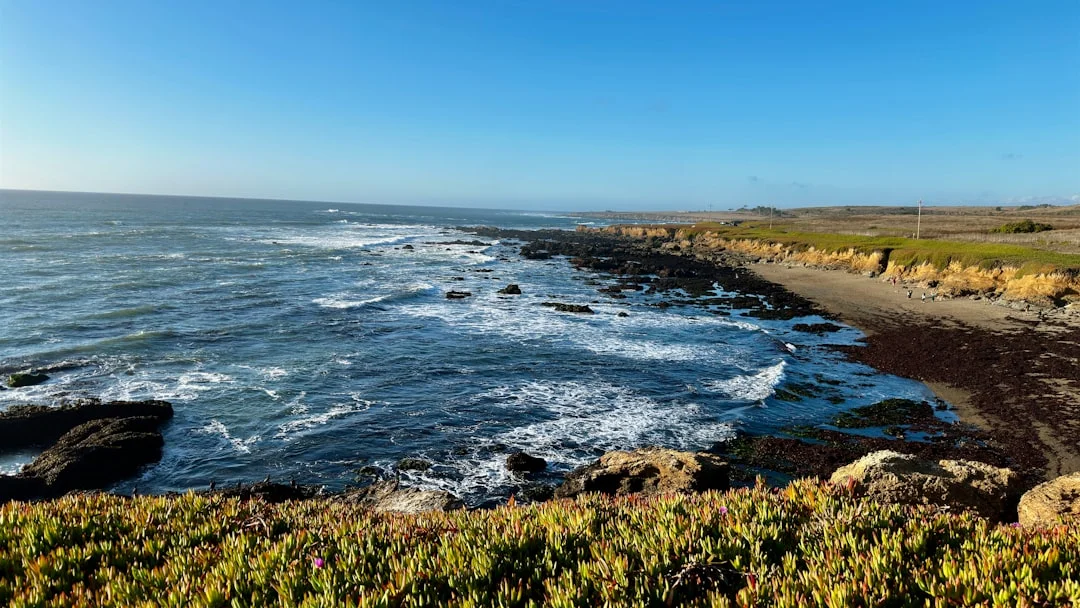
Proposition 4 allocations shape the 2025–26 resilience landscape in the Bay Area
California’s Prop 4 climate bond, as described in the 2025–26 spending plan, provides substantial coastal resilience funding and has direct implications for the Bay Area. In 2025–26, Prop 4 allocates $279 million to coastal resilience activities, with a sizable share flowing through the SCC for Bay Area projects and a targeted allocation for sea-level rise planning and resilience initiatives connected to SB 1. OPC and related agencies receive funding for ocean and coastal resilience activities, including SB 1 implementation, and programs that support nature-based solutions and habitat restoration. The breakdown reveals a deliberate investment pattern that supports Bay Area resilience through a combination of local co-funding and state-level bonds, reinforcing the importance of Bay Area-wide coordination in leveraging bond dollars for regional impact. The Prop 4 expenditure plan also highlights Bay Area–specific investments, including a dedicated line for San Francisco Bay programs and projects that address coastal/flood management along developed shorelines. As the region continues to pursue prioritized projects, Prop 4’s funding remains a critical lever for pushing resilience infrastructure past the planning stage toward construction. (lao.ca.gov)
Section 2: Why It Matters
Regional resilience requires a data-driven approach and shared priorities
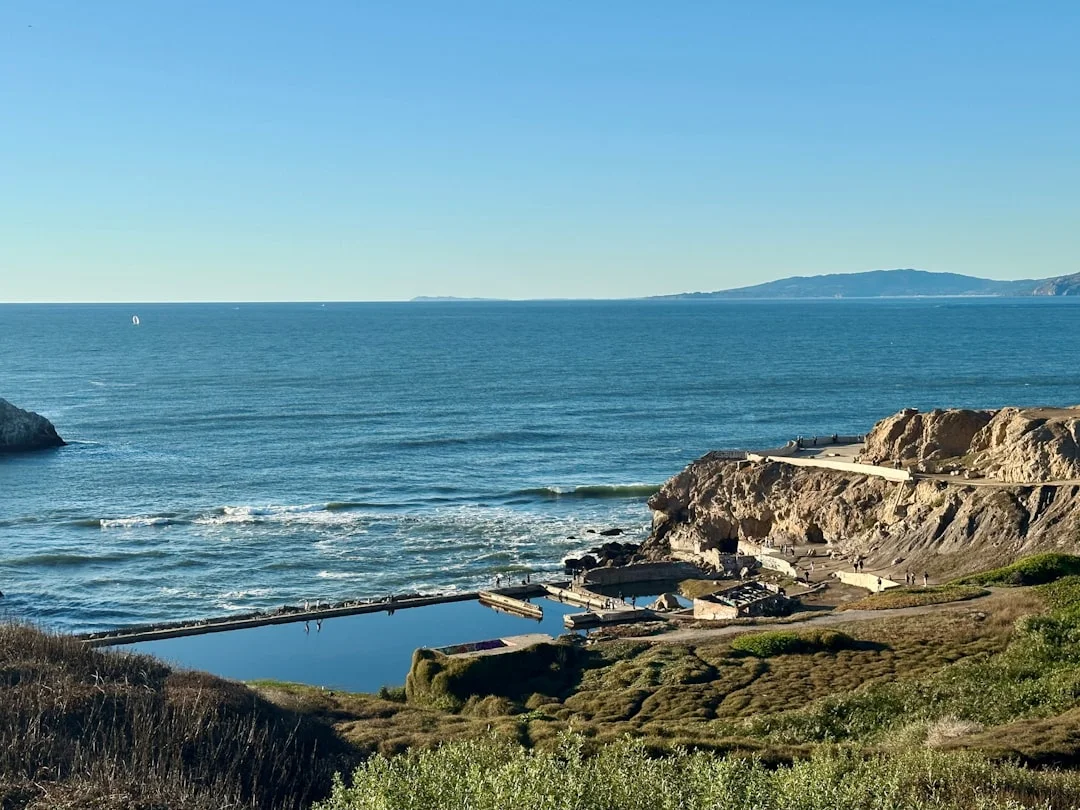
Photo by Yash Mannepalli on Unsplash
The Bay Area’s coastal resilience strategy hinges on aligning plans, funding opportunities, and implementation timelines across multiple agencies. The 2026 updates emphasize a shared priority on nature-based solutions, climate risk reduction, and public access alongside traditional flood protection measures. The ABAG-MTC collaboration has long pursued an integrated investment strategy that connects local planning with regional funding, and 2026 marks a milestone in moving from high-level planning to concrete investments through OBAG 4, SB 1 Track 2, and Prop 4–driven programs. The near-term consequence is clearer funding paths for shovel-ready resilience projects as well as a structured process for project sponsors to pursue nature-based options that meet the region’s equity and climate objectives. ABAG’s April 2026 update underscores the need for a robust dataset-driven approach to manage a projected funding gap, with Plan Bay Area 2050+ estimating a $96 billion need and only a fraction of that amount expected to be funded through traditional state and federal streams. The dashboard’s emergence in 2026 is a direct response to that gap, aiming to accelerate project identification and alignment with available dollars. (abag.ca.gov)
"Plan Bay Area 2050+ Resilience Project List" and the Investment Strategy Dashboard are designed to guide funding toward the most urgent and implementable projects, helping regional partners connect project readiness with funding opportunities. The dashboard is intended to improve data sharing among ABAG, MTC, BCDC, and other partners, enabling more efficient matching of resilience needs with potential funding streams. These elements reflect a broader shift in the Bay Area toward transparent, data-backed decision-making in climate resilience funding. (abag.ca.gov)
Who benefits from 2026 resilience funding in the Bay Area?
The Bay Area’s resilience funding landscape explicitly centers on vulnerable communities, disadvantaged communities, and projects with co-benefits for habitats, flood protection, and public access. SB 1 Track 2 prioritizes projects that address habitat protection, hazard reduction, and public access while emphasizing equity considerations for DACs and SDACs. This structure means that small and medium jurisdictions with solid planning foundations may gain traction in the competitive grant process, provided they demonstrate project readiness and alignment with regional resilience goals. In the Prop 4 framework, the SCC and OPC allocations also reflect a focus on Bay Area-specific needs, including San Francisco Bay programs and shoreline protection projects, reinforcing the Bay Area’s priority status for climate resilience in state budgeting. The OBAG 4 framework further reinforces regional collaboration by coordinating funding across counties to support high-priority resilience projects that cross jurisdictional boundaries. In short, the funding aims to move a mix of habitat restoration, shoreline protection, flood control, and public access projects from concept to construction, with a clear emphasis on equity and regional impact. (grants.ca.gov)
How funding decisions connect to the Bay Area’s long-range planning
The 2026 updates reflect an ongoing consolidation of Bay Area resilience priorities within Plan Bay Area 2050+. The Plan’s resilience mandates, coupled with the Investment Strategy Dashboard and the Resilience Project List, illustrate a concerted attempt to manage a large-scale, coastal adaptation agenda in a way that reduces duplicative efforts and directs dollars toward ready-to-construct projects with measurable community benefits. The Bay Area’s investment plan acknowledges a sizable funding gap—estimated at roughly $90 billion for resilience needs through 2050 in some regional analyses—and seeks to close that gap through a combination of state bonds, federal funds, and regional bond programs. The results will be felt most directly by coastal communities facing inundation timing risks, waterfront districts seeking flood protection upgrades, and habitat restoration initiatives that offer protective co-benefits for both communities and ecosystems. ABAG’s dashboard and resilience investments are intended to help decision-makers identify where the next rounds of funding can have the greatest impact, and where private and philanthropic capital might complement public dollars. (abag.ca.gov)
Section 3: What’s Next
Immediate steps for Bay Area applicants under 2026 funding programs
For SB 1 Track 2, eligible applicants—public agencies, nonprofits, and tribes—should prepare LOIs by February 20, 2026 and assemble full proposals for the tracks’ deadlines as notified by OPC. Applicants can expect September 2026 award announcements, with projects moving into design and construction phases in 2026–27 and beyond. The Track 2 scope supports nature-based solutions, which means applicants should emphasize habitat restoration, living shoreline approaches, dune and marsh restoration, and other blue-green infrastructure strategies that align with local adaptation planning. The funding is intended to support projects identified in completed or ongoing SLR plans or resilience plans, and the program explicitly indicates that “Track 2 prioritizes projects that protect or restore coastal habitats, reduce coastal hazard risk to communities and critical infrastructure, maintain public access, build resilience of public trust resources, and provide multiple co-benefits.” The explicit focus on co-benefits means applicants should design projects that deliver ecological, social, and economic co-benefits, including potential public access enhancements and climate adaptation co-benefits for disadvantaged communities. (grants.ca.gov)
For OBAG 4, the path from planning to project delivery remains ongoing, with the adoption of a January 2026 framework that allocates $820 million for 2027–2030 projects. Local agencies should plan to submit project lists and applications consistent with Plan Bay Area 2050+ strategies, and county transportation authorities will work with MTC to implement projects within the OBAG 4 program. The emphasis on cross-agency collaboration means communities should engage multiple partners early, aligning transportation projects with resilience and environmental goals to maximize the chance of funding through OBAG 4. The OBAG 4 program materials also point to a set of resources to assist sponsors, including templates, reference materials, and process guidance, which can help accelerate project readiness and compliance. (mtc.ca.gov)
For the Investment Strategy Dashboard, the primary near-term milestone is the Summer 2026 release, with a first version anticipated in that season. The dashboard will enable stakeholders to search for resilience projects, filter funding opportunities, and generate summaries to support funding applications and decision-making. The dashboard is a tool to help bridge the gap between vulnerability data and funding opportunities, which is essential given Plan Bay Area 2050+’s projected $96 billion need. The dashboard’s live data will evolve over time, making it a critical resource for Bay Area agencies seeking to align proposals with funding opportunities as the resilience program landscape grows more complex. (abag.ca.gov)
Timeline and milestones to watch in 2026 and beyond
- February 20, 2026: Deadline for SB 1 Track 2 LOIs (Track 2). The LOI process signals the beginning of a formal evaluation phase for nature-based resilience projects. (grants.ca.gov)
- September 2026: Expected award announcements for SB 1 Track 2. This milestone will determine the initial set of funded projects and set the stage for 2027 construction activities. (grants.ca.gov)
- January 2026: OBAG 4 adoption by MTC, establishing $820 million in federal funding for 2027–2030 projects. This marks a major infusion of resilience-oriented capital into Bay Area projects aligned with Plan Bay Area 2050+. (mtc.ca.gov)
- Summer 2026: Investment Strategy Dashboard release, enabling data-driven linking of resilience needs to funding opportunities. The dashboard will help project sponsors and funders identify priority opportunities and coordinate across agencies. (abag.ca.gov)
- 2025–26: Prop 4 allocations for coastal resilience and related initiatives, including a San Francisco Bay Area focus and SB 1 implementation funding. The Prop 4 budget serves as a backbone for several Bay Area resilience activities, reinforcing the state’s role in regional adaptation investments. (lao.ca.gov)
- 2027–2030: OBAG 4 projects begin to obligate and deliver, with Bay Area communities expecting to see an array of shoreline protections, habitat restoration projects, and public-access improvements implemented in the years ahead. (mtc.ca.gov)
What’s Next for Readers and Stakeholders For residents and local leaders, the 2026 funding announcements translate into concrete signals about which coastal resilience projects are most likely to move forward in the near term and which communities could see early-stage investments. The Track 2 SB 1 funds are particularly important for jurisdictions that can demonstrate readiness and alignment with local SLR planning, while OBAG 4’s multi-year funding window creates a consistent path for region-wide resilience initiatives that cross municipal boundaries. The Investment Strategy Dashboard’s release in Summer 2026 will further empower communities by offering transparent visibility into opportunities, enabling better planning and faster project development. The combination of bonds, federal funding streams, and regional coordination signals a long-term commitment to Bay Area coastal resilience, even as the region continues to navigate other funding pressures and shifting regulatory priorities. (abag.ca.gov)
Closing
As the Bay Area advances its coastal resilience agenda in 2026, the convergence of SB 1 Track 2 grant opportunities, OBAG 4 funding, Prop 4 allocations, and a new data-driven Investment Strategy Dashboard signals a more integrated, outcomes-focused era for resilience investments. The coming months will reveal which Bay Area communities and projects gain traction under these programs, how grant awards translate into construction, and how the region measures progress against the ambitious needs outlined in Plan Bay Area 2050+. Readers should stay tuned for agency announcements, LOI deadlines, and updates to the dashboard as Bay Area officials translate policy and planning into concrete actions that protect coastal communities, preserve public access, and safeguard critical infrastructure against rising seas and flood risks. (lao.ca.gov)
If you would like, I can add a sidebar with a project-ready checklist for SB 1 Track 2 and OBAG 4, plus a quick-reference timeline for 2026–2027 that readers at SF Bay Area Times can print or save for quick access.