
Bay Area Coastal Weekend Getaways: a Data-driven Update
Discover a data-driven analysis of Bay Area coastal weekend getaways, highlighting trends, numbers, and valuable insights for avid travelers.
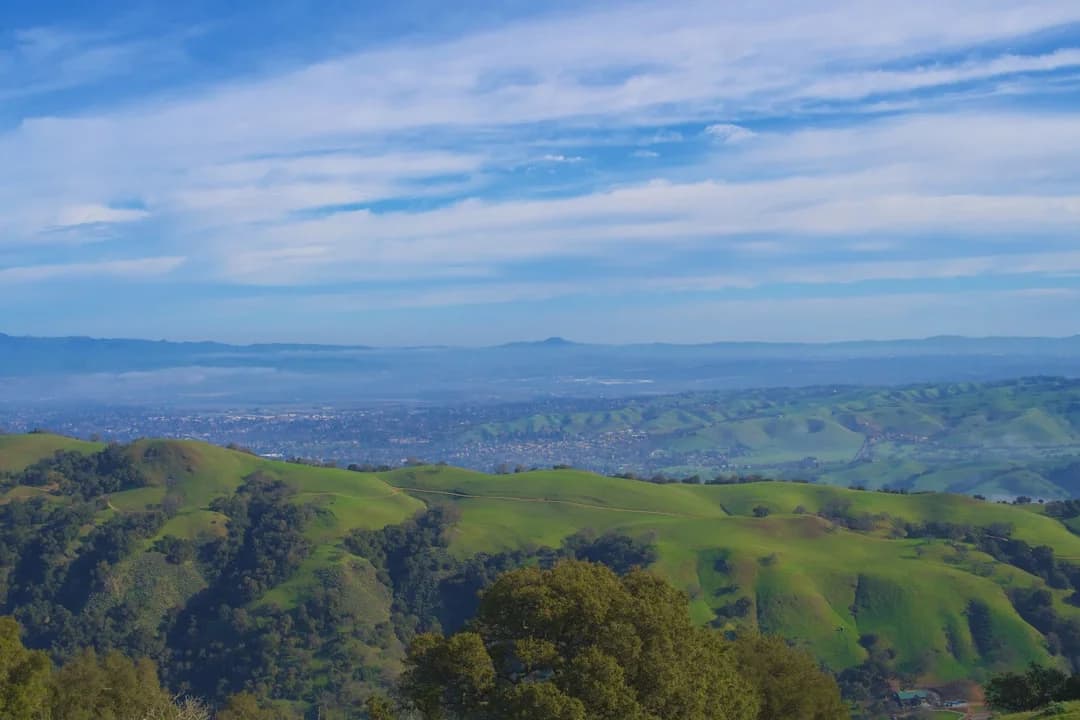
The SF Bay Area has long drawn weekenders to its rugged coastlines, from the Marin Headlands to the Santa Cruz shoreline. On April 16, 2026, the SF Bay Area Times publishes a data-driven update on Bay Area coastal weekend getaways, presenting the latest findings on demand, infrastructure, and economic impact. The report combines travel forecasts, hotel and short-term rental performance, and regional access changes to map how Bay Area residents and visitors plan, book, and enjoy coastal escapes in a rapidly evolving landscape. In an era of flexible work, tighter travel budgets, and growing climate considerations, the Bay Area coastal weekend getaways phenomenon matters more than ever. For readers, the core takeaway is straightforward: the coast remains an essential, economically meaningful escape valve for the region, but travelers are increasingly selective, data-driven, and time-constrained about how they spend a 48-hour or 72-hour break along California’s most scenic routes.
Statewide data supports the local story. Visit California and Tourism Economics projects show that while 2025 could bring a modest dip in total visits, California’s longer-run trajectory remains positive, with 2026 forecast to rebound and reach nearly 277 million visits statewide. Specifically, Tourism Economics’ February forecast indicates California visitor volume will grow about 1.8% in 2026, adding roughly 4.9 million visits for a total of about 276.6 million visits. Domestic travel spending is forecast to rise around 3.0% in 2026 after a 2.3% increase in 2025. These macro trends underpin the Bay Area’s coastal weekend getaways by shaping travel budgets, availability, and the pace of coastal recovery and investment. (industry.visitcalifornia.com)
Against this backdrop, a regional infrastructure milestone stands out for coastal weekend travelers: California’s Highway 1 corridor along the Big Sur coast reopened to around-the-clock traffic in January 2026 after years of storm-related closures and repairs. The reopening marks a critical inflection point for weekenders seeking H2O-and-hand-terrace views from Marin to Monterey and points beyond, enabling faster weekend loops and more reliable coastal itineraries. Caltrans and local partners have framed the improvement as a long-overdue step toward restoring the full coastal travel experience after multi-year disruptions. (apnews.com)
Meanwhile, local market signals from the coast show both demand resilience and the need for adaptive capacity. Half Moon Bay, a perennial Bay Area coastal weekend getaway, demonstrates the mixed dynamics of supply and demand. A 2026 dataset from AirROI indicates the city’s short-term rental market achieved roughly 51.2% occupancy with a median nightly rate near $449 and a RevPAR of about $231, reflecting robust—but not unlimited—reservation demand and some room for price optimization in shoulder seasons. These figures align with broader coastal tourism patterns in Northern California, where coastal communities have seen variable occupancy depending on weather, events, and overnight capacity. (airroi.com)
The fiscal health of coast-centered municipalities remains a useful lens. In Half Moon Bay, the city’s adopted budget notes a cautious expectation for TOT revenue to be flat year over year, given recent declines in tourism to the coast in certain periods. The fiscal context matters for ongoing investments in coastal access, harbor services, and visitor amenities that directly affect weekend trip planning. While the coast continues to attract visitors, municipalities are navigating a delicate balance between sustaining coastal economies and protecting environmental resources. (halfmoonbay.gov)
Marin County’s official tourism portal and other regional guides emphasize the coast as a short-trip option embedded in broader Bay Area weekend narratives. Marin’s weekend getaway itineraries highlight iconic stops such as Mount Tamalpais, the Tennessee Valley Trail, Point Reyes National Seashore, and coastal towns that provide a mix of hiking, seafood, and scenic drives. The Marin resource underscores that coastal fog, microclimates, and rapidly changing conditions can influence day-of plans, reminding travelers to consider weather variability when crafting a two-day escape. This local voice complements state-level forecasts and reinforces the coast’s role as a flexible, high-value weekend option near major employment hubs. (marincountyvisitor.com)
The convergence of forecasts, accessibility milestones, and local market data creates a clear, data-informed view of Bay Area coastal weekend getaways in 2026. The following sections unpack what happened, why it matters, and what’s likely to come next for travelers, businesses, and policymakers who rely on the coast for weekend relief, innovation, and economic vitality.
What Happened
Infrastructural milestones and access improvements reshape weekend travel plans along the Bay Area coast. The January 2026 reopening of the Big Sur segment of Highway 1 to continuous traffic represents a pivotal enabler for weekend loops that once required lengthy detours or longer trips. The reopened corridor reduces drive-time uncertainty and expands the number of possible 2- or 3-day itineraries that connect Marin’s inland hubs with Santa Cruz and Monterey County. The significance for Bay Area coastal weekend getaways lies not only in convenience but in the increased likelihood of spontaneous bookings and multi-stop coastal routes. AP News coverage of the reopening provides context for what such a milestone means in practical terms for travelers who want to cap a busy workweek with a coastal escape. (apnews.com)
Timeline: Key dates shaping 2025–2026 coastal travel
- 2024: California’s tourism economy reaches a record high in spending, underscoring the resilience of travel demand even as international arrivals fluctuate. The record spend of about $157.3 billion signals strong domestic and regional interest in coastal escapes and weekend trips. (gov.ca.gov)
- 2025: State-level forecasts project a modest downturn in total visitation, with an anticipated 1% decline in 2025 visits. This backdrop creates a sense of caution for coastal operators, while also highlighting opportunities for strategic marketing and seasonal promotions in places like Marin, Half Moon Bay, and Santa Cruz. (media.visitcalifornia.com)
- February 2026: Tourism Economics updates California’s forecast, projecting growth for 2026 and continuing momentum into the late 2020s. The forecast anticipates 276.6 million visits in 2026 and continued growth in domestic travel spending. For Bay Area coastal towns, these numbers translate into a favorable environment for weekend-getaway demand, if supply and pricing keep pace. (industry.visitcalifornia.com)
- January 2026: The Big Sur Highway 1 segment reopens for around-the-clock traffic after a multi-year challenge from landslides and storm damage, restoring a critical coastal corridor that supports weekend itineraries from the Bay Area. The reopening is widely covered as a signal of infrastructure recovery and improved regional accessibility. (apnews.com)
- 2026: Local coastal markets report mixed occupancy dynamics but generally strong interest in weekend stays, with Half Moon Bay showing occupancy near 51% and nightly rates around $449 in the latest data window, illustrating a stable but competitive market for short-notice coastal bookings. (airroi.com)
Why It Matters
Economic and workforce implications for the Bay Area The Bay Area’s coastal communities rely on weekend-getaway visitors to support a mix of small businesses, hospitality providers, and regional ports. The convergence of higher 2024 spending, a projected 2026 rebound in visits, and access improvements on Highway 1 points to a longer horizon where Bay Area residents and visitors can more reliably plan coastal escapes. This matters not only for hoteliers and restaurateurs but also for transportation planners who must manage weekend traffic surges and maintain coastal roads during shoulder seasons. In short, a healthier coastal travel ecosystem supports a broader segment of the Bay Area economy, from artisanal markets in Santa Cruz to family-owned eateries in Marin. The Visit California data set illustrates a broader macro trend in which domestic travel spending continues to rise in 2026, and the Bay Area stands to benefit when coastal routes are reliable and attractive to short-notice planners. (industry.visitcalifornia.com)
Local business resilience and adaptation Coastal towns have long experimented with price flexibility, creative accommodation options, and co-op marketing to attract weekend travelers. The Half Moon Bay occupancy data—51.2% occupancy with a $449 average nightly rate in 2026—signals that demand remains robust but price-sensitive. This implies hotels, B&Bs, and vacation rentals are balancing rate-setting with occupancy targets, particularly in shoulder seasons. The city’s budget notes a flat TOT outlook in the 2024–25 period, highlighting the risk that tourism volatility can translate into slower revenue growth for visitor-facing services. For business owners, the takeaway is clear: data-informed pricing, tailored promotions, and partnerships with coastal attractions can help convert weekend interest into actual bookings, even when broader tourism spending faces macro headwinds. (airroi.com)
Environmental and community considerations Coastal weekends are a magnet for outdoor activity, but they also carry environmental responsibilities. As the coast becomes more accessible, communities must balance visitor demand with habitat protection, traffic management, and resource sustainability. The broader tourism-economy literature emphasizes that outdoor recreation remains a major economic driver, with the outdoor recreation industry contributing tens of billions to California’s economy in recent years. While the exact figure varies by source, the general trend is clear: people are willing to spend on experiences that mix nature with quick travel, which has implications for coastal cleanups, parking management, and watershed protection programs. Policymakers and local leaders should continue to invest in sustainable infrastructure that supports weekend getaways without compromising coastal ecosystems. (axios.com)
Tech sector influence and the future of weekend getaways A key theme for the Bay Area is how technology-enabled work patterns affect leisure travel. Remote-work flexibility, flexible schedules, and the growth of “micro-trip” planning tools are changing when people book coastal weekends. Industry forecasts for travel suggest a modest recovery in 2026, but the practical effect for Bay Area coastal weekend getaways is that more people may plan spontaneous getaways, use shorter booking windows, and seek value-driven experiences (local tastings, tide-pool explorations, guided coastal hikes, and small-batch products). The result is a broader need for technology-enabled, mobile-first planning resources, real-time occupancy data, and transparent pricing to support travelers who want reliable, quick coastal escapes on weekends. The overall macro backdrop—demand growth, a strong outdoor recreation economy, and improved coastal access—supports the rationale for continued investment in coast-focused travel experiences. (industry.visitcalifornia.com)
What’s Next
Roadmap for 2026–2027: Anticipated developments in Bay Area coastal weekend getaways
- Infrastructure continuity and resilience: With Highway 1 fully reopened, the emphasis will likely shift to maintenance and resilience investments that prevent future service disruptions. This includes proactive storm-preparedness measures and improved detour planning to minimize weekend disruption. Local and state agencies will likely coordinate on maintenance cycles that balance safety with minimal weekend impact, especially during peak coastal travel seasons. The January 2026 reopening provides a baseline for measuring ongoing maintenance performance and response times. (apnews.com)
- Data-driven destination marketing: Expect continued use of data to guide coastal weekend promotions. State and regional tourism bodies are likely to lean on Forecasts from Tourism Economics and Visit California data to design targeted campaigns that align with expected growth in 2026 and beyond. The emphasis will be on practical itineraries, short stays, and experiences that can be booked quickly, reflecting the needs of busy Bay Area professionals seeking efficient weekend escapes. (industry.visitcalifornia.com)
- Capacity management and pricing strategies: With occupancy data showing market sensitivity to price and seasonality, coastal communities may experiment with dynamic pricing, multi-night discounts, and bundled experiences to optimize weekend revenue. Municipal budgets that depend on TOT will motivate a balance between attracting visitors and preserving coastal resources. Users can expect clearer, more transparent pricing across lodging platforms, with emphasis on weekend availability. (halfmoonbay.gov)
- Product and experience enhancements: The coast offers a rich mix of experiences—hiking, tide pools, wine country, seafood culture, and art scenes. Expect more packaged weekend itineraries that combine multiple coastal towns (e.g., Marin to Point Reyes, Tomales Bay to Half Moon Bay) into cohesive two- or three-day trips. Local operators may collaborate on cross-town passes or guided experiences to showcase the Bay Area’s varied coastal landscapes. The broader travel-market data confirms that domestic travelers will seek value and convenience, making multi-stop coastal itineraries a natural response. (industry.visitcalifornia.com)
What travelers should watch for
- Weather and microclimates: The Bay Area coast remains highly dependent on microclimate conditions. Fog can shift plans quickly, affecting beach days versus coastal hikes. Travelers should build flexible day plans and bring layers suitable for morning fog, afternoon sun, and evening sea breezes. Marin and Santa Cruz resources warn travelers to expect rapid changes in coastal weather, especially in shoulder seasons. (marincountyvisitor.com)
- Event and seasonality windows: Weekend demand tends to crest during warmer months and around local events. Practitioners in coastal markets should monitor event calendars (farms, markets, surfing competitions, and weddings) that can drive occupancy spikes. The 2026 occupancy data for Half Moon Bay suggests that even in a stable year, weekend surges occur around holidays and special events. (airroi.com)
- Transportation and safety: With more reliable highway access, traffic management will still matter, particularly on coastal routes that can bottleneck during peak periods. Downstream impacts include parking constraints in popular towns and the need for safe multi-modal options (bike lanes, shuttle connections, and pedestrian-friendly town centers). The reopenings and ongoing maintenance will influence traveler confidence and trip planning. (apnews.com)
Closing
The Bay Area’s coastal weekend getaways remain a vital, data-informed part of the regional travel ecosystem. The convergence of macro tourism growth signals, infrastructure improvements, and resilient coastal communities points to ongoing opportunities for travelers seeking quick escapes that combine ocean scenery with Bay Area accessibility. With Highway 1 back to full operation and statewide forecasts signaling a rebound in 2026, the coast is well-positioned to welcome weekend visitors who value efficiency, price-conscious planning, and experiential variability.
For travelers, planners, and industry stakeholders, the key to capitalizing on this moment is a blend of timely information, flexible itineraries, and responsible tourism practices that protect the coast for future weekend getaways. Stay tuned to SF Bay Area Times for ongoing coverage of Bay Area coastal weekend getaways, including deeper dives into regional pricing trends, infrastructure updates, and the evolving mix of experiences along the California coastline. Readers can also monitor Visit California’s travel forecast and local tourism pages for the latest numbers and planning considerations as coastal weekends continue to evolve in 2026 and beyond.
If you’re planning a Bay Area coastal weekend getaway soon, here are quick, practical takeaways:
- Choose a two-night plan to maximize coast-to-coast experiences without exhausting travel time.
- Prioritize towns with high-value experiences and flexible booking options, such as Half Moon Bay, Marin, Santa Cruz, and Pescadero, to balance cost against access and activities.
- Use real-time occupancy data and price alerts to lock in favorable rates during shoulder seasons.
- Prepare for weather variability by packing layers, waterproofs, and beach-appropriate gear, especially for dawn or dusk coastal excursions.
The Bay Area coast invites exploration with a data-informed approach. Whether you’re a tech professional carving out time for a 48-hour escape or a family planning a weekend that maximizes surf, scenery, and dining, the coastal corridor from Marin to Santa Cruz offers a resilient, diverse set of weekend options. As forecasts point to continued growth in domestic travel and as coastal infrastructure continues to improve, Bay Area residents and visitors should expect more opportunities to experience Bay Area coastal weekend getaways—efficient, affordable, and richly varied.