
Bay Area Housing Policy Reform 2026: New Zoning Changes
A data-driven look at Bay Area housing policy reform 2026, its timing, and what it means for renters, builders, and communities.
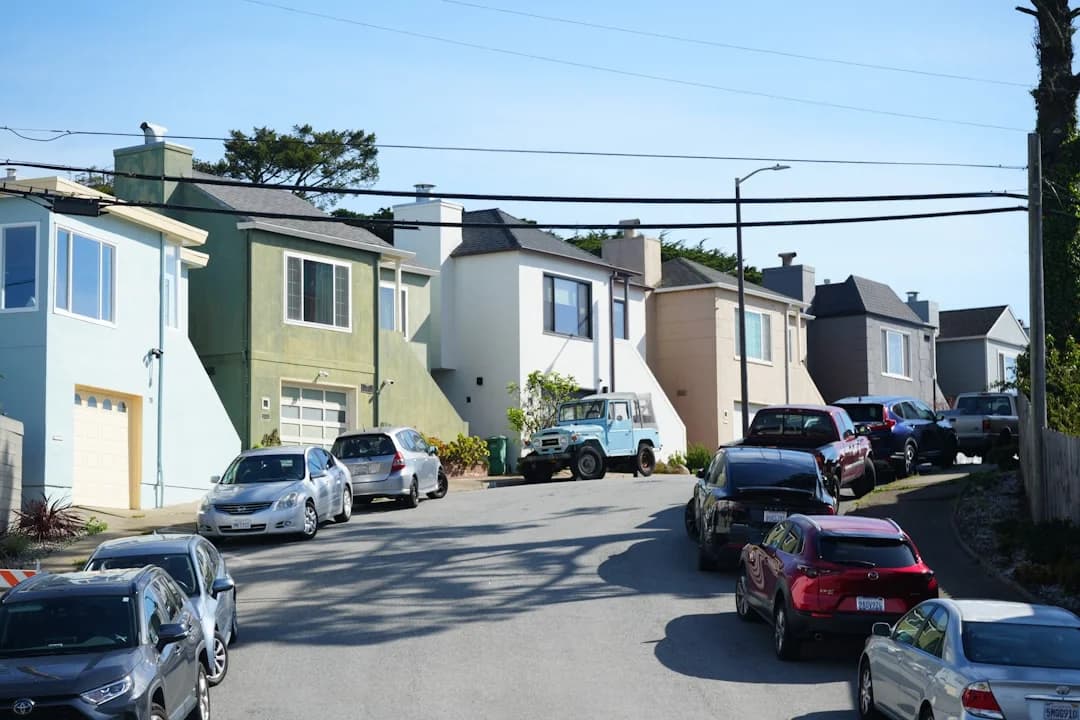
The Bay Area is navigating a pivotal year for housing policy reform 2026, with state and local reforms accelerating the pace of zoning changes and development. As cities race to align with statewide housing goals, the decisions made in the first half of 2026 will shape the region’s growth, affordability, and traffic patterns for years to come. The news cycle surrounding Bay Area housing policy reform 2026 centers on a pair of major developments: California Senate Bill 79, which establishes transit-oriented housing allowances near rail and bus lines with a start date in 2026, and San Francisco’s Homegrown Family Zoning Plan, a local reform package intended to unlock tens of thousands of new homes across the city. Together, these moves illustrate how the Bay Area is translating state mandates into local zoning choices that affect renters, developers, and neighborhoods alike. (hcd.ca.gov)
In San Francisco, the path to compliance with state housing targets has been a focal point of public policy debates and planning discourse. The city must submit a compliant rezoning plan by January 31, 2026, as part of meeting the state’s housing production obligations, and it is pursuing a framework that would increase allowable densities along major transit corridors while preserving neighborhood character in many areas. This deadline—January 31, 2026—frames a compressed but critical timeline for policy makers, planners, and the public to evaluate trade-offs between density, design quality, and community input. San Francisco’s approach, including the Family Zoning Plan, has generated both regulatory momentum and litigation concerns as neighbors raise environmental and displacement questions. (sfplanning.org)
Beyond municipal reforms, the broader Bay Area context includes state-level changes designed to accelerate housing near transit. California Senate Bill 79, commonly associated with TOD (transit-oriented development) reforms, is set to take effect on July 1, 2026, and is designed to allow qualifying projects to advance in locations adjacent to specified transit stops, with less reliance on local zoning discretion. The law preempts certain local control to streamline the creation of multi-family housing near transit nodes, a move intended to increase supply and reduce commute times for Bay Area residents who depend on regional rail and BART. The combination of SB 79’s timing and local rezoning efforts places the Bay Area in an important pilot phase for how state policy interacts with city planning in a high-demand housing region. (hcd.ca.gov)
Opening to Bay Area readers, this coverage uses a data-driven lens to explore not just what happened, but why it matters and what may come next for Bay Area housing policy reform 2026. The conversation now centers on how these reforms translate into tangible housing production, how they affect affordability trajectories, and how communities can participate in shaping outcomes. The Bay Area’s experience will also test how transit proximity, zoning reforms, and public investment align to deliver more homes without sacrificing neighborhood vitality. As the region moves through 2026, stakeholders will watch carefully for outcomes in rental costs, construction timelines, and community engagement metrics as indicators of success or challenge in this era of Bay Area housing policy reform 2026. (spur.org)
What Happened
Quick timeline of developments
San Francisco’s zoning reform efforts took center stage in late 2025 and carried into 2026 as officials pursued state-mandated housing targets. In December 2025, the San Francisco Board of Supervisors voted to adopt the Family Zoning Plan (FZP), a landmark package designed to reform the city’s zoning rules to allow more housing along transit corridors and in areas that previously limited density. This decision set the stage for the January 2026 compliance window and heightened scrutiny of how density increases would be implemented across diverse neighborhoods. The timing also intersected with California’s 2026 deadline for local agencies to adopt compliant zoning to meet the statewide housing goal of 82,069 new homes by 2031. SPUR and planning advocates documented how the city aimed to reach this target by expanding housing choice while balancing neighborhood concerns and infrastructure capacity. (spur.org)
In parallel, California’s SB 79, the Transit-Oriented Development act, was poised to reshape how Bay Area projects near transit could proceed. While SB 79 does not automatically require every city to adopt an ordinance, it makes qualifying TOD housing an allowed use on sites near transit stops within urban counties. The law became effective on July 1, 2026, with local jurisdictions required to process qualifying TOD housing developments and to consider alternative plans that align with statewide objectives. This creates a parallel track of policy reform—one that supports higher density near transit while requiring local governments to adapt their permitting processes and design standards to meet ambitious timelines. (hcd.ca.gov)
State and local officials have highlighted the role of housing accountability and streamlined review in accelerating project timelines. The California Department of Housing and Community Development (HCD) has underscored the importance of reducing barriers to housing production in cities like San Francisco, including actions required through the Housing Element process and related accountability units. These efforts are paired with regional funding programs such as the Affordable Housing and Sustainable Communities (AHSC) program, which in recent rounds has directed tens of millions of dollars toward transit-oriented affordable housing projects in the Bay Area. The institutional context—SB 79, the FZP, HCD oversight, and AHSC funding—shapes a multi-layered reform landscape for 2026 and beyond. (hcd.ca.gov)
Key provisions of Family Zoning Plan
San Francisco’s Family Zoning Plan is designed to expand housing opportunities by altering zoning standards along major corridors and transit routes, with specific attention to affordability, design quality, and community benefits. The plan includes a local housing bonus framework that provides incentives for developers to include more affordable units or to deliver housing near transit hubs. It also contemplates a more permissive approach to density in priority corridors while preserving guardrails around single-family neighborhoods, where appropriate. The package is framed as a set of reforms intended to meet state housing targets while maintaining neighborhood character and ensuring that growth aligns with citywide planning goals. The exact balance of density and design is shaped by ongoing planning studies, public input, and analyses of traffic, schools, parks, and infrastructure capacity. These considerations are central to the plan’s ambition to unlock tens of thousands of new homes over the next decade. (sf.gov)
The plan’s rationale has been explained in public communications: it aims to provide more housing on well-served corridors and within walkable, transit-rich neighborhoods, where existing infrastructure can support higher densities. The approach is intended to address the city’s housing shortage by expanding zoning capacity and enabling a mix of housing types, including multifamily developments. In practice, this means rethinking setback requirements, parking standards, and height limits in selected districts, while placing additional emphasis on design review processes to ensure compatibility with neighborhood context. Public statements emphasize a careful, phased implementation to minimize disruption and to balance equity considerations with market realities. (sf.gov)
The reform push is not without controversy. Local stakeholders have raised questions about environmental reviews, potential displacement, and the pace of permitting. In January 2026, news coverage and analysis highlighted ongoing litigation and advocacy around CEQA reviews and neighborhood opposition. Proponents argue that the reforms are necessary to meet state housing obligations and to reduce long-term price pressures, while opponents warn of gentrification risks and infrastructure gaps if growth outpaces capacity. The public conversation reflects a broader national debate about how to reconcile housing affordability with community preservation in dense urban neighborhoods. (axios.com)
State and local enforcement milestones
A critical enforcement milestone in this period is the HCD’s Housing Accountability Unit and related actions aimed at reducing unnecessary barriers to housing production. The HCD has highlighted that in San Francisco, a set of required actions—ranging from simplifying processing for compliant projects to expanding housing opportunities for group homes and adjusting certain development standards—are meant to translate policy reforms into tangible housing outcomes. This accountability framework is intended to complement local zoning reforms by ensuring that regulations do not create concealed bottlenecks that hinder project timelines. The alignment of state oversight with local zoning reform is a defining feature of the Bay Area’s 2026 housing policy reform landscape. (hcd.ca.gov)
In addition, regional and city-level funding mechanisms, including the AHSC program, are playing a supporting role by catalyzing TOD-focused housing projects near transit networks. The Bay Area’s transit network—BART, Caltrain, and regional rail—serves as the anchor for many TOD strategies, and continued AHSC investments help ensure that the infrastructure and affordable units required by the reforms can be financed and delivered. The Bay Area’s experience with AHSC funding demonstrates how transportation investments and housing production can be coupled to achieve environmental and social goals in a densely populated region. (sgc.ca.gov)
Why It Matters
Impacts on renters and housing supply

Photo by Letizia Aquilino on Unsplash
The Bay Area’s housing policy reform 2026 has the potential to reshape the rental market and overall housing stock in significant ways. City-by-city plans, led by San Francisco’s Family Zoning Plan, aim to unlock thousands of new units by expanding zoning allowances along transit corridors and in mixed-use districts. The state’s TOD reforms under SB 79 further augment this dynamic by providing a regulatory pathway for qualifying projects to move forward adjacent to transit stops. When combined, these reforms could increase the annual pace of housing production in the Bay Area, helping to address the region’s well-documented housing shortage and affordability pressures. Analysts note that the timeline matters: with the January 31, 2026 deadline for San Francisco’s compliance and the July 1, 2026 effective date for SB 79, the window for policy implementation and learning-by-doing is narrow, yet it is also a period of intense regulatory and market activity. (sfplanning.org)
From a renter perspective, the reforms hold the promise of more diverse housing options near job centers, schools, and transit, potentially offering more affordable rents and reduced commute times for a segment of residents. However, the realization of these benefits depends on successful permitting, efficient project approvals, and the alignment of infrastructure capacity with demand. SPUR’s analyses and public-facing briefings emphasize that the city must translate rezoning capacity into actual units and that a portion of the housing growth will need to be targeted toward deeper affordability to avoid exacerbating displacement pressures. The discussion around equity and displacement is an ongoing component of Bay Area housing policy reform 2026, underscoring the importance of inclusive planning processes and robust tenant protections. (spur.org)
Implications for developers and construction timelines
For developers, the Bay Area’s 2026 reforms offer a more predictable framework for pursuing higher-density projects near transit, along with new incentives such as housing bonuses and streamlined review processes. The TOD provisions of SB 79 may lower some of the traditional permitting hurdles by allowing higher-density uses in exchange for performance-based criteria, particularly in areas with strong transit access. In practice, this means developers can advance projects more quickly if they meet the program’s requirements, while local governments must maintain relevant environmental reviews and infrastructure planning. The interplay between state policy goals and local design standards will be critical in determining whether higher-density proposals translate into shovel-ready projects. (hcd.ca.gov)
Nevertheless, market dynamics and local political dynamics will influence the pace at which reforms produce tangible housing units. The Bay Area’s complex land-use patterns, sensitive neighborhood dynamics, and the region’s high construction costs add layers of risk for developers. The public discourse, including litigation and neighborhood opposition, indicates that policy reforms will require ongoing negotiation, transparent data-sharing, and iterative adjustments to zoning codes and review processes. Ensuring that approvals keep pace with demand will require sustained coordination among city planning departments, state agencies, and community stakeholders. (axios.com)
Equity considerations and neighborhood effects
Equity has emerged as a central theme in Bay Area housing policy reform 2026. Proponents argue that reforms can unlock affordable housing in neighborhoods that have historically faced supply constraints, while opponents warn about potential displacement and impacts on neighborhood character. The public record includes debates about CEQA reviews, the scope of environmental impact analyses, and how to balance expedited reviews with thorough scrutiny. In San Francisco, the Family Zoning Plan includes provisions intended to facilitate the construction of more housing across diverse neighborhoods, but the path to equitable outcomes will depend on how the city implements inclusionary housing requirements, tenant protections, and targeted affordability programs. The ongoing legal challenges illustrate the tension between speed, affordability, and community concerns. (axios.com)
Experts from planning organizations and think tanks emphasize that the Bay Area’s policy reform strategy should be complemented by robust data collection and quarterly performance metrics. SPUR, for example, has highlighted the importance of monitoring how changes influence housing supply, commute patterns, and access to opportunity across neighborhoods with varying resource levels. The goal is not only to increase the number of housing units but to ensure that the location, affordability, and design of new homes contribute to more inclusive growth. The 82,069-unit target set for 2031 provides a clear horizon, but the path to achieving it will require adaptive management, community engagement, and transparent reporting on progress and trade-offs. (spur.org)
What’s Next
Next steps for San Francisco and Bay Area cities
With the January 31, 2026 deadline approaching and the July 1, 2026 SB 79 effective date on the horizon, San Francisco and neighboring Bay Area cities face a coordinated period of policy refinement, public outreach, and regulatory alignment. The key next steps include finalizing the detailed implementing regulations for the Family Zoning Plan, publishing implementation guidance for developers and community groups, and conducting ongoing CEQA analyses where required. City planning departments will likely host public meetings, environmental reviews, and technical workshops to clarify how density increases will be integrated with infrastructure capacity, traffic management, school capacity, and open space planning. Observers are watching closely to see how quickly cities can translate new zoning allowances into permitted projects, and how the local incentives will influence the mix of market-rate and affordable units. (sfplanning.org)
For San Francisco specifically, the formal adoption and rollout of the FZP will continue to unfold through early 2026, with updates expected as the city submits its compliant plan to meet the state’s housing target. SPUR and other planning organizations will likely publish post-adoption analyses that examine anticipated unit counts, distribution by neighborhood, and potential traffic and infrastructure implications. The broader Bay Area will also be watching how SB 79’s TOD provisions interact with existing zoning and permitting regimes in cities across the region, including places with high transit access as well as peripheral neighborhoods seeking revitalization through increased density. (spur.org)
What to watch for in 2026
A few critical indicators will help gauge the success or challenges of Bay Area housing policy reform 2026. First, the number of new housing units permitted and constructed in San Francisco and other Bay Area cities will serve as a direct measure of policy impact on supply. Regional data releases and city-level reporting in 2026 will reveal whether the density allowances near transit stops translate into actual housing production, and how much of the new supply is allocated to affordable housing. Second, the status and outcomes of CEQA reviews and environmental challenges will influence the pace of approvals and the scope of project delays. Third, the degree of alignment between state incentives (like SB 79 TOD) and local design standards will affect the feasibility of proposed developments and the predictability of timelines for developers. Finally, renter-focused outcomes—such as changes in rent levels, vacancy rates, and displacement risk—will be essential metrics for evaluating whether Bay Area housing policy reform 2026 is delivering on its affordability promises. (hcd.ca.gov)
As Bay Area cities navigate these reforms, it will be important to distinguish between headline density increases and realized housing affordability improvements. The AHSC program’s investments in transit-oriented housing and broader state efforts to streamline environmental reviews are part of a broader strategy to align climate goals with housing needs, a pattern evident in state and regional planning efforts. For readers and stakeholders, the key question remains: will Bay Area housing policy reform 2026 translate into a measurable increase in affordable homes while preserving neighborhood character and maintaining high quality urban life? The data in 2026 and 2027 will begin to answer that question, but the trajectory will depend on policy execution, market conditions, and the strength of community engagement in the development process. (sgc.ca.gov)
Contextual backdrop: regional housing targets and transit orientation
The Bay Area’s reform efforts are set within a broader framework of regional housing goals and transit-oriented development strategies. San Francisco’s planning narratives emphasize expanding housing choice along corridors and near existing transit lines, a logic that aligns with state TOD provisions and the goal of reducing vehicle miles traveled while supporting compact, walkable neighborhoods. The regional context includes a recognition that transit investments and housing supply are interdependent, with the potential for TOD to improve service efficiency and broaden access to employment opportunities. Analysts note that reaching an 82,069-unit regional objective by 2031 requires not only zoning changes but also robust infrastructure planning, school and park capacity considerations, and effective tenant protections to ensure that growth yields equitable benefits. The Bay Area’s ongoing experiments with zoning reform and TOD illustrate how a dense urban region can attempt to modernize its housing policy framework while managing the complexities of a diverse set of communities. (spur.org)
- The city’s press and planning communications emphasize that the Family Zoning Plan and related reforms are not isolated actions; they are pieces of a wider, coordinated strategy to align local housing production with state mandates and regional transportation goals. As San Francisco and other Bay Area cities finalize implementing regulations and begin permitting new projects, observers will evaluate the effectiveness of these policy levers in delivering more homes, stabilizing rents, and supporting vibrant neighborhoods with accessible transit. The interplay between state law, city zoning, and local community input will continue to shape the evolution of Bay Area housing policy reform 2026. (sf.gov)
Closing
The Bay Area’s housing policy reform 2026 marks a watershed moment for how state-level directives and local zoning practices interact to shape housing availability and affordability in one of the nation’s most dynamic and densely populated regions. As SF’s Family Zoning Plan advances toward January 31, 2026, and SB 79 begins to apply to qualifying transit-adjacent developments on July 1, 2026, the region faces a window of opportunities to accelerate housing production while navigating concerns about equity, displacement, and infrastructure readiness. The coming months will provide a critical test of whether policy reforms can translate into concrete outcomes for renters, developers, and neighborhoods without sacrificing long-term quality of life or environmental standards. For readers who want to stay informed, city planning offices, SPUR’s analysis, and HCD updates offer reliable channels for tracking progress on the Bay Area’s evolving housing policy reform 2026.
In the weeks ahead, Bay Area residents and stakeholders should monitor official updates from the San Francisco Planning Department, the California Department of Housing and Community Development, and major regional outlets. Key indicators to watch include rezoning implementation milestones, the pace of permitted projects near transit, and early results from AHSC-funded TOD initiatives. These data points will provide early signals about how the Bay Area is translating 2026 policy reforms into real housing outcomes and how the region’s housing market responds to new incentives and streamlined approvals.
For ongoing coverage, readers can follow state and local agency dashboards, SPUR’s post-adoption analyses, and reputable local news outlets that cover zoning, development, and housing affordability. The Bay Area’s path forward will depend on careful implementation, transparent accountability, and ongoing engagement with communities most affected by housing policy reforms in 2026 and beyond.
Sources and further reading:
- California Senate Bill 79 (TOD) and related guidance from the California Department of Housing and Community Development. https://www.hcd.ca.gov/planning-and-research/sb79-tod (hcd.ca.gov)
- San Francisco Board of Supervisors: Family Zoning Plan adoption and FAQs. https://sfbos.org/supervisor-sauter-family-zoning-plan-faq and https://sfplanning.org/project/expanding-housing-choice (sfbos.org)
- SPUR analysis and coverage on San Francisco’s Family Zoning Plan and state deadlines. https://www.spur.org/news/2026-01-28/how-san-franciscos-family-zoning-plan-got-passed and https://www.spur.org/news/2025-04-28/mayor-luries-family-zoning-plan-leap-forward-san-francisco-housing-policy (spur.org)
- SF.gov coverage of policy context and local announcements. https://www.sf.gov/news-mayor-lurie-introduces-family-zoning-legislation-to-make-city-affordable-for-generations-of-san-franciscans (sf.gov)
- News coverage of geographic and litigation dynamics around zoning reform and CEQA in the Bay Area. https://www.axios.com/local/san-francisco/2026/01/09/sf-zoning-lawsuit-ceqa-housing-family-zoning-plan-lurie and https://www.axios.com/local/san-francisco/2025/12/03/family-zoning-plan-lurie-board-of-supervisors-sf (axios.com)
- AHSC program updates and Bay Area transit-oriented housing investments. https://sgc.ca.gov/newsroom/news/2025/06-13/ (sgc.ca.gov)
- California housing policy and planning updates related to environmental reviews and implementation timelines. https://apnews.com/article/3b6302f233f02f758269dd7e564bcaaf and https://turn0search10([apnews.com](https://apnews.com/article/3b6302f233f02f758269dd7e564bcaaf?utm_source=openai))