Bay Area Lunar New Year events 2026: Major celebrations
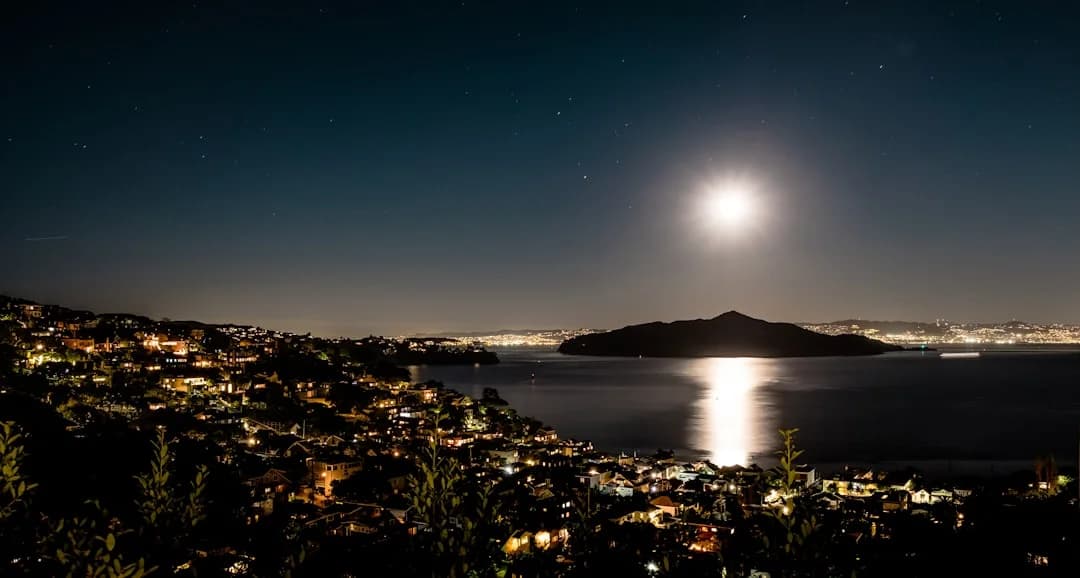
Photo by Jamie Attfield on Unsplash
The Bay Area is ramping up for a busy Lunar New Year in 2026, with a broad slate of events spanning San Francisco, Oakland, San Mateo County, and nearby cities. From street fairs and night markets to concerts, parades, and library-led programs, the Bay Area Lunar New Year events 2026 calendar reflects a coordinated effort by cultural organizations, city agencies, and local businesses to celebrate the Year of the Horse while supporting community engagement and regional economic activity. The Moon arrives with a mix of marketplace energy, family-friendly activities, and high-profile cultural performances, underscoring how Lunar New Year celebrations continue to serve as a catalyst for tourism, small business activity, and cross-cultural exchange in the Bay Area. This coverage provides a data-driven look at what happened, what it means, and what readers should watch next as the season unfolds. Bay Area Lunar New Year events 2026 are shaping up to be a benchmark for how cities blend tradition with modern urban life, and how local institutions coordinate to maximize accessibility and impact for residents and visitors alike. (sf.funcheap.com)
Opening with the latest, the Sunset Night Market returns for Lunar New Year on Friday, February 27, 2026, in the Outer Sunset, kicking off a four-part series inspired by Asian night markets. The event, held at Sunset Mercantile (Irving Street between 20th and 25th Avenue), runs from 5:00 pm to 10:00 pm and is free to attend, featuring a diverse lineup of food vendors, crafts, and live entertainment designed to welcome attendees into the Year of the Horse with a vibrant community vibe. The Sunset Night Market is a signature anchor of the Bay Area’s Lunar New Year calendar, drawing locals and visitors to a neighborhood that’s increasingly seen as a focal point for culturally oriented cuisine and small-business showcases. This year’s edition marks a notable return after pandemic-era adjustments and demonstrates how local organizers are leveraging a maker-market format to create value for both vendors and shoppers. (sf.funcheap.com)
In parallel, major cultural institutions and city-sponsored programs are aligning around Lunar New Year 2026 with high-profile events. The San Francisco Symphony’s annual Lunar New Year celebration, Year of the Horse, is scheduled for Saturday, February 28, 2026, at Davies Symphony Hall. The program features a concert and a celebratory banquet, with preconcert receptions and a focus on both traditional and contemporary performances that highlight Asian cultural influences within the Bay Area’s arts ecosystem. This event is positioned as a core cultural touchstone for the region, attracting attendees from across the Bay Area and contributing to the cultural economy surrounding classical music performances tied to Lunar New Year themes. Proceeds from the event support the Symphony’s broader artistic and community programs. (sfsymphony.org)
Also on February 28, 2026, the Oakland Chinatown Lunar New Year Parade unfolds from 11:00 am to 4:00 pm, a visual and musical procession through downtown Oakland that showcases lion dances, drumming, and live performances. The parade is a longstanding community tradition that draws thousands of spectators and highlights the Bay Area’s diverse Asian American communities. After the parade, additional performances and vendor offerings extend the celebration, reinforcing the day’s role as a major regional gathering. Visitors are encouraged to consult Visit Oakland for parade specifics and linked events. (nbcbayarea.com)
Meanwhile, Redwood City and the broader Peninsula area host the 15th annual Lunar New Year celebration on Saturday, February 28, 2026, at the San Mateo County History Museum and surrounding Courthouse Square. The event features lion dancing, martial arts demonstrations, taiko drumming, and family-friendly arts and crafts, with free admission to the county museum for attendees. The Redwood City festivities exemplify how regional hubs beyond San Francisco participate in Lunar New Year traditions, creating network effects that benefit nearby hotels, restaurants, and recreation spaces. (nbcbayarea.com)
In addition to these headline events, a constellation of city and library programs is expanding access to Lunar New Year learning and cultural programming. The San Francisco Public Library released a comprehensive slate of free, all-ages activities in January and February 2026, including Lion Dance performances, calligraphy workshops, lantern-making, and a multi-day Lion Dance series in collaboration with local cultural groups. The library’s programming centers on the Year of the Horse with an emphasis on education, culture, and intergenerational participation, reflecting a broad community outreach approach that complements the larger city and private-sector events. The library calendar also features the ongoing Heartbeats, Drumbeats: Community as One event on February 24, 2026, a joint Black History Month and Lunar New Year celebration that blends performance, youth poetry, and music. (sfpl.org)
South San Francisco hosts a separate Lunar New Year Celebration on Saturday, February 7, 2026, featuring a lion dance by LionDanceME, opening remarks from local leaders, and a craft-focused, family-friendly program designed to offer an early-year lunar festival option for residents on the Peninsula. This event, hosted at the city’s Civic Campus site, demonstrates how suburban communities are integrating Lunar New Year programming to engage residents and support local libraries and parks. The schedule emphasizes hands-on activities such as DIY crafts and zodiac activities, with free admission and a family-oriented format. (ssfca.gov)
Beyond January and February, the Bay Area’s Lunar New Year calendar includes the Chinatown Community Street Fair on the weekend of March 7–8, 2026, in San Francisco’s Chinatown, along with the annual Chinese New Year Parade on March 7, 2026. The SF Chinatown Street Fair is a widely anticipated event that showcases cultural arts and crafts, sampling, and performances, while the Chinese New Year Parade is described by organizers as one of the world’s top ten parades and the largest Lunar New Year celebration outside Asia. As always, bleacher seating options are available for spectators who want a closer view of the parade route, with a detailed route published by the parade organizers. (sf.funcheap.com)
What Happened: detailed timeline and key facts
-
Sunset Night Market returns for Lunar New Year (Sunset District, San Francisco)
- Date and time: Friday, February 27, 2026, 5:00 pm–10:00 pm
- Venue: Sunset Mercantile area in the Outer Sunset (Irving Street between 20th and 25th avenues)
- Scope: Four-part series emphasizing food, culture, music, and local vendors
- Context: The event marks a continuation of a Bay Area Night Market tradition adapted for Lunar New Year, with emphasis on family-friendly programming and cross-cultural exchange. (sf.funcheap.com)
-
Lunar New Year concerts and cultural events across the Bay Area on February 28, 2026
- San Francisco Symphony Lunar New Year: Year of the Horse
- Date and time: February 28, 2026, 5:00 pm concert, with preconcert receptions
- Venue: Davies Symphony Hall, 201 Van Ness Ave., San Francisco
- Program notes: The concert blends traditional and contemporary performances to honor Lunar New Year customs; a banquet follows the concert. Proceeds support the Symphony’s programs. (nbcbayarea.com)
- Oakland Chinatown Lunar New Year Parade
- Date and time: February 28, 2026, 11:00 am–4:00 pm
- Route/venue: Wilma Chan Park area and surrounding streets in Oakland Chinatown
- Additional activities: Post-parade live performances and food vendors
- Context: The parade is a signature community event for Oakland’s Chinatown and a key regional attraction for Lunar New Year celebrations. (nbcbayarea.com)
- Lunar New Year celebrations in Redwood City (San Mateo County History Museum and Courthouse Square)
- Date and time: February 28, 2026, 11:00 am–4:00 pm
- Activities: Lion dancing, martial arts, taiko, and crafts; free museum admission for attendees
- Context: Redwood City’s event is part of a broader cross-county Lunar New Year ecosystem that extends the Bay Area’s cultural calendar into the Peninsula. (nbcbayarea.com)
- San Francisco Symphony Lunar New Year: Year of the Horse
-
January–February library and community programs shaping the calendar
- San Francisco Public Library “Celebrate the Year of the Horse” programming
- Highlights include Lion Dance performances, Chinese calligraphy, lantern crafting, and special exhibitions
- Notable event: Heartbeats, Drumbeats: Community as One on February 24, 2026, at the Main Library
- Details emphasize wide accessibility and cross-organizational collaboration (with partners like the San Francisco Human Rights Commission and APA Heritage Foundation). (sfpl.org)
- South San Francisco Lunar New Year Celebration
- Date and location: Saturday, February 7, 2026; 10:30 am–1:00 pm; Green Area, 901 Civic Campus Way
- Program: Lion dance, crafts, and family activities; free event
- This event illustrates how city-level programming expands Lunar New Year options beyond the central urban core. (ssfca.gov)
- San Francisco Public Library “Celebrate the Year of the Horse” programming
-
Oakland and San Francisco Chinatown economic and cultural activities in late February and early March
- Oakland Chinatown Lunar New Year Bazaar (Bar-ready and family-friendly vendor event)
- Dates: January 31–February 1, 2026
- Location: Oakland Chinatown, 388 9th St., Oakland
- Focus: Local vendors and cultural programming, with sponsorship and community engagement opportunities
- The Bazaar is part of a broad Oakland Chinatown calendar that includes parades and other family activities. (oaklandchinatownchamber.org)
- San Francisco Chinatown’s Lunar New Year Street Fair and Parade
- Street Fair: March 7–8, 2026, in Chinatown surrounding the parade weekend
- Parade: March 7, 2026, starting at 5:15 pm at Second & Market and ending near Van Ness/Columbus
- Significance: The SF Chinatown Parade is widely recognized as a premier Lunar New Year celebration and one of the region’s largest and most watched events. (sf.funcheap.com)
- Oakland Chinatown Lunar New Year Bazaar (Bar-ready and family-friendly vendor event)
Why It Matters: impact analysis and broader context
-
Cultural and community impact
- The Bay Area’s Lunar New Year events 2026 calendar demonstrates a sustained commitment to cultural celebration across multiple neighborhoods, with cross-cutting partnerships among libraries, museums, chambers of commerce, and city agencies. The San Francisco Public Library’s Year of the Horse programming, for example, foregrounds inclusive, all-ages engagement and ties to Black History Month programming, reflecting a broader approach to community-building around Lunar New Year. This aligns with city-level messaging about investing in cultural traditions and local businesses as part of a resilient urban ecosystem. (sfpl.org)
- City and county calendars emphasize accessibility and education, with free or low-cost programs designed to introduce diverse communities to Lunar New Year customs. The South San Francisco event and Redwood City’s Moon Festival-style offerings illustrate how suburban cities participate in a regional calendar that expands the reach of Lunar New Year beyond San Francisco proper. (ssfca.gov)
-
Economic and market implications
- The Sunset Night Market’s Lunar New Year edition signals continued demand for culturally themed, vendor-driven experiences in Bay Area neighborhoods. The event’s return—touted as a four-part series with food, crafts, and live music—highlights the ongoing role of street-market formats in driving local spending, supporting small businesses, and attracting foot traffic to neighborhood corridors. The event’s placement in a high-visibility area like Sunset and its alignment with Lunar New Year could provide short-term revenue uplift for participating vendors and long-term brand-building opportunities for the neighborhood. (sf.funcheap.com)
- Major cultural institutions, such as the San Francisco Symphony, contribute to the Bay Area’s cultural economy by drawing patrons to established venues while partnering with community programs that fund education and access. The Lunar New Year concert and banquet not only generate ticket sales but also support the Symphony’s broader mission—and the event’s upscale banquet format may foster cross-promotional opportunities with local restaurants and hospitality providers. (sfsymphony.org)
- Parades and street fairs, such as the Oakland Chinatown Parade and the SF Chinatown Street Fair, create cross-sector economic benefits through tourism, hospitality, and retail activity around the event corridors. These gatherings also function as marketing channels for local businesses and cultural organizations, reinforcing the Bay Area’s overall appeal as a diverse, event-driven region. (nbcbayarea.com)
-
Technology and innovation context
- The Bay Area’s Lunar New Year activity intersects with a tech-forward culture that values data-driven planning and scalable community experiences. Major institutions (California Academy of Sciences, Exploratorium) are integrating Lunar New Year themes into tech-minded experiences (NightLife, After Dark), which reflects how science centers and museums position cultural programming within broader STEM education and community engagement. This fusion of culture and tech is emblematic of the region’s approach to public-facing programs that blend tradition with modern interactivity. (nbcbayarea.com)
- Local media coverage (NBC Bay Area) emphasizes the breadth of programs—from parades and night markets to civic events and school-run activities—illustrating how media ecosystems support a data-informed understanding of cultural events. The coverage also helps calibrate public expectations for crowd sizes, transit planning, and vendor participation, which in turn inform municipal and business planning strategies. (nbcbayarea.com)
What's Next: timeline, next steps, and watch points
-
Early March milestones and continuing Lunar New Year momentum
- March 7, 2026: The San Francisco Chinese New Year Parade, widely recognized as one of the world’s top Lunar New Year parades, with a detailed route through San Francisco’s Chinatown area starting at 5:15 pm. Bleacher seating is available for spectators, and the parade route is widely publicized to help attendees plan travel and viewing. This event caps a weekend that includes the Chinatown Street Fair on March 7–8, offering a multi-day continuity of Lunar New Year programming. (chcp.org)
- March 7–8, 2026: San Francisco Chinatown Community Street Fair, a complement to the parade with cultural arts, performances, and vendor opportunities across Chinatown. The fair’s timing reinforces the city’s Lunar New Year weekend centerpiece, offering a broader platform for small businesses and local artists. (sf.funcheap.com)
- March 2, 2026: San Francisco Chinatown YMCA Lunar New Year Run, a community event that combines fitness and charitable fundraising with Chinatown’s Lunar New Year festivities. The run is a long-standing component of the year’s calendar, providing a high-visibility community activity that links the Lunar New Year to civic engagement and youth programs. (nbcbayarea.com)
-
Ongoing engagement and audience development
- Library and cultural institutions will continue to roll out programming in February and into early March, with a focus on accessibility, education, and cross-cultural dialogue. The SF Public Library’s programming schedule and the ongoing partnership with community organizations indicate that readers and residents should monitor library calendars for new Lunar New Year offerings, including workshops, performances, and exhibitions that run through February and into March. (sfpl.org)
- City and regional guides continue to publish event lists and calendars that help residents plan around traffic and transit impacts during peak Lunar New Year periods. The Bay Area guide produced by local media outlets and city portals emphasizes the need to check official calendars for last-minute updates, ticketing notes, and venue changes as the events approach. (sf.funcheap.com)
-
What to watch for in the data
- Attendance and crowd estimates: Major parades, concerts, and street fairs typically publish approximate attendance figures after the events. Readers should expect updates from event organizers and local media in the days following each event, with possible dispersion by neighborhood (e.g., Chinatown, Sunset, Oakland) as crowd patterns diverge. NBC Bay Area and local outlets often provide real-time coverage and post-event analysis that can serve as a baseline for comparing year-over-year momentum. (nbcbayarea.com)
- Economic impact signals: Small businesses in the Sunset District, Chinatown, and Oakland’s Chinatown are likely to report varying levels of activity around Lunar New Year events. While hard-increment numbers may not be published in every case, vendor participation trends, market expansion, and cross-promotion with local hotels and restaurants can act as proxies for the season’s economic effect. Analysts and local chambers frequently publish year-over-year comparisons in post-event roundups, which readers should track for a fuller sense of economic impact. (sf.funcheap.com)
- Transit and infrastructure considerations: Large cultural events influence traffic, parking demand, and public transit usage. City planners and transit agencies commonly issue advisories to manage flows during peak days (for example, parade weekends and major night-market events). Readers should expect transit updates that help attendees navigate crowded corridors and choose optimal routes. (nbcbayarea.com)
Closing: staying updated and how to engage The Bay Area’s Lunar New Year events in 2026 illustrate a multi-layered approach to cultural celebration that spans city government, cultural institutions, libraries, and local businesses. From a Sunset Night Market kickoff to high-profile concerts, parades, and family-friendly library programs, the Bay Area Lunar New Year events 2026 calendar offers something for almost every interest while reinforcing the region’s reputation as a hub of innovation, community, and inclusivity. To stay updated, readers should follow official event calendars published by the San Francisco Symphony, Visit Oakland, Visit San Francisco Chinatown organizations, and the San Francisco Public Library, as well as city portals such as sf.gov’s Lunar New Year hub and South San Francisco’s events page. These sources provide the most reliable, up-to-date details on dates, times, venues, and any last-minute changes that could affect plans. (sfsymphony.org)
In sum, Bay Area residents and visitors can expect a rich, data-informed Lunar New Year season in 2026, with a broad array of events that blend cultural traditions with contemporary experiences. As the calendar unfolds, SF Bay Area Times will continue monitoring attendance, vendor participation, and city-led programs to provide timely, factual updates that help readers understand the evolving dynamics of these celebrations and their broader implications for technology, markets, and community life.