Bay Area Outdoor Bucket List 2026: Trails and Challenges

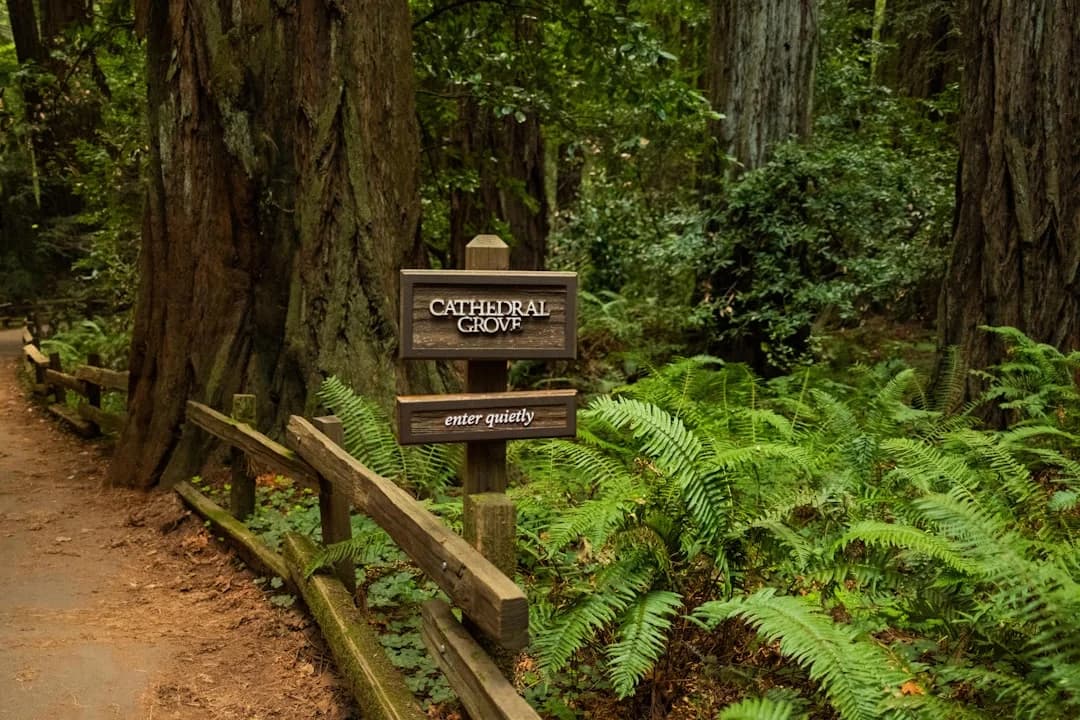
Photo by taylor Annis on Unsplash
The Bay Area continues to set the pace for outdoor exploration in 2026, as the region’s public and media ecosystems align around a compelling idea: a Bay Area outdoor bucket list 2026 that blends high-profile hikes with structured, community-driven challenges. In a move that underscores the enduring appeal of outdoor exploration here, SF Bay Area Times reports on two parallel developments shaping the Bay Area outdoor bucket list 2026: Axios San Francisco’s curated bucket-list challenges and the East Bay Regional Park District’s Trails Challenge. The convergence of these initiatives illustrates how data-driven approaches, public health goals, and civic engagement are shaping outdoor recreation in the Bay Area, with implications for readers who want to plan purposeful, year-long adventures. The reporting also highlights how local media and public agencies cooperate to translate a broad concept—outdoor exploration—into concrete, trackable activities that residents can undertake across multiple counties. This matters because it creates a shared, measurable framework for outdoor participation, tourism, and community health, all anchored in the Bay Area’s distinctive geography and climate. Readers should watch how these efforts unfold through 2026 as they convert ideas into accessible routes, supportive partnerships, and measurable outcomes within the Bay Area outdoor bucket list 2026. (axios.com)
Axios San Francisco’s January 21, 2026 feature, “Your 2026 outdoor bucket list challenge,” acts as a marquee for the broader Bay Area outdoor bucket list 2026 by outlining a set of curated, high-impact activities across the Bay Area. The piece invites readers to knock off as many elevated outdoor challenges as possible within the calendar year, positioning these experiences as both personal achievements and data-driven milestones for the region’s outdoor culture. The list spans iconic Bay Area locations and iconic experiences—from hikes with panoramic views to endurance challenges—designed to push participants while accommodating a range of fitness levels. The article explicitly highlights hikes and activities like Mount Tamalpais, the Six-Pack of Peaks Challenge, coast-hugging coastal treks, and classic Bay Area races and routes, offering a practical blueprint for locals and visitors who want a yearlong plan anchored in Bay Area geography. This Bay Area outdoor bucket list 2026 framing—assembled for readers seeking repeatable, city-scale outdoor goals—reflects a broader trend in which media outlets catalyze regional outdoor participation with carefully scoped, time-bound itineraries. (axios.com)
Separately, the East Bay Regional Park District formally launched its 2026 Trails Challenge at the end of 2025, signaling another pillar of the Bay Area outdoor bucket list 2026. The district announced that the 2026 Trails Challenge would run from January 1, 2026, through December 31, 2026, inviting residents and visitors to explore a curated set of trails across Alameda and Contra Costa counties. The program is free to join, with a printable or downloadable guidebook and a commemorative T-shirt for participants, reinforcing accessibility and public health objectives through outdoor recreation. The Trails Challenge centers on 20 designated trails that span a spectrum of difficulty and scenery, with a dual finish path: complete five of the listed trails or accumulate 26.2 miles within the East Bay Regional Park District’s network. The timeline is tight and clear: start January 1, 2026, and log by December 31, 2026 for a finishers’ pin and other incentives, all supported by the Regional Parks Foundation, Kaiser Permanente, and AllTrails, which provides a three-month AllTrails Plus membership via a QR code in the guidebook. This official rollout confirms a concrete, year-long framework that complements Axios’s more generalized bucket-list concept and adds a strong public-health and accessibility emphasis to the Bay Area outdoor bucket list 2026. The Spanish-language edition is scheduled to appear online and in centers by mid-January 2026, expanding reach and reinforcing the program’s commitment to inclusivity. (ebparks.org)
Section 1: What Happened
Axios's 2026 Outdoor Bucket List Highlights
The Axios piece provides a tangible, reader-friendly menu of Bay Area outdoor bucket list 2026 milestones designed to mobilize participation across the region. The article organizes a mix of iconic Bay Area routes and marquee events into a single-year challenge, encouraging readers to set concrete targets for hiking, swimming, running, and biking across the season. Among the featured entries, Mt. Tamalpais boasts an 8.8-mile loop starting at Pantoll Campground and following the Matt Davis and Fern Creek Trail to Mount Tam East Peak, with a typical 4.5–5 hour duration and a 1,715-foot elevation gain. The piece also highlights the Six-Pack of Peaks Challenge, which invites participants to tackle six Bay Area peaks on their own schedule—whether six months, six weeks, or six days—and notes that individual trail distances vary from six to 20 miles per hike. These notes emphasize that the Bay Area outdoor bucket list 2026 is as much about pacing and planning as about distance. The article’s broader rationale is to offer an appealing, achievable, data-friendly framework for outdoor participation—one that can be tracked and celebrated as a shared regional experience. (axios.com)
In addition to mountaintop summits, Axios includes maritime and coastal experiences that reflect the Bay Area’s distinctive geography. Swimming at Aquatic Park Cove is presented as a practical alternative to hiking for those who prefer water-based challenges, with a roughly 0.35-mile lap distinguished as a doable entry point for open-water enthusiasts and a gateway to Bay Area coastal recreation. The piece also spotlights Alamere Falls, a rare tidefall along Marin’s coastline, offering a 13.8-mile out-and-back hike and a 1,784-foot elevation gain, with cautions about eroding cliffs and safety considerations in exposed coastal terrain. The Dipsea Race—one of the oldest trail races in the United States—is highlighted as a bucket-list staple, with an official start time and registrations that typically begin in March for a race scheduled in June. The Axios bucket list also includes classic Bay Area bike routes like cycling across the Golden Gate Bridge from Fisherman’s Wharf toward Sausalito, followed by a ferry ride back to the city. The narrative emphasizes the balance between epic views and achievable planning within the Bay Area outdoor bucket list 2026 framework. (axios.com)
The Axios compilation also includes Fort Funston, Glen Canyon bouldering, the SF Stair Challenge, Tennessee Valley, and Mt. Diablo as additional anchors in the Bay Area outdoor bucket list 2026, reinforcing the diversity of terrain and activities available to readers. The Fort Funston coastal bluffs, dunes, and windswept coastline offer a shorter, 1.7-mile loop that remains dog-friendly, while Glen Canyon’s bouldering provides a city-accessible rock-climbing option close to central urban cores. The SF Stair Challenge highlights the value of urban endurance routes through a multi-kilometer stair-climbing experience, and Tennessee Valley’s 5.7-mile loop delivers a scenic, family-friendly option that ends at Muir Beach. Finally, Mt. Diablo’s summit route—an 11.6-mile out-and-back with a 3,254-foot gain—emphasizes long-range planning for regional and state park environments. Each entry in the Axios Bay Area outdoor bucket list 2026 is accompanied by practical notes on distance, elevation, and conditions, reinforcing the article’s aim to convert adventurous ambition into credible, repeatable planning. (axios.com)
East Bay Trails Challenge 2026: Structure and Timeline
The East Bay Trails Challenge 2026 is framed by a formal, public-facing rollout that underscores a data-driven approach to outdoor participation. East Bay Regional Parks launched the Trails Challenge as its 33rd annual edition, inviting participants to explore a curated set of trails while offering accessibility options designed to broaden who can participate. The official launch announcement identifies 20 designated trails that range from easy to challenging, with the finishing criteria requiring participants to complete five trails or accumulate 26.2 miles across the network. A key element of the program is its emphasis on accessibility, highlighted by the availability of fully accessible trail segments and a Spanish-language edition in mid-January, ensuring broader inclusion for the Bay Area’s diverse communities. The Trails Challenge includes tangible, recurring incentives—free guidebooks, commemorative pins, and a QR code linking to AllTrails for trail details and community reviews. The cross-sector sponsorship structure—Regional Parks Foundation, Kaiser Permanente, and AllTrails—illustrates a model of public-private collaboration designed to sustain a free-to-join program with digital tools and tangible rewards for finishers. While many of the 20 designated trails are listed on AllTrails for consumer-facing planning, the official Trails Challenge page emphasizes a holistic view of participation, accessibility, and regional engagement. The program’s start date and end date are clearly defined: January 1, 2026, through December 31, 2026, with logs due by the end of the year for pins and prizes. The Spanish edition’s mid-January rollout further expands access to Bay Area residents and visitors who prefer Spanish-language resources. (ebparks.org)
The Trails Challenge’s design—five trails or 26.2 miles—serves as a deliberate, data-friendly metric for evaluating participation. It allows organizers to compare year-over-year engagement, track which trails attract the most attention, and identify accessibility improvements that broaden who can experience Bay Area nature. The 2026 edition continues a long-standing partnership among the East Bay Parks District, the Regional Parks Foundation, and Kaiser Permanente, a collaboration that has historically tied public health goals to outdoor recreation outcomes. AllTrails’ involvement—offering a three-month Plus membership to participants via a QR code in the Trails Challenge guidebook—adds a familiar tech layer to route discovery, reviews, and real-time conditions, reinforcing the program’s data-driven orientation. This combination of offline materials and online tools reinforces a modern, scalable model for the Bay Area outdoor bucket list 2026, aligning public health, accessibility, and regional pride with practical, inspectable metrics. (ebparks.org)
Public Accessibility and Language Inclusivity
A notable feature of the 2026 Trails Challenge is its explicit attention to accessibility and language equity. The program includes trails that staff have identified as usable by people with mobility limitations, echoing a broader public-health imperative to broaden outdoor access. The Spanish-language edition complements the English materials, reflecting the Bay Area’s multilingual communities and the region’s commitment to inclusive programming. This approach—accessible design, multilingual materials, and a transparent set of participation rules—reflects a growing trend in public recreation toward removing barriers to participation while maintaining rigorous, data-driven standards for participation and measurement. Such design choices matter because they improve inclusivity, expand the potential audience for outdoor recreation, and provide more robust data for evaluating the Trails Challenge’s impact on health and community engagement. (ebparks.org)
Trail selection is intentionally diverse to accommodate a wide range of interests and abilities. The 20 trails include easy, moderate, and challenging options across Alameda and Contra Costa counties, with many routes mapped on AllTrails to ensure consistent route data and user reviews. The year-long calendar, the free materials, and the digital integration collectively create a scalable, replicable model for how regional park systems can encourage sustained outdoor activity while preserving ecosystems and maintaining safety standards. As a result, the Bay Area outdoor bucket list 2026 is not just a list of places to visit; it is a structured program that pairs outdoor experiences with accountability, community engagement, and measurable outcomes. (ebparks.org)
Section 2: Why It Matters
Public Health and Community Engagement
The Bay Area’s 2026 outdoor bucket list initiatives reflect a broader public-health strategy: leverage outdoor activity to improve physical and mental well-being while building social connections in dense urban areas. The Trails Challenge explicitly frames itself as a public-health instrument, with a design that encourages regular movement, planful exploration of a broad regional trail network, and social sharing via photos and hashtags. The program’s partnership structure—Kaiser Permanente and the Regional Parks Foundation—signals a deliberate linking of health care and public spaces to encourage preventive health through nature. This alignment is consistent with contemporary research showing that accessible outdoor spaces contribute to physical activity, social cohesion, and mental well-being, particularly in urban and suburban settings where lifestyle-related health concerns are prominent. The combination of five trails or 26.2 miles as a completion threshold provides a simple, trackable metric that can be used for program evaluation, promotional outreach, and community motivation. (ebparks.org)
The public-facing nature of the Trails Challenge—free participation, guidebooks, a commemorative pin, and monthly drawings—also supports equity in outdoor access. The program’s bilingual materials and mobility-accessible route options align with the Bay Area’s diverse demographic landscape, offering more residents the opportunity to engage with natural spaces across the East Bay. This inclusivity is a tangible manifestation of the public sector’s intent to democratize outdoor recreation, a trend reinforced by the Trails Challenge’s emphasis on accessibility and its explicit language policies. In a region where outdoor opportunities can be geographically concentrated, these design choices help ensure that the Bay Area outdoor bucket list 2026 serves a broader cross-section of the community. (ebparks.org)
Data-Driven Program Design and Accessibility
The Trails Challenge is described as a data-driven program with clear participation metrics: five trails or 26.2 miles, online log submissions, and a downloadable guidebook. This explicit metrics framework empowers organizers to quantify participation, monitor trail usage, and assess the initiative’s reach across demographics and neighborhoods. In practice, these data points can inform decisions about trail maintenance, accessibility improvements, and future program design. The AllTrails integration further democratizes data access by consolidating route details, reviews, and conditions in a familiar digital platform, enabling participants to plan more efficiently and share insights with the broader user community. This data-centric approach aligns with Bay Area preferences for transparency, accountability, and measurable impact, reinforcing the region’s status as a hub for evidence-based public programs that connect people with places. (ebparks.org)
Beyond public-health metrics, the Trails Challenge contributes to regional planning and economic activity by encouraging outdoor participation across Alameda and Contra Costa counties. As readers explore the Trails Challenge’s 20 trails, they encounter a cross-section of landscapes—from beaches and wetlands to redwood groves and ridge trails—creating opportunities for tourism, local business engagement, and volunteer participation. The program’s collaboration with AllTrails for digital discovery and its ongoing sponsor ecosystem illustrate a modern model for sustaining outdoor initiatives in a densely populated, outdoors-loving region. The Bay Area outdoor bucket list 2026, in this sense, becomes a lens through which to view how regional networks, public health objectives, and private partners can co-create value for residents and visitors alike. (ebparks.org)
Trail Network Synergy and Regional Impact
The Trails Challenge sits within a broader Bay Area trail ecosystem that includes iconic cross-regional networks such as the Bay Area Ridge Trail. The Ridge Trail—a multi-use corridor envisioned to span hundreds of miles across ridge lines around the Bay Area—offers context for how city-level and county-level programs integrate with larger regional ambitions. As of 2025, hundreds of miles of the Ridge Trail have been established, with ongoing development planned to connect more parks and open spaces. This broader regional perspective underscores why the Bay Area outdoor bucket list 2026 matters: it resonates with residents’ interest in long-range outdoor accessibility and aligns with ongoing infrastructure and conservation efforts across multiple jurisdictions. The Trails Challenge complements this larger network by providing structured participation within the East Bay while signaling a broader, shared commitment to outdoor activity as a community asset. (en.wikipedia.org)
From an economic and tourism standpoint, these programs help anchor regional outdoor experiences as year-round lifestyle assets rather than seasonal events. The Trails Challenge’s annual cadence, accompanying guidebooks, and prize structures create recurring engagement that benefits partner organizations, local retailers, and service providers in parks-adjacent communities. The AllTrails partnership—offering three months of Plus membership to participants—adds a digital, consumer-facing dimension to the program, turning trail discovery into an ongoing, shareable experience that can attract visitors from outside the immediate East Bay as well. In this sense, the Bay Area outdoor bucket list 2026 becomes a catalyst for sustained outdoor activity, regional pride, and a more robust outdoor economy. (ebparks.org)
Section 3: What’s Next
Upcoming Milestones and Participant Guidance
Looking ahead, the Trails Challenge 2026 defines a strategic cadence for participation and reporting. The program officially kicked off on January 1, 2026, and continues through December 31, 2026. Participants can download the guidebook (in English or Spanish) and need to log progress through the Trails Challenge log form, submitting either online or by mail to receive a commemorative pin, subject to supply. The AllTrails integration—accessible via QR codes in the guidebook—provides a seamless pathway for verifying trails, reading user reviews, and understanding current conditions as users craft their Bay Area outdoor bucket list 2026 itineraries. The program’s sponsor and partner ecosystem suggests ongoing promotions, monthly drawings for finishers, and special categories to recognize achievement, including age-based divisions and an “All-20 Club” for those who complete all listed trails. Expect continued updates through East Bay Parks channels, the Regional Parks Foundation, and AllTrails, with mid-January updates for the Spanish edition and ongoing communications about safety, accessibility, and accessibility-related improvements. (ebparks.org)
For readers seeking immediate action, the Trails Challenge page lists the 2026 guidebook and trail list, along with direct links to individual trail entries on AllTrails. This infrastructure enables practical, efficient planning for a Bay Area outdoor bucket list 2026 that spans easy strolls to rigorous hikes. The practical takeaway is straightforward: pick a few trails that match your pace and time constraints, log them, and use the AllTrails resource hub to compare routes, conditions, and community feedback. The program’s simple completion threshold—five trails or 26.2 miles—creates a clear objective that can be scheduled across weekends, holidays, and vacation periods, making the Bay Area outdoor bucket list 2026 an accessible, repeatable framework for readers with diverse lifestyles. (ebparks.org)
What to Watch For in the Bay Area Outdoor Landscape
As 2026 unfolds, expect additional updates to the Bay Area outdoor bucket list 2026 landscape from both Axios’s media coverage and the public agencies coordinating these programs. The Axios bucket-list piece highlighted the appeal of high-visibility experiences (Mt. Tamalpais, the Dipsea Race, Golden Gate Bridge cycling) alongside endurance-focused methods (Six-Pack of Peaks, SF Stair Challenge), illustrating how a single year can be organized into a cohesive, multi-modal outdoor calendar. The Trails Challenge, meanwhile, demonstrates how a public system can translate that concept into a structured, inclusive, and measurable framework that can inform future public-health strategies and outdoor recreation planning. Together, these threads demonstrate a mature, data-informed approach to outdoor engagement in the Bay Area that can serve as a blueprint for other regions seeking to combine health promotion, public space utilization, and economic vitality into a single, scalable program. (axios.com)
As readers track the Bay Area outdoor bucket list 2026 through the year, they should monitor how engagement evolves across counties, how accessibility improvements influence participation, and how digital platforms like AllTrails shape user experience and planning accuracy. The interplay between public and private partners—public agencies offering curated trails and accessibility features, foundations and health systems funding outreach and incentives, and tech platforms providing route data—will likely influence how future iterations of the Bay Area outdoor bucket list 2026 are designed, measured, and communicated to the public. In addition, the region’s ongoing investments in trail maintenance, security, and safety education will be key indicators of how effectively these programs translate enthusiasm into sustained outdoor activity. The Bay Area outdoor bucket list 2026 thus stands as a living experiment in how urban-adjacent ecosystems can be mobilized for health, community, and economic vitality, against a backdrop of iconic landscapes and a population that embodies both curiosity and commitment to outdoor life. (ebparks.org)
Closing In sum, the Bay Area outdoor bucket list 2026 represents a convergence of media-driven momentum, public-park programming, and community-driven exploration. Axios’s bucket-list framework provides a flexible, aspirational map for individuals seeking year-long outdoor goals, while the East Bay Trails Challenge anchors that ambition in a concrete, statewide-scale, data-informed program with clearly defined milestones and English- and Spanish-language resources. For readers who want to participate, the path is straightforward: consult the Trails Challenge 2026 materials, explore the 20 designated trails via AllTrails, and begin logging miles or completed trails as part of a shared regional effort to stay active, engage with nature, and celebrate Bay Area landscapes. The Bay Area outdoor bucket list 2026 is not a single itinerary; it is a living portfolio of possible experiences that encourages people to plan, share, and reflect on outdoor life across a region famous for its coastline, forests, ridges, and urban parks. Stay tuned to East Bay Parks’ channels and local outlets for the latest updates, safety information, and participation opportunities as the year progresses. (ebparks.org)