Bay Area Pride 2026: Tech Trends and Market Impacts
SF Bay Area Times analyzes Bay Area Pride 2026, highlighting festival lineups, economic ripples, and tech-sector participation.
The Bay Area is entering a defining Pride season in 2026, with Bay Area Pride 2026 shaping a cross-city calendar that blends large-scale celebrations with community programming across San Francisco, Oakland, Concord, Santa Rosa, and beyond. The official SF Pride weekend in San Francisco is scheduled for June 27–28, 2026, featuring a parade on Sunday, June 28, and a festival that stretches across Civic Center Plaza. In parallel, the East Bay will host its flagship celebration on August 16, 2026, with Oakland Pride transforming Broadway and surrounding streets into multiple stages of music, art, and vendor activations. The broader Bay Area calendar also includes related events—from municipal Pride celebrations in Concord and Santa Rosa to private-sector activations—reflecting a renewed collaboration between city governments, cultural institutions, nonprofits, and corporate partners. For readers relying on Bay Area Pride 2026 as a barometer for regional momentum, the juxtaposition of neighborhood-scale activities with major-city events offers a coherent narrative of growth, inclusion, and economic activity around LGBTQ+ celebrations. This coverage from SF Bay Area Times draws on local reporting and organizational disclosures to deliver a data-driven snapshot of what’s happening, why it matters, and what to watch next. (sfchronicle.com)
The year’s Pride programming is notable for its blend of tradition and new initiatives. San Francisco’s official Pride Parade and Festival, under the banner “Resistance in Action,” continues to emphasize visibility, rights advocacy, and community support, with venues and dates laid out for June 27–28 and a Sunday parade that begins on Beale Street and Market before winding through downtown San Francisco. The festival footprint expands across multiple Civic Center venues, with hundreds of exhibitors, community groups, and live stages highlighted in advance materials. The SF Chronicle’s regional guide underscores the breadth of programming, including a Pride Run in Golden Gate Park, the Trans March, and the Dyke March, all part of a broader Pride ecosystem that engages diverse audiences across generations. The article also notes that the Pride weekend includes activation zones, family-friendly activities, and community-service booths, illustrating how Pride in 2026 operates as both celebration and social action. (sfchronicle.com)
Beyond San Francisco, Oakland’s Pride Parade and Festival on August 16—arguably the East Bay’s most visible Pride event—offers a parallel storyline: a broad audience, multiple stages, and a vibrant vendor scene that supports local LGBTQ+ organizations and artists. The Chronicle’s East Bay section highlights the Oakland event as a centerpiece of regional Pride, with a parade along Broadway and a festival that draws attendees from across the region. The growing synergy between SF Pride and East Bay Pride points to a Bay Area Pride 2026 that operates more as a coordinated ecosystem than as isolated celebrations. (sfchronicle.com)
In parallel with street-level celebrations, corporate and community initiatives are integrating Pride into the region’s broader economic and cultural fabric. A high-profile example is Bay FC’s Pride Match on May 24, 2026, at PayPal Park, which features Pride-themed activations, a dedicated Pride Collection, and a fundraising component benefiting the San Francisco Gay Men’s Chorus. The match is positioned as a flagship example of how Bay Area sports and entertainment properties are aligning with Pride values, delivering both fan experiences and charitable impact. The club’s press release confirms a 2:00 p.m. kickoff, gates opening at noon, and a concerted effort to celebrate inclusivity while driving community support through merchandise and in-stadium activations. The Pride Collection is designed around the message Everyone Is Welcome Here, with 10% of net proceeds from in-stadium and June online sales directed to LGBTQ+ nonprofits. This event signals the growing intersection of sports, commerce, and LGBTQ+ advocacy within Bay Area Pride 2026. (bayfc.com)
Finally, Bay Area Pride 2026 also features culturally oriented programming inside libraries and cultural centers, underscoring the role of public institutions in advancing LGBTQ+ narratives and access to education. San Francisco’s Pride in Panels—SF Queer Comics Festival—at the SF Public Library is slated for Sunday, February 15, 2026, drawing more than 125 artists and offering panel discussions, workshops, and exhibitions aimed at expanding queer storytelling and comics artistry. This event, organized in partnership with local publishing houses and the Hormel LGBTQIA Center, demonstrates how Pride momentum extends beyond parades to inclusive cultural education and creative expression. The SF Public Library calendar confirms a full-day program with exhibition spaces, panels, and workshops across multiple library spaces. (sfpl.org)
Section 1: What Happened
San Francisco Pride Weekend 2026: A Broad Lineup
Theme and parade dynamics
Photo by Tyler Casey on Unsplash
San Francisco Pride 2026 centers on the theme “Resistance in Action,” a phrase that frames a year of advocacy, art, and community mobilization across the region. The SF Chronicle’s comprehensive guide describes a weekend that blends a multi-block parade with an expansive citywide festival, highlighting the Beale-to-Market route for the Sunday parade and a Civic Center footprint for the festival. The guided schedule points to a weekend of performances, vendor experiences, and community contingents, with tickets priced to offer both accessibility and premium viewing options. The festival runs Noon–6 p.m. on Saturday and Sunday, June 27–28, with the parade starting Sunday morning; the exact order of contingents and the main stage lineup are typically announced in the weeks leading up to the event. The SF Pride organization has historically coordinated a broad slate of partner organizations, volunteers, and cultural groups to ensure safe, inclusive participation across the weekend. (sfchronicle.com)
Key programs and partner events
Beyond the main parade and festival, Pride Week 2026 includes a curated set of parallel experiences: the Dyke March, the Trans March, and Pride Run, each with its own venues and schedules. The Chronicle identifies Pride Run as a community fundraising event in Golden Gate Park, often accompanied by a Kids’ Dash and post-race celebrations. The Trans March, another staple of the Bay Area Pride calendar, is described as a day-long celebration that culminates in a march to Civic Center with a focus on transgender and nonbinary communities. Illuminate, the annual rainbow laser installation, is set to return to Embarcadero Plaza for Pride Weekend, providing a late-night visual centerpiece to complement daytime programming. These elements illustrate how Pride in 2026 includes not just a single celebration but a constellation of events that collectively amplify LGBTQ+ voices across the region. (sfchronicle.com)
Community and scholarly programming: Pride in Panels
The Pride in Panels festival at the San Francisco Public Library, scheduled for Sunday, February 15, 2026, represents a complementary strand in Bay Area Pride 2026—one that foregrounds LGBTQIA+ creators, authors, and publishers in a public-institution setting. The festival’s format includes an exhibition hall with artist booths, panel discussions moderated by industry professionals, and workshops designed to engage attendees in hands-on learning about comic storytelling, illustration, and the political economy of queer publishing. With more than 125 participating artists and panels featuring notable names in queer comics, Pride in Panels demonstrates how Pride momentum translates into long-tail cultural impact well before the summer festivals. The SF Public Library’s event page confirms the schedule, venues, and a robust slate of guest speakers, confirming that Bay Area Pride 2026 includes both high-profile public celebrations and intimate, community-centered programming. (sfpl.org)
East Bay and North Bay Pride Events
Oakland Pride: A regional anchor
Oakland Pride remains a central pillar of Bay Area Pride 2026, maintaining a multi‑stage festival and a high‑visibility parade along Broadway and adjacent streets. The SF Chronicle’s regional Pride guide lists the East Bay events with a familiar structure: a Sunday parade at 10:00 a.m. (the article notes a 10:00 a.m. start time for the parade in recent years, with subsequent festival activities) and a family-friendly festival footprint at Frank H. Ogawa Plaza featuring live performances, vendor markets, and community booths. In 2025, Oakland’s Pride Parade drew thousands of participants; in 2026, organizers are aiming to expand accessibility through multi-day programming and expanded vendor opportunities, with ticketed access to the festival portion to help fund community programs. Bay Area readers should anticipate a broader East Bay Pride presence in 2026 that strengthens regional collaboration and cross-city participation. (sfchronicle.com)
Concord Pride and Sonoma County Pride: Regional inclusivity
The Bay Area’s Pride ecosystem in 2026 extends to Concord Pride in the Plaza (Todos Santos Plaza) on June 6 and Sonoma County Pride in Santa Rosa on June 6, with a parade and festival that feature local performers, vendors, and community resources. The Chronicle’s region-by-region guide highlights these events as essential to the Bay Area Pride narrative, underscoring a broader sense of inclusion that is not limited to the central corridors of San Francisco and Oakland but extends to nearby communities that want to participate in Pride as a shared regional experience. These events serve as important touchpoints for residents who live in the tri-county metro area and who may rely on a more commuter-friendly approach to Pride programming. (sfchronicle.com)
Other Bay Area Pride-Adjacent Programming
Beyond the parade and festival cadence, Bay Area Pride 2026 also features neighborhood-level celebrations and cultural programming that reinforce Pride’s reach. In South Bay and North Bay cities, Pride events range from museum-based family programs to park celebrations and city-sponsored Pride days. The Chronicle’s calendar, complemented by local agency announcements, demonstrates a robust calendar of Pride-related activities that synchronize with San Francisco and Oakland dates, enabling residents to participate in Pride across multiple weekends if they wish to maximize engagement. While some of these events are smaller in scale than the citywide Pride parades, they contribute to a dense network of community involvement that strengthens the overall impact of Bay Area Pride 2026. (sfchronicle.com)
Corporate and Community Partnerships and Early Activations
Corporate sponsorships and visibility
Photo by Giorgio Trovato on Unsplash
The SF Pride ecosystem in 2026 features a tiered sponsorship framework designed to align corporate partners with Pride programming and community impact. San Francisco Pride’s sponsorship package, as disclosed in the 2026 PDF, outlines five tiers and a Presenting sponsor option that signals a deep, high-visibility commitment. The document details activation spaces, parade placement, media exposure, and digital/print engagement across a spectrum of budget levels, illustrating how corporate sponsors can participate in Bay Area Pride 2026 while gaining meaningful marketing reach and community recognition. The top tiers offer premium activation spaces, priority parade placement, and main-stage access, underscoring the scale of investment and the opportunities for partner organizations to align with Pride’s values and audience. The package also notes that many benefits are designed to run across multiple platforms, including digital and print channels, which is a core element of modern event marketing. (cdn.sfpride.org)
A case study in sport and philanthropy: Bay FC Pride Match
Sports organizations in the Bay Area are embracing Pride as a platform for community engagement and fundraising. Bay FC’s May 24, 2026 Pride Match is a concrete example of how a professional sports property can contribute to Pride’s mission while delivering a high-energy fan experience. The club’s press release confirms a 2:00 p.m. kickoff, noon gates, and a package of activations ranging from a Pride Collection to in-stadium experiences, drag performances, and partnerships with corporate sponsors. The press release makes clear that a portion of Pride Collection proceeds will support LGBTQ+ organizations, reinforcing Pride’s charitable dimension within a sports context. This event illustrates how Bay Area Pride 2026 is increasingly cross-pollinating with sports marketing, merchandising, and philanthropy to widen its appeal and deepen its social impact. (bayfc.com)
Cultural programming and education: Pride in Panels and library partnerships
Public institutions, educational programs, and independent cultural organizations are integrating Pride into the broader educational and cultural fabric of the Bay Area. Pride in Panels at the San Francisco Public Library demonstrates how Pride can function as a platform for learning, mentorship, and professional development for LGBTQ+ creatives. A library-hosted festival that features panels, workshops, and artist exhibitions helps to sustain Pride’s relevance beyond the summer, inviting families, students, and professionals to participate in thoughtful conversations about queer storytelling, representation, and graphic arts. The program’s schedule and guest lineups—along with the festival’s co-sponsorship by local arts and education institutions—reflect a strategic approach to inclusivity that extends Pride’s impact into literacy, media production, and the arts. (sfpl.org)
Media coverage and public engagement
Bay Area Pride 2026 has received sustained coverage from local outlets that provide calendars, schedule details, and context for the region’s celebrations. The SF Chronicle’s comprehensive Pride guide offers readers a detailed look at each region’s offerings, including parade routes, festival footprints, and the social and political dimensions of Pride in 2026. These reports help readers understand not only what is happening but why it matters for communities and the regional economy. The Chronicle’s reporting complements official event pages and organizational press releases, creating a multi-source picture of momentum and participation that readers can rely on for planning and engagement. (sfchronicle.com)
Section 2: Why It Matters
Economic Ripple and Sponsorship Scale
Bay Area Pride 2026 is more than a cultural calendar; it’s an engine of economic activity that ripples through hospitality, retail, transportation, and entertainment sectors. The SF Pride sponsorship package illustrates a tiered investment approach designed to maximize sponsor visibility while supporting nonprofit and community initiatives. A critical data point from the sponsorship document is the scale of sponsorship levels, ranging from a Foundation tier to Presenting partnerships, with the top tier described as a $150,000+ commitment. This scale signals that Bay Area Pride 2026 attracts significant corporate engagement, which translates into event enhancements, more extensive programming, and increased marketing reach for participating brands. The combination of main-stage exposure, parade placement, and digital/print advertising underscores a sophisticated approach to event marketing that aligns with the Bay Area’s tech-forward economy. Moreover, the Bay FC Pride Match demonstrates a direct philanthropic channel linked to Pride merchandise and events, with 10% of Pride Collection net proceeds directed to a local LGBTQ+ nonprofit (San Francisco Gay Men’s Chorus), illustrating a tangible fiscal impact beyond ticket sales. Taken together, these developments point to a robust economic ripple: investor and sponsor dollars elevating Pride programming, while charitable giving channels strengthen community support networks. (cdn.sfpride.org)
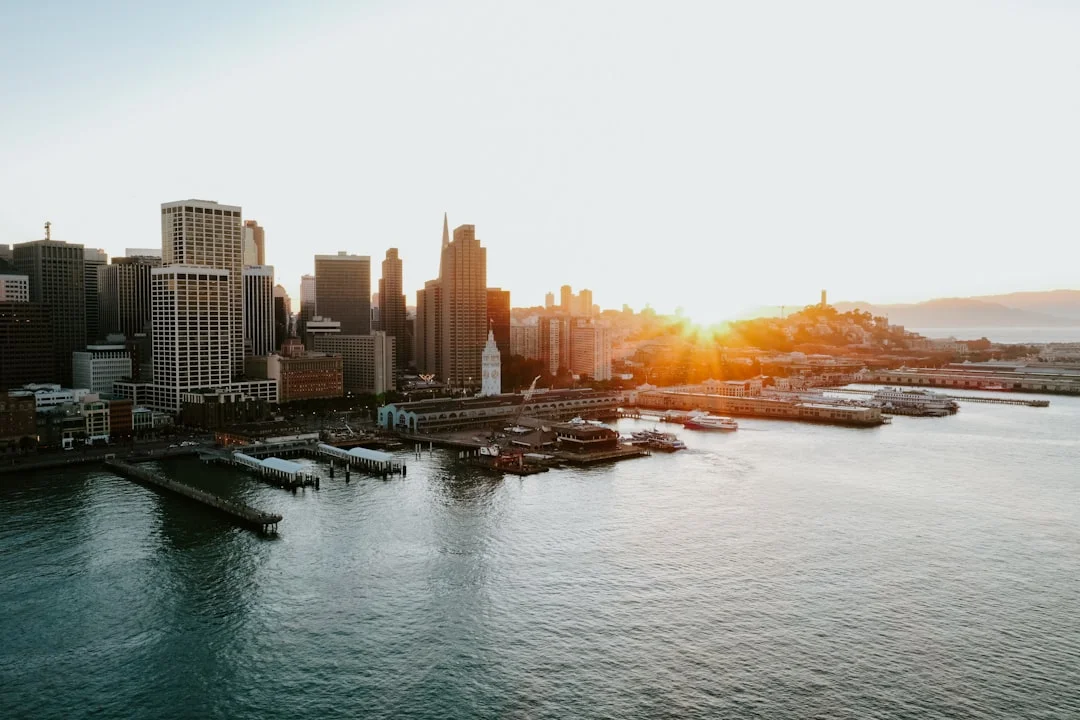
Photo by Josh Felise on Unsplash
Community Impact and Inclusion
Pride in 2026 continues to emphasize inclusion, social justice, and community empowerment. San Francisco Pride’s theme—Resistance in Action—marks a deliberate alignment with ongoing civil rights advocacy, suggesting that Pride weekend will be as much a platform for policy engagement as a celebration. The SF Chronicle summarizes a weekend that interweaves a parade with a large, outdoor festival and numerous community-run stages, illustrating how Pride functions as a focal point for diverse organizations to connect with residents, students, and workers. The presence of family zones, accessibility programs, and community vendor booths signals a commitment to making Pride welcoming to a broad cross-section of Bay Area residents. In addition, Pride in Panels demonstrates how Pride’s cultural dimension can empower creators and readers alike by elevating queer voices in the arts and publishing ecosystem. The combination of public events and private, corporate participation expands Pride’s reach while maintaining a focus on inclusivity and social change. (sfchronicle.com)
Tech Sector Involvement and Marketing Opportunities
The Bay Area’s tech economy is a defining feature of Bay Area Pride 2026, with technology companies increasingly integrating Pride into product launches, sponsorships, and community programs. The Bay FC Pride Match showcases how sports and technology brands collaborate to produce inclusive experiences, while Pride sponsorship documents illustrate how tech-adjacent firms leverage Pride branding for broader corporate storytelling. As tech companies participate in Pride through activations, merchandise collaborations, and charitable commitments, readers can expect a stronger alignment between Pride branding and corporate social responsibility initiatives. The Bay Area’s ecosystem—combining innovation, fashion, entertainment, and philanthropy—supports a narrative in which Pride becomes a long-term channel for brand storytelling, community engagement, and talent recruitment in a competitive market. The breadth of events across SF and the East Bay also underscores the region’s capacity to coordinate complex logistics and security, demand planning, and cross-industry collaboration in a way that few other metros can match. (bayfc.com)
Media Coverage and Regional Scope
Bay Area Pride 2026 has benefited from a robust media ecosystem, including regional guides, event pages, and institutional calendars. The SF Chronicle’s Pride 2026 guide serves as a trusted, data-driven reference for readers who want to understand the scope of events across the Bay Area, including dates, venues, and accessibility considerations. The Pride in Panels festival provides a parallel narrative—the importance of the Bay Area’s publishing and arts communities in shaping Pride’s cultural contours. Together, these sources highlight a Pride season that is not only broad in reach but deep in its potential to influence public conversation, policy priorities, and cultural production. (sfchronicle.com)
Section 3: What’s Next
Key Dates to Watch
- January–February 2026: Pride in Panels festival at the San Francisco Public Library, February 15, 2026, 12:00–5:00 p.m., with panels, workshops, and exhibitions across library spaces. This event signals Pride’s cultural foundations and its commitment to education and creative community-building. (sfpl.org)
- May 24, 2026: Bay FC Pride Match at PayPal Park, kickoff at 2:00 p.m. PT, gates open at noon. Merchandise launches, fan activations, and in-stadium experiences will accompany a portion of Pride Collection proceeds benefitting the San Francisco Gay Men’s Chorus. This event demonstrates the cross-pollination of sports, entertainment, and LGBTQ+ philanthropy in Bay Area Pride 2026. (bayfc.com)
- June 27–28, 2026: San Francisco Pride weekend, including a parade on Sunday, June 28, and a festival footprint across Civic Center. The main events are expected to feature hundreds of contingents, with ticketing options ranging from free access to VIP packages to support inclusive programming. The weekend also includes ancillary events across the city—from Trans March to Dyke March—and a large number of partner organizations. (sfchronicle.com)
- August 16, 2026: Oakland Pride Parade and Festival, with a daylong schedule of performances, vendor activations, and family-friendly programming. The event is described by regional coverage as a cornerstone of Bay Area Pride 2026, complementing the SF Pride calendar and expanding the region’s Pride reach. (sfchronicle.com)
- Late August 2026: Silicon Valley Pride and related regional events (e.g., Berkeley Pride) continue to populate the calendar in the late summer, reflecting ongoing momentum and engagement in the South Bay and North Bay. The Chronicle’s regional calendar points to a continuum of Pride programming that extends into late summer and early fall. (sfchronicle.com)
Next Steps, Watch Points, and How to Engage
- Community mobilization and volunteer pipelines: As Pride events ramp up, volunteer recruitment and training will be a critical component across cities, venues, and partner venues. The SF Pride ecosystem typically relies on thousands of volunteers to support parade marshaling, stage management, vendor coordination, and accessibility services. Community groups and nonprofit organizations often publish callouts well in advance of major events. Readers should monitor official Pride pages and the SF Public Library’s Pride programming for volunteer opportunities and training sessions. (sfchronicle.com)
- Accessibility and inclusivity updates: Given Pride’s public-facing, family-friendly focus, expect ongoing updates to accessibility accommodations, language access, and youth programming. Organizers routinely publish accessibility guides and volunteer instructions in the weeks leading up to major events. This is especially relevant for readers attending the SF Pride festival and the Oakland Pride Festival, where crowds are expected to be large and participation broad. (sfchronicle.com)
- Corporate partnerships and sponsorship announcements: As Pride events unfold, additional sponsorship announcements and activations will surface. The SF Pride sponsorship package demonstrates the potential scale of corporate involvement, and new partnerships may emerge as brands align with Pride’s mission and the Bay Area’s tech-savvy audiences. Readers should track corporate announcements from official Pride channels and major Bay Area brands, as well as coverage from local business press. (cdn.sfpride.org)
- Cultural programming and curatorial development: With Pride in Panels as a leading example of LGBTQ+ arts programming, expect further collaborations with publishing houses, galleries, and cultural institutions to expand panels, artist residencies, and educational programming around Pride themes. Library and museum partners often pilot new initiatives during Pride season, creating year-round visibility for queer creators. (sfpl.org)
What to watch for next includes the release of final artist lineups for SF Pride’s main stages, updated parade contingents, and new community partnerships that may emerge in the weeks following January 2026. The Bay Area’s Pride ecosystem is dynamic, with ongoing coordination among city and county governments, nonprofit organizers, and private-sector partners to ensure a safe, vibrant, and inclusive series of events. Readers should expect incremental updates to the schedule and programming, as well as potential changes to locations or timings in response to weather, security, or evolving community needs. The SF Chronicle and SF Pride’s official materials are the best sources for the most current details. (sfchronicle.com)
Closing
Bay Area Pride 2026 stands as a moment when the Bay Area’s tech-forward culture and diverse communities intersect with an enduring commitment to inclusion, advocacy, and artistic expression. The region’s Pride season—anchored by San Francisco’s Pride Weekend, augmented by Oakland Pride, and supported by an array of citywide and cultural initiatives—offers a comprehensive view of how the Bay Area is approaching LGBTQ+ rights, representation, and community well-being in 2026. For residents and visitors alike, the season offers not only celebrations but also a chance to engage with policy priorities, nonprofit partnerships, and creative experimentation that will shape the Bay Area’s social and economic climate for years to come. As organizers finalize lineups, sponsors announce activations, and cultural programs expand, Bay Area Pride 2026 will continue to reflect the region’s capacity for collaboration, resilience, and inclusive growth. Readers seeking timely updates should follow official event calendars, sponsor channels, and major local outlets that cover Pride in real time and provide practical guidance for attending, volunteering, and supporting the community. (sfchronicle.com)