Bay Area Regenerative Agriculture at Farmers Markets 2026

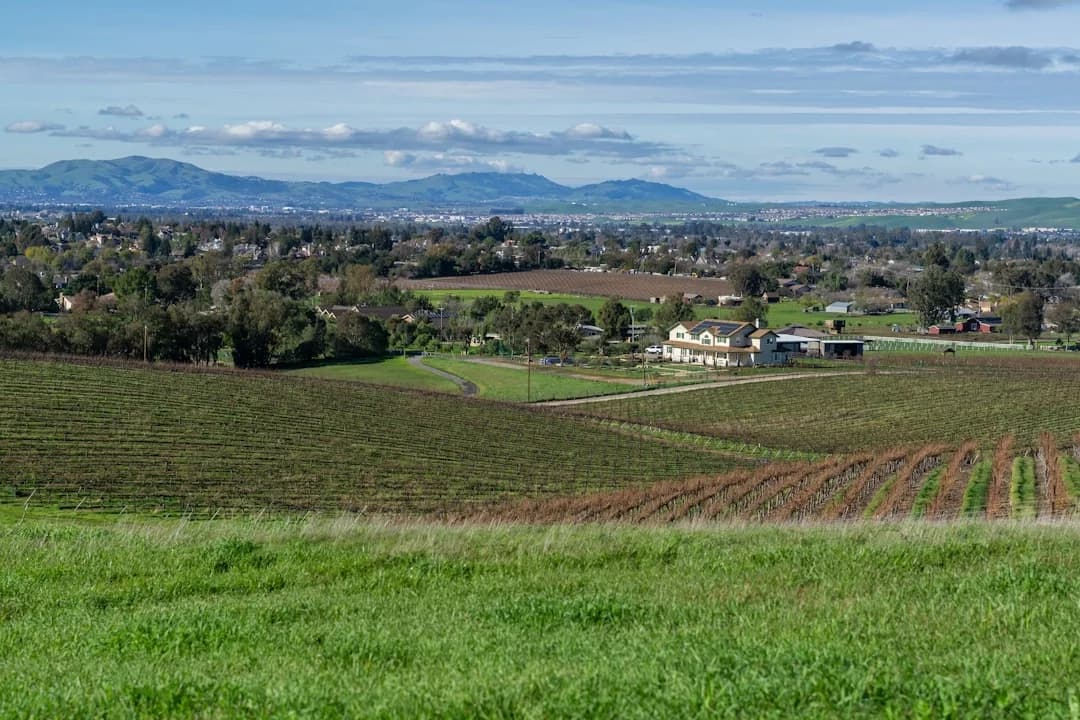
Photo by Spencer DeMera on Unsplash
The Bay Area is undergoing a notable shift toward regenerative agriculture at farmers markets in 2026, a development that blends new permanent infrastructure, public demonstrations, and a coordinated push among regional market networks. As farm-to-market economies evolve, consumers are increasingly seeking soil-conscious practices, nutrient-dense produce, and transparency about how food is grown. In 2026, Bay Area consumers are encountering a coordinated set of signals that regenerative agriculture is becoming more than a buzzword at local markets; it is taking shape as a tangible, market-driven program with visible implications for vendors, farmers, and policymakers. This shift is unfolding at a moment when regional markets are expanding capacity, investing in education around soil health, and hosting events designed to showcase regenerative farming practices. Bay Area regenerative agriculture at farmers markets 2026 is not a single initiative but a collection of actions across multiple counties and market networks, each contributing to a broader narrative about climate resilience, community access to healthy food, and durable local-food economies. (agriculturalinstitute.org)
In Marin County, a centerpiece development is accelerating: the Agricultural Institute of Marin (AIM) signed a 40-year lease with the County in September 2025 to move forward with a permanent farmer’s market and a related learning hub focused on soil health and regenerative agriculture. The lease marks a long-term commitment to a physical home for regenerative farming education, demonstrations, and market activity, signaling a durable infrastructure layer for the Bay Area’s regenerative agriculture ecosystem. The project envisions outdoor learning spaces, climate-resilience gardens, and programming designed to connect farmers, students, and community members around regenerative practices. This is one of the most concrete manifestations of the “Bay Area regenerative agriculture at farmers markets 2026” trend, with a multi-decade horizon that could reshape how markets operate, partner with farms, and educate the public. (norcalpublicmedia.org)
Across the region, public-facing showcases during SF Climate Week and related events have underscored the practical side of regenerative farming at or near farmers markets. For example, a Farmer-Led Regenerative Agriculture Product Showcase—part of SF Climate Week—was scheduled for April 20, 2026, featuring farmer-driven, market-style experiences that highlight regenerative supply chains, soil health, and nutrient-dense produce. The showcase is positioned as a hands-on, open-air market-like event designed to demonstrate how farmer-led regenerative practices translate into consumer-facing products and local economies. Separately, Earth Day SF 2026 centered around hands-on demonstrations of regenerative agriculture, permaculture, and ecological restoration techniques, underscoring the broader public education mission that accompanies market-based regenerative activities. These events complement ongoing market activity and help translate regenerative concepts into everyday purchasing decisions for Bay Area residents. (garysguide.com)
Moreover, Bay Area market networks are signaling a longer-term commitment to regenerative agriculture through their existing scale and reach. The Agricultural Institute of Marin lists nine certified farmers markets under its umbrella, drawing more than two million visitors annually across the San Francisco Bay Area. This breadth provides a substantial base for regenerative practices to diffuse rapidly, as more farmers and vendors participate in markets that emphasize soil health, sustainable farming methods, and transparent production storytelling. The AIM network’s scale and mission position regenerative agriculture not as a niche hobby but as a central pillar of regional market activity. (agriculturalinstitute.org)
In addition to anchor developments in Marin, regional market organizations are signaling a broader strategic orientation toward regenerative agriculture in the Bay Area. For example, the SF Market—San Francisco’s wholesale and retail market—has published strategic materials for the 2023–2026 period that emphasize connecting and growing the region’s food and agriculture community, with a clear focus on resilience, sustainability, and community access to local products. While not exclusively a regenerative agriculture plan, these strategies create the market conditions that enable regenerative farmers to reach consumers at scale, and they illustrate how major market operators view regenerative practices as integral to the region’s food system. (thesfmarket.org)
Opening
The news that anchors 2026 in Bay Area regenerative agriculture at farmers markets is not a single press release but a convergence of new infrastructure, event programming, and market-network strategy. In practical terms, the region is moving toward a model in which market spaces function as living laboratories for regenerative practices, with soil-health education, farmer-to-consumer storytelling, and policy-enabled access to land and facilities. The net effect is to create more predictable, durable channels for regenerative producers to reach city consumers, while giving buyers greater confidence that what they buy at the market aligns with soil health and ecological stewardship. This is a newsworthy shift because it reframes how we think about farmers markets—from static vending grounds to climate-smart ecosystems that combine education, commerce, and community resilience. The year 2026 is the inflection point where the Bay Area’s regenerative agriculture conversation begins to translate into tangible, recurring market activity and public programming. (norcalpublicmedia.org)
Section 1: What Happened
AIM’s Marin Vision: A Permanent Home for Regenerative Markets
A 40-Year Lease and a New Learning Hub

In September 2025, AIM signed a 40-year lease with Marin County to move forward with a permanent farmer’s market and an adjacent learning hub designed to educate visitors about soil health, regenerative agriculture, and climate resilience. The plan envisions a dedicated space where farmers can sell directly to consumers while hosting outdoor classrooms, demonstration plots, and interpretive displays that explain how regenerative practices build soil organic matter, improve water retention, and support biodiversity. The agreement signals a long-term commitment to regenerative agriculture at farmers markets in the Bay Area by creating a stable venue for ongoing vendor participation, educational programming, and community engagement. The lease also aligns with broader regional goals to expand public access to local food and to anchor regenerative practices in the region’s food system. While an official opening date for the permanent market has not been publicly announced, county and AIM officials have described the project as a multiphase build-out with milestones likely extending into 2027 and beyond. (norcalpublicmedia.org)
Educational and Infrastructure Goals
Beyond the market itself, the associated learning hub aims to host soil-health workshops, regenerative farming clinics, and youth education programs, turning the site into a focal point for the Bay Area’s regenerative agriculture storytelling. The plan emphasizes hands-on experience with cover cropping, composting demonstrations, soil testing, and rainwater capture—practical tools that farmers can adapt quickly to commercial production. These components are designed to bridge the knowledge gap between conventional market farmers and those working with regenerative practices, ensuring that the market becomes a venue where knowledge transfer is as routine as product sales. The emphasis on education aligns with regional priorities around climate resilience and sustainable food systems, and it reinforces the market’s role as an anchor institution for regenerative agriculture in the Bay Area. (norcalpublicmedia.org)
Public Showcases and Climate Week Initiatives
A Farmer-Led Regenerative Agriculture Product Showcase
During SF Climate Week 2026, a Farmer-Led Regenerative Agriculture Product Showcase brought together farmers and partner organizations for an open-air, market-style experience. The event highlighted how regenerative farming practices—such as soil health management, diversified cropping, and on-farm nutrient cycling—translate into market-ready products and local supply chains. Attendees could observe live demonstrations, meet farmers, and sample produce that embodies regenerative principles. The showcase illustrates how the Bay Area is turning regenerative agriculture into consumer-facing opportunity, creating a tangible link between field practices and the products seen at farmers markets. This event complements ongoing market activity and contributes to a broader, data-informed narrative about how regenerative agriculture can drive local economic development while delivering environmental benefits. (garysguide.com)
Earth Day SF 2026 Demonstrations
Earth Day SF 2026 featured hands-on demonstrations of regenerative agriculture techniques, permaculture design, and ecological restoration. The programming underscored soil health, water conservation, biodiversity, and soil carbon sequestration as tangible outcomes of regenerative practices. For market participants and visitors, the Earth Day events provided a platform to connect with farmers who implement soil-health-first approaches, while giving attendees practical steps they can take at home or at local markets. While Earth Day SF is broader than markets alone, the event’s focus on regenerative principles helps reinforce market-based opportunities for buyers to support soil-friendly farming methods. (radiant-kiwi-bounce.kleap.io)
Market Networks and Regional Reach
Scale and Diversity of Bay Area Markets

The AIM network, with nine certified farmers markets, offers a broad platform for regenerative agriculture to reach urban consumers. The scale—serving more than two million visitors annually—means that regenerative farm practices can gain mass exposure in ways that smaller markets cannot easily achieve. This scale also provides opportunities for peer learning among vendors, co-ops, and community groups, fostering a culture of continuous improvement around soil health, crop diversity, and sustainable handling. The convergence of education, direct sales, and community engagement at these markets is a hallmark of the Bay Area’s approach to regenerative agriculture at farmers markets in 2026. (agriculturalinstitute.org)
Market Operators and Strategic Alignment
Regional market operators are increasingly aligning with regenerative agriculture objectives, even if not every initiative uses the same language. The SF Market’s strategic materials for 2023–2026 emphasize connecting the region’s food and agricultural community, growing resilience, and expanding access to local products. These objectives create favorable conditions for regenerative farmers to participate meaningfully in local markets, supply chains, and community events. Although the SF Market materials do not spell out a stand-alone regenerative program, they provide essential infrastructure and market access that support regenerative producers in scaling their operations and accessing a broad customer base. (thesfmarket.org)
What This Means for Bay Area Stakeholders
Farmers and Producers
For Bay Area farmers, these developments translate into longer-term stability, education, and potentially improved access to land and facilities. The Marin permanent market project, in particular, promises on-site learning spaces where farmers can demonstrate soil health practices to customers and peers. The learning hub’s emphasis on regenerative agriculture can help farmers build consumer trust by offering transparent explanations of soil-building techniques, composting regimes, and the role of cover crops in pest management and nutrient cycling. The potential for recurring educational programming could also lead to stronger producer networks, more robust on-farm experimentation, and better access to markets that reward regenerative practices. (norcalpublicmedia.org)
Consumers and Community Members
For consumers, the move toward regenerative agriculture at Bay Area farmers markets means more opportunities to purchase products produced with soil-conscious methods and to engage with the farmers behind those products. Public programming—ranging from workshops to hands-on demonstrations—can empower customers to request regenerative options, ask questions about farming practices, and support producers who prioritize soil health and biodiversity. Public demonstrations during Earth Day SF 2026 and SF Climate Week strengthen the link between knowledge and purchasing, helping consumers make connections between soil health, climate resilience, and the quality of the foods they buy. (radiant-kiwi-bounce.kleap.io)
Broader Context: Regional Climate and Food System Objectives
Regenerative Agriculture as a Climate Strategy

The Bay Area’s interest in regenerative agriculture at farmers markets sits within a broader climate strategy that includes soil health as a critical component of resilience. Regenerative practices—such as reduced tillage, diverse crop rotations, and compost-based fertility—have potential climate benefits, including improved soil carbon sequestration and enhanced drought resilience. While the precise carbon outcomes depend on long-term management and the specifics of each farm operation, the Bay Area’s emphasis on education and market access helps to move regenerative agriculture from theory into practice in a real-world setting. While some national and international frameworks discuss regenerative agriculture in policy terms, the Bay Area is demonstrating how regional markets can serve as living laboratories and customer-facing demonstrations that translate these concepts into everyday choices. (ifc.org)
Economic Implications for Local Economies
The economic implications of regenerative agriculture at Bay Area farmers markets are nuanced. On one hand, producers adopting regenerative practices may incur initial cost increases (e.g., soil amendments, cover-cropping programs, and longer crop rotations). On the other hand, regenerative approaches can reduce input costs over time, build soil health, and attract consumer segments willing to pay premium prices for soil-conscious products. The Bay Area’s market networks, with their youth education programs and ties to local institutions, can help offset some transition costs by providing education, technical assistance, and access to markets. Public events and demonstrations can also amplify consumer demand for regenerative products, contributing to a more resilient and locally anchored agricultural economy. (agriculturalinstitute.org)
Section 2: Why It Matters
Impact Analysis: Who Benefits and How
Direct Beneficiaries: Farmers, Vendors, and Local Food Purveyors
Farmers markets are already a critical route for small and mid-sized farms to reach urban consumers. The regenerative agriculture emphasis enhances that value proposition by offering a narrative about soil health, ecological stewardship, and long-term farm viability. For vendors, regenerative practices can differentiate products, offer storytelling opportunities at the point of sale, and align with consumer interest in sustainable food systems. The permanent Marin market and the associated learning hub amplify these benefits by introducing structured education and demonstration areas that help vendors and farmers communicate complex practices clearly and credibly. This combination strengthens the market’s role as a living classroom and a robust sales channel. (norcalpublicmedia.org)
Consumers: Access, Education, and Choice
For consumers, 2026 data points translate into more meaningful choices at the point of purchase. Demonstrations, workshops, and farmer-led showcases give shoppers tangible context for how regenerative practices affect taste, nutrition, and product quality. The scale of AIM’s market network—nine certified markets and over two million visitors annually—means that a broader audience has access to regenerative products, reinforcing demand signals and encouraging more producers to adopt soil-friendly methods. The public programming associated with Earth Day SF 2026 and SF Climate Week enhances literacy around regenerative agriculture, enabling shoppers to understand trade-offs, costs, and benefits. (agriculturalinstitute.org)
Policy and Public Institutions: Land Use, Education, and Resilience
Public institutions and policy-oriented organizations stand to benefit from the ongoing convergence of market activity with regenerative agriculture education. The permanent market and learning hub in Marin County serve as a policy-relevant example of how public-private partnerships can incentivize soil health investments and knowledge transfer. In addition, SF Market’s long-range plans emphasize community connections and food access, reinforcing a political-economic environment where regenerative agriculture is supported as part of a broader strategy to build resilient regional food systems. These dynamics matter for local governments and advocacy groups seeking to scale regenerative approaches beyond pilot projects. (norcalpublicmedia.org)
Contextual Challenges and Balanced Perspectives
Costs and Transition Timelines
Adopting regenerative agriculture at scale can entail higher upfront costs—soil health programs, composting infrastructure, and training—that must be balanced against longer-term gains. The available public planning documents and demonstrations show a commitment to managing these transitions through education, community support, and market access. However, real-world timelines for permanent market openings and full-scale education hubs remain contingent on funding cycles, permitting, and construction schedules. The Marin project’s 2025 lease is a landmark step, but the eventual opening date will hinge on multiple logistical milestones that have yet to be publicly disclosed. (norcalpublicmedia.org)
Market Dynamics and Consumer Perceptions
Some market participants may worry about price sensitivity or inconsistent supply when regenerative methods are adopted by a broader pool of producers. Others may welcome the transparency and potential quality improvements associated with soil-health-focused farming. The 2026 demonstrations and education initiatives are designed to address these concerns by helping consumers understand the value proposition of regenerative practices and by providing clear, evidence-based narratives about how soil health translates to product quality and environmental benefits. The Bay Area’s market culture—characterized by informed, engaged shoppers—creates a favorable environment for these conversations to occur in a constructive, data-driven way. (radiant-kiwi-bounce.kleap.io)
What Does This Mean for the Broader Bay Area Food System?
A Model for Climate-Resilient Local Food
The Bay Area’s regenerative agriculture at farmers markets in 2026 could become a model for other regions seeking to anchor soil-health initiatives in public-facing markets. The combination of a permanent market and an education hub, coupled with climate-week demonstrations and a broad market network, offers a blueprint for how infrastructure, programming, and market access can align to advance regenerative farming. While it remains early to quantify nationwide impact, the Bay Area’s approach demonstrates how a complex ecosystem of markets, educational institutions, and community programs can converge to support soil health, biodiversity, and resilience in a way that also supports local economies. (norcalpublicmedia.org)
Section 3: What’s Next
Near-Term Milestones to Watch
Groundbreaking Timelines and Construction Phasing
The Marin permanent market project represents a long-term effort with phased milestones that will likely unfold over the next 12–24 months. While a formal groundbreaking date has not been publicly announced, planners anticipate continued progress through 2026 and into 2027 as design reviews, financing, and regulatory steps are completed. The 40-year lease signed in September 2025 provides the institutional scaffolding for these milestones, and AIM’s leadership has indicated that the learning hub and outdoor classrooms will be integral parts of the project’s early phases. Stakeholders should monitor AIM’s public updates and Marin County announcements for the first concrete milestones in construction permits, site planning, and vendor recruitment. (norcalpublicmedia.org)
SF Climate Week and Earth Day 2027 Programming
Public-facing regenerative agriculture programming is expected to persist and potentially expand in 2027. Organizers anticipate continuing the farmer-led product showcases, market-style experiences, and interactive demonstrations that were spotlighted during SF Climate Week 2026 and Earth Day SF 2026. If these formats prove successful in terms of attendance and vendor participation, organizers may institutionalize similar events annually or align them with broader environmental and agricultural policy milestones. Observers should track announcements from SF Climate Week organizers, local market associations, and AIM-affiliated programs for 2027 scheduling and new partnerships. (garysguide.com)
Policy and Funding Trajectories
Policy developments at the state and regional levels can influence regenerative agriculture at Bay Area farmers markets, including funding for soil-health programs, market infrastructure, and education initiatives. While major policy announcements may emerge from state-level agriculture agencies or climate initiatives,Bay Area stakeholders should remain attentive to local funding opportunities, land-use decisions, and market-support programs that prioritize regenerative practices. Observers should watch for updates related to market matches, program expansions, and potential capital investments tied to the Marin project and related regional initiatives. (agriculturalinstitute.org)
What to Watch For: Indicators of Progress
- The official opening timeline for the Marin permanent market and learning center.
- Enrollment and participation metrics for soil-health workshops, demonstrations, and on-site classrooms.
- The number of regenerative producers joining AIM markets and the rate at which soil-health practices are adopted among new and existing vendors.
- Public attendance and consumer engagement at Earth Day SF 2026-style events and any 2027 iterations.
- Partnerships between market networks, educational institutions, and climate organizations that expand regenerative agriculture programming in markets.
Closing
The Bay Area’s approach to regenerative agriculture at farmers markets in 2026 reflects a deliberate synthesis of infrastructure, education, and market access designed to support soil health, climate resilience, and local economies. From Marin County’s ambitious plan to build a permanent market and learning hub anchored in regenerative practices to climate-week showcases that translate fieldwork into consumer choices, the regional narrative is moving beyond one-off demonstrations toward a durable ecosystem in which farmers, shoppers, and institutions participate in a shared regenerative vision. As the year progresses, stakeholders across the Bay Area will be watching for concrete milestones—opening dates, program launches, and the expansion of regenerative offerings at markets—that will reveal how quickly this vision translates into daily purchasing decisions and everyday farming practices. Bay Area regenerative agriculture at farmers markets 2026 is shaping up to be a turning point for how communities experience, learn about, and support soil-friendly farming in a region renowned for its innovation, environmental leadership, and vibrant local food economy. (norcalpublicmedia.org)