Bay Area Regional Climate Action Plan BARCAP 2026

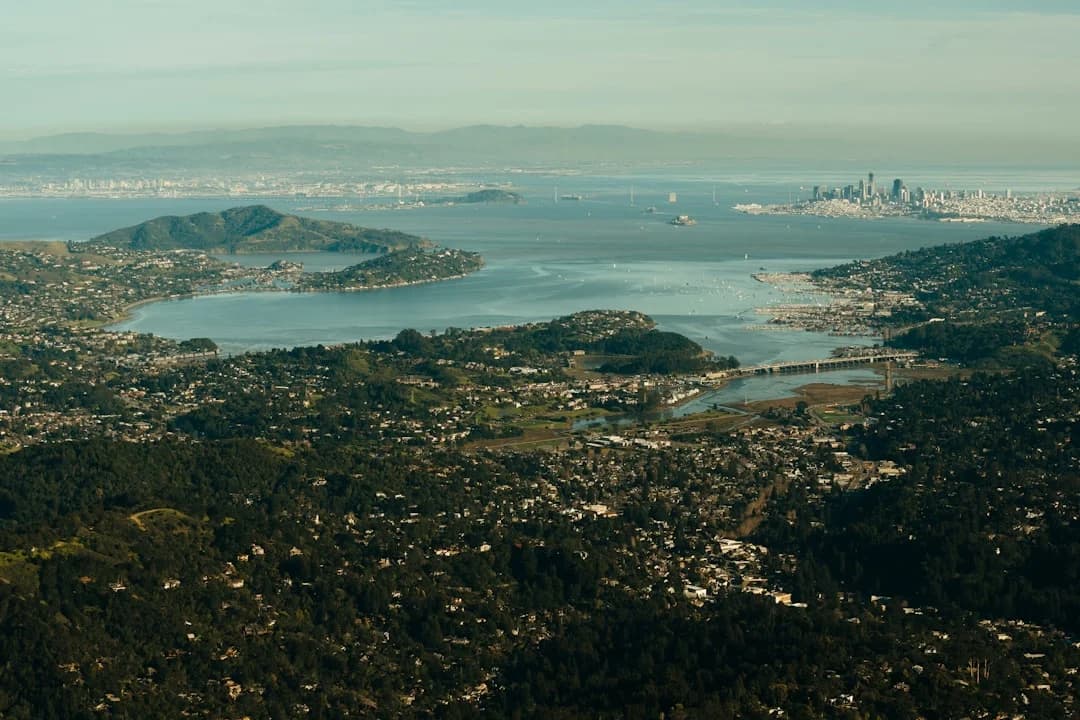
Photo by Cedric Letsch on Unsplash
The Bay Area Regional Climate Action Plan BARCAP 2026 was released to the public on April 1, 2026, by the Bay Area Air Quality Management District (BAAQMD), marking a milestone for regional climate strategy in the nine-county Bay Area. This news comes as the region accelerates its work toward carbon neutrality and greater resilience in the face of wildfires, heat waves, and evolving energy needs. The Bay Area Regional Climate Action Plan BARCAP 2026 is designed to move beyond individual city or county plans by providing a coordinated, region-wide framework that aligns local actions with state and national climate goals. For readers of SF Bay Area Times, this release matters because it signals a shift in how public agencies, utilities, and private sector players coordinate investments, incentives, and implementation pathways to reduce greenhouse gas emissions while delivering frontline benefits. The Bay Area Regional Climate Action Plan BARCAP 2026 lays out a measurable road map with sector-specific measures, performance targets, and a clear timeline that will influence markets, policy decisions, and business strategy across the region. (sfbayareatimes.com)
As part of the BARCAP 2026 unveiling, the plan emphasizes tangible action in five focus areas—Buildings, Power, Transportation, Waste, and Natural and Working Lands—each containing multiple measures and actions intended to produce co-benefits in health, air quality, and economic opportunity. The BARCAP 2026 project aims to reduce climate pollution while increasing resilience and equity, a balance often highlighted by frontline communities during the outreach process. The executive summary for BARCAP highlights the goals of reducing emissions to align with state targets, including ambitious near-term reductions and a pathway to carbon neutrality by 2045. The plan’s development followed an EPA Climate Protection Reduction Grant (CPRG) program, with public input periods in 2024–2025 and a formal submission schedule that positioned BARCAP for finalization in 2025 and public release in 2026. This context matters for SF Bay Area Times readers because it frames BARCAP 2026 as a regional instrument rather than a collection of separate local plans. (baaqmd.gov)
Opening with the news, the Bay Area Regional Climate Action Plan BARCAP 2026 is more than a document—it's a coordinated, multi-agency roadmap designed to drive decarbonization and resilience across Alameda, Contra Costa, Marin, Napa, San Francisco, San Mateo, and parts of Sonoma and Solano counties, with Santa Clara County treated as a neighboring planning area for CPRG purposes. The BARCAP measures explicitly focus on non-industrial sectors within the Air District’s jurisdiction, acknowledging regulatory limits on CO2 emissions from Cap-and-Trade-covered sources while targeting emissions reductions in buildings, energy, transportation, waste, and natural lands. This scope distinction matters for technology and market players because it clarifies where regional action is expected to coalesce and where state- or federal programs will continue to drive industrial emissions policy. The public record notes that Santa Clara County operates under its own planning track, which shapes both the plan’s geographic reach and potential funding opportunities. (baaqmd.gov)
What Happened
BARCAP 2026 Launch Details
The Bay Area Air District publicly released BARCAP 2026 on April 1, 2026, positioning it as the region’s first formal climate action plan that pulls together multiple jurisdictions and stakeholders. This release is framed as a milestone in regional climate governance, combining sectoral measures with implementation pathways intended to be carried out by a broad coalition of leads and supporting entities across local governments, regional agencies, utilities, and community groups. The timing matters because it follows a year of public engagement and a formal grant-supported development process designed to yield a plan that is implementable at scale rather than aspirational. The announcement also aligns with broader Bay Area efforts toward carbon neutrality by mid-century and situates BARCAP 2026 within a continuum of regional climate governance efforts. (sfbayareatimes.com)
Scope and Sectors
BARCAP 2026 is built around 16 measures spanning five focus areas: Buildings, Power, Transportation, Waste, and Natural and Working Lands. The executive summary emphasizes that these measures target non-industrial emissions within the Air District’s jurisdiction and complement state policies by filling coordination gaps and accelerating implementation. The plan’s structure, including 57 actions linked to the 16 measures, reflects a belief that region-wide collaboration can unlock economies of scale, leverage financing more effectively, and deliver greater equity in benefits such as healthier air, safer neighborhoods, and more resilient infrastructure. The BARCAP document notes that the region’s approach is designed to move beyond traditional command-and-control regulation, instead focusing on cross-cutting measures that enable coordinated actions across counties and cities. (strategicplan.baaqmd.gov)
Public Input and Timeline
BARCAP’s development included substantial public outreach and technical collaboration, including feedback gathered July 2–29, 2025, with the public review and finalization process overseen by the Bay Area Air District and partner organizations. The public measures document indicates an EPA submission target of December 1, 2025, illustrating a deliberate schedule to align federal documentation with regional planning processes. These timeline details are important for market participants because they provide a window into when certain measures may become active, when funding opportunities may open, and how soon local governments might begin adopting corresponding regulations or programs. The BARCAP development timeline also reflects a broader six-course cadence of public engagement, technical design, and interagency coordination that underpins the plan’s operationalization. (baaqmd.gov)
Targeted Emission Reductions and Milestones
BARCAP 2026 is aligned with a regional target to contribute to California’s broader climate goals, including a 40 percent reduction in GHGs below 1990 levels by 2030 in the plan’s early framing, and a longer trajectory toward carbon neutrality by 2045. The executive summary explicitly anchors the Bay Area in the state’s decarbonization timeline, while also underscoring sector-specific pathways such as building electrification, cleaner transportation, and cleaner electricity. This creates a signal to technology developers and market participants that demand for zero-emission building equipment, demand-response energy systems, and distributed energy resources is likely to increase as BARCAP 2026 advances. The plan also makes clear that while local and regional governments can adopt and implement measures, broader industrial emissions from Cap-and-Trade sources fall outside BARCAP’s regulatory scope, underscoring the plan’s complementary role in the wider climate policy ecosystem. (baaqmd.gov)
Public Summary and Communications
A concise BARCAP Executive Summary emphasizes the plan’s vision for a carbon-neutral Bay Area by 2045 and highlights anticipated benefits including improved air quality, job creation, resilient infrastructure, and healthier communities. The executive summary points to frontline community benefits, climate equity considerations, and the importance of transparent tracking and accountability mechanisms to ensure that benefits reach the communities most affected by pollution. For readers in SF Bay Area Times, this emphasis on equity and tangible community benefits is critical because it suggests that BARCAP 2026 is designed not only to reduce climate risk but also to uplift under-resourced neighborhoods through targeted investments in housing, energy efficiency, and clean transportation. (baaqmd.gov)
Advisory and Implementation Structure
BARCAP’s measures document indicates an implementation framework with designated lead and supporting implementers for each action, timelines ranging from short-term to long-term, and a governance approach intended to coordinate among regional agencies, counties, and local governments. The measures also outline how data, public feedback, and performance metrics will be tracked, enabling ongoing monitoring and course corrections as needed. This structure matters for market players who want to align product rollouts and investment plans with BARCAP’s implementation cadence and reporting requirements. (baaqmd.gov)
Why It Matters
Economic and Market Implications

BARCAP 2026 envisions a market environment in which electrification, energy efficiency upgrades, and resilient infrastructure become mainstream across the Bay Area. The plan’s emphasis on building decarbonization, clean electricity, and transportation electrification implies rising demand for heat pumps, high-efficiency appliances, EV charging infrastructure, microgrids, and energy storage solutions. The BARCAP measures include an explicit focus on enabling equitable deployment of these technologies, with targeted incentives and financing mechanisms designed to unlock capital for frontline communities. As a result, technology vendors, renewable energy developers, and financing institutions should anticipate accelerated opportunities in retrofit markets, early-adopter programs, and public-private partnerships tied to BARCAP 2026 implementation. The BARCAP public measures document indicates that detailed quantification will be provided in the final BARCAP document, reinforcing the expectation of data-driven project pipelines and performance metrics that investors can model. (baaqmd.gov)
A notable economic implication is the Bay Area’s approach to reinvesting penalties collected through enforcement into community-led projects through the Bay REPAIR program. This creates a tangible funding stream for local climate solutions and may incentivize collaboration between public agencies, nonprofits, and private firms to deliver measurable air-quality improvements and community benefits. By directing enforcement funds toward frontline communities, BARCAP 2026 aligns financial flows with climate justice goals, potentially accelerating local market development in urban core areas and industrial corridors affected by pollution. (strategicplan.baaqmd.gov)
Environmental Justice and Frontline Communities
BARCAP 2026 foregrounds environmental justice, acknowledging that frontline communities often experience disproportionate pollution burdens. The plan’s design principles call for culturally relevant outreach, multilingual engagement, and co-created solutions that address the specific needs of renters, low-income households, and other vulnerable groups. This approach increases the likelihood that market innovations—such as affordable electrification packages, low-income energy assistance, and accessible clean-energy financing—will reach the populations that stand to benefit most from climate action. The executive summary and BARCAP measures document both emphasize equity, community participation, and transparent accountability as core elements of effective implementation. (baaqmd.gov)
Regional Collaboration and Funding
BARCAP 2026 relies on a collaborative, multi-agency governance model that includes the Bay Area Air District, ABAG/MTC, the Bay Area Regional Collaborative, BayREN, and other regional actors. This collaboration is essential for securing funding, sharing data, coordinating incentives, and aligning public and private investments with the plan’s sectoral measures. The public-review timeline and EPA submission milestones reflect a structured process designed to generate a credible, fundable plan that can attract state and federal support, as well as private capital. For readers tracking market trends, BARCAP 2026 signals a robust regional demand environment for climate technologies, software platforms for emissions tracking, and finance mechanisms that support accelerated decarbonization in a major U.S. metro area. (baaqmd.gov)
Sector-Specific Insights and Technology Hotspots
- Buildings: BARCAP’s emphasis on electrification and efficient appliances places a premium on heat pumps, electric water heating, insulation improvements, and building automation. The plan notes that electrification strategies align with California’s Scoping Plan and building codes designed to phase out natural gas in many applications, signaling strong adoption potential for zero-emission technologies and associated workforce training. Market observers should watch for appliance standards updates, financing programs, and contractor training initiatives tied to BARCAP 2026. (baaqmd.gov)
- Transportation: The plan’s transportation sector measures point to a grid-enabled transition, with high adoption of zero-emission vehicles and expanded charging and fueling infrastructure. The pathway toward 90% zero-emission vehicle adoption by 2030–2050 is referenced in related Air District materials, suggesting demand growth for EVSE hardware, distributed energy resources, and vehicle-to-grid technology as the Bay Area accelerates its decarbonization of mobility. (strategicplan.baaqmd.gov)
- Power and Grid Resilience: The BARCAP 2026 framework emphasizes clean electricity and grid resilience. Utilities, developers, and energy-storage providers may see increased opportunities to deploy microgrids, battery storage, and demand-side management programs that align with BARCAP’s regional action plan. The plan’s focus on reliable, affordable electricity supports a market environment where distributed energy resources can be scaled to complement a decarbonized grid. (baaqmd.gov)
- Waste and Natural Lands: BARCAP’s measures include waste reduction strategies and nature-based solutions to support climate resilience. This creates room for innovation in circular economy approaches, composting and organics management, and urban forestry or green-infrastructure investments that deliver co-benefits such as flood protection, heat mitigation, and air-quality improvements. (baaqmd.gov)
Public Communication and Information Transparency
BARCAP 2026 is accompanied by a commitment to transparency and public reporting, with performance tracking and public dashboards expected as implementation proceeds. This is essential for market participants who rely on data to validate business cases, benchmark performance, and report progress to stakeholders. The BARCAP measures document outlines how implementing actions will be tracked, with clear timelines, implementer roles, and metrics that will be used to assess progress over time. Investors and technology providers should prepare for frequent indicators of progress, performance metrics, and potential adjustment cycles as the region’s climate actions unfold. (baaqmd.gov)
What’s Next
Final Adoption, EPA Submissions, and Public Rollout
BARCAP 2026’s path forward includes finalization of the measures, formal submission to the U.S. EPA, and a broader public rollout across Bay Area jurisdictions. The measures document notes that the final BARCAP will include more detailed quantifications and methodologies, with public input continuing to shape refinements. The EPA submission milestone—targeted for December 1, 2025—serves as a marker for regulatory alignment and potential federal support, while the public-facing rollout on April 1, 2026 marks the transition from development to implementation. Market participants should monitor communications from BAAQMD and partner agencies for updates on final measures, funding opportunities, and implementation timelines tied to BARCAP 2026. (baaqmd.gov)
Implementation Pathways and Funding
BARCAP 2026 is designed to catalyze regional action through a collaborative network of implementers, with designated leaders for each measure and a mix of short-, medium-, and long-term timelines. This structure implies that funding will be distributed across multiple programs, including grants, incentives, and public-private partnerships. The reinvestment of penalties into community projects (Bay REPAIR) demonstrates how enforcement outcomes can directly fund local climate solutions, potentially creating ongoing cycles of financing for frontline communities. Market participants should anticipate grant opportunities, performance-based funding, and cost-sharing arrangements that align with BARCAP 2026’s phased implementation plan. (strategicplan.baaqmd.gov)
Stakeholder Watch: Local Governments, Utilities, and Industry Partners
BARCAP 2026 underscores the importance of regional coordination, with local governments and resource conservation districts playing major roles alongside the Air District and regional collaboratives. This means that utility planning, building codes, and transportation investments will likely become more tightly aligned with BARCAP’s targets. The plan’s multistakeholder approach also creates avenues for cross-sector partnerships—such as public health agencies, housing authorities, and researchers—working together to advance BARCAP 2026 goals while generating beneficial outcomes for communities most affected by pollution. For technology and market players, this translates into clearer routes to scale, pilot programs, and demonstration projects that align with BARCAP 2026’s measurable actions. (strategicplan.baaqmd.gov)
What to Watch For in 2026–2029
- Implementation milestones and dashboards: As BARCAP 2026 moves from planning to deployment, expect dashboards and progress reports detailing milestones, metrics, and performance against target reductions. The Bay Area Air District’s strategic-plan framework already emphasizes accountability and public reporting, which will be critical for tracking BARCAP 2026’s impact. (strategicplan.baaqmd.gov)
- Funding opportunities and public-private partnerships: BARCAP 2026’s emphasis on equitable access to incentives and financing will likely unlock grant programs, low-interest loans, and collaborative investment opportunities. Observers should monitor Bay Area agencies’ announcements for funding rounds tied to BARCAP measures and for updates on Bay REPAIR grant cycles that reinvest penalties into frontline communities. (strategicplan.baaqmd.gov)
- Regulatory and policy alignment: While BARCAP does not regulate CO2 emissions from Cap-and-Trade sources, it complements existing state policies by accelerating regional actions. Expect continued policy alignment across jurisdictions, with municipalities adopting BARCAP-inspired measures that fit local contexts and funding constraints. The BARCAP draft materials carefully delineate the plan’s regulatory scope and its cooperative governance approach, signaling ongoing collaboration rather than a top-down regulatory shift. (baaqmd.gov)
Closing
The Bay Area Regional Climate Action Plan BARCAP 2026 represents a deliberate, data-driven step forward for the region’s climate strategy. By outlining 16 targeted measures and 57 actions across Buildings, Power, Transportation, Waste, and Natural Lands, BARCAP 2026 provides a concrete, implementable framework aimed at reducing emissions, improving air quality, and delivering community benefits. The plan’s emphasis on equity, transparency, and regional collaboration aligns with the Bay Area’s broader ambition to reach carbon neutrality by 2045 while supporting frontline communities and local economies. Readers and market participants should stay engaged with BARCAP 2026 developments through the Bay Area Air Quality Management District and its partner agencies, as the plan’s implementation will unfold across counties, cities, utilities, and private enterprises in the months and years ahead. The April 1, 2026 release sets the tone for a new phase of climate action in the Bay Area, where technology, policy, and financing converge to accelerate decarbonization and resilience for Bay Area communities. (sfbayareatimes.com)
As Bay Area industries adapt to BARCAP 2026, the broader market will be watching closely how regional incentives, workforce development, and multi-agency coordination translate into on-the-ground decarbonization. For SF Bay Area Times readers, the BARCAP 2026 rollout offers a timely lens on how regional climate action intersects with technology trends, investment decisions, and the everyday lives of Bay Area residents. By closing the loop between planning and execution, BARCAP 2026 can help ensure that the Bay Area remains a leader in climate innovation while delivering tangible benefits to communities most affected by pollution and climate risk. (baaqmd.gov)