
Bay Area Restaurant Openings 2026 Spring
In-depth, neutral, and data-driven analysis of Bay Area restaurant openings for spring 2026, including timelines and market implications.
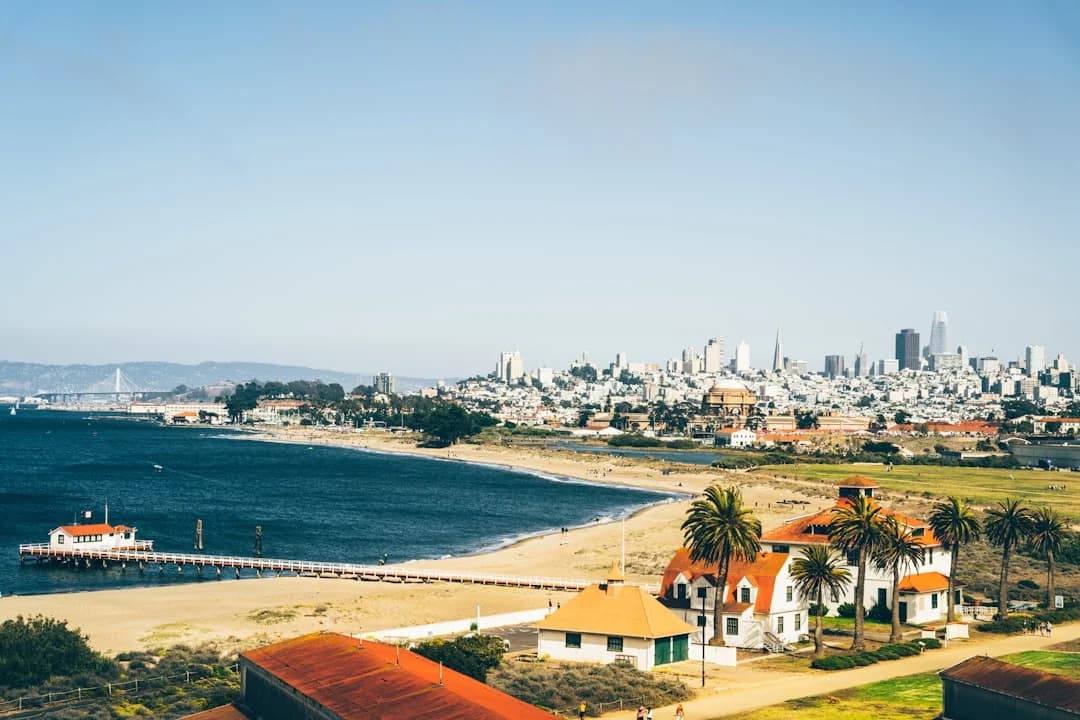
The Bay Area is entering the spring of 2026 with a robust slate of restaurant openings across San Francisco, Oakland, Daly City, Burlingame, Santa Clara, and the North Bay. As reported by Eater SF and local business outlets, the spring window is packed with launches ranging from high-profile chef-driven concepts to more accessible counter-service formats and multi-concept venues. This is not just about new menus; it’s a data-driven story about foot traffic, real estate strategy, labor markets, and consumer spending as the Bay Area’s dining scene reorients in a post-pandemic, inflation-conscious era. For readers tracking the topic Bay Area restaurant openings 2026 spring, the calendar matters because it signals how operators hedge risk, optimize spaces, and test formats designed for a high-cost region with intense competition for customers. (sf.eater.com)
The spring wave arrives on the heels of a winter slate that highlighted aggressive expansions and relocations. In February and early March 2026, notable openings targeted downtown San Francisco and the Peninsula, including Amado in Burlingame, Café Bolita in Berkeley, JouJou in San Francisco’s Design District, and Maria Isabel in Presidio Heights, among others. These openings served as a backdrop to the spring surge, establishing a baseline for consumer engagement and supply-chain planning as the season shifts. The long-term signal is that Bay Area operators are not pulling back; rather, they are recalibrating formats to match evolving demand, price sensitivity, and the region’s distinctive real-estate dynamics. (sfchronicle.com)
In addition to city cores, the spring calendar features important expansions into Oakland, the North Bay, and Silicon Valley. Oakland, in particular, is seeing a mix of revival and new concepts, including There/There and Bar Chisme, which aim to leverage neighborhood-scale sites for longer hours and more flexible service models. Santa Clara’s Asia Live, a sprawling multi-concept venue from the China Live team, is positioned to anchor a major retail hub at Westfield Valley Fair, signaling the Bay Area’s ongoing appetite for large-format, experience-rich dining destinations. Taken together, these openings illustrate a market that is diversifying its portfolio—balancing prestige, accessibility, and a broader geographic footprint. (sf.eater.com)
Opening calendars in the Bay Area have always been sensitive to permitting, costs, and supply-chain realities. The latest reporting shows openings dating from February through May of 2026, with several high-profile concepts rolling out in a staggered fashion to manage capital outlays and staffing needs. The Bay Area Chronicle’s January 2026 overview sketches a roadmap that includes multiple windows for openings—winter into spring, then into summer—while local trackers emphasize quarterly updates as projects move from announcement to groundbreaking to launch. For readers, this means the Bay Area restaurant openings 2026 spring narrative is part of a broader pattern: a region leaning into multi-format strategies to keep dining appealing in the face of rising costs and labor pressures. (sfchronicle.com)
Section 1: What Happened
Winter openings set the stage for a multifaceted 2026
- Amado, Burlingame — Projected opening: February. Aimed at tapping regional Mexican flavors with a refined approach, Amado represented a bold first act for the year in the Bay Area’s Peninsula corridor. The address and concept reflect a strategic move to anchor a high-traffic, high-visibility area just off the San Francisco Peninsula’s major transit routes. (sfchronicle.com)
- Café Bolita, Berkeley — Projected opening: February. From Bolita Masa’s team, Café Bolita was positioned to blend masa-centered small plates with a cafe format, signaling a transition from pop-up to full-service dining in a coveted university-adjacent market. This project illustrates the return-to-form approach some Bay Area chefs are taking—prioritizing quality, accessibility, and local sourcing in a compact footprint. (sfchronicle.com)
- JouJou, San Francisco — Projected opening: February. JouJou’s debut was among the most anticipated, aiming to bring a grand, design-forward brasserie experience to the city’s upper Market/Financial District corridor. The project reflects the Bay Area’s appetite for luxurious, chef-driven hospitality and a sense of occasion in dining out. Address and precise timing were subject to updates as the project evolved. (sfchronicle.com)
- Maria Isabel, Presidio Heights (SF) — Projected opening: February. This pan-Mexican concept from Laura and Sayat Ozyilmaz aimed to bring a new chapter to a well-known SF duo, with a push to deliver vibrant, punchy flavors in a neighborhood with a storied dining history. The opening timeline appeared tight for winter, underscoring the pressure to convert concept into operation in the city’s most competitive dining districts. (sfchronicle.com)
- Sol Bakery, San Francisco (NoPa) — Projected opening: March. The pastry-forward operation from a celebrated pop-up lineage was designed to join the Bay Area’s wave of morning-to-late-day concepts, blending indulgent pastries with light savory fare. The NoPa neighborhood, already dense with beloved eateries, offered a robust stage for a bakery-led expansion that also contemplated breakfast and lunch service. (sf.eater.com)
- Yutori, Palo Alto — Projected opening: Late February. Palo Alto’s version of a Japanese restaurant-and-market concept signaled the Bay Area’s ongoing interest in integrating dining with retail and experiences in high-traffic suburban retail hubs. The project highlighted how university towns and tech-adjacent markets intersect with global flavors in the region. (sfchronicle.com)
- Tokyo Central Emeryville — Projected opening: Jan. 31. The Emeryville location of Tokyo Central promised a large-format Asian grocery experience with in-store sushi bars and grab-and-go options, reflecting a trend toward combined grocery-dining formats in Bay Area tech-adjacent communities. This opening schedule shows how retail anchors can co-locate with dining concept spaces to create day-long customer stickiness. (sfchronicle.com)
- Additional early 2026 notes — The Chronicle’s winter coverage also highlighted planned openings and expansions in the first quarter, including a push to verify dates as construction and permitting progressed. These profiles laid the groundwork for a spring surge and a more expansive 2026 calendar. (sfchronicle.com)
Spring 2026 expands the roster with marquee concepts and regional expansions
Lobalita, San Francisco (Marina) — Opening: Mid-March. A reinvention of a much-loved neighborhood space, Lobalita is led by Nate Valentine and Jamal Blake-Williams, bringing a Mexican cantina concept back to the Marina with a modern twist. The location at 2231 Chestnut Street positions the venue in a high-foot-traffic corridor known for dining and nightlife, signaling a shift toward lively, experiential dining in dense neighborhoods. (sf.eater.com)
Sol Bakery, San Francisco (NoPa) — Opening: Late March. Building on the prior pop-up’s momentum, Sol Bakery’s brick-and-mortar launch signaled a longer-term commitment to pastry-forward cooking with light savory offerings—an anchor for morning-to-afternoon traffic in a highly competitive NoPa market. The NoPa space is notable for its proximity to other high-performing bakeries and cafés, which increases competitive dynamics but also consumer pull. (sf.eater.com)
Nudi Blue, Berkeley — Opening: Late March. A second restaurant from Tanzie’s Café team, Nudi Blue pivots from Thai-focused offerings to a daytime tea-forward concept that transitions into dinner with seafood-focused plates. Berkeley’s dining audience—existing and expanding—was expected to respond to a concept blending tea service, pastry, and evening dining in a single space. (sf.eater.com)
Tur, San Francisco — Opening: April. This new project from the Khao Tiew group was planned as a breakfast-and-brunch destination with Asian flavors, signaling the city’s appetite for morning-to-dinner concepts that can flow from casual to more refined service without moving to a completely different concept. Address: 1 West Portal Avenue. (sf.eater.com)
There/There, Oakland — Opening: May. Re-emerging in Oakland with a refreshed concept and ownership, There/There represents the city’s ongoing openness to queer-forward, community-centered spaces that offer accessible, inclusive dining and signature cocktails as part of a broader citywide revival. Address: 468 25th Street, Oakland. (sf.eater.com)
Bar Coto, San Francisco — Opening: Spring. Bar Coto’s arrival brings a Bar Cotogna-like All-Day Italian café concept to Jackson Square, designed to operate from espresso-in-the-morning through wine-and-snacks at night. The footprint at 596 Pacific Avenue places it near Cotogna’s historic orbit, strengthening a multi-brand hospitality strategy in a compact urban footprint. (sf.eater.com)
Asia Live, Santa Clara — Opening: Spring. Asia Live represents a large Asian food emporium spanning two floors and roughly 12,000 square feet at Westfield Valley Fair, with a full-service restaurant, market, and rooftop components. This project extends China Live’s model into Silicon Valley’s shopping-district ecosystem, highlighting a cross-pollination between retail and dining experiences in the Bay Area’s tech corridor. (sfchronicle.com)
Maillards, San Francisco (Outer Sunset) — Opening: Late March/early April. Maillards will anchor a kitchen in Two Pitchers Brewing Co.’s Outer Sunset taproom, delivering a smash-burger concept late into the night and testing a fixed, food-service format in a casual beer-hall setting. This is part of a broader trend toward late-evening dining anchored by beverage-led venues, especially in neighborhoods with strong nightlife. (sfchronicle.com)
Rose Pizzeria, San Francisco Clement Street — Opening: Spring. Berkeley’s Rose Pizzeria is expanding into San Francisco’s Richmond District, signaling a cross-bay expansion of a well-regarded pizza brand. The Clement Street location will bring familiar crusts and toppings to a new neighborhood, potentially reshaping pizza competition and lunch-to-dinner dining itineraries in the North West neighborhood. (sfchronicle.com)
Stir Crazy, San Francisco (Marina) — Opening: Spring. Stir Crazy emerges as a neighborhood bar concept with cocktail-forward nights and a casual, accessible menu, representing a counter-service-to-full-service continuum in a district known for its high energy after-hours. Address and timing reflect a common approach to implement a flexible concept that can adapt to seasonal tourism demand as well as local resident traffic. (sfchronicle.com)
Tartine Mill Valley, Mill Valley — Opening: Spring. Tartine’s first North Bay outpost expands a known bakery brand into the Marin market, offering pastries, croissants, and light fare in a shopping-center setting. This marks a strategic extension beyond the city into neighboring counties, aligning with a broader Bay Area trend toward regional brand diversification and accessibility in suburban hubs. (sfchronicle.com)
Other spring notes and expansions to watch include Lobalita, Asia Live, Maillards, and Rose Pizzeria’s Clement Street outpost as well as ongoing coverage of Bar Chisme in Oakland and Bar Coto in San Francisco, which reflect a multi-market approach designed to spread risk and capture different consumer segments. Local outlets emphasize that these spring entries complement winter launches and feed into a calendar that will continue to evolve as construction schedules and permitting proceed. (sfbayareatimes.com)
Spring’s momentum is reinforced by related developments and ongoing coverage
- The SF Chronicle’s January 2026 overview and ongoing updates highlight a pipeline that includes additional projects like The Mess Hall at Presidio Tunnel Tops, a large-format food hall that is expected to elevate the level of foot traffic to surrounding neighborhoods and businesses. The opening of such anchored venues is not only about dining; it’s a broader urban-economy signal, with potential job creation, supplier demand, and ancillary retail impacts in nearby corridors. (sfchronicle.com)
- In parallel, Oakland and the East Bay show a pattern of adjacency-driven openings—from new concepts that align with neighborhood identities to collaborations that pair beverage programs with compact kitchen footprints. The calendar’s spring entries in Oakland, such as There/There and Bar Chisme, underscore a broader regional strategy to distribute dining demand more evenly and to experiment with new formats that can scale across counties. (sf.eater.com)
Section 2: Why It Matters
Market dynamics and consumer behavior
- The Bay Area’s 2026 spring openings are a data point in a broader shift toward a mixed-format dining economy. Operators are balancing high-quality, chef-led concepts with more scalable, counter-service formats to hedge against labor shortages and wage inflation while maintaining guest experiences that justify premium pricing in some cases. A key dimension is the emergence of multi-concept spaces and food halls, which can spread fixed costs across several brands and deliver high guest throughput. This approach aligns with the Chronicle’s broader assessment of a market that is embracing both high-touch dining and accessible, quick-service formats to sustain growth. (sfchronicle.com)
- Bay Area restaurant openings 2026 spring are also a test of pricing, supply chains, and real estate flexibility. The winter-to-spring calendar shows operators choosing locations that maximize foot traffic—downtown cores, transit-adjacent neighborhoods, and major retail hubs—while exploring neighborhood-scale venues that can operate with leaner teams and flexible hours. This pattern mirrors national trends toward resilient, multi-market strategies that reduce single-location risk while preserving brand equity. (sfbayareatimes.com)
Neighborhood impact and economic signals
- New openings can inject immediate employment opportunities and longer-term supplier relationships with local farmers, fishers, and food producers. The Bay Area’s openings in Burlingame, Berkeley, Daly City, and the Richmond District signal vibrant economic activity beyond the city core, with pizza brands like Rose Pizzeria and seafood concepts expanding footprints and potentially stimulating adjacent retail clusters. Community-level impacts include increased foot traffic, shifts in parking and transit demand, and the emergence of new dining itineraries that weave together neighborhoods in ways not seen in prior years. (sfbayareatimes.com)
- The influx of large-format venues, such as Asia Live in Santa Clara, and prominent projects at the Presidio and Ferry Building, suggests a strategic emphasis on “destination dining” that can anchor longer visits and cross-pollinate with other entertainment, retail, and office uses. This matters for urban planners and local policymakers as they weigh development approvals, labor standards, and traffic management in high-demand districts. (sfchronicle.com)
Operational formats and technology
- A notable trend across the spring openings is the experimentation with service models and formats that enhance throughput while preserving quality. Lulu’s Little Kitchen’ s pivot to counter-service in Albany exemplifies a broader shift toward more compact, efficient formats that can scale with fewer full-time staff, a critical consideration in a region with tight labor markets. The Bay Area Times explicitly frames these changes as a response to cost pressures and changing consumer spending patterns, underscoring the operational discipline driving the current calendar. (sfbayareatimes.com)
- The technology angle—whether it’s in the form of integrated grocery-dining venues like Tokyo Central Emeryville or the operational efficiencies of multi-brand spaces in the Ferry Building and Presidio—reflects a Bay Area habit of blending hospitality with logistics and data-driven decision making. Bay Area operators often adopt tech-enabled staffing, streamlined ordering, and data-informed menu planning to maintain profitability in a high-cost market, and spring 2026 openings provide a live case study of these approaches in action. (sfchronicle.com)
Section 3: What’s Next
Timeline visibility and ongoing updates
- The calendar of openings in 2026 is being tracked with formal timelines, and major outlets have signaled that openings can shift due to construction schedules, permitting, or supply-chain delays. The Chronicle notes that “This list will be updated quarterly, as new openings are announced and existing projects are inevitably delayed,” a reminder that readers should treat initial dates as projections rather than guarantees. Diners should watch official brand announcements and local press for revised schedules, menus, and concept previews. For those following the Bay Area restaurant openings 2026 spring, quarterly check-ins will remain essential to maintaining accurate itineraries. (sfchronicle.com)
Tracking specific venues and upcoming draws
- The next wave to monitor includes large anchor projects like The Mess Hall at the Presidio and Hayati at the Ferry Building, both of which have the potential to shift foot traffic patterns and weekend dining itineraries in their respective districts. The Mess Hall, in particular, is positioned to draw hotel guests, park visitors, and local residents into a common dining venue at a prominent park site that already attracts substantial foot traffic. As with other openings, the timeline for these venues remains subject to change as permits are finalized and renovations progress. (sfchronicle.com)
- By contrast, neighborhood-focused openings such as Bar Coto in Jackson Square and Bar Chisme in Oakland aim to anchor day-to-night activity in compact footprints, with Michael and Lindsay Tusk’s Bar Coto presenting a daytime espresso-and-gelato experience that transitions to wine and small plates at night. These venues illustrate a broader Bay Area strategy to balance premium dining brands with accessible, everyday options that can sustain a diverse customer base through changing economic conditions. (sfchronicle.com)
What readers should watch for in spring and beyond
- As spring unfolds, readers should track the performance of early spring openings—such as Lobalita, Sol Bakery, and Nudi Blue—through early reviews, occupancy patterns, and social-media signals. Early indicators will help determine whether these concepts scale into summer and fall with similar momentum or adjust their menus, hours, and pricing. The Eater SF coverage provides a baseline of what to expect in terms of concept breadth and timing, but local reviews and customer sentiment will ultimately determine long-term success. (sf.eater.com)
- The Bay Area’s broader openings calendar will continue to be influenced by labor-market dynamics, cost pressures, and consumer demand shifts. The Chronicle’s winter-to-spring pipeline demonstrates how operators are balancing ambition with pragmatism, launching multiple concepts in a staggered fashion to optimize capital deployment and staffing. Diners and investors should anticipate further refinements over the next 12 months as new restaurants settle into their neighborhoods, test menus, and respond to feedback from early guests. (sfchronicle.com)
Closing
- The Bay Area’s spring 2026 openings present a data-rich portrait of a dynamic dining landscape that blends high-profile chef-driven concepts with flexible, neighborhood-focused venues. The calendar reflects strategic diversification across geography, format, and price points, suggesting that operators expect persistent demand across both urban cores and suburban corridors. For readers of the SF Bay Area Times and other local outlets, the spring season offers a practical menu of new experiences to test—whether it’s a formal tasting at JouJou, a casual bite at Maillards, or a pastry-forward morning at Sol Bakery. As always, staying tuned to official restaurant announcements and ongoing coverage from credible outlets such as Eater SF and The San Francisco Chronicle will be essential to navigating the evolving Bay Area dining scene. (sf.eater.com)
In sum, the Bay Area restaurant openings 2026 spring highlight a market recalibrating around value, speed, and experience. With a range of concepts launching from Daly City to Santa Clara and from the Marina to Mill Valley, the season offers a practical case study in how Bay Area operators are balancing growth ambitions with the realities of a high-cost, high-competition hospitality environment. Readers can expect continued data-driven coverage as the calendar progresses through spring and into the busy summer and fall windows, with updates on exact dates, menus, and service formats as they become available. Stay tuned for more precise timelines and menu previews in upcoming Bay Area dining reports. (sfbayareatimes.com)