Muon Space Opens 130k Sq Ft San Jose Satellite Plant


Photo by Cedric Letsch on Unsplash
The Bay Area is again redefining its role in the cutting edge of hardware, AI, and space systems, with a clear signal from the Bay Area satellite manufacturing San Jose scene. On June 22, 2026, Muon Space formally opened a 130,000-square-foot production hub in San Jose, a milestone described by the company as a major step in scaling high-mix satellite constellations for defense, civil, and commercial missions. The ribbon-cutting event drew local and federal officials, executives, and customers, underscoring the Bay Area’s continuing strength as a center for advanced manufacturing in space systems. The opening comes at a moment when Silicon Valley’s hardware ecosystem—long a driver of semiconductors, robotics, and optics—is converging with rapid growth in satellite technology, including small-form and mid-scale satellites designed for weather monitoring, national security, and commercial connectivity. Muon Space’s investment in San Jose places the city at the core of a broader regional push to accelerate onshore space production and reduce lead times between design, test, and orbit. This development—rooted in the Bay Area satellite manufacturing San Jose narrative—has immediate implications for local jobs, supplier networks, and the pace of satellite programs that rely on rapid, repeatable manufacturing.
Muon Space, a Mountain View-founded company that styles itself as the Mission Foundry for high-performance satellite constellations, announced the grand opening in a press release and contemporaneous local coverage. The facility represents a tenfold expansion over Muon’s prior footprint, with 70,000 square feet dedicated to manufacturing and 30,000 square feet of cleanroom space, all housed within a single site equipped to support vertical integration across assembly, testing, and propulsion integration. The San Jose site is designed to handle high-mix, high-rate production and is positioned to support up to 500 satellites per year across a range of masses from roughly 100 kilograms to more than 1,500 kilograms. The facility’s 300-kilowatt solar array powers the majority of operations, and the site adheres to UL 2050 security standards for defense programs. The company highlighted the strategic importance of scale and repeatability for customers spanning civil, defense, and commercial markets, reinforcing Muon Space’s stated objective of delivering flight-ready spacecraft in months rather than years. The official press materials note that Muon Space’s Saint Jose manufacturing hub will serve as a central node for its growing constellation portfolio and a key anchor in Silicon Valley’s space hardware ecosystem. (streetinsider.com)
Section 1: What Happened
Grand Opening Ceremony and Date
The San Jose ribbon-cutting marked the public opening of Muon Space’s new facility on June 22, 2026, with an 11:00 AM PDT ceremony that brought together elected officials, government leaders, and industry partners. Speakers included San Jose Mayor Matt Mahan and other dignitaries, along with Muon Space leadership, who framed the event as both a milestone for the company and a broader signal about Bay Area capabilities in space manufacturing. The event was described in contemporaneous outlets as a formal public opening, though production activity had begun at the site prior to the ceremony. The ceremony also served to highlight Muon Space’s strategic rationale for locating a high-volume production environment in San Jose, positioning the region to support fast-moving satellite programs and to catalyze local supplier participation. (streetinsider.com)
Facility Location, Size, and Layout
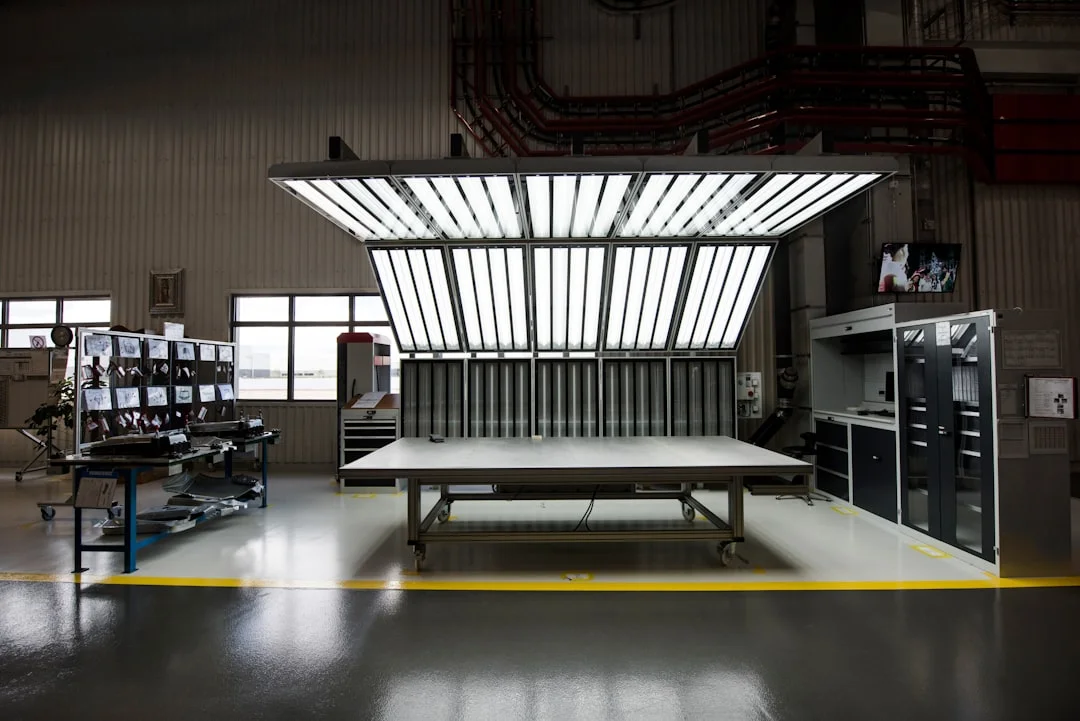
Mu on Space’s San Jose facility spans 130,000 square feet, with manufacturing space totaling 70,000 square feet and a cleanroom complex of 30,000 square feet. The facility’s footprint and internal layout are designed to accommodate vertically integrated production lines—ranging from spacecraft assembly to instrument integration and propulsion system work—within a single campus. The announced site supports a broad spectrum of mission types and configurations, from small satellites to larger, high-capability spacecraft, with an emphasis on repeatable processes and high throughput. Local reporting and industry coverage identified the site as the company’s new production hub suitable for rapid scaling of satellite production. While multiple outlets reported the general location in San Jose, one industry publication noted the facility address as 5970 Optical Court, aligning with San Jose-area logistics and industrial zoning that are favorable to high-volume manufacturing and supplier access. (streetinsider.com)
Production Capabilities, Throughput, and Capabilities
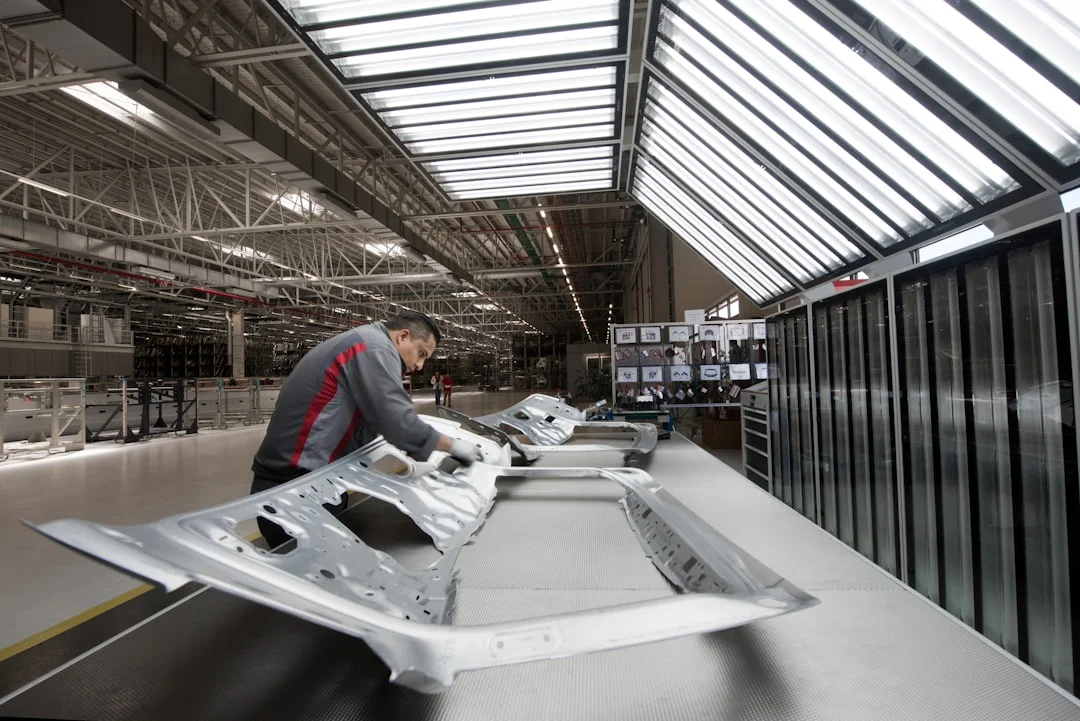
Muon Space described the San Jose facility as purpose-built for high-mix, high-rate production, enabling the company to manufacture hundreds of satellites within a given year as demand dictates. The site is designed to support up to 500 satellites per year across the 100 kg to 1,500+ kg class, indicating capability for a broad range of constellations and payload types. The 300 kW solar array provides substantial on-site energy for power-intensive manufacturing and test activities, aligning with the company’s emphasis on reliability and scalable throughput. The facility’s infrastructure supports dedicated areas for spacecraft assembly, optical instrument integration, mission operations, and in-house propulsion system production and integration, reflecting Muon Space’s end-to-end approach to space hardware development. City and company officials framed the facility as a strategic upgrade to the region’s manufacturing base and as a practical accelerator for Muon Space’s expansion plans. (streetinsider.com)
Leadership and Community Engagement
In addition to the formal ceremony, Muon Space’s leadership framed the San Jose site as a vital component of the company’s growth strategy and an emblem of San Jose’s ongoing role as a technology manufacturing hub. Local government officials highlighted job creation and the broader benefits of onshore production for national security, civil space initiatives, and commercial space ventures. The event underlined the public-private collaboration that is often highlighted in Bay Area technology policy discussions around advanced manufacturing, workforce development, and supply-chain resilience. (streetinsider.com)
Section 2: Why It Matters
Economic and Workforce Impact
The Muon Space opening in San Jose is not just a milestone for a single company; it signals a broader momentum in the Bay Area’s space hardware ecosystem. A 2025 Bay Area economy report on Space in the Bay Area discusses the region’s capacity to design, prototype, and manufacture satellites domestically, leveraging a network of universities, research labs, and private firms to accelerate hardware development. The new Muon facility adds a substantial production capability to the region, likely stimulating demand for local skilled labor, precision manufacturing, cleanroom operations, optics assembly, and related engineering services. Local officials and industry observers anticipate that the plant will create high-skilled manufacturing roles and foster supplier partnerships with Bay Area electronics, optics, and mechanical firms. This expansion aligns with ongoing regional efforts to strengthen domestic manufacturing for space systems and critical infrastructure, reducing reliance on overseas supply chains for sensitive components and subassemblies. (bayareaeconomy.org)
Regional Supply Chain and Ecosystem Enhancements
San Jose and the broader Bay Area have long hosted a dense ecosystem of hardware-based companies, test facilities, and engineering talent. The Muon Space development adds a critical late-stage production node that can shorten lead times between design and orbit, particularly for high-demand defense and civil programs. In combination with other Bay Area space-related firms, including lidar, optics, and electronics manufacturers, Muon Space’s San Jose site helps knit together a more integrated local supply chain for satellites and their subsystems. This ecosystem dynamic is repeatedly cited in regional analyses as a differentiator for the Bay Area’s technology manufacturing cluster, with potential spillover benefits for startups and established firms pursuing space-focused hardware programs. (bayareaeconomy.org)
Implications for National Security, Civil, and Commercial Space
Muon Space positions itself in a multi-market space—defense, civil, and commercial—where rapid production, high reliability, and scale can influence program timelines and cost structures. The company’s leadership has repeatedly emphasized the need for fast, repeatable manufacturing processes capable of producing flight-ready spacecraft on accelerated cadences. The San Jose facility is described as capable of handling a wide range of mission types, including defense-focused satellites, and its security posture aligns with industry standards for defense programs. The broader significance is that onshore production capabilities like Muon Space’s may influence procurement strategies, supplier diversification, and the pace of constellations that support national security and critical civilian applications such as weather monitoring and disaster response. (streetinsider.com)
Section 3: What’s Next
Production Ramp and Customer Pipeline
With the ribbon-cutting behind it and production already underway, Muon Space’s San Jose facility is expected to ramp up over the coming quarters, guided by a diversified customer pipeline spanning government and commercial clients. The company’s press materials describe a pathway to scale that can accommodate a growing constellation portfolio, enabling Muon Space to respond to evolving mission requirements with greater speed and configurability. Observers will watch for the company’s ability to maintain yield and quality across multiple satellite platforms while sustaining high throughput. The facility’s architecture—designed to support multiple mission types—suggests flexibility to adjust production lines for different spacecraft configurations as contracts come online. (streetinsider.com)
Partnerships, Investments, and Regional Momentum
The San Jose site is part of a broader pattern of Bay Area investments in space hardware and manufacturing capabilities. The coverage surrounding Muon Space’s opening situates the Bay Area satellite manufacturing San Jose story within a context of intense regional activity in hardware-enabled AI and space systems. As the Bay Area continues to host both established players and startups pursuing satellite-based services, the presence of a large-scale, on-site production facility enhances the region’s attractiveness to investors, suppliers, and talent. The broader regional momentum is reinforced by analyses of Bay Area space industry activity that point to continued growth in research, development, and manufacturing activity, as well as increasing collaboration across academia, government, and private enterprise. (bayareaeconomy.org)
Timeline of Key Milestones ( succinct recap for readers)
- June 22, 2026: Muon Space publicly opens its San Jose satellite manufacturing facility with a ribbon-cutting ceremony attended by civic and industry leaders. The event signals the company’s broader scale-up plan for high-mix, high-rate satellite production. (streetinsider.com)
- June 22, 2026: The facility is described as a 130,000-square-foot production hub, including 70,000 square feet of manufacturing space and 30,000 square feet of cleanroom facilities, designed to support up to 500 satellites annually. (streetinsider.com)
- 5970 Optical Court, San Jose (as reported by regional real estate coverage): A location aligned with Bay Area industrial zoning and access to suppliers and talent pools in Silicon Valley. (news.theregistrysf.com)
- Ongoing ramp-up: Muon Space indicated ongoing production activity prior to the ceremony and signaled plans to accelerate deliveries across defense, civil, and commercial programs, leveraging its end-to-end production capabilities. (streetinsider.com)
Closing
The Muon Space opening in San Jose marks a notable moment for the Bay Area’s satellite manufacturing footprint, reinforcing the region’s role as a hub for hardware-intense AI and space systems development. For readers tracking Bay Area satellite manufacturing San Jose developments, this facility provides a tangible signal that the local ecosystem is moving from design and prototyping toward large-scale production, with implications for regional employment, supplier networks, and the speed at which space-based services can reach orbit. As Muon Space and its partners begin to demonstrate the operational benefits of scale, observers will be watching how the company’s production cadence influences contract awards, funding allocations for defense and civil space, and the broader trajectory of Silicon Valley’s space hardware industry. The Bay Area Times will continue to monitor Muon Space’s progress, provide updates on the facility’s performance, and track how San Jose’s manufacturing base adapts to accommodate the next wave of satellite programs in a rapidly evolving market.
In the months ahead, industry participants and policy makers will assess whether onshore production capabilities like Muon Space’s San Jose facility translate into measurable improvements in national security, weather forecasting, and commercial connectivity. The ongoing convergence of Bay Area innovation, manufacturing prowess, and space technology suggests that this is not a single milestone but part of a longer arc—one in which San Jose and the broader Bay Area remain central to building, testing, and operating the hardware that will power the next generation of orbital infrastructure. Readers can stay updated through local outlets such as the SF Bay Area Times, as well as national and regional coverage that tracks developments in Muon Space, the Bay Area space ecosystem, and related manufacturing initiatives.
Grounded in verifiable details, this coverage emphasizes a balanced, fact-based view of how a single facility can influence a regional industry sector. The event timeline, facility specifications, and official remarks provide a clear framework for understanding the immediate implications, while broader analyses of the Bay Area’s space economy offer context for longer-term impact. The story continues to unfold in San Jose, as Bay Area satellite manufacturing San Jose evolves from a concept to a living, operable production network that could redefine what’s possible for space hardware in the United States.