
Bay Area Super Bowl 2026 Economic Impact
Insightful neutral analysis of the Bay Area Super Bowl 2026 economic impact, exploring its significant implications for regional businesses.
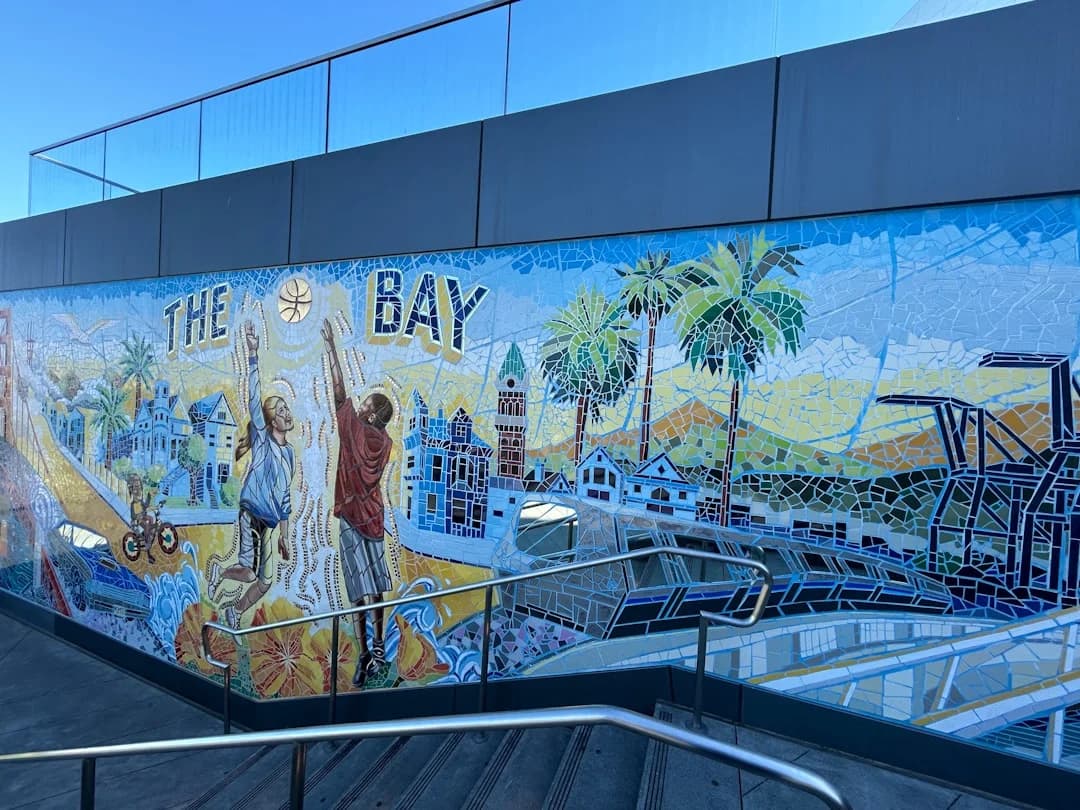
The Bay Area’s week of major sports and entertainment culminated on February 8, 2026, when Super Bowl LX was played at Levi’s Stadium in Santa Clara, signaling a high-profile inflection point for the regional economy. As fans descended on hotels, restaurants, transit hubs, and event venues, observers watched closely for measurable effects on local commerce, employment, and city finances. Early and later estimates place the Bay Area’s economic impact in the hundreds of millions of dollars, underscoring the game’s role as a major, data-driven economic event rather than a single-day spectacle. Public officials and regional business groups released numbers that frame the event as a multi-day engine for spending, job activity, and tourism, with estimates ranging from roughly $500 million to more than $700 million in total economic activity for the region. (gov.ca.gov)
Beyond the headline figures, the week featured a coordinated calendar of events designed to maximize visitor spend and local business participation, including a large-scale fan experience at Moscone Center that drew tens of thousands of attendees and provided a dense concentration of consumer activity in downtown San Francisco. The hospitality sector reported elevated room rates and high occupancy, while retail, food service, and transportation providers experienced a surge in demand that extended beyond game days and into the surrounding week. The event’s scale also highlighted the Bay Area’s capacity to host mega-events in the era of data-driven, AI-assisted planning, logistics, and marketing. (sfchronicle.com)
Section 1: What Happened
The Event Groundwork and Official Timeline
The regional bid to host Super Bowl LX culminated in a widely covered, multi-city build-up that leveraged Levi’s Stadium as the centerpiece for the game and a suite of affiliated experiences across the Bay Area. The official game day took place on February 8, 2026, with Levi’s Stadium in Santa Clara serving as the primary venue. The announcement and preparation phase stretched into late 2025 and early 2026, with host committees coordinating infrastructure, security, and hospitality operations to accommodate visitors from across the country and abroad. The event’s official date and venue are corroborated by multiple sources detailing the game’s location and date. (en.wikipedia.org)
Attendance, Visitors, and Immediate Economic Signals
A defining characteristic of Super Bowl LX was the influx of visitors expected to exceed typical regional tourism patterns. The Governor of California’s office projected roughly 90,000 visitors from outside the Bay Area would attend the events surrounding the game, a number that underscores the scale of out-of-area spending that typically flows through hotels, restaurants, and local vendors during Mega-Events. In parallel, media reporting on pre-game activity highlighted the immediate commerce spike in hospitality and retail sectors as fans arrived ahead of the weekend. These figures frame the event as not only a sports contest but also a substantial, time-constrained infusion of consumer demand into the regional economy. (gov.ca.gov)
The public-facing industry narrative around the week’s activities also featured a major consumer experience component. The NFL’s outreach and city partners staged a large “Super Bowl Experience” at Moscone Center in San Francisco, drawing tens of thousands of attendees over several days. This single venue event provided a concentrated buoy for hotels, transit, and ancillary services in the city core, illustrating how mega-events concentrate economic activity in specific districts while enlivening broader urban areas. (sfchronicle.com)
Measured Economic Impact: The Numbers Poll
Economists and regional reporters have tracked the Bay Area’s economic performance during Super Bowl LX, producing a spectrum of estimates that reflect different measurement methodologies and time horizons. A prominent local report cited by NBC Bay Area estimated roughly $720 million in total economic activity generated by the Super Bowl LX in the Bay Area, emphasizing that the 2026 figure substantially surpassed the 2016 Bay Area game in inflation-adjusted terms. The same reporting noted the overall impact as a major event for the regional economy, with effects distributed across hospitality, entertainment, retail, and services. (nbcbayarea.com)
Concurrently, state government estimates released during the lead-up to the game highlighted a lower bound on impact, indicating approximately $500 million in total economic impact, anchored by expectations of about 90,000 out-of-area visitors and a broad set of spending categories, including lodging, dining, transportation, and event-related activations. While this projection was announced prior to the event, it provided a conservative baseline that policymakers and business leaders used to calibrate transportation planning, tax receipts expectations, and workforce demand. (gov.ca.gov)
Market observers and trade press characterized the event as a potential template for AI-augmented event management, noting that 2026 saw more robust integration of data-driven scheduling, crowd management, and marketing optimization—factors that could raise efficiency and, in turn, multiplier effects for the Bay Area’s economy. Morningstar’s coverage of AI-enabled operations for Super Bowl LX framed the event as one of the decade’s largest, AI-powered employment and spending surges in the region, with implications for service-sector productivity and technology adoption in event ecosystems. (morningstar.com)
Sectoral Breakdown: Where the Money Flows
Hotels and lodging are a cornerstone of the Bay Area’s Mega-Event economics. Industry reporting during the Super Bowl LX window showed elevated room rates and occupancy in key cities, supported by the influx of visiting fans, corporate guests, and media personnel. While discipline-specific numbers vary by hotel market segment and booking channel, multiple outlets documented substantial rate inflation and strong demand, indicating a direct revenue lift for lodging providers and ancillary services around major event periods. This pattern aligns with historical expectations for large-scale sports events in dynamic urban markets. (sfchronicle.com)
Restaurants, bars, and nightlife venues also benefited from extended operating hours and high foot traffic during the Super Bowl LX lead-up and game week. Local outlets reported a notable uptick in dining and beverage sales, particularly in neighborhoods near fan zones and event venues, with certain districts experiencing more pronounced gains due to targeted marketing and pop-up activations. The San Francisco Chronicle captured this dynamic in restaurant-focused coverage that highlighted the broader economic ripple created by high-profile events, including the associated supply chain and labor market effects. (sfchronicle.com)
Transportation and mobility networks bore the brunt of the event’s logistics needs, from enhanced transit service to road closures and traffic management. With tens of thousands of attendees converging on the Bay Area for pre-game activities, the SFMTA and regional operators faced the dual challenge of delivering reliable service while accommodating demand surges. Early reporting pointed to the risk of service constraints if fiscal pressures persisted, a concern echoed by transportation researchers who study mega-event planning and public spending. Road-clearing advisories and citywide mobility updates were widely published in the run-up to the game, reflecting the operational tempo of event week. (axios.com)
A broader view of the Bay Area’s economic response to Mega-Events situates Super Bowl LX within a longer arc of regional growth and volatility. The Bay Area’s technology sector and innovation economy, alongside tourism and services, contributed to a robust spending continuum that extended beyond the stadium footprint, including pop-up experiences, media production, and sponsorship activations. Analysts and reporters highlighted the event’s potential to set a new baseline for how tech-enabled event ecosystems can drive multiplier effects across multiple industries. (morningstar.com)
The AI Dimension: Technology Meets Tourism
Morningstar’s analysis of Super Bowl LX emphasized the AI backbone powering the week’s operations—from crowd analytics to supply-chain orchestration and personalized consumer experiences. The article framed the Bay Area as a testing ground for AI-enabled event management, suggesting that such technologies could streamline logistics, boost efficiency, and potentially elevate visitor spending per capita. For a region where technology and hospitality converge, this alignment represented a notable case study in how digital innovation translates into tangible economic activity during large-scale events. (morningstar.com)
Section 2: Why It Matters
Economic Significance for the Bay Area
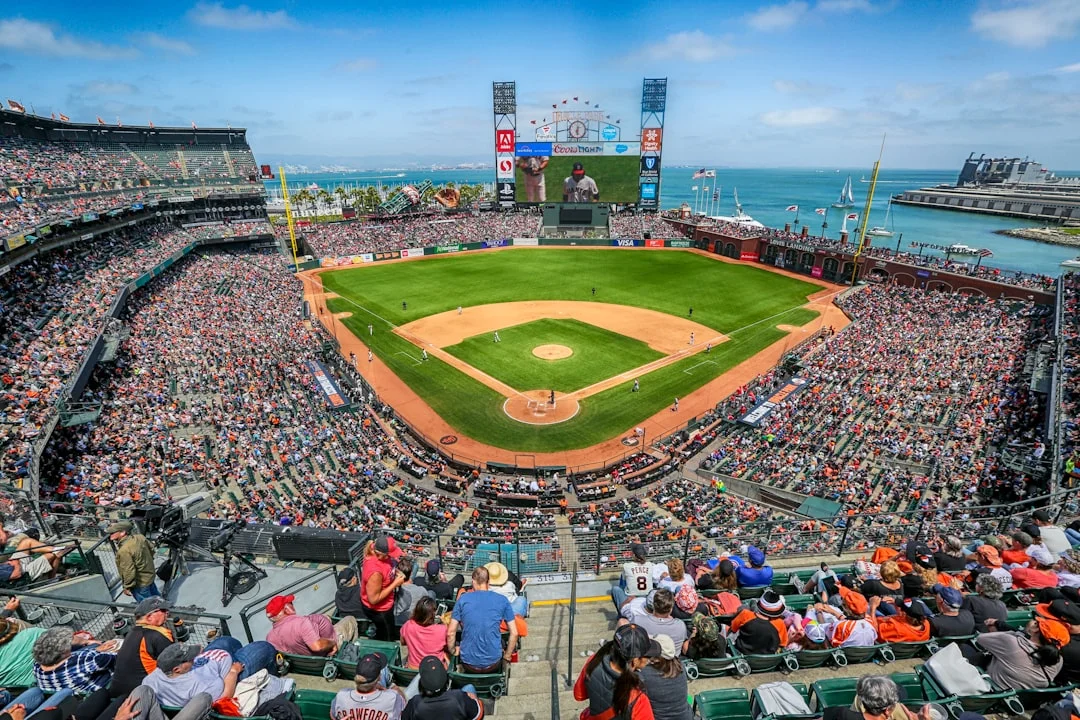
Photo by Mick Haupt on Unsplash
The Bay Area’s experience with Super Bowl LX underscores the event’s role as a significant economic catalyst, with a measurable impact on regional GDP components, employment in service sectors, and consumer spending. Government and independent analyses point to a multi-hundred-million-dollar impact, with estimates ranging from roughly $500 million to $720 million in total regional economic activity. The divergence in estimates reflects the complexities of measuring short-run economic spillovers, including induced spending, wage effects, and temporary labor demand. However, taken together, the figures reinforce the event’s status as a major regional economic driver during a concentrated period. (gov.ca.gov)
The scale of visitation—particularly the projection of about 90,000 out-of-area visitors—translates into hotel occupancy, airline and ground transportation demand, and a broader uplift in consumer activity that can have downstream effects on tax receipts, municipal revenues, and local business sentiment. While the precise fiscal impact varies by city and borough, the overall signal is clear: a mega-event of this size can function as a short-term economic accelerator for a diversified local economy. (gov.ca.gov)
Who Benefits and Who Faces Trade-offs
The immediate beneficiaries include hotels, restaurants, event venues, and transportation providers that experience heightened demand during event windows. Small businesses that supply food, beverages, and merchandise to fans, as well as sponsors and marketing agencies, also gain from the increased activity. The Bay Area Travel Association and local media have highlighted the way this influx reverberates through neighborhoods and districts that host fan experiences or temporary marketplaces. This distribution of benefits is consistent with historical mega-event patterns observed in other regions, where localized boosts coexist with the need for targeted city services, security, and crowd management. (sfchronicle.com)
Yet there are trade-offs and public policy considerations. Transportation networks that operate near capacity must balance event-week demands with ongoing mobility needs for residents, workers, and students. Reports from local outlets and national outlets alike note ongoing concerns about transit financing and service levels, which can shape the long-run economic health of the region if not addressed through policy and planning. In addition, mega-events raise questions about equity and community impact, including how benefits are distributed across neighborhoods and what investments follow to sustain positive outcomes after the crowds disperse. (axios.com)
Contextual Juxtaposition: World Cup 2026 and Tech Leadership
The Super Bowl LX occurrence in early February 2026 sits alongside the Bay Area’s broader marquee events calendar, including FIFA World Cup 2026 games later in the year. The Bay Area Host Committee and San Francisco Travel Association signaled that aligning Mega-Events across sports and tourism could amplify economic activity through synchronized marketing, cross-promotional opportunities, and extended travel itineraries for visitors. Early planning documents and city statements framed the World Cup as a next-phase economic lever, with expectations of hundreds of millions in regional activity and a longer-term impact on the Bay Area’s infrastructure and service ecosystems. This context matters because it shapes both the immediate investment climate and the post-event legacy for the region. (sftravel.com)
Public Sentiment and Local Business Perspectives
From corporate partners to small businesses, stakeholders have expressed a mix of optimism and caution. The immediate economic uplift is widely acknowledged, but players in the local economy emphasize the importance of translating temporary spikes in spending into durable, job-creating momentum. In practice, this means focusing on workforce development, small-business resilience, and post-event marketing that sustains customer engagement. Local coverage during and after the game highlighted strong demand signals for hospitality and retail sectors, with particular emphasis on neighborhoods adjacent to major venues and event spaces. (sfchronicle.com)
Section 3: What’s Next
Post-Event Economic Trajectories and Legacy Investments
Looking ahead, the Bay Area will be analyzing the post-event economic trajectory to understand how the Super Bowl LX impact translates into longer-term growth. Early indications suggest that the event’s economic boost—especially when combined with the World Cup 2026 calendar—could influence investment patterns, occupancy rates, and consumer confidence in the short to medium term. Analysts and policymakers will be closely watching hotel occupancy statistics, retail performance metrics, and transit usage in the months following the game as metrics of lasting impact. (gov.ca.gov)
In parallel, the AI-enabled approach to event management is expected to inform future mega-events in the region. The Morningstar piece highlights that data-driven and AI-powered operations could become a standard feature of large-scale productions, potentially improving efficiency, safety, and guest experience while shaping the economic footprint of such events in the Bay Area. If this trend continues, the Bay Area could become a global model for how technology can scale mega-event planning without compromising quality or community benefit. (morningstar.com)
Next Steps for Stakeholders and the Public
From a policy and planning perspective, the key steps involve refining transportation funding models, investing in transit reliability during mega-events, and crafting community-benefit programs that extend the economic uplift beyond the event window. Local governments and regional agencies are likely to pursue a mix of capital improvements, service enhancements, and workforce development initiatives designed to ensure that the short-term gains from Super Bowl LX translate into durable improvements for residents and workers. Public communications will likely focus on transparency around costs, timelines, and measurable outcomes, helping the public understand how mega-events fit into broader economic and urban development strategies. (axios.com)
What to Watch in the Coming Months
The narrative around the Bay Area’s Mega-Event economy will hinge on a few observable indicators: hotel occupancy and room-rate trends in the six to twelve weeks after the game, consumer spending patterns in hospitality districts, and the utilization rates of transit networks during and after the event window. Additionally, the World Cup 2026 schedule will shape seasonal demand, with potential overlap or synergy between the two mega-events that could either magnify benefits or complicate regional logistics. Media and industry analysts will produce follow-up analyses detailing how the Bay Area’s economy absorbed and reallocated resources during this sprint of high-profile events. (sfchronicle.com)
Closing
The Bay Area’s experience with Super Bowl LX illustrates a broader trend: mega-events remain a potent, visible driver of regional economic activity when paired with robust planning, diversified industry participation, and clear public communication. The measured impact—whether near $500 million or above $700 million—points to tangible benefits for hotels, restaurants, and service providers, along with important questions about capacity, equity, and lasting growth. As the region continues to host major events in the World Cup year, officials and business leaders will likely focus on how to preserve the momentum generated during Super Bowl LX while translating it into enduring opportunity for Bay Area residents and businesses. The data-driven approach to evaluating these outcomes will help inform decisions on policy, investment, and the blueprint for future megacultural and sporting events in the Bay Area.

Photo by John Ruddock on Unsplash