
Betta Launches Neo: Why a Gateway-Connected, Weather-Adaptive Pool Skimmer Matters for the Robotic Cleaner Category
Betta's May 2026 Neo launch is the most architecturally distinctive product the robotic pool cleaner category has seen in years. Gateway connectivity and weather-adaptive scheduling reset baseline expectations.
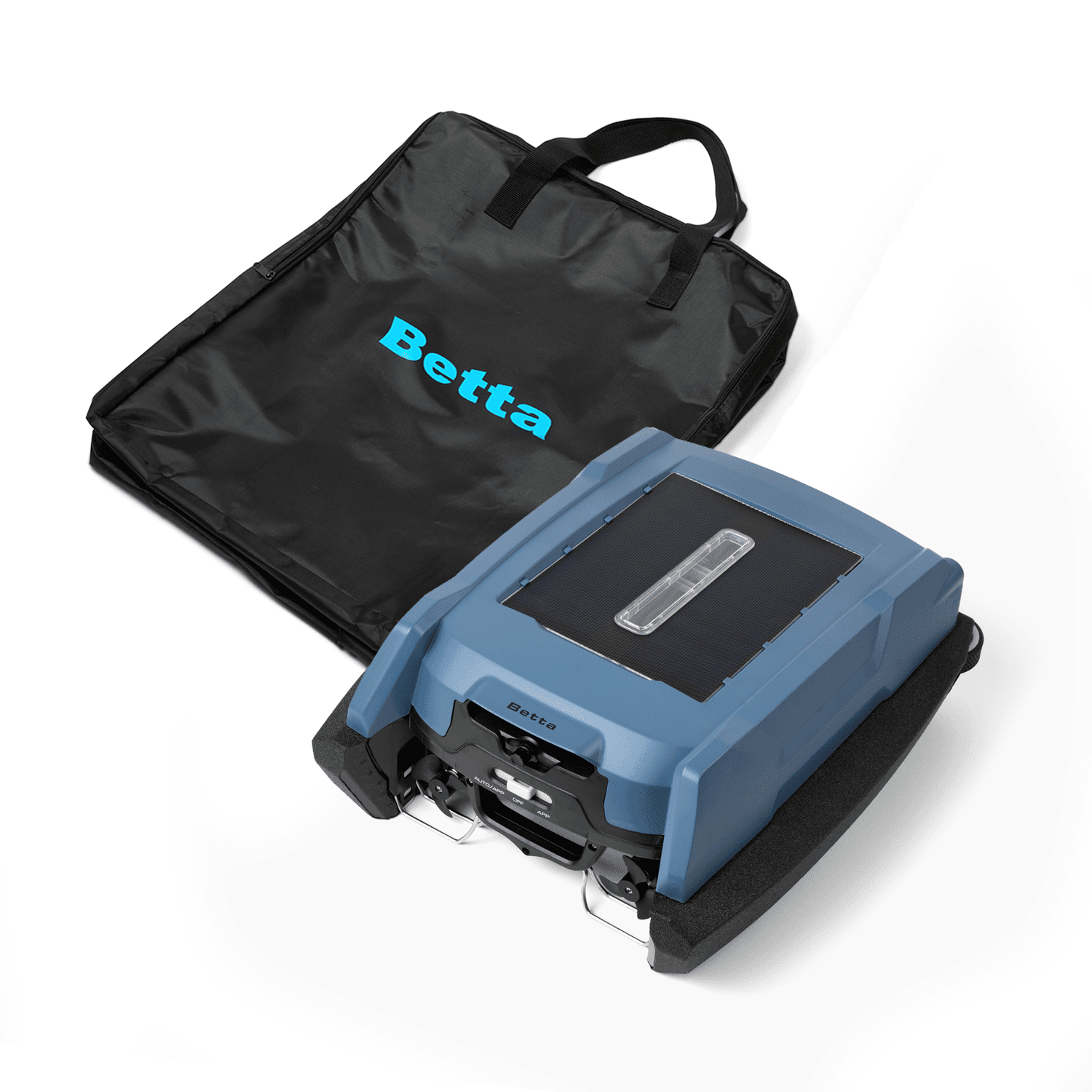
The robotic pool cleaner category has been growing steadily for a decade, but most innovation has been incremental — slightly better navigation algorithms, marginally more efficient motors, refined debris baskets. Genuine architectural changes have been rare.
Betta's May 2026 launch of the Neo is the most architecturally distinctive product the category has seen in several years. Two design choices in particular reset baseline expectations for what a connected solar-powered pool skimmer should do.
Architectural Choice #1: Gateway Connectivity
Most app-controlled robotic pool cleaners on the market today rely on direct Wi-Fi connections from the device to the home router. This works in showroom demonstrations and underperforms in actual residential deployment, where backyard Wi-Fi signal degrades with distance, walls, and obstructions.
The Neo introduces a dedicated Betta Gateway — a small bridge device that sits inside the home and communicates with the pool device using a protocol optimized for outdoor range. This extends usable connectivity to up to 600 feet, well beyond the practical limit of direct Wi-Fi.
For the category, this is significant because:
It eliminates a primary failure mode. Connectivity dropouts have been one of the most consistent negative-review patterns for app-controlled pool devices. The gateway architecture removes the variable.
It enables features that were previously theoretical. Real-time telemetry (water temperature, cleaning status, battery), remote control, and reliable scheduling all depend on stable connectivity. Without it, "smart" features are functionally unreliable.
It raises the bar for competitive products. Once a category leader ships gateway connectivity at the $429.90 price point, ship-Wi-Fi-only solutions become harder to defend.
Architectural Choice #2: Weather-Adaptive Scheduling
Solar-powered pool devices have a fundamental energy-budget challenge: the solar charge they can collect varies meaningfully with weather, but most products run on a fixed schedule that doesn't account for it. The result is either an under-utilized device (configured conservatively for the worst case) or one that runs out of charge during cloudy stretches.
The Neo's Smart Weather-Adaptive mode pulls forecast data through the gateway and uses it to adjust the cleaning schedule:
Forecast-aware scheduling. The device looks at expected sunlight over the next several days and times cleaning sessions so the pool gets consistent coverage while the battery stays adequately charged.
Location-specific solar curves. The system accounts for the fact that two pools with the same hardware can have very different solar profiles depending on tree cover, orientation, and seasonal sun angle.
Steady operation through mixed weather. Rather than draining the battery on a rigid calendar, the schedule paces itself against forecasted solar input so the device stays operational across a typical week of variable conditions.
A clarifying note for the trade reader: the Neo's weather-adaptive logic adjusts when and how often the device runs, not how hard it runs. The motor's operating profile is the same every cycle. The intelligence lives in the schedule.
This is the first-of-its-kind feature in the consumer pool cleaning category. Weather-adaptive scheduling exists in other categories (irrigation, HVAC, lighting) but had not been brought to robotic pool cleaning at the consumer price point until the Neo.

The Foundation: What Carries Over from Existing Betta Products
The Neo doesn't abandon the proven Betta product foundation. Several core features are evolved versions of capabilities already established across the SE, SE Plus, and Flex product lines:
- Twin SCT motors with salt and chlorine pool compatibility, building on the Silent Clean Technology motor design used across the line
- Soft-touch casing that protects pool plaster, vinyl liners, and tile from incidental contact during navigation
- Large easy-clean debris basket with tool-free emptying — same usability principle as prior models, sized for the Neo's coverage area
- Auto-cleaning as a baseline mode for users who don't want to engage with the app
- Solar-first power architecture with the addition of adapter backup for cloudy stretches and faster initial charging
For pool dealers and service professionals, this means the Neo doesn't require relearning the product family. It's an evolution of the existing Betta line with new capabilities layered on top, not a clean-slate redesign.

Specifications and Positioning
| Spec | Betta Neo |
|---|---|
| Pool size | Up to 40 ft × 60 ft (~2,400 sq. ft.) |
| Pool types | In-ground and above-ground; salt and chlorine compatible |
| Power | Solar (onboard) + adapter (backup/fast charge) |
| Connectivity | Betta Gateway, up to 600 ft range |
| Modes | Auto, Smart Weather-Adaptive, Scheduled |
| Motors | Twin SCT motors |
| Construction | Soft-touch casing, low-profile design |
| Safety | Shallow water safeguard with ultrasonic sensing |
| App features | Water temp, status, remote control, scheduling |
| Color options | Blue, Gray (with optional storage bag) |
| Price | $429.90 (sale) / $549.90 (regular) |
| Warranty | 1 year + 30-day home trial |
| Ship date | May 15, 2026 |
The price positioning is notable. At $429.90, the Neo lands above the entry-level Betta SE ($369.90) and SE Plus ($389.90) as the new connected flagship in the line. The price-to-feature ratio favors the Neo for buyers prioritizing app control and weather adaptation; the SE and SE Plus remain compelling for buyers who don't need or want connected features.
Implications for Pool Service Professionals
For pool service businesses considering recommending or stocking the Neo, several factors are relevant:
Reduced between-visit complaints. Continuous surface cleaning on a weather-aware schedule means pools stay visibly cleaner between weekly service visits, even across cloudy stretches that would idle a fixed-schedule device. This reduces customer complaints and improves retention.
Real-time pool status. Service professionals managing multiple properties can monitor water temperature and cleaning status remotely through the customer's Betta app (with permission), enabling more proactive service scheduling.
Lower service stress for pool-equipped vacation rentals. Property managers running short-term rentals see the most direct benefit — the Neo handles the between-guest cleanliness layer that weekly service can't reach.
A new service revenue layer. Setup, troubleshooting, and gateway optimization are services that pool professionals can monetize as the Neo and similar gateway-connected devices spread.
The Category Outlook
The Neo is best understood not as a one-off product but as a signal of where the category is heading. Gateway-based connectivity, weather-adaptive automation, and reliable real-time telemetry are the next generation of must-have features. Products that don't move toward this architecture will look increasingly outdated over the next 24-36 months.
Pool industry professionals tracking the category should plan for the Neo (and inevitable competitors) to define new baseline expectations across pricing tiers.
The Bottom Line
The Betta Neo represents the first credible attempt to bring real connected-home architecture to the residential pool category at a mainstream price point. The gateway-based connectivity solves a real failure mode in existing products. The weather-adaptive cleaning is genuinely first-of-its-kind. The foundational features (motors, casing, basket, dual charging) carry forward proven Betta engineering.
For an industry watching for the next inflection point in robotic pool cleaning, the Betta Neo is worth tracking as both a product and a category indicator.