Castro LGBTQ+ History Museum Opening 2026

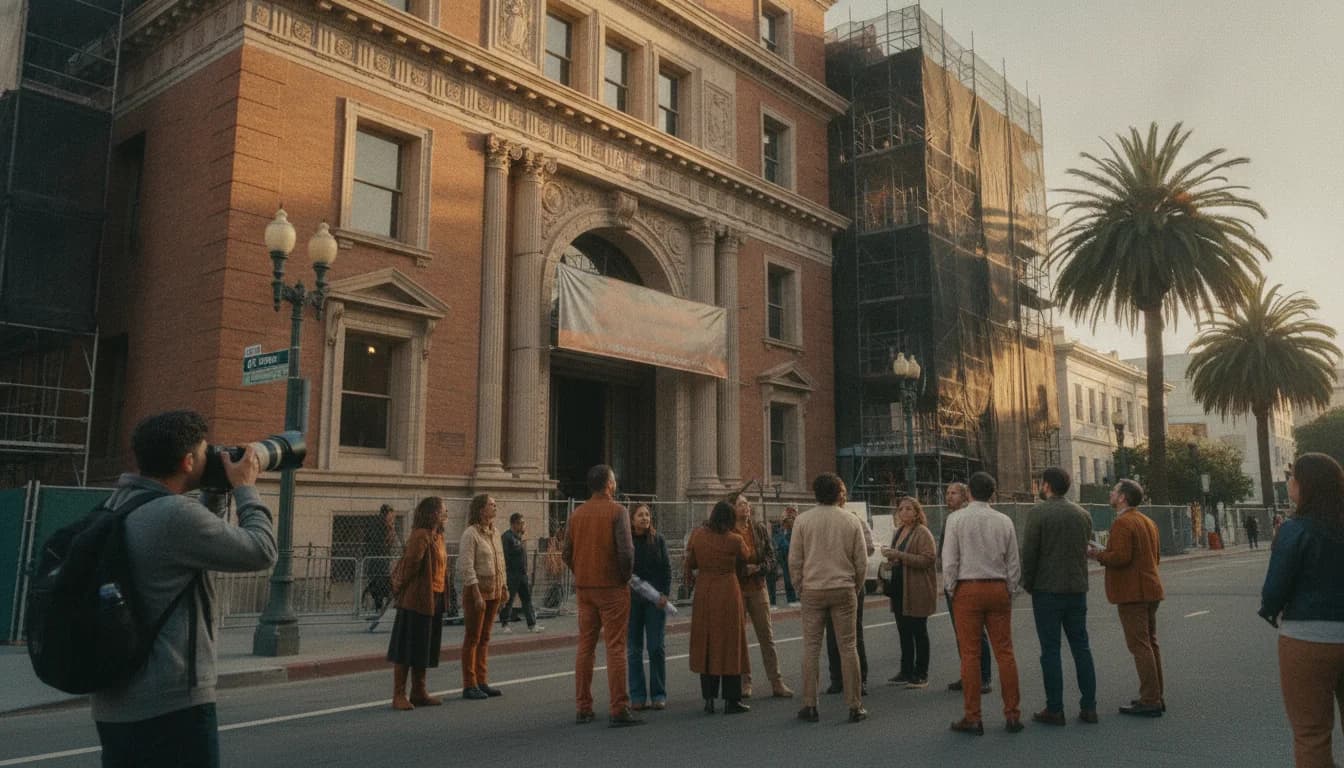
San Francisco’s Castro neighborhood stands at an inflection point in its long arc of LGBTQ+ history, with city officials moving to secure a permanent home for the GLBT Historical Society Museum in the heart of the district. The narrative surrounding Castro LGBTQ+ history museum opening 2026 has circulated in local press and cultural district channels, but the underlying facts point to a carefully staged, multi-year plan that centers on infrastructure, partnerships, and public programming rather than a single, time-bound grand opening. In November 2024, the City and County of San Francisco finalized a pivotal real estate purchase at 2280 Market Street, solidifying a permanent base for the nation’s first stand-alone LGBTQ+ history museum, the GLBT Historical Society Museum. The purchase marks a milestone not only for the Castro but for national public history, ensuring a dedicated home for LGBTQ+ history and culture in a city long identified with civil rights leadership. The question many readers are asking today is how soon that permanent home will begin to transform from a planning concept into a visible, accessible museum experience for locals and visitors alike. This article provides data-driven context, timelines, and the broader implications of the development. (glbthistory.org)
The context around this development is inseparable from San Francisco’s broader history with LGBTQ+ institutions and civic commitments. The GLBT Historical Society Museum, founded years ago as a pioneer in LGBTQ+ history, is frequently described as the nation’s first stand-alone museum dedicated to LGBTQ+ history and culture, a distinction underscored by official city and community statements when the 2280 Market Street purchase was announced. As the city documents lay out, the project’s goals extend beyond a single building; they encompass a future-ready space for archives, exhibitions, and public programs that connect local narratives to national conversations about civil rights, community resilience, and inclusive communities. The purchase establishes a formal anchor for those ambitions, with the expectation that the full museum program will unfold in phases over the coming years. (glbthistory.org)
Opening with the news, the Castro’s status as a center of LGBTQ+ activism is being reinforced through a capital-backed move that couples historic preservation with contemporary public programming. The 2280 Market Street property sits at the geographic and symbolic center of LGBTQ+ life in San Francisco’s Castro, a neighborhood historically associated with Harvey Milk’s leadership, diverse queer-owned businesses, and decades of community organizing. The city’s decision to finalize the purchase signals a long-term commitment to keeping LGBTQ+ stories at the forefront of public memory, research, and education. While some outlets and observers have referenced a Castro LGBTQ+ history museum opening in 2026, the official language from city and museum partners focuses on establishing a permanent home and delivering phased programming, with a mid-2025 target for lease-related milestones rather than a universal grand opening date in 2026. This distinction matters for readers evaluating timing, funding, and anticipated public access. (glbthistory.org)
Section 1: What Happened
Permanent Home Secured
-
The city finalized the purchase of 2280 Market Street in the Castro neighborhood on November 26, 2024, marking a formal, public decision to dedicate a permanent home to the GLBT Historical Society Museum. The purchase was valued at $11.6 million, and the property’s 22,330 square feet will initially allocate approximately 11,165 square feet to the GLBT Historical Society Museum, Archives, and related administrative spaces. This move follows a long-running campaign to create a stand-alone LGBTQ+ history institution with a stable, publicly accessible location in the Castro. The transaction involved cooperation among city leaders, the GLBT Historical Society, and stabilizing partners like CAST (Community Arts Stabilization Trust). (glbthistory.org)
-
The project sits within a broader municipal strategy to preserve and revitalize LGBTQ+ cultural assets in San Francisco. The press release documents ongoing collaboration among Mayor London Breed, Supervisor Rafael Mandelman, Senator Scott Wiener, and city agencies, underscoring a long-term plan to build a world-class museum that serves both local communities and international visitors. The press release also highlights the region’s historical significance, noting that the Castro emerged as a refuge and hub for LGBTQ+ activism in the 1960s and 1970s and later became a focal point in the HIV/AIDS response in the 1980s. These historical anchors help explain why the 2280 Market Street site matters beyond real estate. (glbthistory.org)
Timeline to Opening
-
The city’s plan outlines a phased development approach. Phase one allocates 11,165 square feet inside the new property for the GLBT Historical Society Museum’s core operations, with a long-term expansion plan to occupy additional space on the ground floor as leases expire. This staged approach aligns with typical museum-building practice, where initial exhibitions and programs operate within a limited footprint, and later phases broaden gallery capacity, education spaces, and archival access. The document suggests that a mid-2025 milestone would see the lease and sublease agreements finalized and presented to the Board of Supervisors for approval, establishing the governance and operational framework necessary to advance programming planned for 2280 Market Street. While this timeline provides concrete dates for permitting and lease processes, it does not specify a fixed grand opening date in 2026, emphasizing instead the gradual build-out of the museum’s physical and programmatic footprint. (glbthistory.org)
-
The schedule also connects to broader funding and political support. The press release notes that the city’s budget and state-level advocacy contributed to the project, with a notable allocation of $12.5 million from the 2021 city budget set aside for the purchase and an additional $5.5 million from the State of California for tenant improvements and programmatic support. This funding structure signals a multi-year financing plan designed to support not only the building but also the interactive exhibitions, archives, and public programming that define a modern, public-facing museum experience. Readers should expect a multi-year rollout rather than a single, all-at-once opening event. (glbthistory.org)
-
The project’s leadership emphasizes that the new museum is more than a building; it is a “permanent home” for LGBTQ+ history that will evolve with community needs. GLBT Historical Society Executive Director Roberto Ordeñana is quoted as describing the project as a milestone for preserving and sharing LGBTQ+ history for generations to come. This framing underscores the museum’s mission as a living, expanding institution rather than a static exhibit space. The press release also highlights the collaboration with CAST and the Real Estate Division to manage and operate the building, a governance structure designed to ensure long-term stability and programmatic continuity. (glbthistory.org)
Space Allocation and Future Expansion
-
The initial space allocation—about 11,165 square feet within a 22,330-square-foot building—marks a substantial footprint for a history-focused institution in a dense urban area. The plan contemplates expansion to the ground floor over time, contingent on lease expirations and programmatic needs, creating space for additional exhibits, educational programming, and community events. This phased approach aligns with best practices for mid-size urban museums, enabling curatorial teams to pilot exhibitions, test public programming, and scale capacity as donor and government support evolves. The published figures provide a concrete basis for understanding scope and potential exhibit capacity, while leaving room for future expansion as the institution grows its audience. (glbthistory.org)
-
The project’s financial architecture reinforces the staged approach. The press release outlines that the city’s real estate and arts leadership will oversee the property, with a public-private partnership model that includes CAST to manage and operate the leased space. This governance arrangement is intended to bridge public subsidy, private philanthropy, and community-led stewardship, a configuration that many major museum projects adopt to ensure long-term sustainability and community alignment. The documented space plan, funding allocations, and governance model provide a clear blueprint for observers assessing the project’s feasibility and potential impact on museum access and programming in the Castro. (glbthistory.org)
Section 2: Why It Matters
Cultural Significance
-
San Francisco’s LGBTQ+ history is central to the city’s identity, and the GLBT Historical Society Museum has long served as a pioneering institution in public history. The press release positions the 2280 Market Street acquisition as the culmination of years of advocacy and collaboration, culminating in a permanent home that anchors the community’s historical memory in a central urban district. The move crystallizes a public recognition of LGBTQ+ history as a foundational element of local culture and an asset for tourism, education, and civil rights education. The building will host archives, exhibitions, and public programs that traverse decades of activism—from the early homophile movements to contemporary LGBTQ+ rights initiatives—creating a narrative that can be curated for diverse audiences and ages. The GLBT Historical Society’s own framing emphasizes the museum’s status as a national pioneer, underscoring its potential as a model for public history spaces across the United States. (glbthistory.org)
-
The district context matters. The Castro is widely recognized as a historic LGBTQ+ neighborhood and cultural district, with ongoing partnerships between cultural institutions, city agencies, and community organizations. The press release specifically highlights collaboration with the Castro LGBTQ Cultural District, the CAST nonprofit, and other civic partners as part of a broader effort to sustain LGBTQ+ culture and economic vitality in a neighborhood that has been both a symbol of inclusion and a site of ongoing policy and urban development debates. The existence of community-led institutions and cultural districts around LGBTQ+ history helps ensure the new museum will be integrated into a network of programs, tours, and events that can amplify its reach. (castrolgbtq.org)
Economic and Civic Impact
-
The project’s economic footprint is measurable in the reported numbers and in the potential for long-term economic and cultural benefits. The $11.6 million purchase price and the 22,330-square-foot facility create a tangible asset in the Castro that can anchor both permanent collections and rotating exhibitions, driving foot traffic, education programs, and collaboration across arts and humanities institutions. The investment aligns with broader city priorities for cultural tourism, job creation in the arts sector, and the preservation of civil rights history as a public good. While the long-term economic impact depends on fund-raising, attendance, and programmatic partnerships, the documented plan demonstrates a serious, taxpayer-supported commitment to a high-profile cultural institution. (glbthistory.org)
-
Public memory and accountability are also at stake. The creation of a permanent home for LGBTQ+ history in a city like San Francisco provides a stable platform for curatorial work, scholarship, and community engagement. The city’s involvement—through the Mayor’s Office, the Board of Supervisors, and real estate and arts agencies—signals an institutional interest in ensuring that LGBTQ+ histories are preserved and accessible to the public. This plays into ongoing national conversations about how museums curate marginalized histories, allocate public funds, and balance commemorative work with contemporary social issues. The structure outlined in the press release—public funding, private partnership, and a stable civic home—offers a case study for other municipalities facing similar challenges. (glbthistory.org)
Community Access and Partnerships
-
Access considerations are embedded in the development plan. The project’s staged expansion, new exhibition spaces, and the involvement of organizations like CAST and the GLBT Historical Society suggest an emphasis on ongoing public access, educational programming, and community collaboration. The initial space serves as a foundation for archives and research while enabling a diversity of exhibitions and public programs that can grow alongside the collection. The partnership with CAST, in particular, indicates a strategic approach to governance that blends public oversight with nonprofit programming, a model that can facilitate grant support, sponsorship, and sustained community engagement. The plan’s emphasis on educational programming and community partnerships points toward a long horizon of programming opportunities that can serve schools, researchers, and the general public. (glbthistory.org)
-
The museum’s place in the broader ecosystem of LGBTQ+ history institutions in the Bay Area is notable. The GLBT Historical Society Museum’s long-standing status as a leading center for LGBTQ+ history, combined with a formal, permanent home in the Castro, positions the institution to collaborate with other cultural venues, including museums, galleries, archives, and universities. The Castro LGBTQ Cultural District’s involvement further reinforces a networked approach to cultural heritage, leveraging cross-institution collaborations to expand audiences and programming. The result could be a more integrated, accessible, and widely recognized narrative about LGBTQ+ rights, health, art, and community resilience in the Bay Area and beyond. (castrolgbtq.org)
Section 3: What’s Next
Next Milestones
-
Lease finalization and governance: By mid-2025, the plan calls for lease and sublease agreements to be finalized and presented to the Board of Supervisors for approval. This is a critical governance milestone, because it will clarify operational responsibilities, sublease terms, and the allocation of spaces within the building. The decisions made at this stage will influence the pace of subsequent openings, the phasing of exhibitions, and the development timeline for community access. The documentation emphasizes a phased approach, not a single launch event, so readers should expect incremental milestones tied to funding disbursements, permit approvals, and programming rollouts. (glbthistory.org)
-
Programming and exhibitions: With a portion of the building allocated to the GLBT Historical Society Museum, the organization will move from planning to curatorial development. The first phase will likely center on core archival access, foundational exhibitions about Bay Area LGBTQ+ history, and public programs that align with the museum’s mission. Given the district’s existing programming—such as the Conjuring Power exhibition at YBCA in spring/summer 2026, which features LGBTQ+ histories and archives from the GLBT Historical Society—the potential for collaborative exhibitions increases. These programs provide a template for a lively schedule of rotating displays, guest curators, and artist-led programming that can help the museum build a national profile in its early years. (castrolgbtq.org)
-
Community partnerships and external funding: The project’s funding architecture—public allocations, state support, and private philanthropy—will continue to evolve. The organization’s leadership has emphasized fundraising in parallel with the physical build-out, which means donors, foundations, and government partners will play ongoing roles in shaping the museum’s capabilities. The project’s relationship with CAST and other partners suggests a funding model that can adapt to changes in city budgets and philanthropic priorities, potentially enabling ongoing public programs, internships, and research initiatives. (glbthistory.org)
What to Watch For
-
Grand opening date vs. phased openings: Given the documented milestones and phased approach, readers should monitor official statements from the GLBT Historical Society Museum, CAST, and the City for announcements about exhibit openings, public programs, and facility access. While a precise 2026 grand opening date may be anticipated by some observers, the official sources emphasize a staged rollout, which could mean a series of “soft openings,” temporary exhibits, and scalable access before a formal, large-scale opening event. The distinction matters for readers tracking timelines, press coverage, and potential travel planning for visitors. (glbthistory.org)
-
How the Castro’s cultural district continues to evolve: The district’s ongoing collaboration with museums, galleries, and cultural organizations in the Castro will influence how the university-level and public-facing components of the new museum are integrated with other neighborhood programs. Observers should watch for cross-institution partnerships, joint programming calendars, and updates about how the new museum will be positioned within Castro’s broader strategy for cultural tourism, economic development, and community health initiatives. The district’s public communications emphasize a shared ecosystem that benefits both residents and visitors. (castrolgbtq.org)
Closing
In summary, the Castro LGBTQ+ history museum opening 2026 narrative is rooted in a concrete, multi-year municipal and nonprofit partnership that culminated in the November 2024 purchase of 2280 Market Street to house the GLBT Historical Society Museum. This move solidifies a permanent locus for LGBTQ+ history in a district that has long been a symbol of civil rights advocacy, community building, and cultural resilience. While a single, all-encompassing grand opening in 2026 is not documented in official materials, the phased plan—encompassing space allocation, governance, funding, and programming—provides a clear trajectory toward expanded access to LGBTQ+ history for Bay Area residents and visitors alike. As the year progresses, readers should monitor updates from the GLBT Historical Society Museum, CAST, and San Francisco’s City Hall for milestones that reveal when exhibitions, archives access, and education programs will be fully available to the public. The project’s progress also serves as a lens into how modern museums navigate public funding, community partnerships, and urban preservation to tell historically marginalized stories with contemporary relevance. For audiences following technology and market trends in culture, governance, and urban development, the Castro’s LGBTQ+ history museum initiative offers a compelling case study in public-private collaboration, structured phasing, and culture-led neighborhood revitalization. Readers can expect ongoing coverage from local outlets as new programs and exhibits are announced, with the project serving as a touchstone for how cities invest in inclusive public history in the 21st century. (glbthistory.org)