Castro Theatre Reopening 2026: SF Landmark Returns

The Castro Theatre reopening 2026 marks a watershed moment for San Francisco’s cultural landscape. After a two-year, $41 million renovation led by Another Planet Entertainment in partnership with the theater’s owners, the iconic venue reopened to the public on February 6, 2026. The ceremony blended community celebration with a formal ribbon-cutting, signaling the return of a building that has long stood at the intersection of cinema, live performance, and LGBTQ cultural life in the heart of the Castro district. The opening night included a 35 mm screening of The Adventures of Priscilla, Queen of the Desert, and a tribute to the theater’s storied past, while laying out a new path that blends intimate screenings with broad live-event programming. This reopening matters not just as a restoration project, but as a test case for reimagining historic spaces in ways that preserve identity while expanding audience appeal. (sfchronicle.com)
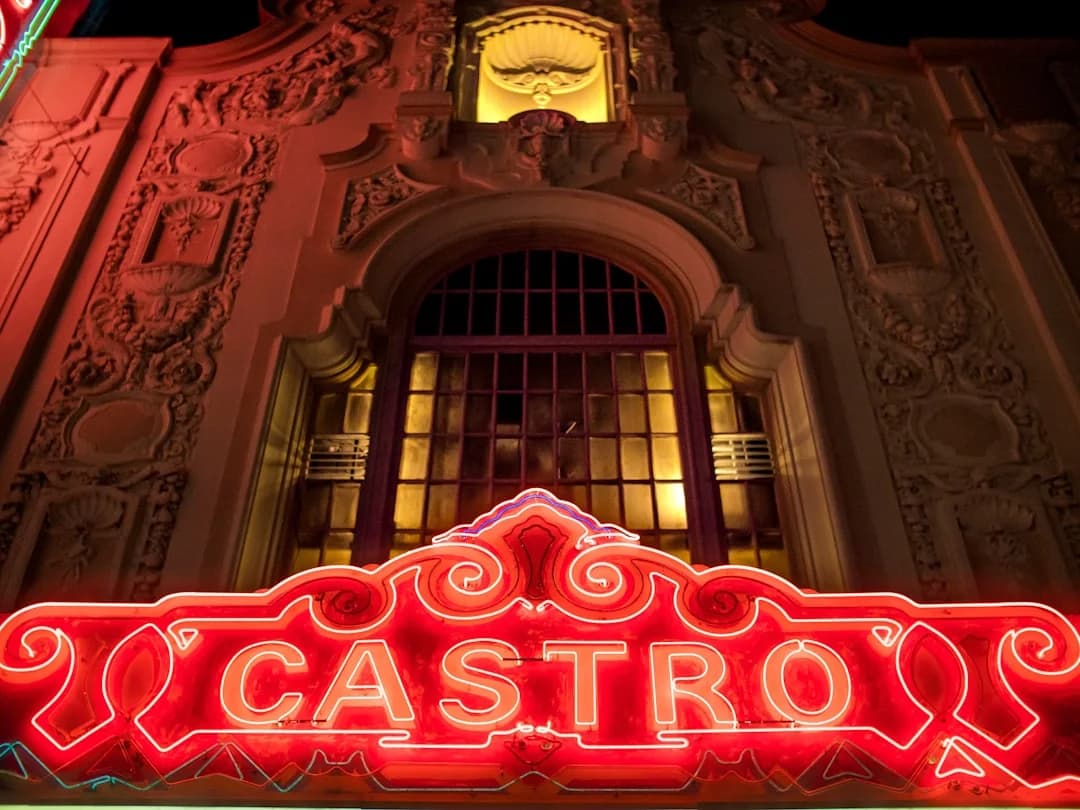
As the dust settled from the two-year renovation, observers saw a theater that retained its historic charm while embracing a modern, multi-use program strategy. The project touched nearly every corner of the venue, from the ceiling artwork and the famed neon blade sign to the house orchestra and backstage spaces. The removing of fixed orchestra seating in favor of motorized, removable seating configurations is central to the Castro Theatre reopening 2026 narrative, enabling both film screenings and live performances with minimal setup friction. The work was not without controversy or debate, with community stakeholders advocating for preservation of seating arrangements that they argued preserved the space’s unique cinema-pallet, while operators argued the flexible configuration would unlock sustainable programming and broader revenue. The city ultimately approved the plan, a decision that has shaped the theater’s post-renovation programming and audience experience. (sfchronicle.com)
This reopening also carries broader implications for San Francisco’s economy and its community identity. The Castro Theatre has long been more than a venue; it’s a regional beacon for LGBTQ+ culture and a focal point for Frameline’s film festival, local drag and nightlife, and a host of national touring acts. The post-renovation calendar features a mix of concerts, film screenings, and special events, with plans announced to host Frameline’s 50th SF International LGBTQ+ Film Festival alongside live residencies and stand-alone performances. The week of opening saw a flurry of activity around community engagement and partnerships intended to keep the venue financially viable while maintaining its cultural mission. (sfchronicle.com)
Opening night and the weeks that followed also demonstrated the theater’s new operational tempo. The Castro’s ownership and management, under Another Planet Entertainment (APE), have framed the venue as a flexible platform capable of supporting a broad mix of programming. APE’s leadership has emphasized collaboration with longtime nonprofit and festival partners, as well as new event promoters, to create a steady slate of programming that can sustain the venue’s return to full operation. The first stretch of 2026 included a Sam Smith residency that was billed as a central anchor for the reopening period, along with other high-profile performances, a lineup that signals the theater’s shift toward a more diverse revenue model while preserving its film programming roots. The company has underscored that the renovation was designed to preserve the Castro’s architectural integrity while enabling modern, accessible, and energized experiences for a wider audience. (sfchronicle.com)
Section 1: What Happened
Timeline of Milestones
- 1922: The Castro Theatre first opened as a grand cinema palace designed by Timothy Pflueger, a landmark that would help define San Francisco’s moviegoing experience for generations. The original architectural significance remains a foundational element of the building’s identity, even as renovations reframe its use. (sfchronicle.com)
- 2022: Another Planet Entertainment (APE) entered into an exclusive partnership with the theatre’s owners, Bay Properties, to undertake a substantial rehabilitation of the building. This pivot set in motion the changes that would culminate in the 2026 reopening. (sfchronicle.com)
- February 4, 2024: The Castro Theatre closed to commence a long-planned renovation, with a stated goal of modernizing facilities while preserving core historic elements. This closure marked the end of the venue’s pre-renovation era and began a controlled rebuild. (sfchronicle.com)
- 2025: The renovation progressed toward completion, with the project described as a $41 million rehabilitation that touched ceilings, organ upgrades, seating strategies, and backstage infrastructure. Some key improvements included restoring the decorative ceiling, installing a new digital organ, and configuring the seating for flexible use. The renovation order and scope were reported in detail by local outlets as part of the lead-up to reopening. (sfchronicle.com)
- February 6, 2026: Public reopening events kicked off the Castro Theatre’s new era, beginning with a community ceremony, followed by a 35 mm screening of Priscilla and a program designed to honor the building’s history and its role in the neighborhood. The ceremony drew city leaders and notable community figures to celebrate the venue’s return. (sfchronicle.com)
- February 7, 2026: Media coverage and reviews documented the reopening, highlighting the theater’s restored interiors, the new seating arrangement, and the organ’s return to performance. The coverage also highlighted the venue’s updated mechanicals, acoustics, and accessibility improvements. (sfchronicle.com)
- June 17–27, 2026: Frameline’s 50th San Francisco International LGBTQ+ Film Festival is slated to return to the Castro, marking a major milestone for the venue’s film heritage as part of its post-renovation programming slate. The festival’s return was confirmed in early coverage and reiterated in subsequent reporting. (sfchronicle.com)
Key Facts and Features
- Cost and scope: The renovation totaled approximately $41 million, a figure widely reported by major outlets and confirmed by the theater’s owners and partners. The substantial investment aimed to refresh the interior while preserving the venue’s character, restoring ceiling artwork, the original show curtains, and the marquee. (sfchronicle.com)

- Ownership and management: The Castro’s management was taken over by Another Planet Entertainment in 2022, as part of a broader strategy to diversify programming beyond traditional cinema into live music, comedy, and other events. The partnership underpins the reopening strategy and programming approach for 2026 and beyond. (sfchronicle.com)
- Seating and configuration: A central element of the renovation was the reconfiguration of seating—from a fixed, single-screen cinema layout to a modular system with motorized, removable seats. The new setup supports standing-room and seated configurations, enabling hybrid programming that blends film screenings with live performances. The implications for audience capacity are notable: the removals reduce cinema seating to around 1,150 seats, with concerts still accommodating up to 1,400. This change has attracted both praise for flexibility and critique from purists concerned about preserving the space’s movie-palace feel. (sfchronicle.com)
- Accompanying upgrades: The project included a new HVAC system, expanded restrooms, ADA accessibility improvements, and mechanical upgrades across back-of-house spaces. A second-floor lounge area and movable ground-floor bars were added to expand the venue’s event capabilities, consistent with the goal of making the Castro a versatile cultural hub. (sfchronicle.com)
- The organ and acoustics: The installation of a new digital organ—one of the largest and most versatile such instruments—was a centerpiece of the renovation. Organist David Hegarty was involved in the design and integration process, culminating in a formal reveal and performance in 2026. The organ and upgraded acoustics are part of the broader strategy to expand programming possibilities while preserving the venue’s historic acoustical signature. (sfchronicle.com)
- Opening programs and first acts: The reopening program included live music and a film lineup, with the first public event featuring a community fundraiser and a screening of Priscilla. The lineup and events highlighted the Castro’s dual identity as a cinema house and a live performance venue. The public celebrations on February 6–7, 2026 built on a long lead-in of planning and community engagement. (sfchronicle.com)
Section 2: Why It Matters
Cultural Significance and Community Identity
The Castro Theatre is frequently described in coverage as a cultural cathedral for San Francisco’s LGBTQ+ community and a symbol of the city’s inclusive spirit. Axios described the Castro as “SF’s queer cathedral,” noting the reopening amid celebrations and the theater’s broader role as a cultural anchor. The restoration and reopening are being framed not merely as an upgrade of a building, but as a durable commitment to preserving a space where queer culture and community history can flourish in a modern, multi-use setting. The renovation preserves historical aesthetics while embedding contemporary capabilities that broaden the venue’s appeal to new audiences. (axios.com)
The Chronicle’s reporting on the January 2026 community opening emphasizes the theater’s role in the neighborhood’s identity and its continued relevance to the broader San Francisco arts ecosystem. The event was framed as a return home for a venue that has hosted Frameline, drag performances, and film premieres for decades, underscoring the Castro’s status as a cultural beacon beyond its immediate neighborhood. (sfchronicle.com)
Economic and Local Impact
The Castro’s reopening is also a signal of economic activity returning to the Castro neighborhood and a potential catalyst for surrounding businesses that had experienced disruption during the renovation period. The 2025 reporting around bookings for March 2026 onward suggested that the venue would anchor a broader slate of events—concerts, residencies, festivals—that could drive local hospitality, retail, and nightlife revenues. The theatre’s management has stressed the venue’s viability through a diversified slate, combining film and live events to create a sustainable financial model that could serve as a template for other historic venues facing modernization pressures. (sfchronicle.com)

Photo by eli armas on Unsplash
Frameline’s return to the Castro for its 50th edition in June 2026 is especially notable. Frameline represents a core piece of the theater’s programming identity, and its presence reinforces the venue’s dual role as both a film festival venue and a broader cultural stage. The public celebration and the festival’s schedule reaffirm the theater’s mission to host film, live performance, and community events in a way that honors its history while expanding its audience base. (sfchronicle.com)
Programming Strategy and Community Engagement
The opening slate and subsequent programming announcements reflect a deliberate strategy to balance preservation with innovation. Under APE’s leadership, the Castro is pursuing a mixed-use approach that includes residencies, concerts, and special events alongside traditional screen-based programming. The goal is to create a year-round calendar that can attract both longtime Castro enthusiasts and new visitors drawn by contemporary music and performance experiences. This approach is consistent with the broader trend in historic venues reimagining themselves as flexible cultural campuses, where the line between cinema and live performance becomes increasingly fluid. (sfchronicle.com)
What this means for readers is clear: Castro Theatre reopening 2026 represents not just a restoration, but a case study in turning a single-screen historic landmark into a flexible, revenue-positive cultural platform. The theater’s leadership argues that the changes preserve the venue’s arc and spirit while expanding its operational model to accommodate growing demand for live events and multi-genre programming. Critics and community watchdogs have urged ongoing transparency and careful stewardship; supporters argue that the venue’s viability depends on embracing flexibility and partnering with a broad ecosystem of producers and audiences. The actual outcome will unfold through 2026 as the venue finalizes its programming mix and measures audience reception. (sfchronicle.com)
Section 3: What’s Next
2026 Programming Outlook
The Castro Theatre’s 2026 slate began with a high-impact anchor in Sam Smith’s residency, a strategic move designed to showcase the venue’s capabilities as both a concert hall and a film-friendly space. The residency is billed as a landmark event in the Castro’s post-renovation era, reflecting a broader pattern of famous acts using mid-sized venues to create intimate yet globally recognizable experiences. The residency was slated to begin in February 2026, with dates announced well in advance and tickets going on sale in October 2025. This positioning — as a home for major acts while maintaining a robust film and festival calendar — is central to the Castro’s post-renovation business model, and it has influenced how promoters think about programming, scheduling, and audience development for the venue. (sfstation.com)

Photo by Anderson Djumin on Unsplash
Beyond Sam Smith, the theater’s calendar features a mix of contemporary artists and legacy acts, including Lucy Dacus, The Breeders, and other high-profile performances that align with Another Planet Entertainment’s portfolio of Bay Area venues. In addition to concerts, Frameline’s 50th festival in June 2026 is expected to anchor the venue’s film programming, reaffirming the Castro’s dual identity as a cinema stronghold and a live-music hub. The combination of these programming strands is intended to drive cross-pollination among film fans, music lovers, and the Castro’s traditional LGBTQ+ and community audiences. The public-facing calendars and press materials confirm these curated lineups and the theater’s emphasis on a wide-reaching, inclusive program. (sfchronicle.com)
Future Plans, Partnerships, and What to Watch
As the Castro settles into its post-renovation life, several questions will shape its trajectory through 2026 and into the next several years. How will the venue balance the flexibility of its seating system with the intimate atmosphere that many patrons associate with classic cinema venues? Will the digital organ and updated acoustics redefine the theater’s identity for both film screenings and live performances? How will the venue manage accessibility and safety requirements as audiences grow and diversify? These questions will likely be addressed through ongoing programming decisions, audience feedback, and continued collaboration with community groups, film festivals, and promoters. (sfchronicle.com)
The Castro’s official site reinforces the ongoing nature of the reopening process, emphasizing that the venue is “RETURNING 2026” and positioning the Castro as a long-term partner in the region’s arts ecosystem. For readers seeking the latest details on events, ticketing, and special programs, the official Castro site remains the primary source of information, complemented by local outlets tracking openings, scheduling, and community events. (thecastro.com)
Closing
The Castro Theatre reopening 2026 signals more than a successful renovation; it marks a concerted effort to preserve a cultural landmark while retooling it for a diverse, modern audience. The combination of a restored historic interior, state-of-the-art stage and sound systems, ADA accessibility improvements, and a mixed-use programming strategy positions the Castro as a model for how historic venues can adapt to changing demand without sacrificing their essential character. As Frameline’s festival returns and Sam Smith’s residency unfolds, San Francisco will be watching closely to see how the Castro’s new era performs in practice — both creatively and economically. For readers in the SF Bay Area, the Castro’s revival offers a chance to experience a reopened landmark in a city that continues to value innovation, inclusion, and cultural resilience.
To stay updated on Castro Theatre reopening 2026 developments, follow official announcements from The Castro and Another Planet Entertainment, and monitor coverage from SF Chronicle, SF Gate, SF Station, and Axios. The venue’s calendar, press releases, and community partnerships will continue to shape its trajectory throughout 2026 and beyond. (thecastro.com)