Chinatown Empress of China Building Revival 2026

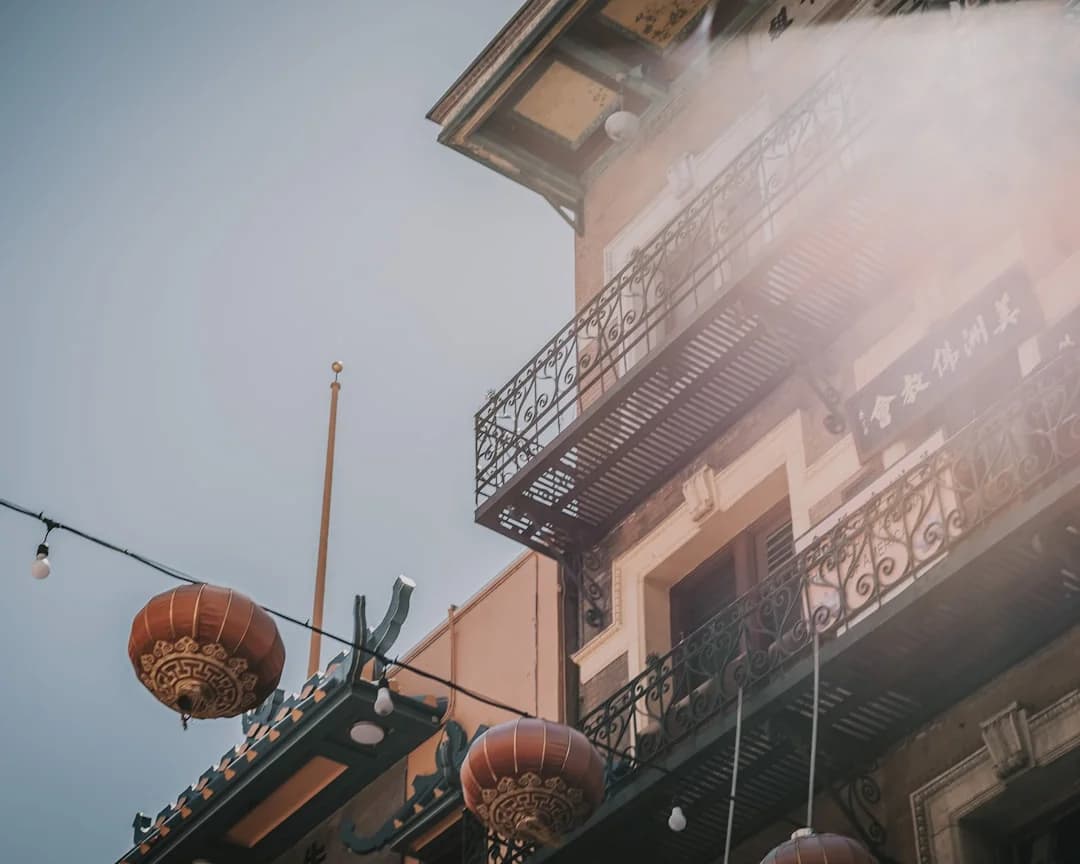
Photo by Frames For Your Heart on Unsplash
The Chinatown Empress of China building revival 2026 is unfolding as a landmark shift for San Francisco’s Chinatown and the broader downtown recovery. In early April 2026, a coalition of local nonprofit groups operating under the banner of the Chinatown Media and Arts Collaborative (CMAC) disclosed a purchase that many neighborhood stakeholders have been pursuing for more than a decade. The Empress of China Building, a six-story tower at 838 Grant Ave. long associated with the Empress of China restaurant and its banquet hall, is at the center of a plan to transform it into a dynamic cultural campus. This development arrives at a moment when downtown San Francisco is seeking resilient, inclusive engines of growth, anchored not in nightlife or speculative office space but in culture, history, and community programming. The move has drawn attention from city leaders and cultural partners alike, who view the project as a potential catalyst for long-term economic and social vitality across Chinatown and the surrounding neighborhoods. CMAC’s purchase, announced on April 1, 2026, and subsequently confirmed by multiple outlets, signals a broader shift toward community ownership of neighborhood assets and a model for how cultural infrastructure can drive downtown recovery. (cmacsanfrancisco.org)
The immediate transformation plan centers on converting the Empress of China Building into a public cultural campus that pairs a museum and exhibition spaces with artist studios, nonprofit offices, and programming that centers Chinese American art, history, and experience. The project is designed to connect with CMAC’s existing portfolio around Portsmouth Square and Edge on the Square, a site-specific hub that already links a cluster of Grant Avenue properties. Two restaurants housed within the building—Empress by Boon on the top floor and City View on the ground floor—are expected to continue operating as the development proceeds, preserving the building’s economic and social role during the transition. Leaders emphasize that the project is not just about preserving a historic facade; it is about building a living ecosystem where visitors and residents can engage with Chinatown’s past, present, and future in a hands-on way. The plan aligns with a broader downtown strategy to reimagine Grant Avenue as an experiential corridor that blends cultural institutions, galleries, local businesses, and community programming. (sfchronicle.com)
The purchase and the envisioned cultural campus have generated a spectrum of responses from neighborhood groups, cultural advocates, and city officials. While some observers welcome the potential for a stable, locally controlled cultural anchor in Chinatown, others are watching closely to see how CMAC will finance, program, and operate the space over time. The reported price point has varied across outlets, reflecting evolving public disclosures and financing arrangements. The San Francisco Chronicle reported that the purchase was finalized with the buyer’s team leveraging private donations and seller financing, though it did not disclose the sale price. In contrast, The San Francisco Standard reported a price tag of about $32 million, citing public documents and industry sources. Hoodline likewise highlighted the agreement to purchase the six-story property at 838 Grant Ave. as part of CMAC’s broader strategy, though some outlets noted that the exact sale price had not been publicly disclosed at the time of reporting. This divergence underscores the complexity of community-led acquisitions in high-demand urban districts and the importance of transparent, ongoing financial reporting as the project progresses. (sfchronicle.com)
Section 1: What Happened
Timeline of events
-
April 1, 2026 — Announcement of purchase: The Chinatown Media and Arts Collaborative (CMAC), a nonprofit alliance formed by six API-focused cultural and community organizations, announces the purchase of the Empress of China Building at 838 Grant Ave. This marks CMAC’s second major acquisition in Chinatown within five years and signals a strategic expansion of its Edge on the Square ecosystem. The CMAC announcement highlights the aim to develop a public cultural destination that would illuminate Chinese American experiences nationwide. (cmacsanfrancisco.org)
-
April 2, 2026 — Media confirmation and first in-depth coverage: The San Francisco Chronicle runs an exclusive report detailing the purchase by a coalition of nonprofits, the building’s signature status, and CMAC’s plans to establish a museum and cultural campus. The article notes that the six-story building is central to Chinatown’s heritage and that CMAC’s leadership sees this project as a way to anchor downtown’s cultural and economic revival. The same day, Hoodline publishes a parallel account summarizing the deal, the building’s long history, and CMAC’s intention to weave 838 Grant Ave into a broader cultural network around Grant Avenue. (sfchronicle.com)
-
April 2, 2026 — Financing and ownership details emerge: Reporting across outlets indicates that the sale included seller financing and private donations, allowing CMAC to move forward without a traditional bank loan. While some stories quote a price of roughly $32 million, others reference undisclosed terms, reflecting ongoing negotiations and the fluidity of early-stage deal disclosures. The SF Chronicle’s coverage emphasizes that the purchase is a milestone for Chinatown’s cultural infrastructure and community governance. (sfchronicle.com)
-
April 3, 2026 — City leadership and community voices weigh in: San Francisco Mayor Daniel Lurie and other local officials publicly frame the sale within the city’s broader downtown recovery strategy, highlighting Chinatown’s central role in reviving nearby commercial corridors and drawing visitors back to downtown. NBC Bay Area quotes the mayor and CMAC leaders on the project’s potential to serve as a cultural hub and a catalyst for inclusive economic activity. ABC7 similarly reports on the plan’s community focus and the need to fundraise to realize the vision. (nbcbayarea.com)
-
Ongoing — Project scope details and near-term programming: CMAC’s own materials and partner organizations outline the intended components of the campus, including a museum that would tell the Chinese American story nationwide, exhibition spaces, artist studios, and administrative offices. The plan also envisions integrating with nearby cultural and educational institutions, creating a network that could support joint programming, shared exhibitions, and cross-institutional collaborations. The Empress by Boon and City View restaurants are expected to continue operating, providing a continuity of hospitality and revenue during the transition. (cmacsanfrancisco.org)
Timeline notes: The reported dates above reflect contemporaneous reporting by CMAC, the San Francisco Chronicle, The San Francisco Standard, Hoodline, NBC Bay Area, and ABC7. Public disclosures emphasize that the project’s ultimate schedule will depend on fundraising success, regulatory reviews, and the pace of capital campaigns to retrofit a 60-year-old structure for modern cultural use. The Standard’s reporting specifically cautions that CMAC will need to raise tens of millions of dollars to retrofit the Empress building and launch programming, underscoring the long arc from acquisition to activation. (sfstandard.com)
Key players and partners
-
Chinatown Media and Arts Collaborative (CMAC) — The coalition of six nonprofit organizations serving San Francisco’s API communities leads the project and will operate Edge on the Square as a central hub. CMAC’s formation and its mission underline a strategy of shared resources and neighborhood-led cultural development. The organization’s own materials identify its partners and leadership, including long-standing community figures who have worked across education, culture, and advocacy. (cmacsanfrancisco.org)
-
Chinatown Community Development Center (CCDC) — Engaged as a core partner in the broader redevelopment strategy, CCDC frames the project within housing, community development, and neighborhood resilience. The organization’s leadership appeared in public remarks about the Empress site as a platform for cultural and economic renewal in Chinatown. Quotes from CMAC and allied organizations emphasize the link between cultural assets and downtown recovery. (sfchronicle.com)
-
Chinese for Affirmative Action (CAA) and Chinese Cultural Center of San Francisco (CCC SF) — Founding members of CMAC and ongoing partners in the effort to curate programming, fundraising, and community engagement. CMAC-affiliated leaders often reference the broader network of partner institutions as critical to sustaining long-term programming and ensuring that the campus serves a wide audience. The Chronicle coverage notes CMAC’s collaboration with CCC SF and other organizations as part of a broader cultural ecosystem. (sfchronicle.com)
-
Empress by Boon and City View restaurants — Existing occupancies in the Empress building that have served the neighborhood for years provide continuity of economic activity during the transition. News reports indicate these operations would remain open, preserving a link to the building’s historic dining legacy while the cultural programing is developed. Restaurant operators and CMAC spokespeople have framed this continuity as essential to the project’s early viability. (abc7news.com)
-
Local government and philanthropic supporters — Public statements from Mayor Lurie and endorsements from local officials underscore a coordinated approach to downtown recovery that weaves cultural assets with economic development. The purchase and planned programming align with city strategies to diversify downtown recovery beyond single-use entertainment districts and toward multi-use cultural campuses that anchor neighborhoods. (abc7news.com)
Property details and current use
-
The Empress of China Building at 838 Grant Ave. is a six-story landmark with a historic banquet hall and a prominent presence on the Grant Avenue corridor. The building’s architectural prominence has made it a focal point in Chinatown’s urban landscape for decades. Public reporting confirms its status as a neighborhood icon and a potential centerpiece for the district’s cultural future. (sfchronicle.com)
-
Historical use and recent tenants — The building’s top-floor banquet hall has a storied past, including a revival in 2021 as Empress by Boon, which preserved many Empress-era architectural features. A ground-floor dim sum and a variety of offices have occupied other spaces in the tower in recent years, illustrating how the building has long functioned as a mixed-use anchor in Chinatown. The transition to a cultural campus will reframe these spaces around museum functions, exhibitions, maker studios, and community programming, while maintaining hospitality operations where appropriate. (hoodline.com)
-
Integration with Edge on the Square and surrounding sites — CMAC plans to fold 838 Grant Ave into its broader Edge on the Square concept, creating a network of cultural spaces along Grant Avenue and adjacent streets. This approach mirrors CMAC’s earlier purchases of nearby properties and is designed to enable a seamless visitor experience across a cluster of venues tied to Chinatown’s history and contemporary life. The plan envisions gallery spaces, artist studios, and nonprofit offices integrated with retail, dining, and education components to create a year-round cultural engine. (hoodline.com)
Financing and deal structure: The reported financing mix has included private donations and seller financing, enabling the acquisition to proceed without a conventional loan in the interim. Some outlets have cited the price as around $32 million, while others emphasize the lack of disclosed price terms at the time of reporting, highlighting the ongoing nature of financial arrangements for a project of this scale. This financing approach, while common in high-cost urban cultural projects, places emphasis on sustained fundraising campaigns and donor engagement to realize a multi-year program schedule. (sfstandard.com)
Section 2: Why It Matters
Cultural significance and community narrative

Chinatown’s Empress building has long been more than a real estate asset; it is a symbol of an immigrant neighborhood’s resilience, adaptability, and cultural storytelling. By converting the Empress of China Building into a cultural campus, CMAC seeks to turn a historic landmark into a living space where art, history, and community voice converge. This approach aligns with a broader movement to reimagine aging urban towers as centers of cultural learning, not just as commercial or hospitality venues. The move is framed as a way to reclaim narrative authority and provide a platform for diverse Chinese American voices, past and present. Community leaders emphasize that the campus could host exhibitions, archives, and educational programming that offer both locals and visitors a structured opportunity to understand Chinatown’s contributions to San Francisco, California, and the broader American story. > “We need a lot of planning to make sure this vision will be realized and sustained,” said Mabel Teng, CMAC’s board member and a veteran in Chinatown’s civic life. Her comment underscores the project’s long-term orientation and the need for disciplined program development, fundraising, and governance to ensure the campus remains relevant across generations. (sfchronicle.com)
-
The move resonates with the city’s broader downtown recovery narrative. As Chinatown’s fortunes are often seen as a bellwether for San Francisco’s broader economic health, a successful cultural campus could signal confidence in the neighborhood’s ability to attract visitors, support local businesses, and sustain public interest in the district’s history. City leaders have framed the Empress project as a signal that downtown recovery can be inclusive, anchored by cultural institutions that draw on long-standing community networks as well as new audiences. Mayor Lurie’s remarks tie the neighborhood’s vitality to the city’s overall recovery, suggesting that Chinatown’s revival is a proxy for downtown’s health. (abc7news.com)
-
The cultural campus promise extends beyond exhibitions to workforce development, youth programming, and cross-institution collaboration. CMAC’s Edge on the Square initiative, already operating near the Empress site, envisions a multi-site ecosystem where galleries, studios, museums, and community programming reinforce one another. This integrated approach could magnify the impact of each component, enabling shared staffing, joint fundraising campaigns, and multi-venue exhibition calendars that attract visitors across seasons. The collaborative model—drawing on CMAC’s network of partner organizations—signals a shift from isolated cultural venues to a networked civic infrastructure. (cmacsanfrancisco.org)
-
The inclusion of Empress by Boon and City View restaurants within the broader campus plan adds a continuity factor that could help stabilize traffic and pedestrian flow in the Grant Avenue corridor. The presence of operating restaurants provides an immediate revenue stream and a familiar anchor for visitors while museum programming scales up. This balancing of hospitality and culture mirrors successful models in other cities where culinary and cultural assets reinforce one another, creating a more resilient neighborhood economy. (abc7news.com)
Economic impact and downtown recovery
-
The Empress project is being positioned not only as a cultural destination but as an engine for pedestrian vitality, retail foot traffic, and neighborhood branding. By weaving together multiple institutions along Grant Avenue and integrating with Portsmouth Square, CMAC aims to create a continuous visitor experience that encourages longer dwell times and repeat visits. In a city where downtown vibrancy has been uneven in the wake of the pandemic and tech-sector shifts, such a strategy could help re-balance land use toward public cultural benefits rather than single-use development alone. Public statements link these cultural assets to broader downtown revival objectives, with officials noting Chinatown’s centrality to the city’s economic health. (nbcbayarea.com)
-
The fundraising and capital campaign reality is still evolving, and observers will be watching for transparency and timeline clarity as CMAC marshals resources. Several outlets have described the project’s financing as a multi-source effort that will require ongoing donor engagement, grant support, and philanthropic partnerships. While immediate construction timelines are not yet public, the degree of public interest and the scale of private fundraising required for retrofit and programming will influence how quickly the campus can move from concept to activation. As this unfolds, the community will be evaluating how well the campus maintains accessibility, inclusivity, and engagement with Chinatown residents and visitors. (sfstandard.com)
-
The Empress building revival also carries implications for heritage preservation and adaptive reuse. The reputation of the Empress building as a cultural and architectural landmark provides a powerful incentive to steward its preservation while updating its interior for modern programming. The consensus among policy and cultural leaders is that the project must balance authenticity with adaptability, ensuring that architectural features that define the landmark’s character are preserved during retrofit while enabling flexible spaces for exhibits, performances, and education. This balancing act—the preservation of historic fabric alongside contemporary use—will require careful coordination among preservation authorities, the CMAC network, and funding sources. (sfchronicle.com)
Section 3: What’s Next
Timeline, milestones, and near-term steps
-
Short-term fundraising and feasibility studies — The immediate next steps for CMAC are to formalize fundraising campaigns, complete feasibility studies for exhibit programming, and secure endorsements and partnerships that can unlock grant funding. Public reporting indicates CMAC plans to pursue tens of millions of dollars in capital to retrofit the building and launch initial programming, with the timetable dependent on donor engagement and regulatory reviews. While a fixed opening date has not been announced, organizers are communicating a multi-year path from acquisition to activation that prioritizes community input and stakeholder collaboration. (sfstandard.com)
-
Program development and partner coordination — In parallel with fundraising, CMAC and its partner organizations will begin coordinating programmatic strategies across the Empress campus and Edge on the Square properties. Jay Xu, the former executive of San Francisco’s Asian Art Museum who CMAC has engaged to assist with fundraising and programming, is part of the leadership team being referenced in reporting on the project. This cross-institutional collaboration is intended to ensure programming is coherent across spaces and aligned with community needs. The SF Chronicle notes Xu’s involvement as part of CMAC’s larger plan to shape the campus’ programming and fundraising. (sfchronicle.com)
-
Regulatory and design steps — Retrofit work on a landmark building requires collaboration with city planning and historic preservation authorities. While the initial news cycle focused on the acquisition, observers expect that design reviews, environmental assessments, and permit applications will follow as CMAC advances its architectural concepts and museum planning. The Standard’s reporting underscores that the project hinges on securing substantial funding while managing the complexities of historic restoration and modern programmatic needs. (sfstandard.com)
-
Community and education programming — A central aspect of the near-term plan is to port exhibits, archives, and educational programming into a public cultural environment. The Empress campus is described in public materials as a space for art and history centered on Chinese American experiences, with an emphasis on national reach and local impact. Community stakeholders emphasize that programming should be inclusive, accessible, and reflective of Chinatown’s diverse populations, including youth, seniors, immigrant families, and local artists who have long contributed to the district’s vitality. (sfchronicle.com)
What to watch for: indicators of progress
-
Funding milestones and donor engagement — The pace of fundraising campaigns will be a key indicator of progress. Reports indicate that CMAC will rely on a combination of private donations, philanthropic grants, and potential state or city support to achieve retrofit and programming goals. Public disclosures will be critical to assessing the speed at which the campus can take shape and begin public programming. (sfstandard.com)
-
Construction and activation milestones — While no fixed schedule has been publicly announced, the industry expects timeline updates as CMAC completes fundraising milestones, finalizes design, and secures permits. The Empress campus has an inherent advantage due to its location and the existing architectural significance of the building; however, the retrofit must address structural, accessibility, and life-safety requirements before public programming can begin. Observers will be paying attention to announcements about groundbreaking, phased openings, and the sequencing of exhibit halls, galleries, and studios. (sfstandard.com)
-
Community input and governance — The long-term health of the project will depend on ongoing community input and governance processes that ensure CMAC remains accountable to Chinatown residents and partner organizations. The Empress building revival is framed as a community-led initiative, but the real test will be sustained engagement, transparent reporting, and responsive programming that reflects neighborhood needs and aspirations. The involvement of organizations like CCDC and CAA in the governance and program design will likely be an important signal of the campus’ staying power. (sfchronicle.com)
What to watch for in the broader market and technology context
-
Cultural campus models and urban tech-adjacent funding — The Empress project sits at the intersection of heritage preservation, cultural programming, and urban development finance. As cities across the United States explore models to convert historic landmarks into multi-use cultural campuses, CMAC’s formation and approach may become a reference point for similar efforts in other neighborhoods. Observers will be watching not only for fundraising milestones but also for how such campuses leverage digital archives, VR/AR experiences, and technology-enabled visitor experiences to expand reach and accessibility. While the Empress campus narrative remains grounded in local history, it also resonates with broader market trends toward mission-driven real estate that prioritizes cultural and educational outcomes alongside economic return. (cmacsanfrancisco.org)
-
The role of partnerships in sustaining cultural ecosystems — CMAC’s model—blending multiple nonprofit leadership voices with public interest and philanthropic support—illustrates a path forward for building resilient cultural ecosystems in urban cores. The collaboration among CMAC’s member organizations, CCDC, CAA, CCC SF, and others, is a deliberate strategy to distribute risk, diversify programmatic impact, and ensure a broad base of community support. As cities seek to reestablish vibrant cultural districts after pandemic-era disruptions, the Empress revival could provide a practical blueprint for how to align preservation, philanthropy, and public engagement in a unified mission. (cmacsanfrancisco.org)
Closing
The Chinatown Empress of China building revival 2026 represents a convergence of heritage preservation, community governance, and urban cultural strategy. While the full program and timetable remain in flux, the signals from CMAC and its partners point toward a multi-year, community-driven transformation that could redefine how Chinatown’s past informs its economic and cultural future. As CMAC moves from acquisition to activation, readers and stakeholders will want ongoing, transparent updates as fundraising milestones, design decisions, and programming plans crystallize. For residents, visitors, and researchers alike, the Empress campus offers a concrete case study in how a historic landmark can be repurposed to tell a broader national story while anchoring a neighborhood’s ongoing vitality.

As the project unfolds, the latest implications for San Francisco’s Chinatown will be watched by policymakers, cultural workers, and urbanists across the region. The Empress of China Building’s revival could serve as a blueprint for combining adaptive reuse with cultural programming to create sustainable, inclusive, and economically resilient urban places. For those seeking to stay informed, CMAC’s official channels, along with coverage from local outlets like the San Francisco Chronicle, NBC Bay Area, ABC7, and Hoodline, will be essential sources for timely updates on the Chinatown Empress of China building revival 2026 and its progression toward a new cultural campus. (cmacsanfrancisco.org)