City Sues Food Giants Over Ultra-Processed Products

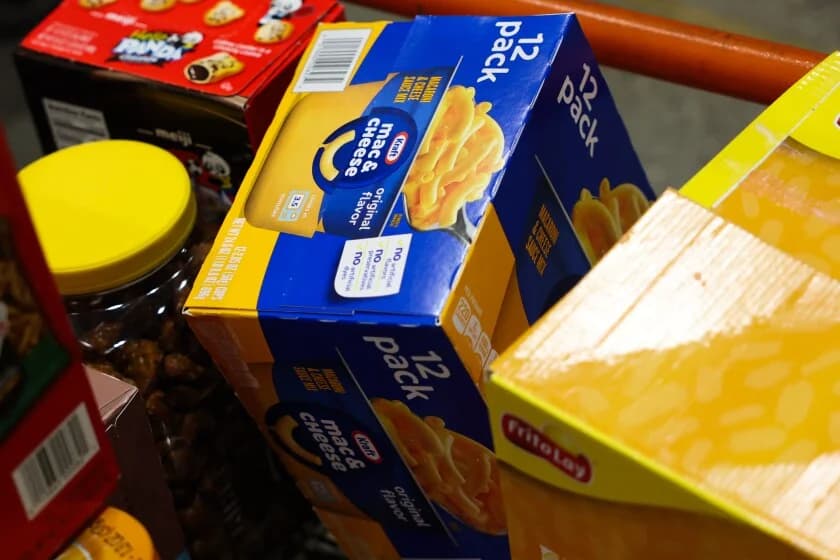
In a bold move that has drawn national attention, the city sues food giants over ultra-processed products, signaling a new era of municipal public health governance and consumer protection in the Bay Area. The filing, announced by San Francisco City Attorney David Chiu on December 2, 2025, marks one of the most consequential tests of how cities can hold major food manufacturers accountable for the health consequences associated with ultraprocessed foods. As independent journalism covering San Francisco, the Bay Area, and Northern California, the SF Bay Area Times provides this in-depth examination of what the case means for residents, local policymakers, small businesses, and the broader food landscape. (reuters.com)
The Legal Milestone: California Law and a Public Health Debate
The lawsuit represents a calculated use of California’s public nuisance and unfair competition statutes to challenge large food manufacturers. In San Francisco’s filing, the city contends that major brands knowingly designed, marketed, and sold ultra-processed foods in ways that contribute to chronic health conditions, disproportionately affecting low-income and communities of color. The city seeks remedies that could include civil penalties, corrective advertising, and reforms in how products are marketed to vulnerable populations. This approach echoes a broader trend in which municipalities explore legal avenues to address public health costs associated with diet-related diseases. (reuters.com)
The broader legal narrative includes a growing belief among public health advocates that consumer protection and regulatory actions can complement traditional nutrition policy. As one market observer noted, the San Francisco action aims to “establish a legal framework that other cities can use” to safeguard communities against aggressive marketing and product formulations. Critics, meanwhile, caution that the science surrounding ultra-processed foods remains debated and that defining what constitutes an ultra-processed product can be contentious. Still, the city’s legal strategy signals a willingness to link health outcomes to corporate practices in a concrete, legally actionable way. (cbsnews.com)
In the weeks leading up to the filing, national outlets published a flurry of analysis about whether UPFs (ultra-processed foods) can be federally regulated in meaningful ways and how local governments could structure lawsuits to withstand industry pushback. The Wall Street Journal, Washington Post, and other outlets highlighted the complexity of drawing bright lines between consumer choice, personal responsibility, and corporate accountability. The SF Bay Area Times will continue to track how California lawmakers and local officials respond to this frontier case, including potential legislative responses if the court signals openness to similar actions. (washingtonpost.com)
"The industry has spent decades shaping narratives about choice and convenience while pricing public health costs into the background." — a public health analyst quoted in coverage of the case. (theguardian.com)
What Are Ultra-Processed Foods and Why This Case Matters?
To understand the stakes, it helps to define what is meant by ultra-processed foods and why these products have become a focal point for public health debates. Ultra-processed foods are industrial formulations typically composed of multiple engineered ingredients, additives, flavors, and preservatives designed to mimic foods while delivering highly palatable sensory experiences. Critics argue these products are engineered for easy overconsumption and may contribute to obesity, diabetes, cardiovascular disease, and other health outcomes when consumed at high rates. Proponents, including some manufacturers, argue that processed products can offer affordable, convenient options within a broad spectrum of dietary choices. The policy and legal debates hinge on whether health risks can be attributed to product design and marketing practices, and whether municipalities can require changes in labeling, advertising, or availability as a remedy for public health costs. (theguardian.com)

The definition debate matters in court because it shapes what constitutes “unfair competition” or “public nuisance.” Some industry groups dispute the scientific consensus on UPFs, arguing that there is no universally agreed-upon definition and that broad claims risk stigmatizing a wide range of legitimate food products. Public health researchers, journalists, and policymakers, by contrast, emphasize the cumulative health burdens of high-uptake dietary patterns and the role of targeted marketing, especially toward youth and underserved communities. In San Francisco’s filing, the city frames the issue as much about marketing and corporate strategy as about the nutritional properties of individual products. (cbsnews.com)
Table: A quick view of UPF definitions and perceptions (illustrative)
| Perspective | How UPFs are defined | Implications for policy | Common critiques |
|---|---|---|---|
| City lawsuit framing | Ultra-processed foods engineered for addictive consumption | Grounds for public nuisance and deceptive marketing actions | Debated: no universal standard for UPFs |
| Industry defense | Processed foods with some additives but varied health profiles | Emphasizes consumer choice and transparency in labeling | Risks broad-brush labeling without nuance |
| Public health research | Associations with adverse health outcomes through dietary patterns | Supports policies like marketing restrictions and school nutrition standards | Causation vs. correlation debates persist |
This framing helps explain why the San Francisco filing emphasizes deceptive marketing and the public health costs borne by residents, while industry voices caution against overly broad definitions that could chill legitimate food innovation. (reuters.com)
Who Are the Named Players? A Snapshot of the Brands in the Spotlight
The San Francisco action targets a constellation of major food and beverage manufacturers whose product portfolios include a wide range of snacks, cereals, beverages, and other processed items. The lawsuit names marquee brands and corporations that are deeply embedded in households nationwide. The city’s filing at SF Superior Court points to several well-known companies and their product lines as part of the “ultra-processed” category that allegedly contributes to health disparities and rising healthcare costs. While press coverage varies slightly in naming all parties, the central claim is that these companies benefited from aggressive marketing and product design that made UPFs appealing to consumers, including children and low-income communities. The brands frequently cited in coverage include Kraft Heinz, Mondelez, Coca-Cola, Nestlé, PepsiCo, General Mills, Kellogg, and others, with additional names appearing in different outlets as the case details evolve. (reuters.com)
Listed brands (illustrative, per coverage)
- Kraft Heinz
- Mondelez International
- The Coca-Cola Company
- Nestlé USA
- PepsiCo
- General Mills
- Kellogg
- Mars Incorporated
- Conagra Brands
- Post Holdings
These names reflect the scale of the case and the breadth of products that fall into discussions about ultra-processed foods. The SF Bay Area Times will monitor how the court defines the scope of “ultra-processed” for purposes of the remedy and what constitutes deceptive marketing in this context. (reuters.com)
In related regional coverage, local outlets in San Francisco highlighted the role of the city attorney’s office in pursuing accountability and ensuring that any remedies are enforceable within California law. The case has also sparked dialogue about whether similar actions could be pursued by other municipalities, potentially creating a wave of policy-driven litigation that intersects with nutrition labeling, advertising practices, school meal programs, and public health funding allocations. (cbsnews.com)
Public Health, Costs, and the Bay Area Lens
Public health costs tied to chronic diseases such as obesity, diabetes, and cardiovascular disease are central to the city’s argument. San Francisco and California officials have long emphasized the enormous financial and social costs associated with diet-related illnesses, including hospitalizations, long-term care, and lost productivity. In the wake of rising healthcare expenditures in the United States, city attorneys are increasingly looking to structural remedies that address the upstream factors driving these costs, including marketing to vulnerable populations and the accessibility of ultra-processed foods in urban food environments. The media coverage emphasizes that local governments often shoulder the healthcare burdens created by diet-related diseases, especially among communities facing economic and structural disadvantages. (cbsnews.com)

The public health narrative is complemented by ongoing scientific discussions about routine dietary patterns and long-term health outcomes. While some researchers caution that establishing causality between UPFs and specific diseases is complex, numerous studies have linked high consumption of ultra-processed foods with adverse health markers. Policy observers note that even if causality is nuanced, the potential public costs—rising hospitalizations, preventive care gaps, and longer-term chronic disease management—provide a compelling line of argument for proactive public-health-oriented interventions. The dialogue around this case mirrors broader debates at the federal and state levels about how to balance consumer freedom, corporate innovation, and population health. (washingtonpost.com)
For residents of the Bay Area, this case raises practical questions: Will the court require marketing disclosures, product reformulations, or limits on certain product placements in schools or community centers? Could the city seek restitution to offset healthcare costs or fund nutrition education programs? And how will local grocers and small businesses adapt to any new compliance requirements? Our reporting will continue to follow these questions as the legal process unfolds. (reuters.com)
Legal Landscape: How This Fits Within California and National Trends
California has historically pursued aggressive consumer protection and public health initiatives, including labeling requirements, school nutrition standards, and regulations around marketing to children. The San Francisco filing situates itself within that tradition, while adopting a novel civil-litigation approach aimed at addressing systemic practice patterns in the food industry. Nationally, the case aligns with a cluster of legal actions and policy debates about the responsibilities of food manufacturers in shaping dietary choices and the social costs of those choices. Analysts note that the outcome could influence how municipalities pair regulatory agencies with litigation to drive changes in product design, marketing practices, and even corporate governance around health-related disclosures. (washingtonpost.com)
In the days following the filing, major outlets highlighted the legal arguments that will likely shape the proceedings: claims of deceptive marketing, public nuisance, and the responsibility of corporations for health outcomes associated with UPFs. While this is a high-stakes civil case rather than criminal action, observers say it could set important precedents for how public health costs are addressed at the municipal level and how settlements might fund health education and access programs. (reuters.com)
A Bay Area Perspective: Economic and Local Impacts
From a practical standpoint, the Bay Area—home to a dense network of grocers, restaurants, and food startups—could experience a rapid shift in product assortment, labeling, and marketing strategies. Retail chains may review shelf space for UPF-labeled items, while manufacturers might expedite reformulation programs to anticipate potential changes in advertising standards. Local journalists and small businesses will be watching how the court defines “deceptive marketing” and whether corrective advertising mandates extend to digital campaigns and sponsorships that target youth audiences. The interplay between local consumer expectations and corporate marketing play out in real-time in urban centers like San Francisco and surrounding communities. (cbsnews.com)

Bay Area consumers have shown strong interest in nutrition education, labeling transparency, and access to healthier options. The SF Bay Area Times has previously reported on community-led programs that support farmers markets, school-based nutrition education, and affordable healthy options in urban neighborhoods. If the city wins remedies that fund nutrition initiatives or school meal improvements, the local impact could be meaningful beyond the courtroom. The case therefore intersects with ongoing public health programming and local economic activity, rather than being an isolated legal spectacle. (washingtonpost.com)
Table: Potential Bay Area outcomes and policy implications
| Scenario | Possible remedy | Local impact | Example budget considerations |
|---|---|---|---|
| Court orders corrective advertising | Clear, fact-based ads correcting misinformation | Recalibrated consumer perceptions; potential shift in brand trust | Public health fund allocations; monitoring costs |
| Product reformulation or labeling changes | Industry reformulations; clearer ingredient disclosures | Product availability and price dynamics; shelf-space shift | Costs passed through to consumers; supplier negotiation |
| Restitution funded health programs | Health education, access programs, school nutrition | Improved community health literacy; early-life health benefits | Budget planning for city programs; partnerships with nonprofits |
This kind of structured outcome analysis is essential for Bay Area policymakers who must translate courtroom decisions into actionable public health and economic policies.
A Global Context: Similar Moves in Other Jurisdictions
The San Francisco filing has drawn comparisons to other municipalities that have pursued aggressive public health litigation against large food manufacturers. International and U.S. press coverage highlights that cities and states have experimented with legal theories around public nuisance, deceptive marketing, and consumer protection to address the costs of diet-related diseases. While the specifics differ from place to place, the underlying logic—a public entity seeking remedies to reduce healthcare burdens while promoting healthier environments—appears recurrent in several headlines across major outlets. This global lens helps readers understand why a Bay Area case could become a reference point for future policy and legal decisions in other jurisdictions. (washingtonpost.com)
The discussion outside the U.S. has revolved around questions of accountability, consumer rights, and the appropriate balance between regulation and market innovation. In coverage from major outlets, observers note that the outcome could influence not just consumer protections but also how health costs are socialized and how the private sector responds to stricter regulatory expectations. For the Bay Area, this means staying attuned to evolving regulatory standards and potential cross-border policy alignment with other states and regions that monitor UPF consumption and marketing practices. (washingtonpost.com)
What It Means for Local Businesses, Consumers, and Civil Society
For Bay Area retailers, restaurateurs, and food startups, the court’s trajectory could herald changes in how UPFs are marketed, labeled, and positioned within storefronts and menus. Businesses may need to adjust marketing campaigns, ensure compliance with advertising disclosures, and reconsider product placement in schools or public institutions. Public health advocates argue that the costs of noncompliance—ranging from fines to reputational damage and regulatory scrutiny—can be substantial, but industry groups stress the importance of proportionate responses that do not stifle innovation. The balancing act will be closely watched in local chambers of commerce, city councils, and consumer groups across Northern California. (reuters.com)
For consumers, the potential outcomes of the case could influence shopping patterns, nutritional literacy, and access to healthier options in urban neighborhoods. The fathering of a public-health-based legal framework could lead to more transparent marketing, clearer ingredient disclosures, and enhanced educational outreach about how to interpret nutrition information on product labels. In a region with diverse communities and varying levels of health literacy, the case highlights the need for accessible consumer education and reliable public information campaigns. (washingtonpost.com)
From a civil-society perspective, the San Francisco filing underscores a broader movement toward corporate accountability for health outcomes. Advocates argue that communities should not bear the brunt of health costs when powerful corporations deploy marketing and product-design strategies that shape dietary choices. Critics caution about the importance of preserving consumer choice and ensuring that legal actions are grounded in sound science. The public debate promises to extend beyond the courtroom, shaping civic dialogue about nutrition, equity, and the responsibilities of industry in a modern economy. (theguardian.com)
Expert Voices, Public Statements, and Notable Quotations
Public statements from city officials and industry representatives have framed the case in stark terms: a public health crisis, a need for accountability, and a potential roadmap for other jurisdictions. The following quotation—attributed in coverage to a city attorney—emphasizes the legal theory behind the action: “These companies engineered a public health crisis, they profited handsomely, and now they need to take responsibility for the harm they have caused.” Such statements, reported widely, illuminate the rhetorical posture of municipal litigation in the health policy space. (cbsnews.com)
Industry voices have pushed back, arguing that there is no universally accepted scientific definition of UPFs and that labeling or marketing restrictions could undermine legitimate consumer choice and hook consumers on alternative products. The discourse around this tension is a critical part of the public conversation that SF Bay Area readers expect from a local newsroom with national reach. As the coverage notes, a robust policy response will require careful calibration of health goals, industry innovation, and consumer rights. (theguardian.com)
From the public-health research community, some experts emphasize that the evidence linking ultra-processed foods to health outcomes is complex and often based on associations rather than definitive causation. This nuance is essential in evaluating the strength of legal claims and the scope of remedies that a court might accept. Journalists and scholars alike stress the importance of communicating nuanced science to the public, ensuring that legal arguments do not oversimplify complex nutrition research while still highlighting real-world health concerns. (washingtonpost.com)
Short quotations from local voices:
- “We are not going to let our residents be misled about the products in our grocery stores,” a San Francisco official stated, signaling the protective stance of city leadership. (cbsnews.com)
- “There is currently no agreed-upon scientific definition of ultra-processed foods,” a trade association representative observed, underscoring definitional debates that will influence court proceedings. (cbsnews.com)
FAQs: Navigating Curiosity Around a Landmark Case
Q: Is this the first city to sue over ultra-processed foods?
- The San Francisco filing is among the highest-profile, but it is part of a broader, growing set of cases and policy discussions around UPFs. Coverage from major outlets frames it as a pioneering municipal action that may influence later lawsuits and regulatory initiatives. (reuters.com)
Q: What laws does the city claim the companies violated?
- The filing asserts violations of California’s public nuisance statute and unfair competition law, among other potential legal theories. The exact legal theory will be parsed in court as the case unfolds. (reuters.com)
Q: Which products are at issue?
- The focus is on ultra-processed products across beverages, snacks, cereals, and similar categories that are often marketed to broad audiences, including children. The exact products and branding will be clarified as the case proceeds. (cbsnews.com)
Q: How might this affect consumers in the Bay Area?
- Potential outcomes include stricter marketing disclosures, changes in product placement in schools or public facilities, and targeted nutrition education funded by restitution or settlements. The impact would depend on court rulings and any negotiated remedies. (washingtonpost.com)
Q: Could this lead to a broader regulatory shift beyond California?
- Observers see potential for a “wave” effect if the San Francisco case proves successful or establishes a workable framework for municipal claims against UPF producers. National outlets and policymakers will be watching closely. (washingtonpost.com)
The Narrative of the Bay Area Times: Context, Tone, and Audience
This article, produced by the SF Bay Area Times—an independent newsroom dedicated to deep, nuanced coverage of San Francisco, the Bay Area, and Northern California—embeds the case within the practical realities of local governance, public health, and economic life. The Bay Area story here is not just about a courtroom drama; it is about how cities respond to evolving health challenges, how residents interpret risk and choice, and how local journalism can illuminate the policies that shape everyday life. In reporting, we will continue to balance legal developments with on-the-ground impacts on families, schools, small businesses, and community organizations that rely on clear nutrition information and accessible health resources. The case is timely and relevant to Bay Area readers who value local accountability, independent journalism, and thoughtful analysis of how national trends play out near home. (cbsnews.com)
As the litigation progresses, the SF Bay Area Times will provide ongoing updates, expert commentary, and practical guidance for readers navigating the implications of this landmark action. We will monitor court filings, regulatory statements, and industry responses to distill what the decision could mean for local health policy, school nutrition programs, grocery-store economics, and consumer rights in Northern California. Our coverage aims to empower residents with clear, accurate information and constructive perspectives on how public health and commerce intersect in a vibrant, fast-changing region. (reuters.com)
Real-World Context: Quotes to Reflect the Moment
- “These companies engineered a public health crisis, they profited handsomely, and now they need to take responsibility for the harm they have caused.” — City Attorney David Chiu, quoted in coverage of the filing. (cbsnews.com)
- “There is currently no agreed-upon scientific definition of ultra-processed foods, and attempts to label all processed foods as unhealthy could mislead consumers.” — Trade association spokesperson quoted in coverage. (cbsnews.com)
In the spirit of open journalism, we present multiple perspectives to illuminate the complexities of this case. The Bay Area readership deserves a careful, well-sourced examination of what the city’s actions signify for health, business, and governance.
A Practical Roadmap: What to Watch Next
- Timeline: Track the court calendar for the filing date, next hearings, and potential settlement discussions. The initial filing occurred on December 2, 2025, with ongoing procedural steps to follow. (reuters.com)
- Definitions: Observe how the court defines “ultra-processed” for the purposes of this case and whether a standardized standard emerges that could influence other jurisdictions. (cbsnews.com)
- Remedies: Monitor the precise remedies the city seeks—whether they focus on advertising restrictions, product reformulation, labeling changes, or restitution to offset public health costs. (reuters.com)
- Industry Response: Assess how manufacturers respond—through settlements, policy commitments, or ongoing litigation—and what impact that has on product development and marketing budgets. (washingtonpost.com)
- Local Impacts: Examine how Bay Area schools, community programs, and health education initiatives adapt if targeted by court orders or settlements.
A Rich, Layered Narrative: Narrative Techniques and Style
In keeping with the Bay Area Times’ commitment to in-depth, nuanced reporting, this article blends legal analysis, public health context, and local economics with human-centered storytelling. It includes:
- Descriptive, topic-focused headings that illuminate the substance of the case.
- A structured comparison table to clarify definitions and policy implications.
- A short quotation block to capture the moment’s sentiment without oversimplifying the debate.
- A listicle-style section on “Key Players Named,” helping readers quickly grasp who’s involved.
- A practical FAQ that answers common questions while acknowledging ongoing uncertainties.
This approach aims to serve a diverse readership—from lawyers and policy wonks to parents and small-business owners—while maintaining the rigorous, independent voice that readers expect from the SF Bay Area Times.
Final Reflections: The Path Ahead
The City’s move to sue major food giants over ultra-processed products marks a significant moment in the interplay between health policy, consumer protection, and corporate accountability. In the Bay Area—where public health concerns are deeply interwoven with urban planning, food access, and economic vitality—this case could influence how communities define responsibility, allocate health resources, and shape the foods available in local markets and schools. While the legal process will take time to unfold and the science around UPFs will continue to be debated, the implications for transparency, accountability, and community health are immediately palpable for policy makers, advocates, and everyday shoppers alike.
As SF Bay Area Times readers, you deserve clear, evidence-based reporting on how this case evolves and what it could mean for the health of our communities and the vitality of our local economy. We will continue to bring you updates, expert insights, and practical analyses that help you navigate these changes with confidence and clarity.