
East Bay Trails Challenge 2026: How to Join
SF Bay Area Times covers the East Bay Trails Challenge 2026, detailing timelines, participation info, and sponsor background for interested readers.
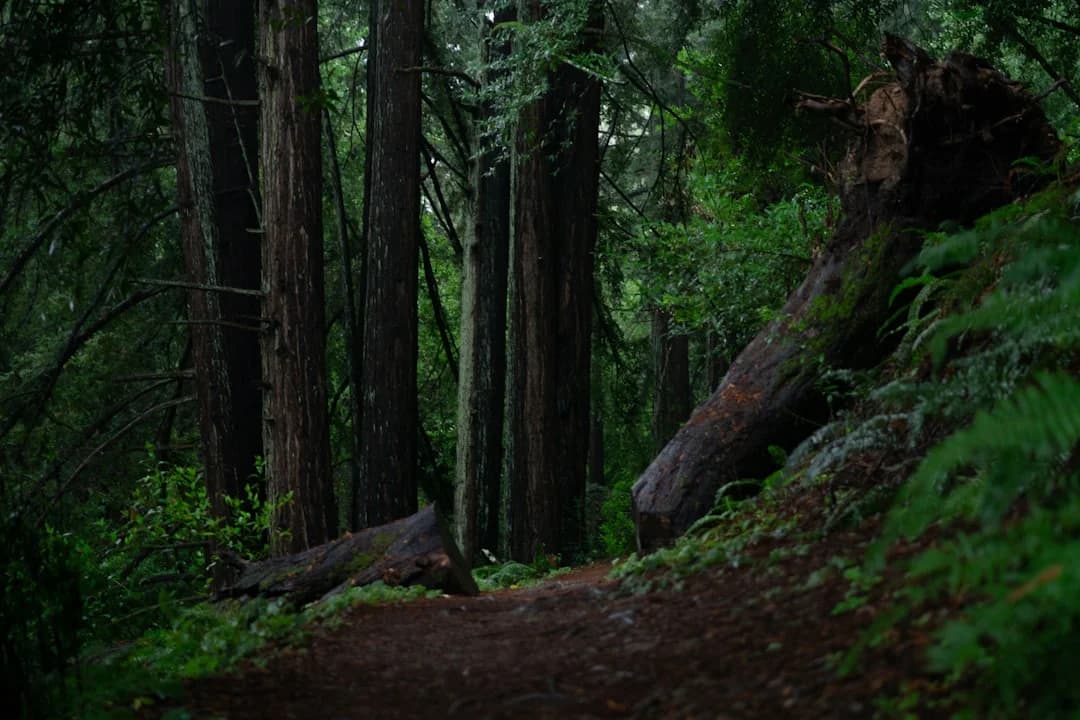
The East Bay Regional Park District has launched the East Bay Trails Challenge 2026, inaugurating the program’s 33rd edition as a cornerstone of the Bay Area’s outdoor recreation calendar. The challenge begins on January 1, 2026, with a voluntary window that runs through December 31, 2026, inviting residents and visitors to explore a carefully selected set of trails across Alameda and Contra Costa counties. The district emphasizes that the Trails Challenge is free to participate and aims to connect people with the region’s diverse landscapes, from beaches and wetlands to redwood groves and rolling ridges. The program’s organizers note that participants can pick up a free guidebook and commemorative T-shirt at any visitor center, with digital versions available online for nationwide access. In a nod to accessibility and inclusivity, a Spanish edition will be online and in centers by mid‑January, expanding reach across the community. These details come as part of the East Bay Parks’ ongoing effort to promote healthy, active living through outdoor recreation. (ebparks.org)
The Trails Challenge highlights 20 designated trails that span a spectrum of difficulty and scenery, offering options for walkers, casual hikers, and more ambitious explorers. To complete the challenge, participants must either hike five of the featured trails or accumulate 26.2 miles of trail distance within the East Bay Regional Park District system. This dual-path approach gives beginners a clear entry point while also appealing to more experienced hikers who want to chart longer routes. The deadline for finishing and submitting logs is December 31, 2026; finishers who log online or by mail receive a commemorative pin while supplies last. The program exists in its current form thanks to a long-running partnership between the Regional Parks Foundation and Kaiser Permanente, with AllTrails providing added value through a free three‑month AllTrails Plus membership for participants via a QR code in the guidebook. (ebparks.org)
Mike Moran, the East Bay Regional Parks’ Interpretive and Recreation Services Manager, underscored the Trails Challenge as a strategic invitation to both longtime park-goers and new audiences to explore everything the system has to offer. Moran highlighted the district’s 73 parks spread across Alameda and Contra Costa counties, showcasing coastal shorelines, redwood groves, and expansive ridge trails that can accommodate a wide range of interests and abilities. This framing aligns with the program’s goal of not only promoting physical activity but also encouraging people to discover parks they might not visit regularly. Moran’s remarks emphasize that Trails Challenge participants can move beyond familiar routes to experience the region’s varied landscapes. “The East Bay Regional Parks Trails Challenge is a great way to explore Regional Parks — not only a person’s regular favorites, but also planning adventures to parks farther out,” Moran explained. (ebparks.org)
Section 1: What Happened
Program Relaunch and Core Guidelines
The East Bay Trails Challenge 2026 marks the 33rd annual edition of this enduring program, reaffirming the Park District’s commitment to encouraging outdoor activity and nature engagement. The official news release dated December 31, 2025, announced that the Trails Challenge would return on January 1, 2026, with a renewed focus on accessibility, education, and community participation. The program remains free to join and is designed to accommodate a broad audience, from families seeking a light day trip to seasoned hikers pursuing more demanding routes. The central mechanism remains consistent: complete five of the 20 designated trails or log 26.2 miles across any combination of trails within the East Bay Regional Park District’s network. The finish line is defined as December 31, 2026, with a pin and other incentives available for those who submit logs online or by mail. The 2026 edition also emphasizes accessibility by including trails that have been evaluated for use by people with mobility limitations, reflecting the district’s ongoing commitment to “Trails are for Everyone.” (ebparks.org)
Spanish-language accessibility is part of the rollout, with a Spanish edition of the Trails Challenge guidebook expected online and in visitor centers in mid‑January 2026. This bilingual support complements the standard English guidebook and online materials, ensuring that a broader segment of the Bay Area community can participate without language barriers. The distribution strategy—free guidebooks at visitor centers and downloadable PDFs—helps minimize friction for first-time participants while providing reliable reference material for seasoned participants who wish to plan ahead. (ebparks.org)
Trail Selection and Distribution
Trail selection for the 2026 edition comprises 20 designated trails chosen by East Bay staff to represent a range of experiences and environments. The Trails Challenge deliberately includes a mix of easy, moderate, and challenging hikes so participants can calibrate their goals based on ability, time, and interest. The program’s structure emphasizes inclusivity: many of the listed trails are fully accessible or offer portions suitable for mobility-limited visitors, aligning with a broader public-health mission to broaden outdoor access. The official Trails Challenge page notes that the 2026 list is accessible via AllTrails, ensuring that participants can consult consistent route details and user reviews in a single place. (ebparks.org)

Photo by Spencer DeMera on Unsplash
Examples from the 2026 roster illustrate the breadth of options, ranging from family-friendly urban strolls to more demanding mountain‑ridge explorations. The Easy Hikes group includes Ardenwood Historic Farm, Contra Costa Canal Regional Trail, Del Valle Regional Park, Don Castro Regional Recreation Area, Marsh Creek Regional Trail, McLaughlin Eastshore State Park, and Tilden Regional Parks Botanic Garden. The Moderate Hikes group features Briones Regional Park, Brushy Peak Regional Park, Carquinez Strait Regional Shoreline, Lafayette-Moraga Regional Trail, Las Trampas Wilderness Regional Preserve, Roberts Regional Recreation Area, and Vargas Plateau Regional Park. The Challenging Hikes lineup includes Black Diamond Regional Preserve, Lake Chabot Regional Park, Ohlone Wilderness Trail, Pleasanton Ridge Regional Park, Tilden Regional Park, and Wildcat Canyon Regional Park. By placing trails in these three categories, the Trails Challenge provides a framework for planning and progression that is easy to communicate and widely accessible. (ebparks.org)
For readers who want to cross-check or plan in advance, all 2026 trails are also listed on the AllTrails platform, with a link to the “Complete 2026 Trails Challenge AllTrails Trail List.” The district also provides downloadable trail maps, an accessibility chart, and a dedicated log form to help track progress. This level of detail is intended to reduce friction for participants and improve the quality of the experience across the region. The emphasis on clear logistics—guidebooks, maps, and a simple finish requirement—reflects a data-informed approach to expanding participation and ensuring a smooth user journey. (ebparks.org)
Prizes, Incentives, and Participation Mechanics
The 2026 Trails Challenge introduces new and existing incentives designed to reward participation and sustained engagement. All participants receive a free guidebook and, for finishers, a commemorative Trails Challenge pin, with limited‑edition features aligned to special finisher categories. The prize structure includes a “All 20 Club” for those who complete all 20 trails, as well as category-based recognitions such as Pathfinder (kids up to age 9), Junior Trailblazer (ages 10–12), Trailblazer (ages 13–18), and Timeless Trekker (ages 65 and up). These designations add a tangible, community-focused dimension to the program, encouraging families and diverse age groups to participate. Sponsors support these efforts: Kaiser Permanente remains a long-standing partner, and AllTrails supplies a three-month Plus membership for participants, supplementing the guidebook’s QR code synergy. In addition to the pin and the AllTrails membership, periodic prize drawings are offered for finishers who log their trails online, further integrating community recognition with ongoing participation. (ebparks.org)
The 2026 Trails Challenge also links to broader branding and community engagement efforts on social media. Finishers who post selfies and tag #TrailsChallengeEBRPD are entered into drawings, a nod to the broader digital engagement strategy that many public programs employ to extend reach and foster a sense of achievement. This social component complements the offline, in-person activity and helps bridge the park system’s public-facing mission with contemporary online communities. (ebparks.org)
What happened in 2026 also reflects a longer arc: the Trails Challenge has evolved since its inception in 1993 as a collaborative effort among the East Bay Regional Park District, the Regional Parks Foundation, and Kaiser Permanente to promote health through outdoor activity. The current edition continues that collaboration with renewed emphasis on accessibility, digital tools, and inclusive participation. The 2026 program renews this legacy while expanding opportunities for broad community engagement, thanks to both sponsors and the AllTrails platform that provides a familiar, widely used navigation and review experience for participants. (ebparks.org)
Section 2: Why It Matters
Public Health and Community Engagement
The Trails Challenge is more than a hobbyist initiative; it operates as a public health instrument embedded in the Bay Area’s outdoor culture. By encouraging participants to target five trails or accumulate 26.2 miles within a year, the program creates a measurable pathway to increased physical activity among diverse populations. The careful curation of trails at varying distances and elevation profiles is designed to accommodate different fitness levels and time constraints, which can help reduce barriers to entry for new hikers and walkers. This design aligns with broader health and wellness goals pursued by public agencies and community health partners, particularly in regions where lifestyle-related illnesses are a concern and accessible outdoor spaces are recognized as preventative resources. The Trails Challenge itself has a long history of promoting health by encouraging time outdoors, a concept grounded in decades of public health research that links outdoor activity to physical and mental well-being. (ebparks.org)

Photo by Taisia Karaseva on Unsplash
The program’s data-driven approach—clear metrics (five trails or 26.2 miles, annual deadline, log submission, and a downloadable guidebook)—provides a template for evaluating impact over time. By tracking participation, mileage, and completion rates, the East Bay Parks Department can assess which trails attract the most attention, how accessibility features influence participation, and how sponsor involvement translates into outcomes. While the 2026 iteration emphasizes accessibility and mobility-friendly options, the data collected through logs and AllTrails metrics can inform ongoing decisions about trail maintenance, accessibility improvements, and future program design. (ebparks.org)
Equity, Accessibility, and Inclusion
A notable feature of the 2026 Trails Challenge is its explicit attention to accessibility. The program includes a number of trails that staff have identified as usable by people with mobility limitations, ensuring that a broad cross-section of the community can participate. This aligns with a growing emphasis within public recreation on removing barriers to participation and ensuring equitable access to outdoor spaces. The Spanish-language edition further extends reach, underscoring a commitment to inclusivity and language access as a core value of the program. The combination of physical accessibility measures and multilingual materials reflects a broader trend in public-facing programs to serve diverse urban populations while maintaining rigorous, data-driven standards for participation and measurement. (ebparks.org)
The Trails Challenge also sits within a broader regional strategy to connect communities through trail networks. The East Bay Park District’s portfolio includes 73 parks spanning a mix of coastal, wetlands, and hillside environments, which means the Trails Challenge has the potential to introduce residents to a wide variety of ecosystems and recreational opportunities. The program’s messaging highlights not just individual trails but the experience of exploring the East Bay Parks system as a coherent, values-driven network. This aligns with regional goals to promote sustainable outdoor recreation and to support local economies through park-related activity and tourism. (ebparks.org)
Public-Private Partnerships and Regional Impact
The East Bay Trails Challenge 2026 continues a collaborative model that has been in place for decades. Kaiser Permanente remains a sponsor, reflecting a long-standing partnership between health care providers and public land managers to promote preventive health through nature-based activities. AllTrails’ involvement—providing three months of Plus membership—leverages a familiar consumer technology to improve access to route data, conditions, and community reviews. This blend of public funding, philanthropic support, and corporate sponsorship helps ensure the program remains free for participants while expanding the program’s reach through digital channels. The combination of in-person guidebooks, online logs, and mobile-assisted trail discovery demonstrates how public programs can harness private-sector tools to amplify impact. (ebparks.org)

Photo by Spencer DeMera on Unsplash
Beyond the sponsor ecosystem, the Trails Challenge serves as a case study in public programming that uses standardized metrics and shared resources to drive engagement. The collaboration with the Regional Parks Foundation and Kaiser Permanente, as well as AllTrails’ digital platform, illustrates a model for scalable, data-informed community programming that other regional parks systems may study as they design similar initiatives. The program’s design—clear participation criteria, a finite trail list, and a year-long window—also makes it easier to compare year-over-year data and assess the program’s effectiveness in promoting sustained outdoor activity. (ebparks.org)
Section 3: What’s Next
Upcoming Milestones and Participant Guidance
Several key milestones shape the East Bay Trails Challenge 2026 calendar. The program officially kicks off on January 1, 2026, giving participants a practical window to begin exploring trails across the East Bay’s parks. The Trails Challenge log form and the guidebook—available in PDF—are central to participant planning and progress tracking. The Spanish edition adds an additional accessibility layer, with mid‑January distribution of the online and in-center materials. Participants who want to start early or plan in advance can download the guidebook now and map out a strategy for completing five trails or accumulating 26.2 miles by December 31, 2026. The AllTrails integration, via a QR code in the guidebook, provides an accessible way to verify trails, read reviews, and gain a practical sense of what to expect on each route. (ebparks.org)
For organizers, the year-long horizon includes ongoing promotions, prize drawings, and social media engagement. The 2026 program features monthly prize drawings for finishers who log their progress online, in addition to specific finisher categories designed to recognize different age groups and achievement levels. The AllTrails membership prize adds contemporary value for participants who use the platform for route planning and community feedback. As the year unfolds, organizers will likely monitor participation rates, type of trails chosen, and the geographic spread of finishers, informing future iterations of the Trails Challenge and potential enhancements to accessibility features or outreach programs. (ebparks.org)
What to Watch For in the Bay Area Outdoor Landscape
The East Bay Trails Challenge 2026 comes at a moment of growing public interest in outdoor recreation as both a health intervention and a community-building activity. The Trails Challenge complements other regional outdoor offerings, including multiday trail-running events, mountain biking circuit opportunities, and linear trail networks that thread through cities and parks. In this context, the Trails Challenge may act as a catalyst for increased park usage, new volunteer engagement, and a broader conversation about trail maintenance, safety, and accessibility. The district’s documentation emphasizes safety resources, accessibility notes, and trail etiquette—elements that reinforce responsible recreation while supporting an expanding base of participants who are new to the outdoors or returning after a period of inactivity. (ebparks.org)
Publishers and editors seeking to cover the East Bay Trails Challenge 2026 should watch for the evolving online conversation around the Trails Challenge—especially the AllTrails platform’s role in route discovery and user-generated feedback, as well as the sponsor-driven promotions that keep the program financially sustainable. The program’s long history, dating back to its 1993 inception, provides a robust narrative arc for data-driven coverage: a community-led, health-focused initiative that has persisted through changing political and economic climates, adapting to new technologies and a broader, more inclusive audience. As readers follow the East Bay Trails Challenge 2026, they can expect ongoing updates from the East Bay Regional Park District and partner organizations on key milestones, participant stories, and the program’s measurable impact on regional outdoor engagement. (ebparks.org)
Closing
The East Bay Trails Challenge 2026 offers a clear, inclusive pathway for thousands of Bay Area residents to engage with the region’s diverse natural landscapes. By combining a curated set of 20 trails with an accessible finish path (five trails or 26.2 miles), free materials, and robust sponsor support, the program builds on decades of public engagement with nature. For readers of SF Bay Area Times, the Trails Challenge represents an ongoing opportunity to observe how data-driven, public-facing programs can promote health, accessibility, and community connection within a dynamic outdoor recreation ecosystem. Participants and observers alike can stay updated through the Trails Challenge portal and the East Bay Regional Park District’s official channels, ensuring they don’t miss key dates, guidebook releases, or prize opportunities. (ebparks.org)
As the year unfolds, the East Bay Trails Challenge 2026 will likely serve as a bellwether for how regional park districts can balance accessibility, performance metrics, and public engagement in a densely populated, outdoors-loving region. With the guidebook in hand, a map of 20 diverse trails, and a calendar full of opportunities to participate, readers can plan a year of exploration that blends physical activity, environmental education, and healthy curiosity about the East Bay’s natural world. For the SF Bay Area Times audience, this is not just a hiking promotion; it’s a data-informed, community-building signal about how the Bay Area can leverage public spaces to improve public health and civic participation while celebrating regional beauty. (ebparks.org)