
El Niño-driven Wildfire Season 2026 Bay Area Readiness
Objective, data-driven look at El Niño-driven 2026 Bay Area wildfire readiness, highlighting tech, infrastructure, and market trends in preparation.
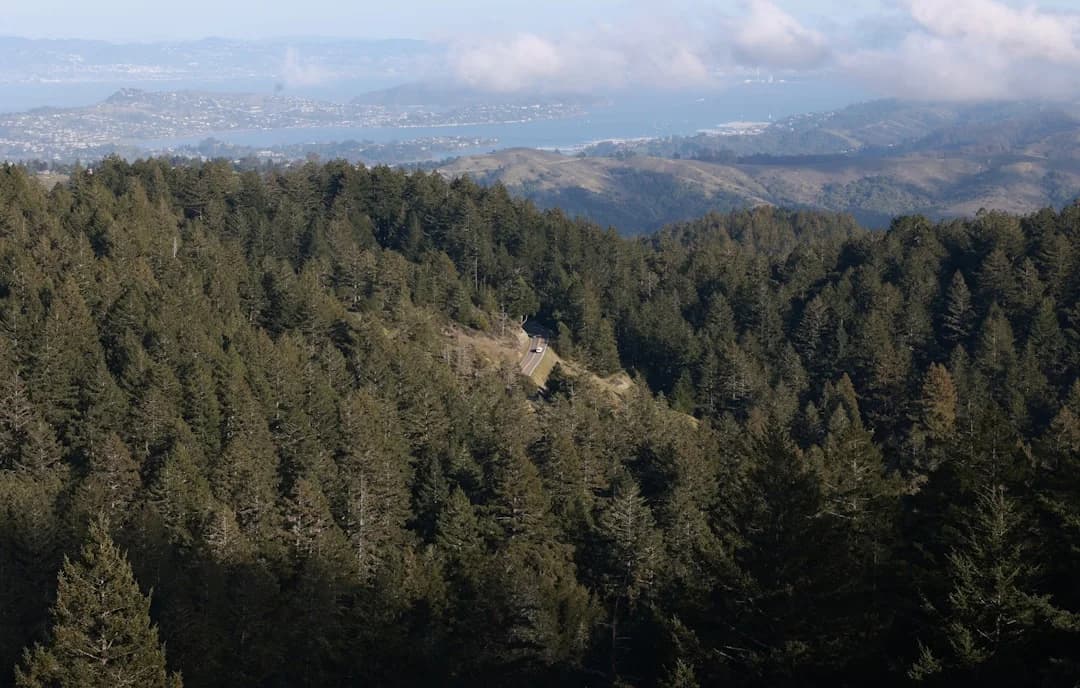
The Bay Area is entering a meteorological moment that could redefine wildfire risk management for 2026 and beyond. As of June 11, 2026, the Climate Prediction Center confirmed that El Niño conditions are present and expected to strengthen into the Northern Hemisphere winter 2026-27, signaling a potential shift in fire and weather patterns across California. The World Meteorological Organization’s May 2026 update reinforced the outlook, highlighting high probabilities of El Niño conditions dominating through the summer and into fall, with forecasts pointing to a wetter-than-average pattern in some years but hotter, drier spells in others that can aggravate fire risk in dry fuels. The combination of El Niño dynamics and California’s fire season posture has immediate implications for Bay Area readiness, including electricity grid operations, emergency response planning, and community resilience efforts. This moment arrives at a time when PG&E and other agencies are steering toward more proactive wildfire mitigation measures, even as public safety power shutoffs complicate daily life for residents and businesses. The public safety conversation—rooted in weather-driven risk, infrastructure resilience, and technology-enabled monitoring—has shifted from a reactive posture to a more anticipatory, data-driven approach that could determine outcomes for countless Bay Area households this summer. (cpc.ncep.noaa.gov)
Across the Bay Area, the immediate signal is not just a weather forecast but a policy and operational landscape transforming with El Niño’s potential impacts. On June 10-11, 2026, Bay Area utilities and public safety officials warned that high fire danger, fueled by hot, dry, offshore wind patterns, could trigger Public Safety Power Shutoffs (PSPS) in parts of Napa, Sonoma, Solano, and surrounding counties. The San Francisco Chronicle reported that PG&E began shutting off power in multiple Northern California counties, including portions of the Bay Area, to reduce ignition risk during dangerous wind and humidity conditions. NBC Bay Area and SF Chronicle both documented the week’s PSPS activity, underscoring how reliability, safety, and the public’s daily routines intersect as the season unfolds. This is the kind of operational reality that makes El Niño-driven wildfire season 2026 Bay Area readiness a practical, lived concern for residents and businesses alike. (sfchronicle.com)
Section 1: What Happened
El Niño conditions take shape and forecast
El Niño emerges and strengthens, with winter 2026-27 as the likely regime

Photo by Blair Morris on Unsplash
El Niño conditions are present and expected to strengthen into the Northern Hemisphere winter 2026-27, according to the CPC Diagnostic Discussion released on June 11, 2026. The report notes above-average SSTs in the central to eastern Pacific and a coupled ocean-atmosphere state that has trended toward El Niño conditions over the prior month. The ensemble forecast points to continued strengthening, improving confidence in El Niño’s persistence through next winter, and the potential for high ocean heat content and persistent westerly wind anomalies to drive broader climate shifts. Notably, the discussion cites a meaningful probability (e.g., a substantial chance of a very strong event later in the winter) and emphasizes that even very strong El Niño events do not guarantee uniform regional impacts. This framing matters for Bay Area readiness because it helps planners anticipate a broader regime shift rather than a single-weather-season forecast. > “El Niño conditions are present and expected to strengthen into the Northern Hemisphere winter 2026-27.” (cpc.ncep.noaa.gov)
The global signal and regional nuance
Beyond the U.S. forecast, the World Meteorological Organization’s May 2026 El Niño/La Niña Update highlights that warm ocean waters are fueling El Niño development, with projections signaling elevated odds for El Niño conditions through the northern hemisphere’s peak months. The update notes high probabilities for June–August 2026 and sustained dominance into late 2026, with NMHSs monitoring regional rainfall and temperature patterns to refine local risk assessments. This global-to-local linkage is critical for Bay Area agencies whose planning depends on a mix of model ensembles, local climate drivers, and evolving weather regimes that influence fire weather, drought recovery, and fuel moisture. As the WMO framing suggests, advanced forecasts are essential for planning and preparedness. > “Warm ocean waters are fueling the development of El Niño.” (public.wmo.int)
Local risk signals and anticipated conditions
In California and the Bay Area, El Niño’s influence is complex: it can bring wetter winters that help reduce drought and fuel loads, but it can also trigger extreme heat and dry spells that intensify fire risk during the dry season. The CPC’s June 2026 projections, together with the ENSO Diagnostic Discussion, underscore the importance of early readiness investments—from weather monitoring to infrastructure hardening and community education. The CPC’s analyses emphasize that while El Niño tends to tilt regional odds toward certain patterns, outcomes vary by locale and fuel conditions, so planners must pursue adaptive strategies that can respond to a range of scenarios. For Bay Area readiness, this means preparing for conditions that favor both enhanced rainfall events and heat-driven fire weather, especially in the dry Santa Ana-like wind windows and inland burn-prone zones. (cpc.ncep.noaa.gov)
Blockquote: El Niño conditions are present and expected to strengthen into the Northern Hemisphere winter 2026-27. (CPC Diagnostic Discussion, June 11, 2026) (cpc.ncep.noaa.gov)
Infrastructure and market responses emerging in real time
The technology and market response to El Niño-driven risk is already unfolding. PG&E has laid out a three-year wildfire mitigation plan for 2026–2028 that emphasizes grid hardening, undergrounding where feasible, and the deployment of remote grids to reduce ignition risk. The plan also prioritizes the integration of new technologies such as real-time monitoring, AI-driven analytics, and continuous sensor networks to detect potential anomalies before they lead to outages or ignitions. In May 2026, PG&E announced the planned expansion of its continuous monitoring capabilities and the deployment of more microgrids and remote grids as part of its WMP (Wildfire Mitigation Plan). Press materials and official plan documents describe how these tools—together with undergrounding and asset hardening—are designed to reduce PSPS need while maintaining reliability. (pge.com)
Tech-enabled wildfire detection and response
Technology is increasingly at the center of Bay Area readiness. Scientific American highlighted advances in AI-powered wildfire detection, camera networks, and data fusion with utility-scale systems (including PG&E’s own initiatives) that have delivered measurable reductions in ignitions and faster detection. The piece notes that PG&E’s partnership with technology providers and ongoing investments in sensors, cameras, and analytics are enabling earlier alerts and more targeted responses. The broader implication for the Bay Area is a market shift towardFireTech-enabled resilience—an area where utilities, technology firms, and local governments are competing to deliver safer, more reliable energy and community protection. (scientificamerican.com)
Public safety power shutoffs: a defined, data-informed tactic
PSPS events have become a central feature of wildfire risk management across Northern California, including the Bay Area. The Bay Area’s PSPS reality was underscored by multiple outlets in June 2026, noting that PG&E activated outages in several North Bay communities and in Napa, Sonoma, Solano, and neighboring counties as part of a coordinated effort to prevent ignitions during peak wind and low-humidity conditions. The SF Chronicle’s reporting on June 11, 2026, documents the deployment of PSPS and the expected duration, illustrating how utilities use weather patterns and risk mapping to determine where to de-energize lines. NBC Bay Area provided contemporaneous coverage of the initial PSPS events and the reaction from local responders bracing for longer-term fire weather risk. The combination of weather-driven risk and PSPS underscores the need for resilience planning that spans households, businesses, and critical services. (sfchronicle.com)
Section 2: Why It Matters
Impact on residents and businesses
Daily life disruptions and preparedness requirements
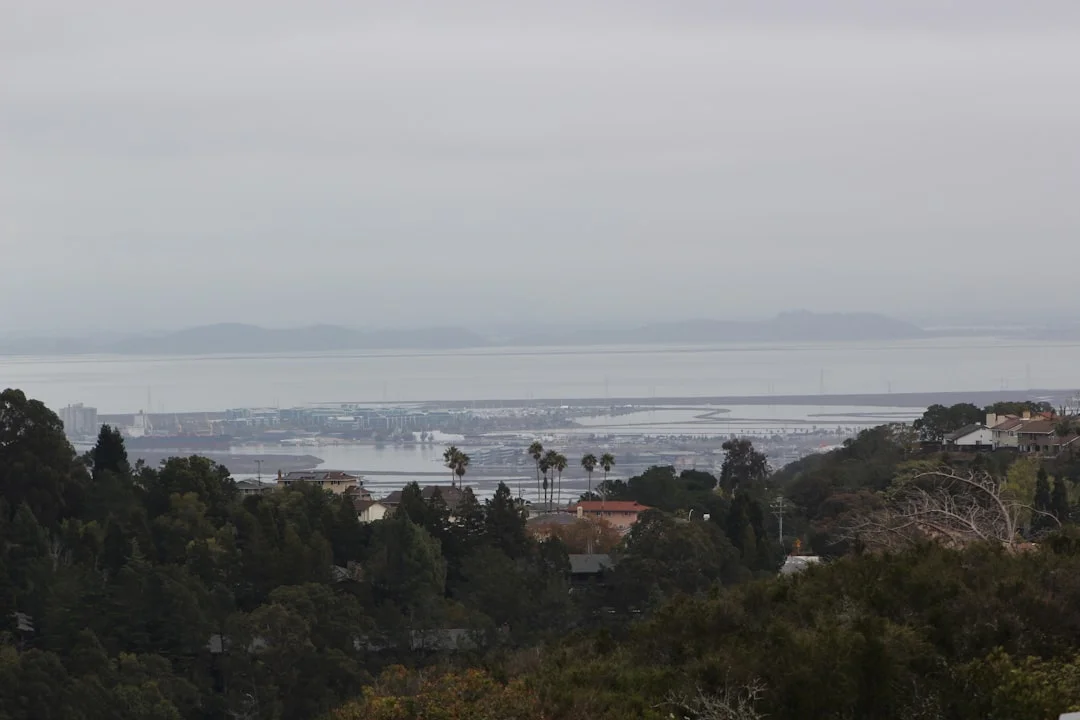
Photo by Blair Morris on Unsplash
PSPS events disrupt daily life, business continuity, and critical services, prompting households and small businesses to adjust schedules, stock up on essentials, and maintain contingency plans. In practice, Bay Area residents need reliable communications, backup power options where feasible, and clear, timely information from utilities and authorities about outage scopes and restoration timelines. Media reports highlighted how outages can affect commutes, healthcare needs, school operations, and small business cash flow during hotter, windier periods when fire weather is at its peak. The ongoing PSPS activity in June 2026 demonstrates that preparedness is not a one-off event but an ongoing operational requirement for many households. (sfchronicle.com)
Commercial and industrial implications
For Bay Area businesses, especially those in energy-intensive or safety-critical sectors, the convergence of El Niño conditions and wildfire risk translates into a demand for reliable backup power, rapid-shift equipment, and enhanced disaster recovery planning. Market observers note a growing ecosystem around microgrids and distributed energy resources as a means to reduce exposure to PSPS-related outages, while public utilities and policymakers explore expanding undergrounding programs and resilient infrastructure. PG&E’s WMP documents and related industry coverage describe ongoing investments in remote grids, microgrids, and advanced monitoring to support resilience and customer reliability during fire-weather events. This trend has implications for energy procurement strategies, capital planning, and regional tech supply chains in emergency management. (pge.com)
Blockquotes from reliable sources:
- CPC: “El Niño conditions are present and expected to strengthen into the Northern Hemisphere winter 2026-27.” This emphasizes the persistence and potential intensity of the climate regime that influences regional hazard patterns. (cpc.ncep.noaa.gov)
- WMO May 2026 Update: “As of mid-May 2026, sea surface temperature anomalies are increasing… probabilities reaching 80% for June–August 2026.” This frames the near-term risk environment for policymakers and businesses planning for summer and fall. (public.wmo.int)
- PG&E press materials on 2026–2028 WMP: “Overhead system hardening and undergrounding remain important, with remote grids and new monitoring technologies increasing resilience.” (Summary of official plan language) (pge.com)
Broader context and public safety
Climate context and regional risk
The El Niño signal has long been linked to shifts in weather patterns that influence wildfire seasons in California. While El Niño can bring wetter winters that help reduce fuels, it can also create periods of intense heat, Santa Ana-like winds, and dry spells that raise fire risk during the summer and early fall. The June 2026 Diagnostic Discussion and the May 2026 WMO Update underscore that the Bay Area should prepare for a range of scenarios, with contingency plans that address both wetter and drier intervals within the El Niño window. This nuanced risk landscape requires continued coordination among public safety partners, utility operators, and the private sector delivering technology-enabled resilience. (cpc.ncep.noaa.gov)
Blockquotes:
- CPC Diagnostic Discussion (June 2026): “El Niño conditions are present and expected to strengthen into the Northern Hemisphere winter 2026-27.” This confirms the evolving climate regime that informs risk management. (cpc.ncep.noaa.gov)
- GFDL and NMME ensemble perspectives highlighted in CPC materials emphasize that El Niño strength does not always map cleanly to impact, reinforcing the need for adaptive planning. (cpc.ncep.noaa.gov)
Public safety and community resilience
Coordination across agencies, utilities, and communities
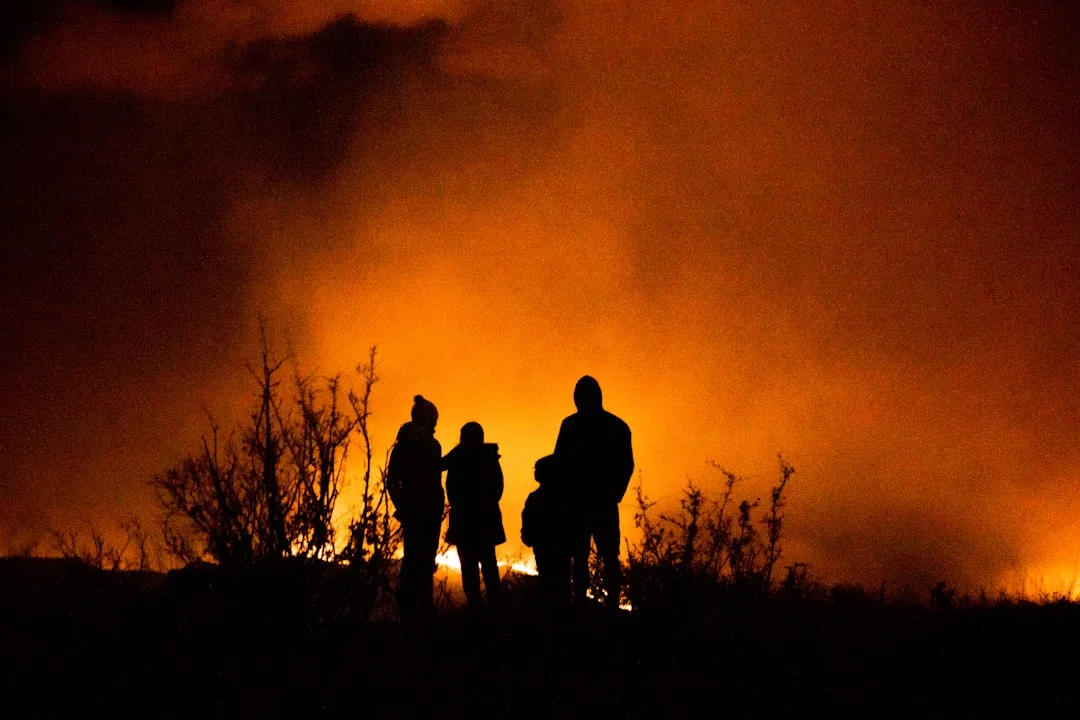
Photo by Caleb Cook on Unsplash
Bay Area readiness now hinges on a multi-agency, multi-stakeholder approach. Emergency management offices, local fire agencies, hospitals, school districts, and private-sector partners in technology and energy are coordinating to align weather intelligence, critical-infrastructure protections, and community outreach. The PSPS experience of 2026 has accelerated the adoption of emergency communications platforms, community go-bags, and business continuity planning across the region. The news coverage around PSPS events provides practical lessons on restoration timelines, shelter-in-place guidance, and the importance of accessible outage maps and real-time updates. As coverage shows, preparedness is not abstract; it’s a daily operational requirement for at-risk communities and service providers. (sfchronicle.com)
What’s Next
Near-term watch for July–August 2026
Forecasts indicate continued El Niño development, with elevated probability of ongoing warmth and potential wet-period episodes that could influence fuel moisture and fire weather windows. The CPC ENSO Strength Probabilities page (June 2026) shows overlapping three-month seasons with shifting odds among El Niño, neutral, and La Niña states, while the DC discussions stress that probabilities are dynamic as new observations come in. Bay Area agencies should maintain heightened situational awareness, keep PSPS decision criteria aligned with current fuel and weather indices, and ensure community communications channels remain open and timely. The WMO Update reinforces that June–August will be critical months for monitoring and preparedness, given the rapid evolution of ENSO indicators. (cpc.ncep.noaa.gov)
Winter outlook and long-range planning for 2026–27
Looking ahead to the winter 2026–27 period, the CPC Diagnostic Discussion projects stronger El Niño conditions, with higher confidence in substantial atmospheric-ocean coupling. While the exact regional outcomes will depend on ongoing atmospheric dynamics and storm tracks, the Bay Area should anticipate the possibility of either enhanced storm activity or sustained warm-dry spells interspersed with heavy rainfall events. Public safety and utility planning should therefore emphasize flexibility—scalability of response resources, rapid restoration capabilities, and diversified energy resilience options (including microgrids and distributed storage) to minimize outage durations and protect critical loads. The combination of El Niño’s progression and PG&E’s ongoing grid-hardening efforts suggests a period of intensified focus on resilience and risk transfer across the technology and energy sectors. (cpc.ncep.noaa.gov)
What to watch for and how to respond
- Weather and ENSO updates: Expect regular CPC and NWS briefings through the summer and fall, with new outlooks every few weeks that refine the probability of strong El Niño phases and potential regional impacts. The June 2026 CPC release and the June 2026 ENSO Diagnostic Discussion remain primary reference points for planning assumptions. (cpc.ncep.noaa.gov)
- PSPS activity and restoration timelines: Utilities will continue to deploy PSPS as needed during high fire-risk periods. Residents and businesses should stay updated on outage maps and advisories, maintain emergency supplies, and consider backup power arrangements if feasible. Recent Bay Area PSPS coverage demonstrates the pattern of targeted outages during peak fire weather windows. (sfchronicle.com)
- Infrastructure investments and market trends: Expect continued investments in undergrounding, grid hardening, and remote microgrids, with accompanying technology integrations such as AI analytics, continuous monitoring centers, and sensor networks. PG&E’s WMP documents, along with technology-focused articles, suggest that the Bay Area’s resilience posture will increasingly rely on digital tools to prevent ignitions and improve reliability. (pge.com)
Closing
As the El Niño-driven wildfire season 2026Bay Area readiness narrative unfolds, the region’s approach blends meteorological foresight with technology-enabled resilience and proactive public safety planning. The convergence of strong ENSO signals, ongoing PSPS activity, and a wave of grid-hardening and microgrid initiatives signals a new era of preparedness for the Bay Area. Communities that stay informed, invest in reliable communications, and participate in ongoing preparedness efforts will be best positioned to weather the summer’s fire weather and the winter’s potential intensifications. The data suggests a trajectory where readiness—not reaction—is the norm, with technology acting as a force multiplier for safety, reliability, and economic continuity across the Bay Area.
In short, Bay Area leaders are combining robust weather intelligence with bold infrastructure upgrades and clear, consistent public communication to navigate what could be a defining El Niño-driven wildfire season 2026. As the summer progresses, officials and industry partners will continue to monitor evolving ENSO forcings, fuel moisture, and wind patterns, updating plans and guidance to support residents, businesses, and first responders as they adapt to a changing climate and an increasingly complex risk landscape. (public.wmo.int)