Electric Cargo-bike Pilots Bay Area 2026: Update


Photo by Juliana Uribbe on Unsplash
The Bay Area in 2026 is witnessing a quietly increasing cadence of pilots and policy experiments that center on electric cargo-bike solutions for the urban last mile. Across cities around San Francisco, planners, delivery operators, and transit agencies are testing how lighter, emission-free cargo movement can complement or substitute traditional van deliveries, particularly in dense neighborhoods with tight curb spaces and challenging traffic patterns. The overarching question is simple, but difficult to answer quickly: can electric cargo-bikes reliably move goods, reduce emissions, and improve delivery times in one of the country’s most congested metro areas? The early signals are nuanced, showing both promise and friction as pilots unfold, funding decisions are made, and regulations evolve in real time.
In 2026, Bay Area pilots exist in a landscape where delivery demand continues to grow, but city budgets, street space, and transit capacity remain finite. Local agencies have started lining up funding and pilot programs that could seed broader adoption if outcomes prove favorable. The mix of programs includes a city-led e-bike delivery pilot in San Francisco that began in the mid-2020s and a Bay Wheels expansion plan in Alameda that, while not cargo-specific, underscores a broader willingness to fund and deploy electric micro-mobility options to support urban mobility. Taken together, these developments illustrate a cautious, data-driven push toward electrified last-mile logistics, with careful attention to safety, accessibility, and equity. (sfenvironment.org)
Opening the lens further, 2026 has seen a broader policy and regulatory environment that could shape electric cargo-bike pilots Bay Area 2026 for years to come. Regional and state bodies have intensified discussions about electric bicycles, safety standards, and appropriate classifications, recognizing that e-bikes come in a wide range of forms—from traditional two-wheelers to long-tail or box-style configurations that can carry substantial loads. That regulatory context matters for pilots because it defines what’s permissible on streets, bike lanes, and even rail-adjacent corridors. The Metropolitan Transportation Commission (MTC) and the Association of Bay Area Governments (ABAG) published a joint briefing in 2026 outlining electric bicycle legislation and policy options, highlighting ongoing debates about classification, enforcement, and infrastructure needs. This framework matters for any cargo-bike pilot seeking scale in the Bay Area, since pilots operate at the intersection of transportation policy, urban design, and freight logistics. (abag.ca.gov)
Section 1: What Happened
Alameda Bay Wheels pilot funding and timeline
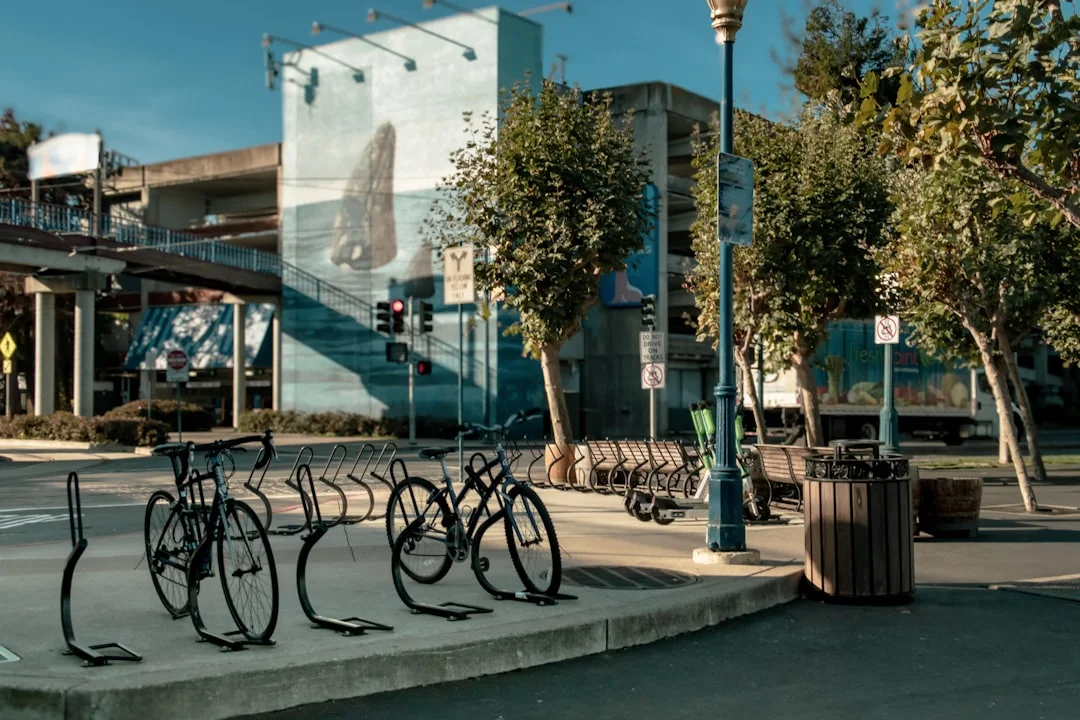
The city of Alameda, part of the Bay Area’s coastal corridor, saw a major funding decision in 2026 that signals the region’s interest in expanding shared, pedal-electric mobility. On May 28, 2026, the Alameda County Transportation Commission (ACTC) approved more than $1.6 million in grants for the City of Alameda. The awards are earmarked for a Bay Wheels bike share pilot on Alameda’s West End—the city’s plan to partner with the regional Bay Wheels network to provide new mobility options in the city’s urban core. Notably, the city will receive $757,000 to launch a 3-year Bay Wheels bike share pilot on the West End, with eight funded stations and outreach planned for the summer to determine station locations. The Bay Wheels program is expected to launch in early 2027, linking Alameda residents and visitors to the wider Bay Area bike-share network. This is a traditional bike-share expansion, not a dedicated cargo-bike fleet, but it represents a strategic piece of the Bay Area’s broader push to strengthen electrified micro-mobility options in 2026 and beyond. (alamedaca.gov)

Why this matters for cargo-bike pilots Bay Area 2026
While Alameda’s Bay Wheels bike-share expansion is not a cargo-bike pilot per se, the decision demonstrates a broader regional commitment to electrified last-mile mobility that could tilt more attention toward cargo-bike pilots in future years. It also shows how transit and local government funding is increasingly available to support electric mobility initiatives in peri-urban and urban-adjacent communities, creating a multi-city framework in which cargo-bike pilots may eventually operate in conjunction with bike-share networks and transit access. The West End focus aligns with a regional strategy to improve first-and-last-mile connectivity during significant construction projects, in this case, the Oakland–Alameda Access Project. The Alameda decision underscores the scale and speed at which Bay Area communities are willing to act when there is a clear link between mobility access, emissions reduction, and safety. (alamedaca.gov)
Caltrain policy changes affecting cargo bikes
In March 2026, Caltrain—the Bay Area’s commuter rail backbone—announced new space management policies for its bike cars, with cargo bikes among the larger bicycles facing tighter restrictions. Streetsblog San Francisco reported that Caltrain would begin banning cargo bikes, bikes with “wide or extra-fat tires,” extra-long frames or wheelbases, longtails, and attachments like baskets and panniers from its bike cars as demand for bike space on trains outpaced supply. The move reflects the tight balancing act between expanding bike-accessibility and maintaining reliable rail service for rail passengers. Advocates argued that the policy could shift some family- and cargo-related trips to cars or bikes that fit within the existing space, underscoring the real-world trade-offs urban transit systems confront as last-mile delivery approaches grow. The story cited concerns from the San Francisco Bicycle Coalition and others about space constraints and equity considerations for families traveling with children or large cargo. The key takeaway for 2026 is that even as cargo-bike pilots gain attention, rail-based mobility remains sensitive to container size and safety considerations in crowded corridors. (planetizen.com)
San Francisco e-bike delivery pilot: a benchmark for future cargo pilots
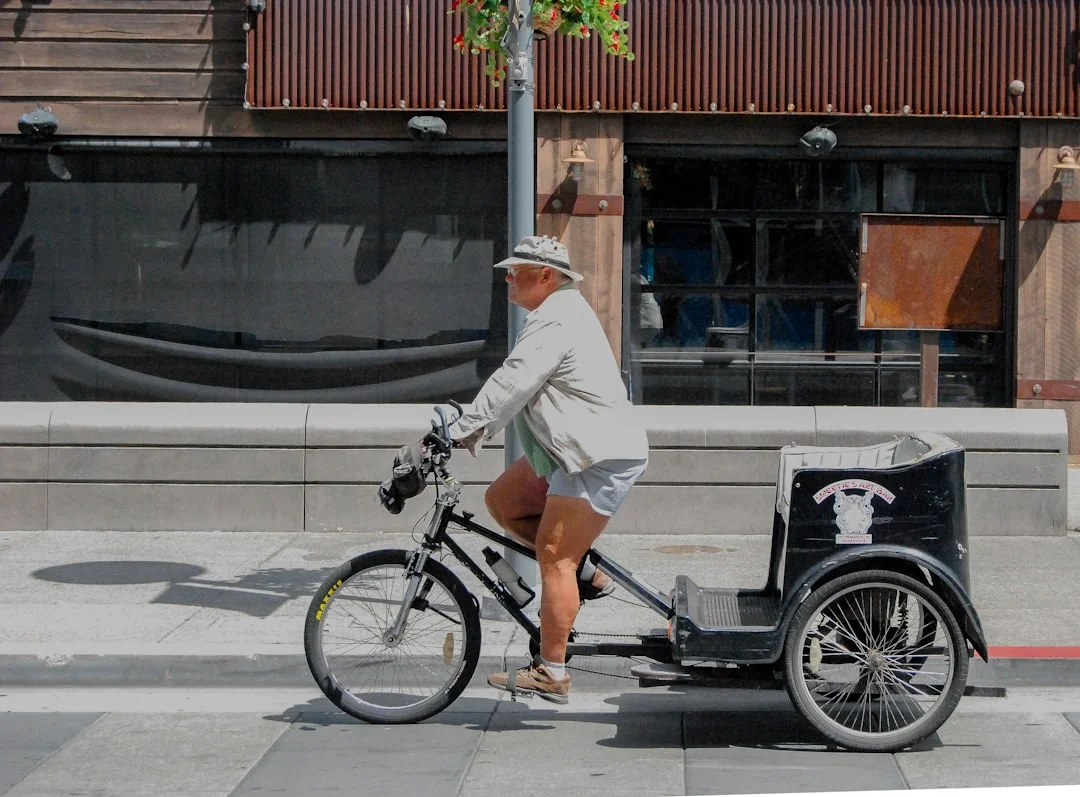
San Francisco’s e-bike delivery pilot, led by the San Francisco Environment Department (SFE), is a critical early signal about how the region evaluates electric last-mile delivery. Phase One ran from Spring 2023 through Fall 2024 and was funded by the California Energy Commission; Phase Two launched in Fall 2024 with federal support. The program aimed to assess whether e-bikes could deliver safer, faster, and more economical deliveries for SF-based drivers and small businesses. Although the phase transitions and funding cycles indicate an end to formal operations as federal grants wound down, the program’s data and learnings remain a touchstone for later cargo-bike pilots. The enduring questions focus on safety, rider earnings, and operational efficiency—questions that any cargo-bike pilot will also have to address as pilots scale across the region. The program’s existence demonstrates that Bay Area cities have a track record of piloting electrified delivery options, and it provides a data-rich reference point for evaluating cargo-bike pilots in similar urban contexts. (sfenvironment.org)
Regional policy context: 2026 electric bicycle legislation landscape
Beyond city-level pilots, the region’s policymakers are actively assessing how to regulate and facilitate electric bicycles to balance adoption with safety. A 2026 document from MTC and ABAG outlines the electric bicycle legislative landscape, including policy options, enforcement considerations, and infrastructure implications. The document highlights the classification complexity of e-bikes and the policy actions that might be needed to make e-bike adoption safer and more scalable. This legislative backdrop matters for cargo-bike pilots, which often rely on specialized configurations or additional equipment that straddle existing e-bike classifications. The explicit emphasis on safety, education, safe infrastructure, and data-driven policy signals a Bay Area approach that could shape cargo-bike pilot guidelines, pilot durations, and the metrics used to measure success. (abag.ca.gov)
Additional industry and model developments in 2026
While not all developments are cargo-bike specific, several Bay Area–adjacent moves in 2026 provide context for the growing attention to electrified last-mile solutions. For example, Bay Wheels, Lyft’s bike-share network in the Bay Area, announced updates and pilots around new bike models in San Francisco, including throttle-driven e-bikes and next-generation fleets that test faster, more capable urban mobility options. These fleet updates illustrate how large-scale electric mobility services are evolving in the region, potentially opening opportunities for future cargo-bike configurations or collaborations with existing bike-share networks. While these updates are not cargo bikes themselves, they signal a broader ecosystem in which electrified last-mile options—whether for people or goods—could converge or complement each other in the coming years. (lyft.com)
Section 2: Why It Matters
The potential impact of electric cargo-bike pilots Bay Area 2026
Electric cargo-bike pilots in the Bay Area hold the potential to transform last-mile delivery in dense urban cores by offering nimble, low-emission options that can navigate narrow streets and crowded curb spaces more efficiently than some larger delivery vehicles. The most immediate potential benefits include reduced traffic congestion, lower local pollutant emissions, and faster last-mile deliveries in areas where traditional vans struggle with curb access and parking. In addition, cargo bikes can provide community-embedded delivery options for small businesses and residential customers, enabling faster replenishment of groceries, restaurant supplies, and other essential goods in neighborhoods that can be challenging for larger delivery fleets. However, the degree to which these benefits materialize depends on several critical variables, including the reliability of the bikes under daily loads, the availability of safe, well-designed cycling infrastructure, and policy frameworks that allow cargo bikes to operate in transit-rich corridors without compromising other modes. The 2026 e-bike legislative landscape underscores the need to define clear standards and safe operating practices to realize these benefits at scale. (abag.ca.gov)
Who stands to gain—and who bears the risk
The potential beneficiaries of cargo-bike pilots include small and medium-sized businesses that rely on frequent, small-quantity orders that are impractical for traditional trucking. They can gain from lower transit times in neighborhoods where parking is scarce and where last-mile charges can erode profit margins. Residents and workers who experience heavy delivery activity in their neighborhoods may also benefit from reduced noise, improved air quality, and more predictable delivery windows. Yet there are real concerns that require attention: safety in high-footfall corridors, bicycle-car interactions, and the capacity of rail and transit networks to accommodate cargo-bike trips that might compete for space. Caltrain’s 2026 policy shifts illustrate the complexity of balancing elevated bike demand with the capacity limits of rail car space, a dynamic that any cargo-bike pilot in the Bay Area must navigate. The 2026 legislative activity in the Bay Area and broader California context further underscores that governance structures are still shaping how and where cargo bikes can operate safely and effectively. (planetizen.com)
The broader market trends driving interest
The Bay Area’s attention to electric cargo-bike pilots is part of a wider trend toward electrified micro-mobility in major urban centers. National and international publications have highlighted cargo-bike pilots as a strategic lever to reduce urban emissions and improve delivery efficiency in dense city centers. In Seattle and other cities, pilots and programs around e-cargo bikes show how local governments are piloting options to move goods with lower emissions and potentially lower cost per mile than traditional diesel vans. While those programs are elsewhere, they create a benchmark for Bay Area pilots to measure against, including the pace of adoption, safety, and the ability to integrate cargo-bike deliveries with transit networks. The Bay Area’s 2026 activity—ranging from Alameda’s Bay Wheels funding to Caltrain policy shifts and SF’s sustained e-bike pilot—reflects a localized, data-informed approach that aligns with the region’s climate, congestion, and equity goals. (freightwaves.com)
Operational realities: infrastructure, training, and economics
From an operations standpoint, cargo-bike pilots must solve practical questions: what cargo capacities are feasible for the routes under consideration, and how do we maintain reliable service when cargo loads vary day to day? What does rider training entail to ensure safety around pedestrians and other vehicles, and how do we address varying weather and topography across the Bay Area? The SF Environment Department’s e-bike pilot provides a data template for how pilot programs measure safety, rider earnings, and program impact—metrics that cargo-bike pilots will likely adopt, with adjustments for cargo loads rather than passenger counts. In 2026, the regional emphasis on standardizing e-bike classifications and safety requirements suggests that pilots will be analyzed closely for safety outcomes, with adoption contingent on a favorable risk-benefit equation. The regional e-bike legislation briefing reinforces that safe operation, proper infrastructure, rider education, and data collection are central to any successful expansion. (sfenvironment.org)
Equity, access, and community engagement
A core principle underpinning the Bay Area’s approach to electrified mobility is equity. Any cargo-bike pilot that expands access to efficient last-mile services should be designed to reach underserved neighborhoods, improve access to goods, and increase neighborhood vitality without displacing existing services or harming vulnerable road users. The Alameda Bay Wheels pilot concept, with eight stations and targeted outreach, is a reminder that pilots that engage communities early and invest in accessible infrastructure tend to yield better long-term acceptance. Meanwhile, Caltrain’s policy twist—prioritizing space management and safety—highlights that equity considerations must be balanced with system-wide capacity and safety priorities. The region’s 2026 e-bike legislation discussions emphasize the need to educate all road users about e-bike rights and responsibilities, reinforcing that public understanding and buy-in are essential to any cargo-bike program’s success. (alamedaca.gov)
Section 3: What’s Next
Timeline and near-term milestones
Looking ahead from mid-2026, several near-term milestones will shape how electric cargo-bike pilots Bay Area 2026 evolve through 2027 and beyond:
-
Early 2027: Alameda’s Bay Wheels West End pilot is expected to launch, with eight funded stations and a structured outreach process planned for the summer of 2026. This milestone marks a concrete expansion of electrified mobility in Alameda and a test bed for integrating fixed-route bike share with neighborhood-scale last-mile logistics planning. The funding decision in May 2026 and the formal confirmation in June 2026 provide a clear timeline anchor for the rollout. (alamedaca.gov)
-
2026–2027 window: The ongoing legislative and policy dialogue at the regional level will influence how cargo-bike pilots can operate in different jurisdictions, including rules about classifications, safety standards, and enforcement. The MTC/ABAG 2026 electric bicycle legislation briefing highlights the likely cadence of proposals, hearings, and potential policy amendments through late 2026 and into 2027. This period will likely see pilot approvals, permits, and perhaps pilot-specific guidelines that manufacturers and operators will need to align with as they test cargo-bike configurations. (abag.ca.gov)
-
2027 and beyond: If Alameda’s Bay Wheels pilot demonstrates positive outcomes for mobility access, congestion relief, and emissions reductions, Bay Area agencies may look to scale electrified last-mile delivery pilots in additional cities, potentially integrating cargo-bike fleets with existing bike-share networks, parcel delivery providers, and public transit hubs. The 2026 e-bike policy landscape suggests a continued emphasis on safety, enforcement, and data-driven decision making, which would be essential for any cargo-bike pilot seeking to scale. (abag.ca.gov)
What to watch for: indicators of success
-
Safety metrics: Injury rates, near-miss incidents, and compliance with traffic laws will be among the primary metrics used to assess cargo-bike pilots. The focus on safety in California’s evolving e-bike regulations implies that pilots must demonstrate robust safety performance to gain broader acceptance. (abag.ca.gov)
-
Delivery efficiency and reliability: Any cargo-bike pilot will be judged by delivery times, on-time performance, and the ability to handle periodic surges (e.g., lunch rushes, last-minute replenishments). SF’s e-bike pilot provides a framework for evaluating such performance, even though its focus was passenger-delivery pilots. The lessons learned—especially around route planning and rider training—will be directly applicable. (sfenvironment.org)
-
Equity outcomes: Access to delivery services in neighborhoods that historically experienced transport inequities will be a critical objective. Alameda’s Bay Wheels outreach as part of the West End pilot highlights the importance of community engagement as a precursor to scalable deployments. Observing how pilots influence access to essential goods will be a key indicator of success. (alamedaca.gov)
-
Infrastructure readiness: The Bay Area’s pilots will require a mix of safe bike lanes, curbside management, and perhaps multimodal hubs that connect cargo-bike deliveries with transit stations. The 2026 electric bicycle legislation briefing notes the importance of safe infrastructure and data-driven policy to support scaling. Observing investments in safe, well-designed bike infrastructure will be a leading indicator of whether pilots can mature into longer-term programs. (abag.ca.gov)
What to watch for in the broader Bay Area ecosystem
-
Transit integration opportunities: The Caltrain policy change highlights both the potential and the limits of integrating cargo-bike operations with passenger rail services. Future pilots will need to address how to coordinate with rail schedules, share curb space at stations, and ensure accessibility for all riders and customers. As Bay Area transit agencies continue to study the interplay between bikes and trains, cargo-bike pilots will likely seek ways to synchronize with rail timetables and station access in order to maximize coverage and reliability. (planetizen.com)
-
Partnerships and funding: The Alameda funding decision demonstrates a pattern in which multi-agency funding and public-private partnerships can support electrified mobility pilots. Observers should monitor whether additional Bay Area cities pursue similar grant opportunities or sponsor joint pilots with Bay Wheels networks, parcel-delivery firms, or local businesses seeking more sustainable delivery options. The combination of Measure BB funds and other transportation-financing mechanisms in Alameda underscores the importance of stable funding to pilot success. (alamedaca.gov)
-
Regulatory clarity: The 2026 e-bike legislation briefing reveals a dynamic regulatory environment with ongoing discussions about how to classify, regulate, and enforce e-bike usage. For cargo-bike pilots, this means the regulatory landscape could shift in ways that affect operational flexibility, safety requirements, and permitted routes. Stakeholders should watch for updates to vehicle-code language, enforcement guidance, and infrastructure standards that could either accelerate or constrain cargo-bike experiments across the Bay Area. (abag.ca.gov)
Closing
As 2026 advances, the Bay Area’s approach to electric cargo-bike pilots is unfolding as a careful, data-driven experiment rather than a single, sweeping rollout. Local funding decisions, rail-space policies, and regional-e-bike legislation all contribute to a testbed in which cargo bikes could reshape last-mile logistics and urban mobility if outcomes prove favorable and scalable. The Bay Area’s pilots, while still early in their lifecycle, reflect a broader regional intent: to explore how electrified, small-footprint delivery and logistics can function in cities that demand high efficiency, low emissions, and safe streets for all users. Readers should expect continued updates as Alameda’s Bay Wheels expansion progresses, Caltrain’s operational policies evolve, SF’s e-bike learning from earlier pilots informs new cargo-bike pilots, and regional lawmakers refine the regulatory framework that will govern these efforts in 2027 and beyond. Staying informed will require close attention to city council agendas, agency press releases, and credible transportation news outlets as the next wave of pilots takes shape across the Bay Area. (alamedaca.gov)
Notes on sources and context
- Alameda funding decision and Bay Wheels West End pilot: City of Alameda press release, June 1, 2026; funding details and launch timing in early 2027. This shows a Bay Area city actively funding electrified-mobility pilots as part of a broader region-wide mobility strategy. (alamedaca.gov)
- Caltrain cargo-bike policy changes: Streetsblog San Francisco report summarized by Planetizen, March 6, 2026, noting a ban on cargo bikes and other large bicycles from bike cars due to space constraints. This demonstrates a real-world constraint that cargo-bike pilots must address in rail-adjacent corridors. (planetizen.com)
- San Francisco e-bike delivery pilot: SF Environment Department overview of the program, Phase One (Spring 2023–Fall 2024) and Phase Two (Fall 2024), with the program now inactive but documented outcomes and partner collaboration. Provides a data-rich reference for evaluating future cargo-bike pilots. (sfenvironment.org)
- Regional policy context: MTC/ABAG 2026 electric bicycle legislation briefing outlines ongoing legislative activity and policy options affecting e-bike adoption, safety, and infrastructure—key to understanding the regulatory environment that cargo-bike pilots must navigate. (abag.ca.gov)
- Bay Wheels and model updates: Lyft Bay Wheels updates in 2026 illustrate the broader electrified-mobility ecosystem in the Bay Area, including new e-bike models and fleet testing that may influence future cargo-bike pilot designs and integration opportunities. (lyft.com)