Game Developers Conference 2026 SF Moscone Recap
Neutral, data-driven recap of Game Developers Conference 2026 SF Moscone recap, highlighting key announcements, attendance trends, and market insights.
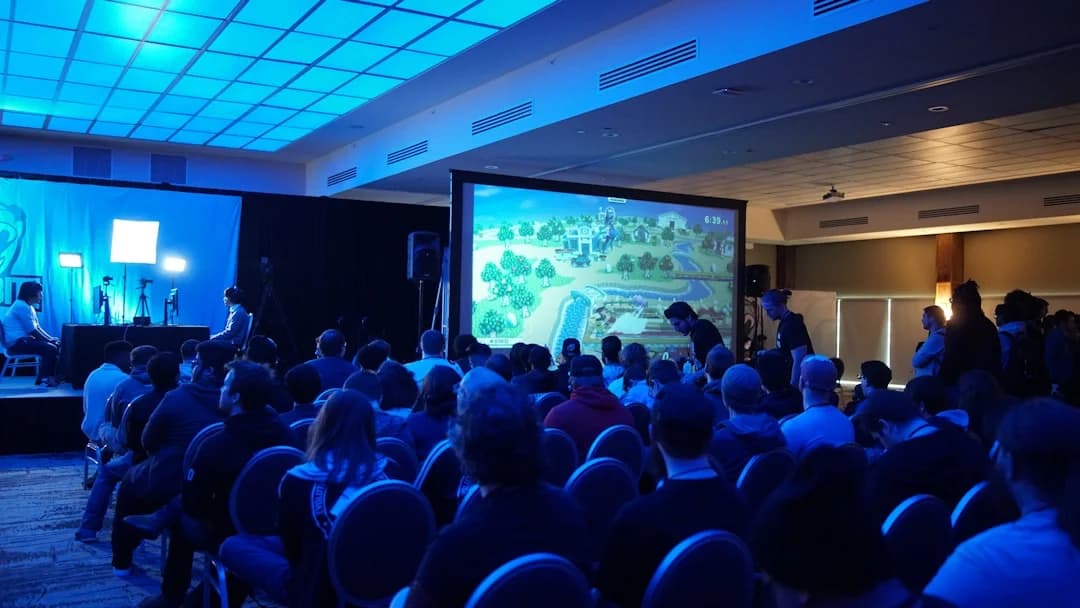
San Francisco woke up to a reimagined Games Week this March as the industry gathered for the Game Developers Conference 2026 at the Moscone Center. This Game Developers Conference 2026 SF Moscone recap arrives as the event—now branded as the Festival of Gaming—wraps up five days of sessions, demos, and deal-making, with a clear upshot for developers, publishers, and tech providers navigating a rapidly evolving market. The conference, which ran from March 9 to March 13, 2026, showcased how studios are adapting to a multi-device world, shaping AI-enabled workflows, and recalibrating expectations around funding and talent. The official organizers describe the shift from a traditional conference format to a more expansive, ecosystem-focused “Festival of Gaming” that still centers on professional developers but broadens participation across adjacent disciplines and platforms. This framing matters because it signals a broader industry move toward collaboration, cross-pollination, and practical tooling that can accelerate production cycles even as market headwinds persist. This Guild of sessions and exhibits—tied to the festival branding—offers a lived snapshot of where game creation stands today and where it’s headed tomorrow. The recaps that follow pull from the event’s official program, early coverage, and the 2026 State of the Game Industry report to present a data-driven view of what happened, why it matters, and what’s next for practitioners in the Bay Area and beyond. Game Developers Conference 2026 SF Moscone recap is not just a scheduling log; it’s a field report on developer priorities, investment signals, and technology trajectories that could shape product roadmaps for the rest of the year and into 2027. (developer.microsoft.com)
What Happened
Major announcements and sessions set the tone for a week that underscored convergence across devices, platforms, and development tools. The event’s official content—now framed by the Festival of Gaming umbrella—featured a wide slate of talks, hands-on labs, and sponsor showcases designed to help teams ship multi‑platform experiences more efficiently. On Monday, March 9, the festival opened with a busy schedule emphasizing machine learning, tooling, and cross‑platform workflows. The Xbox Developer Summit and related Xbox-focused content highlighted a central theme: building for a multi-device future where console, PC, cloud, and mobile experiences are stitched together with common services and tooling. The Microsoft-backed tracks included detailed explorations of DirectX, Windows development, and PlayFab, among other topics, and emphasized practical pathways for developers to scale their games across devices while preserving performance. This content, presented in part on Monday and carried through the week, reflected a broader industry push toward unified architectures and shared ecosystems across platforms. (developer.microsoft.com)
Section 1.1: Notable sessions and platform-focused tracks. The official GDC 2026 program page (as published by the event organizers) highlights a lineup that includes a mix of engineering deep-dives and design-focused panels. Highlights included “Building the Next Generation of Xbox,” “Foundation Mode for PlayFab,” “Future-Proof Your Game in a Multi-Device World,” and “DirectX State of the Union 2026: DirectStorage and Beyond.” These sessions illustrate a clear emphasis on performance, cross-device user experience, and developer productivity. The program pages and session blurbs show how publishers and engine creators are aligning development pipelines to reduce friction and accelerate release cadences. This reflects a broader industry trend toward modular, reusable components and shared back-end services rather than bespoke, one-off solutions for every platform. (developer.microsoft.com)
Section 1.2: Attendance and branding changes. Attendance figures have been a major talking point this year. Industry coverage and organizer statements indicate the rebranding to the Festival of Gaming accompanied a shift in attendance dynamics. Reports across trade press noted a drop from prior years, with the event drawing approximately 20,000 attendees, down from roughly 30,000 the year before. The shift in branding, coupled with economic and logistical factors, has implications for both exhibitors and the Bay Area’s service sector. The organizers emphasize that the Trends Report and SOTI survey remain core to understanding why the shift occurred and what it signals for 2027. (meetings.skift.com)
Section 1.3: Exhibitors, demos, and technology showcases. Coverage of floor activity pointed to hundreds of exhibitors and technology demos that highlighted AI-assisted workflows, creator tooling, and new engines and middleware concepts designed to speed up iteration cycles. Observers noted that the floor remained vibrant even as attendance edged lower, with exhibitors highlighting practical tools for studios of all sizes. The festival’s content and hall layout emphasized a pragmatic, “hands-on” approach to learning and collaboration, rather than a pure consumer-facing expo. This aligns with the festival’s orientation toward business and development outcomes, rather than a pure showcase of high-profile titles. (pocketgamer.biz)
Why It Matters
Industry sentiment, AI, and workforce dynamics are the throughlines driving the GDC 2026 Festival of Gaming narratives. The official 2026 State of the Game Industry (SOTI) report—released as part of the festival’s broader data program—paints a nuanced picture of how developers view current tools, hiring realities, and the potential role of generative AI in production pipelines. The report draws on responses from more than 2,300 game industry professionals and emphasizes both opportunity and risk in AI adoption, workforce transitions, and market conditions. The takeaway for practitioners: AI is widely used but polarizing in terms of its impact on the industry, and studios are recalibrating budgets, staffing, and partnerships in response to both macroeconomic pressures and evolving technology. The report’s release during the Festival of Gaming confirms that organizers want the data to guide conversations long after the conference floor quiets. (gdconf.com)
Section 2.1: Generative AI adoption and sentiment. The 2026 SOTI report highlights a significant delta in how developers view generative AI. A key takeaway from the release is that 36% of game industry professionals report using generative AI tools as part of their work, with higher usage in publishing and business operations areas. More striking is the sentiment: 52% of respondents say generative AI is having a negative impact on the industry, up from 30% in 2025 and 18% in 2024. This shift underpins ongoing debates about ethics, IP, and the balance between automation and creativity. The data point is supported by the festival’s coverage and the official SOTI release. For readers seeking context outside the numbers, the discourse around AI at GDC 2026 included sessions on AI-assisted design, performance optimization, and industry concerns about displacement. > Generative AI sentiment hit a new high for risk, according to the festival’s survey. (gdconf.com)
Section 2.2: Industry structure, funding, and workforce. The trends report also flags changes in funding approaches, the rise of co-development studios, and evolving publishing dynamics as central to the current market. Indie developers face different funding pressures than AAA teams, and the report highlights divergent priorities across segments. The trends analysis is reinforced by coverage across industry outlets. The core message: financing, partnerships, and go-to-market strategies are shifting in a way that favors collaborations and shared infrastructure, rather than traditional, large upfront investments. (reg.gdconf.com)
Section 2.3: Attendance as a signal, not just a number. Attendance numbers—roughly 20,000 versus last year’s near-30,000—have been interpreted by industry observers as an indicator of broader market headwinds, cost considerations for attendees, and a reorientation toward a more focused, business-first format. Skift’s industry coverage framed the attendance decline as a meaningful signal about how the market is adapting to a year of layoffs, consolidation, and shifting investment priorities. The Bay Area’s tech ecosystem faces evolving demand for talent, real estate, and event sponsorship, all of which intersect with GDC’s new branding and programmatic priorities. The data suggests a transitional moment rather than a detour; what happens next will depend on how organizers and the broader ecosystem respond to these signals. (meetings.skift.com)
Section 2.4: Regional and ecosystem implications for the Bay Area. GDC’s return to San Francisco—plus the shift to Festival of Gaming—has concrete implications for local hotels, convention services, and technology clusters that rely on high-visibility industry events. While the festival aims to broaden participation across disciplines and technologies, a lower in-person turnout can affect adjacent sectors that count on peak-season occupancy and business-to-business interactions. The branding change and attendance trajectory are widely discussed in trade coverage, with analysts noting both opportunity (for deeper integration with local innovation ecosystems) and risk (for festival revenue models and the pacing of future editions). (meetings.skift.com)
What’s Next
Looking ahead, the Festival of Gaming organizers and the broader industry ecosystem signal several critical trajectories for 2026 and 2027. The event’s content roadmap, together with the SOTI and Trends reports, points to concrete steps developers and stakeholders should monitor.
Section 3.1: Continued emphasis on multi-device development and tooling. The Xbox Dev Summit materials and related GDC 2026 tracks emphasize a future in which games run across devices with shared services, tooling, and performance standards. The emphasis on Foundation Mode for PlayFab, DirectX advancements, and Windows development tools suggests a push toward consolidating back-end services, engine features, and cross-platform pipelines to reduce the time from concept to launch. Observers should watch for updates to development pipelines, engine adapters, and platform-specific optimizations announced in the wake of GDC. (developer.microsoft.com)
Section 3.2: AI integration and developer sentiment. The industry's evolving stance on generative AI—captured in the SOTI report and echoed in multiple post-GDC analyses—will shape product strategies in 2026 and beyond. With 36% of practitioners using AI tools and half of respondents expressing concern about AI’s impact, studios will calibrate where AI accelerates production and where it raises risk, including IP issues, quality control, and creative direction. This tension is likely to drive more targeted sessions, developer tooling, and best-practice guidelines at future GDC editions. The official SOTI material and related coverage provide a baseline for expectations. (gdconf.com)
Section 3.3: Industry funding and collaboration trends. The Trends Report underscores a shifting landscape in indie and studio collaboration, with more emphasis on co-development and new funding models. For Bay Area readers and industry watchers, this could translate into more joint ventures, accelerator-style programs, and investment activity aimed at reducing risk through shared development pipelines and early-stage funding aligned with platform ecosystems. The Trends Report offers a framework for interpreting these shifts, and coverage in outlets like PocketGamer.biz and GamesRadar provides accessible interpretations of the same data. (reg.gdconf.com)
Section 3.4: What to watch in 2026-2027. The festival’s move toward a broader ecosystem focus suggests ongoing evolution rather than a one-time pivot. In the near term, developers should monitor: updates to engine toolchains and cross-platform publishing support, new publisher–indie partnerships, and the continuing integration of AI-assisted workflows into production pipelines. The official Trends and SOTI pages, together with session recaps and industry analyses, provide a roadmap to what will likely be emphasized at future events and in industry reporting. (reg.gdconf.com)
Closing
The Game Developers Conference 2026 SF Moscone recap, as presented through the Festival of Gaming lens, offers a data-driven snapshot of a generation-defining moment for the industry. It confirms a shift toward multi-device tooling, practical AI-enabled workflows, and more collaborative funding structures, even as attendance dynamics and market headwinds influence how the community engages with the event format. For Bay Area readers and technology observers, the event’s outcomes matter not just for the companies on the floor, but for the broader ecosystem that supports game development—from toolmakers and service providers to talent pipelines and research institutions.
Staying informed will require following both the organizers’ official channels and independent coverage. The 2026 Trends Report and the 2026 State of the Game Industry provide the most authoritative data points, while outlets like GamesRadar, GamesBeat, and PocketGamerBiz translate those insights into practical takeaways for developers, investors, and platform partners. As studios refine strategies for 2026 and beyond, the Festival of Gaming’s emphasis on measurable tooling, collaborative production, and responsible use of AI offers a pragmatic playbook for navigating a transforming industry. For readers seeking ongoing updates, the SF Bay Area Times will continue to track not only what was announced at GDC but also how these developments reshape the region’s technology and market dynamics.
To stay updated, follow the Festival of Gaming’s official channels and our ongoing coverage that ties event milestones to real-world market signals—keeping you informed about the pathways from conference halls to production floors. The Bay Area’s tech ecosystem remains a powerful barometer for where the industry is headed, and the ongoing dialogue about AI, funding, and collaboration will shape investment decisions, hiring, and product roadmaps well into 2027. The Game Developers Conference 2026 SF Moscone recap thus functions not simply as a retrospective, but as a forecast for what developers, publishers, and technologists should plan for in the year ahead. (developer.microsoft.com)