Hi Neighbor Waterfront SF Restaurant 2026 Opens Mission Bay

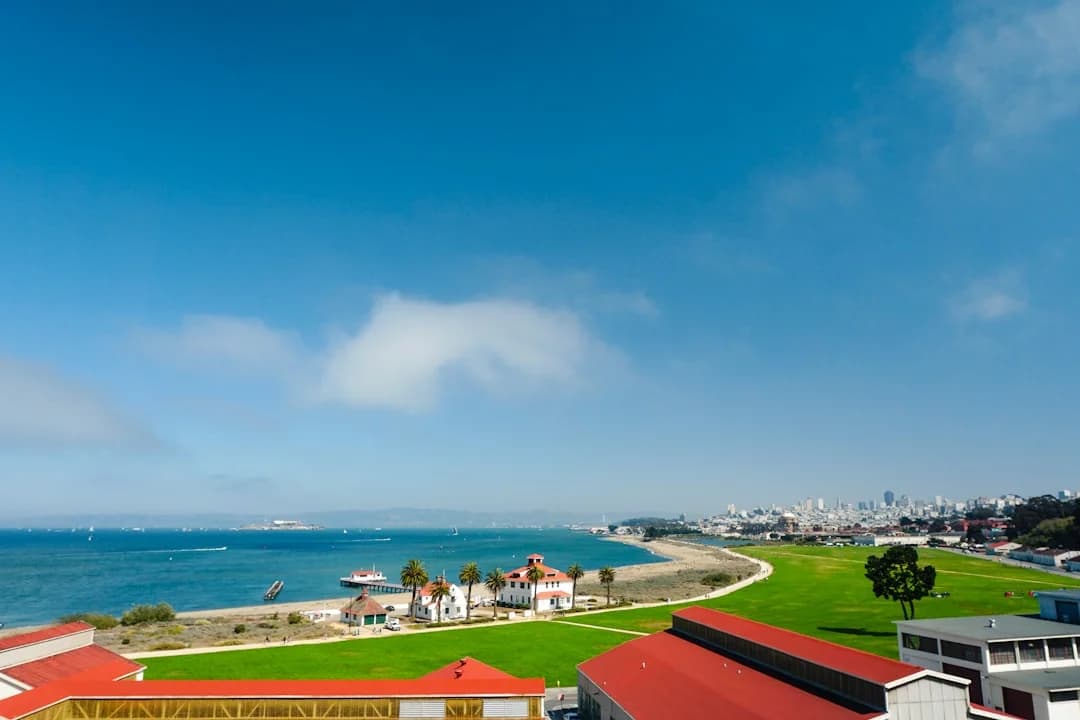
Photo by Antonio Gabola on Unsplash
San Francisco’s waterfront dining scene is poised for a notable milestone with the Hi Neighbor Hospitality Group announcing a new waterfront restaurant in Mission Bay that is scheduled to debut in fall 2026. The news lands at a moment when Mission Bay is continuing its transformation into a mixed-use hub that blends living space, office presence, and leisure amenities along the water. The Hi Neighbor project places a spotlight on the city’s ongoing effort to revitalize its waterfront districts while balancing residential, commercial, and tourism-driven activity. The announcement confirms the group’s push to broaden its footprint beyond its existing portfolio, signaling both strategic growth and an effort to meet rising demand for diversified dining experiences near major urban attractions like Oracle Park. This development matters for stakeholders ranging from local workers and residents to visitors who seek high-quality waterfront dining with convenient access to game-day and entertainment corridors. The timing also aligns with broader market patterns showing renewed investor confidence in high-visibility Bay Area food-and-beverage concepts, particularly those that pair indoor-outdoor setups with premium water views. Hi Neighbor waterfront SF restaurant 2026 is not just a new restaurant opening; it’s a signal about how San Francisco’s hospitality sector is recalibrating to balance luxury dining with public-facing accessibility. (sfchronicle.com)
What Happened
Announcement Details In a move that underscores the Bay Area’s continued investment in waterfront hospitality, Hi Neighbor Hospitality Group announced on February 12, 2026 that it will open a to-be-named waterfront restaurant at 185 Berry Street in Mission Bay. The venue is positioned directly across from Oracle Park, amplifying its appeal to post-game crowds, office workers, and residents who frequent the revamped Mission Bay corridor. The press materials describe a “fine dining–caliber experience” led by Hi Neighbor Executive Chef Jason Halverson, with a concept designed to complement the surrounding development and nearby attractions. The project’s stated address and siting—Mission Creek within Mission Bay—place the restaurant at a strategic intersection of urban renewal and waterfront accessibility. (sfchronicle.com)
Architectural vision and interior design The project is described as a 4,400-square-foot space built within a historic building on Mission Creek, with expansive indoor and outdoor areas crafted to maximize water views and seasonal comfort. The design, led by Cass Calder Smith, emphasizes light-filled spaces, floor-to-ceiling retractable windows, and a patio that can be enjoyed year-round thanks to heated awnings and adaptable layout options. A lounge area and a reservable fire-pit enclave are highlighted as core features, reinforcing Hi Neighbor’s penchant for hospitality that blends social warmth with refined service. The architectural emphasis on transparency and water-facing angles is intended to create a sense of openness that resonates with visitors and locals alike. (sfchronicle.com)
Ownership and project leadership Hi Neighbor Hospitality Group leaders—Ryan Cole, Tai Ricci, Jason Halverson, and Lucas Bierbower—will oversee the new concept, continuing the group’s track record of operating multiple acclaimed Bay Area venues. The team’s existing portfolio includes The Vault Steakhouse, Vault Garden, Trestle, and 7 Adams, among others, illustrating a strategy of leveraging a diverse set of concepts across different neighborhoods. The Mission Bay project is also connected to broader real-estate collaborations in the area, with McCarthy Cook serving as the building’s property management partner and guiding renovations that accommodate the new restaurant’s footprint and service model. This collaboration underscores the interplay between hospitality, real estate development, and urban placemaking that characterizes Mission Bay’s ongoing evolution. (sfchronicle.com)
Context within Mission Bay and the broader market The announcement arrives amid a broader wave of Mission Bay developments aimed at strengthening the neighborhood’s live-work-play appeal. Mission Bay has seen substantial investment in mixed-use campuses, entertainment options, and water-oriented experiences designed to attract both corporate tenants and leisure travelers. The Hi Neighbor project is framed as part of this trajectory, positioning the new waterfront restaurant as a centerpiece of a growing cluster of dining options and experiences around Oracle Park and adjacent waterfront promenades. The combination of a premier location, high-end design, and Hi Neighbor’s operating pedigree suggests a model that seeks to convert casual waterfront visits into longer, repeatable dining experiences that extend beyond ballgame nights. (sfchronicle.com)
Timeline and next steps According to official communications and reporting, the Mission Bay waterfront restaurant is slated to open in the fall of 2026, with some outlets indicating a target window as late summer to early fall, including a September projection in at least one account. Construction and permitting activity were already underway by February 2026, and the project’s team has described a phased approach to finalize fit-out, staffing, and soft-opening phases in anticipation of a full public opening later in 2026. The timeline aligns with a broader pattern of Bay Area hospitality openings that seek to capitalize on the region’s improving economic indicators and renewed consumer confidence in dining out. (sfchronicle.com)
Section 1: What Happened in Detail
Announcement Timeline
- February 12, 2026: Hi Neighbor Hospitality Group publicly confirms plans for a waterfront restaurant at 185 Berry Street in Mission Bay, SF, across from Oracle Park, with a fall 2026 opening target. This milestone is described in major local outlets as part of a broader Mission Bay renewal push. (sfchronicle.com)
- February 2026 onward: The project enters a construction and permitting phase typical for a high-profile waterfront site, with renovations led by the building’s management and architectural framework designed to accommodate a dining concept that blends seating, lounge, and private-event capacity. The timeline anticipates a late-2026 public opening, subject to standard permitting and testing of operations. (sfchronicle.com)
- September 2026 (target window cited by some outlets): A subset of reporting suggests a September opening as the provisional milestone, reflecting the confidence of Hi Neighbor’s leadership in a measured, staged rollout that balances construction pace with readiness for service. The official communications reference “fall 2026” as the operative window. (sfgate.com)
Site and Design Details
- Location and views: The restaurant sits at 185 Berry Street in Mission Bay, directly across from Oracle Park, leveraging water views and the nearby stadium’s foot traffic to anchor its audience. The vantage point is emphasized by the developers as a defining feature of the concept’s appeal to both locals and visiting fans. (sfchronicle.com)
- Size and layout: The project comprises 4,400 square feet of space, including a main dining room designed to seat 50–60 guests, plus a dedicated lounge area and a private dining room suitable for large groups. A key architectural element is the floor-to-ceiling retractable windows, enabling a flexible indoor-outdoor experience that can scale with seasonal demand. In cooler periods, outdoor heating and heated awnings are anticipated to maintain comfort levels for al fresco dining. (sfchronicle.com)
- Design team and culinary leadership: Cass Calder Smith is the lead architect for the project, bringing experience on Bay Area hospitality venues, while Jason Halverson will oversee the menu as executive chef. The approach centers on a refined yet shareable dining concept, with a phased build-out that prioritizes a strong beverage program and a cafe component in later phases. Quotes from project leadership emphasize a balance between sophistication and accessibility, aiming to attract a broad clientele from pre-game to post-game crowds and local office workers. > “Because our space will be indoor-outdoor, if you’re sitting at a fire pit or you’re sitting at your table, you can literally see the Jumbotron in Oracle Park while looking at the water views,” the co-owner noted in interviews. (sfgate.com)
Section 2: Why It Matters
Economic and neighborhood impact

The Mission Bay waterfront project sits at an intersection of urban renewal, tourism, and daily commercial life. The development’s inclusion of a fine-dining–caliber waterfront restaurant near Oracle Park is consistent with Mission Bay’s recent trajectory toward creating a diversified dining and entertainment ecosystem. The neighborhood has been advancing a water-oriented, mixed-use identity that supports hotel stays, office activity, and evening economies that extend beyond ballgames. Analysts and local observers point to this momentum as a factor that can attract more daytime and early-evening foot traffic to the area, with potential spillover benefits for nearby retailers and service providers. The new restaurant is positioned to contribute to this ecosystem by providing a high-quality dining option that complements existing and upcoming offerings in the district. (sfchronicle.com)
Market context and competitive dynamics
Hi Neighbor’s portfolio—encompassing venues like The Vault Steakhouse, Vault Garden, Trestle, and 7 Adams—provides the group with a track record for delivering polished, hospitality-focused concepts in diverse neighborhoods. This background supports anticipated demand for a waterfront concept that can operate at a premium while remaining accessible to a broad audience, including fans attending Oracle Park events and workers in nearby campuses. The Bay Area restaurant scene is increasingly driven by experiences that combine striking views with refined culinary programs, and the Mission Bay project is well-timed to capture this demand. The SFGATE coverage frames the project as part of a broader trend toward ambitious, view-oriented dining that can anchor a neighborhood’s nighttime economy. (sfgate.com)
Operational strategy and guest experience
Early statements indicate that the hi-neighbor concept intends to balance a refined menu with social dining formats. The plan includes a main dining room, a lounge area, private dining options for large groups, and a forthcoming on-site cafe. The menu is described as refined but designed for sharing, a strategy that aligns with contemporary Bay Area dining preferences for communal experiences and flexible dining formats. The project’s design emphasizes versatility, enabling it to serve both pre- and post-game crowds and nearby office workers, a slice of the market many waterfront venues seek to attract. The line of sight toward water and the Oracle Park Jumbotron is anticipated to be a distinctive draw for guests seeking a scenic backdrop to their meals or beverages. (sfgate.com)
Community and tourism implications
For residents and visitors, the new waterfront restaurant could become a recognizable anchor within Mission Bay’s waterfront promenade, expanding options for daylight leisure and evening dining. The Oracle Park-adjacent location is expected to get a share of game-day traffic, while the overall Mission Bay renewal continues to attract non-game-day visitors seeking architectural interest, water views, and a complete dining experience. The press materials emphasize a broad audience—from neighbors to traveling guests—emphasizing inclusivity in service style and pricing that can cater to families, business groups, and couples seeking a refined but accessible experience. The broader context of local economic indicators—office leasing and retail activity—also suggest a stabilizing environment for hospitality investments like Hi Neighbor waterfront SF restaurant 2026. (sfchronicle.com)
What’s Next
Construction progress and opening readiness
With construction underway, the project’s schedule points to a September 2026 opening as a target for public operations, aligning with the fall dining season and the broader calendar of Mission Bay openings. The build will need to navigate permitting milestones, interior fit-out, staffing, and a staged soft-launch before a full-scale public debut. The leadership behind the project indicates a careful ramp-up that prioritizes consistency in service, menu quality, and guest experience, with the architectural shell and interior design already optimized to deliver a signature waterfront ambiance. Stakeholders will monitor progress through regular updates from Hi Neighbor and local outlets that track Mission Bay’s hotel and restaurant openings. (sfgate.com)
Operational and menu considerations
The restaurant’s concept centers on a refined dining experience with a shareable menu approach, curated by Hi Neighbor Executive Chef Jason Halverson. While menu specifics remain under wraps, the emphasis on a dining experience that can accommodate both small groups and larger events suggests a versatile program that can adapt to different time blocks—from a pre-game cocktail hour to a full dinner service. The on-site cafe and elevated beverage program are anticipated as components that will expand the venue’s daily hours and revenue streams, contributing to a broader daily footfall in the Mission Bay area. This approach mirrors Hi Neighbor’s broader strategy across its portfolio, which often blends hospitality sophistication with accessible pricing and a guest-centric service model. (sfgate.com)
What to watch for in the coming months
- Permitting and site readiness: Updates from McCarthy Cook and the city will provide visibility into permit approvals, street improvements, and utility readiness, all of which influence the opening timeline and initial operations.
- Construction milestones: Periodic disclosures about structural completion, interior fit-out progress, and exterior landscaping will offer a gauge of readiness for soft-launch phases.
- Market reception and reservations: As opening approaches, industry observers will watch reservation trends, guest feedback from early dining sessions, and the restaurant’s ability to balance high-demand periods with walk-in traffic.
- Community engagement and partnerships: The Hi Neighbor team has a history of leveraging community partnerships; observers will look for collaborations with local producers, beverage programs, and cultural events that could enhance the waterfront experience and reinforce Mission Bay’s public-facing identity. (sfgate.com)
Closing
The Hi Neighbor waterfront SF restaurant 2026 project marks a notable milestone in San Francisco’s waterfront dining narrative, aligning a high-caliber architectural and culinary approach with Mission Bay’s ongoing redevelopment. The combination of an across-from-Oracle Park location, a 4,400-square-foot footprint, and a design that blends indoor-outdoor spaces makes this project a focal point for discussions about urban placemaking, economic revival, and the evolving tastes of Bay Area diners. As the fall 2026 timeframe approaches, stakeholders—from neighboring businesses to visiting fans—will be watching closely to gauge how the concept translates from announcement to operation and how it contributes to the broader arc of San Francisco’s waterfront strategy. For readers seeking updates, local outlets and Hi Neighbor’s communications channels will provide ongoing coverage as the project advances toward its opening and subsequent operations. (sfchronicle.com)
In the coming months, the restaurant’s progress will offer a tangible signal about San Francisco’s post-pandemic recovery and its ability to attract new, polished dining experiences to key waterfront districts. As Mission Bay continues to mature, the Hi Neighbor waterfront SF restaurant 2026 project may serve as a benchmark for how premium hospitality concepts integrate with public waterfront access, sports culture, and urban renewal to shape a more vibrant cityscape. The public will likely experience a mix of anticipation and scrutiny as the team finalizes menus, calibrates service rhythms, and prepares to welcome guests to a new era of Bay Area waterfront dining. (sfgate.com)