Michelin Key Hotels Luxury Travel Guide SF News Update

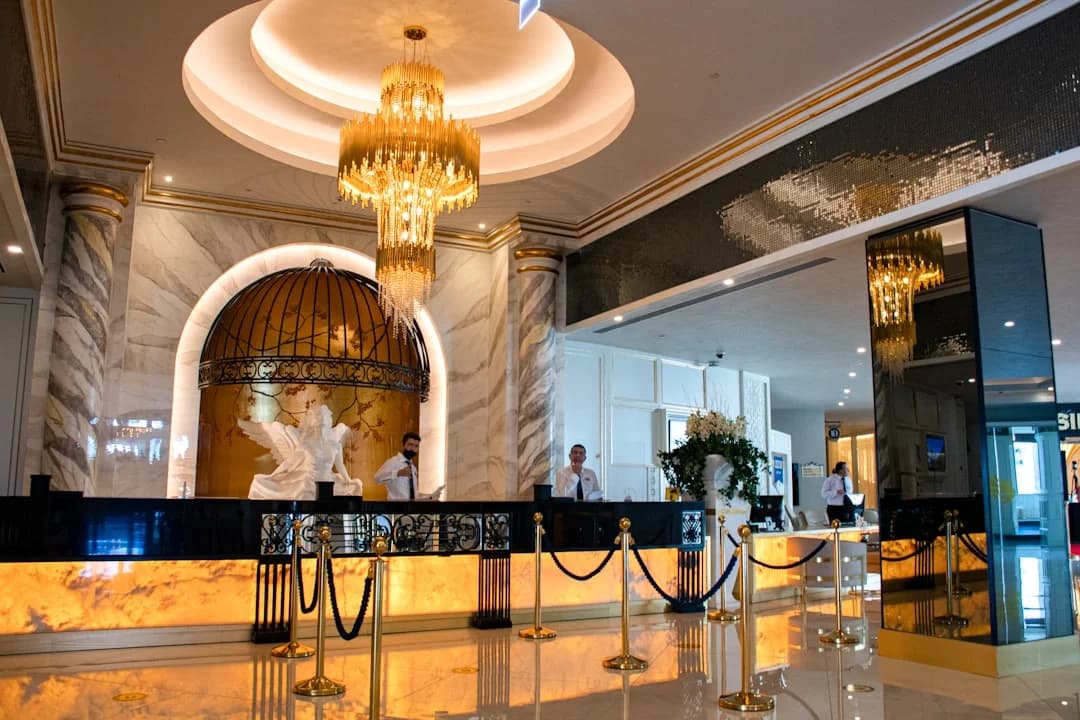
Photo by Oswald Elsaboath on Unsplash
In a move that could reshape how luxury travelers plan stays, the MICHELIN Guide announced a significant update to its MICHELIN Key hotels program in late 2025, signaling broader global expansion and deeper standardization of hotel excellence. The official MICHELIN Keys announcement, issued on October 9, 2025, outlined updated Key distinctions across regions, new entrants into the catalog, and a refreshed framework designed to elevate guest experience while aligning with evolving expectations for luxury hospitality in a digital-first travel landscape. This marks a milestone in the evolution of the michelin key hotels luxury travel guide, as the program extends beyond traditional hotel rankings to a more expansive, globally harmonized standard that travelers and hospitality brands can rely on for decision-making. The latest release details how many properties earned One, Two, and Three MICHELIN Keys in 2025 and highlights the regional balance of awards, with notable growth in Asia and continued maturation in North America. (peninsula.com)
The MICHELIN Key program, long described by MICHELIN as the hotel equivalent of their celebrated restaurant stars, has moved from a niche distinction in select markets to a global credential that many luxury travelers now use as a planning filter. In official materials, MICHELIN notes that Keys recognize hotels that meet the highest standards of hospitality, service, and design, and that the award system has expanded to include more markets and a broader roster of properties than ever before. The expansion dovetails with a broader push to standardize hotel evaluation across regions, reinforcing the MICHELIN Key as a credible signal for discerning travelers. For readers of the michelin key hotels luxury travel guide, these developments offer clearer guidance on where to expect the most elevated stays, and they reflect a trend toward data-driven, criterion-based recognition in luxury hospitality. (ihgplc.com)
As industry observers digest the numbers and maps of new Key hotels, the implications for travelers, brands, and technology platforms become more pronounced. The 2025 MICHELIN Keys update tallies show a global mix of One, Two, and Three Key properties, underscoring both breadth and depth in the program’s coverage. The press release from October 2025 notes that the worldwide tally includes 1,742 One Key hotels, 572 Two Key hotels, and 143 Three Key hotels, reflecting a steady expansion in high-quality accommodations while preserving stringent standards that distinguish the best of the best. This growth has implications for how travel platforms curate results, how brands allocate marketing resources, and how corporate travel buyers evaluate hotel options in a competitive landscape where guest experience is increasingly quantifiable. (peninsula.com)
Section 1: What Happened
Global expansion and key counts
A new era for the MICHELIN Keys
The October 2025 MICHELIN Key announcement confirms a renewed global standard for hotel excellence and highlights the program’s expanded geographic reach. Asia received notable attention in the update, with new Key hotels recognized in markets such as Japan and Thailand, alongside the first Key hotels in several other Asian countries, marking a leap in MICHELIN’s hotel coverage on the continent. This broader regional footprint is paired with a continued refinement of the criteria used to award Keys, reinforcing the idea that the michelin key hotels luxury travel guide is moving toward a more uniform, internationally recognizable benchmark. The expansion aligns with MICHELIN’s stated goal of elevating hospitality experiences across diverse travel ecosystems, from luxury urban hotels to boutique retreats that demonstrate consistency, character, and value. (michelin.com)
U.S. market growth and notable newcomers
In the United States, MICHELIN Keys are increasingly a reference point for both travelers and hoteliers. The MICHELIN Keys program entered the U.S. market with an inaugural cohort of hotels that demonstrated the standards of the new global framework, and the program has continued to add properties across major metro areas and resort destinations. A 2024 wave of U.S. recognition brought attention to several markets, including Washington, D.C., where multiple hotels earned Keys in the first U.S. iteration of the program. This early U.S. adoption helped catalyze the adoption of Keys as a credible signal of quality among both leisure and business travelers and among online travel agents and meta-search platforms seeking to present validated luxury options. As the 2025 update rolled out, U.S. entries included a mix of established luxury brands and independents, reflecting a broad appeal to travelers seeking consistent, highly curated experiences. (axios.com)
Notable entrants and regional highlights
Specific examples of notable entrants in 2025 included properties that received multiple Keys, including certain emblematic hotels in iconic destinations. The MICHELIN Keys program celebrated a range of hotels that meet or exceed the criteria for Two and Three Keys, underscoring the program’s role in spotlighting properties with superior service, design, and guest satisfaction. In parallel, regional coverage expanded, with official MICHELIN communications highlighting how the Keys designation is being applied in new territories, sometimes elevating previously under-the-radar properties into the spotlight of luxury travelers. Independent hotel groups and luxury brands alike have shown interest in aligning with the MICHELIN Keys framework as a marketing and quality assurance tool, reflecting a broader industry trend toward standardized, third-party validation of hospitality quality. (peninsula.com)
Implications for hotel operators and hospitality brands
Competitive differentiation through a standardized signal
For hoteliers, earning or upgrading a MICHELIN Key is presented as a credible signal to guests and partners that the property meets rigorous, standardized criteria for service, atmosphere, and value. The official framing positions Keys as a coherent upgrade path for hotels seeking to demonstrate excellence without the variability that can accompany brand-specific loyalty programs. This standardized signal can influence both direct bookings and distribution through travel platforms, where travelers increasingly rely on third-party validation of quality rather than solely on price or brand names. The 2025 update illustrates how a global standard can help hotels articulate a clear value proposition to travelers whose choices are increasingly data-driven and influenced by curated content and verified ratings. (ihgplc.com)
Market signals for luxury travel demand
From a market perspective, the MICHELIN Key program helps illuminate where luxury travel demand is concentrated and how that demand responds to credible quality signals. As MICHELIN expands into new regions and strengthens its domestic coverage in the United States and Canada, hoteliers in emerging and mature markets face a more predictable competitive landscape—one where Key status can influence occupancy mix, pricing power, and guest expectations. Industry observers note that the Keys framework supports not only consumer decision-making but also brand positioning, enabling hotels to articulate distinct value propositions tied to the level of service and ambiance that guests can anticipate during a stay. (michelin.com)
Impacts on travel tech and booking ecosystems
The MICHELIN Keys expansion has meaningful implications for travel technology platforms and booking engines. With a growing catalog of trusted, standardized Key hotels, platforms can improve search filtering, rank hotels by Key level, and present more granular data about what guests can expect in each category. This trend aligns with broader moves in the travel tech ecosystem toward more transparent, data-driven product discovery and decision support for luxury travelers. Analysts observe continued investments in AI-driven personalization, dynamic packaging, and richer hotel profiles, which can be leveraged to deliver more relevant recommendations and improved conversion rates for premium stays. (michelin.com)
Why it matters for the market: a broader context
Travelers, brands, and the role of credible signals
The michelin key hotels luxury travel guide now functions as a widely recognized credibility signal for travelers who want assurance about quality before committing to a premium price point. For brands, Keys serve as both a marketing differentiator and a quality control mechanism, consolidating a global standard that can reduce the perceived risk of booking an unfamiliar property in a new market. The expansion to Asia and continued growth in the Americas demonstrates MICHELIN’s strategic push to serve a global luxury traveler who moves across borders with high expectations for consistency. (michelin.com)
Economic implications for luxury hospitality
From an economic standpoint, the Keys program can influence room pricing, distribution strategies, and even capital investments in property upgrades. Properties earning Three Keys are positioned to command premium rates in many markets, while One Key and Two Key hotels may adjust positioning to align with guest expectations and competitive benchmarks. The 2025 data released by MICHELIN shows a broad distribution of Keys worldwide, signaling a healthy ecosystem where hotels of varying sizes and brands can participate in the luxury travel economy while benefiting from a respected standard of quality. This has potential knock-on effects for local tourism economics, labor practices, and the pace of renovation cycles in high-demand regions. (peninsula.com)
Regional variations and cultural considerations
Regional differences in hotel design, service standards, and guest expectations mean that MICHELIN Keys must adapt to a wide spectrum of hospitality cultures while maintaining a core set of universal criteria. The Asia-focused expansion, including markets that have historically pursued distinctive luxury experiences, suggests a growing alignment between Western-style luxury benchmarks and Asia-Pacific hospitality innovations. Observers note that this cross-regional standardization can help travelers compare experiences more directly, while still appreciating local nuances that contribute to a property’s unique character. (michelin.com)
Section 2: Why It Matters
Implications for travelers and booking platforms
Decision aids for complex itineraries
For travelers planning multi-destination trips, MICHELIN Keys offer a compact, credible filter that reduces the cognitive load of selecting luxury accommodations. The michelin key hotels luxury travel guide, as it evolves, can help travelers quickly identify properties that align with their priorities—whether that means exceptional design, standout service, or consistent value across a portfolio of stays. In practice, platforms that integrate Keys into search and discovery workflows can deliver more efficient, trust-based decision making, especially when travel budgets are high and expectations are precise. The 2025 expansion underscores how travelers can rely on an external, global benchmark rather than piecing together opinions from disparate reviews. (ihgplc.com)
Brand trust and loyalty dynamics
Hotels that earn and maintain MICHELIN Keys may benefit from enhanced brand trust and increased consideration in premium segments. While some guests may prioritize brand prestige or loyalty programs, Keys add a third axis—an external validation that cuts across branding alone and signals adherence to targeted quality standards. For hoteliers, this can translate into stronger direct-booking incentives and collaborations with premium travel experiences that align with the MICHELIN standard. In markets where the MICHELIN Keys have become more established, guests may cite Keys as a reason to choose one property over another with similar price points but without such an independent quality signal. (ihgplc.com)
Travel-metrics and data-driven planning
As MICHELIN expands Keys across more countries and regions, there is growing interest in how the program's criteria translate into measurable outcomes such as guest satisfaction scores, repeat visitation, and average daily rate (ADR) components. While MICHELIN publishes high-level data about Keys, the practical impact on hotel performance will depend on data-sharing practices, market maturity, and how hotels leverage Keys in marketing and operations. The broader trend toward data-driven travel planning means that consumers and industry analysts will increasingly expect transparent, auditable metrics around what constitutes a Three Key stay versus a One Key stay, and how those distinctions correlate with guest value. (michelin.com)
Economic impact on luxury hospitality
Market concentration and competition
The MICHELIN Key program contributes to market concentration in premium segments by elevating a subset of properties that meet strict criteria. This selective signaling can influence competitive dynamics, as properties vie to climb the Key ladder or maintain their status through ongoing investments, staff training, and design upgrades. The 2025 data confirms that the Key system now encompasses several hundred properties at multiple tiers in major markets, creating a broader, more visible map of high-quality stays for discerning travelers. This visibility helps travelers navigate markets with confidence and provides hoteliers with clearer benchmarks for investment and service enhancements. (peninsula.com)
Regional growth patterns and investment signals
As MICHELIN Keys broaden their footprint in markets ranging from the United States to Japan and beyond, investors and developers may view Key designation as a proxy for ongoing demand in luxury accommodation. Markets with rising Key counts could attract more capital for property renovations, boutique conversions, and new-build luxury hotels, while regions with slower Key growth might signal more selective competition or different consumer preferences. In either case, the Keys framework functions as a guidepost for capital allocation in the luxury hospitality landscape. (michelin.com)
Data standards and technological implications
A catalyst for standardized hospitality metrics
The MICHELIN Keys program introduces a standardized set of criteria for evaluating hotels, which helps harmonize how properties are compared internationally. While each market may tailor certain elements to local context, the overarching framework provides a common language for comparing service quality, design, and guest value. For technology platforms and industry analysts, this standardization can streamline data modeling, enable more consistent cross-market comparisons, and support the development of more sophisticated recommendation engines for luxury travelers. (michelin.com)
Integration with digital travel ecosystems
With an expanding roster of MICHELIN Key hotels, travel platforms have more high-quality properties to feature, and the need for accurate, up-to-date metadata about Keys grows. This includes property-level details, Key tier changes, and regional availability across booking channels. The growth of MICHELIN Keys aligns with broader industry trends toward enriched hotel profiles, machine-readable data feeds, and dynamic content that helps travelers understand what makes a stay exceptional. Hospitality technology vendors are likely to respond with enhanced integrations that pair Key data with review signals, loyalty programs, and curated experiences that highlight the unique character of MICHELIN Key hotels. (michelin.com)
What’s Next
Near-term expansion timelines and markets to watch
Asia and beyond
The 2025 MICHELIN Keys update highlights continued expansion into Asia, with new Key hotels recognized in countries such as Japan and Thailand and the introduction of Key designations in China, India, and other markets. This expansion signals MICHELIN’s commitment to a truly global luxury standard and suggests that travelers will increasingly encounter MICHELIN Keys during cross-border trips in the coming years. Watch for additional market-specific criteria adjustments and new hotel cohorts as MICHELIN scales its Asia-Pacific presence alongside its established footprint in North America and Europe. (michelin.com)
The United States and Canada
In North America, MICHELIN Keys have gained traction as a credible form of recognition that complements the MICHELIN Guide’s restaurant ratings. The United States continues to see new entries in several markets, with several properties in major cities achieving new Keys in 2024 and 2025 as part of the ongoing expansion. The DC region’s experience—where multiple hotels earned Keys in 2024—serves as a model for how major metro areas can leverage Keys to lift guest perception and drive upscale demand. As the program matures, expect more U.S. and Canadian properties to pursue Keys as a differentiator in an increasingly competitive luxury lodging market. (axios.com)
Next steps for hospitality brands and tech players
Strategic alignment with the MICHELIN Keys framework
For hospitality brands, aligning with MICHELIN Keys means more than chasing a badge; it involves aligning operations, service design, and guest experiences with codified standards that resonate with global travelers. Brands may invest in staff training, guest journey mapping, and continuous improvement programs to ensure ongoing compliance with Key criteria. The updated framework also invites partnerships with luxury travel agencies, concierge platforms, and curated experiences that fit the higher expectations associated with Three Key and Two Key properties. (ihgplc.com)
Technology and data partnerships
Tech vendors and platform operators may increasingly seek formal data-sharing arrangements with MICHELIN Guide properties to ensure real-time accuracy of Key status, regional availability, and property updates. This would enable more precise search filtering, dynamic content personalization, and richer hotel profiles that emphasize Key distinctions. The MICHELIN Keys program’s growth thus presents opportunities for data vendors, travel tech integrators, and AI-assisted recommendation systems to deliver more value to luxury travelers—while maintaining the integrity and credibility of the Keys framework. (michelin.com)
Consumer education and transparent communication
As the MICHELIN Key program expands, consumer education becomes important. Travelers benefit from clear explanations of what each Key means in terms of service levels, amenities, and guest experiences. Providers of travel content, including guidebooks and digital media, can play a critical role in translating Key distinctions into practical expectations for stays, dining experiences, and on-property programming. This educational layer is essential to maintaining trust in the michelin key hotels luxury travel guide as it broadens to new markets and new traveler segments. (ihgplc.com)
Closing
The MICHELIN Keys program has evolved from a regional novelty into a globally recognized standard that can influence where luxury travelers choose to stay and how hoteliers compete for premium bookings. The 2025 expansion, with its updated counts and broader regional reach, reinforces the MICHELIN Key as a credible, data-informed signal of hotel quality. For readers of the michelin key hotels luxury travel guide, these developments offer a clearer map of where to find consistently exceptional experiences, whether traveling for business, leisure, or a refined mix of both. As the luxury travel market continues to adjust to post-pandemic demand, high-quality stays that demonstrate enduring excellence will remain a core priority for travelers and brands alike, and the MICHELIN Keys framework will likely play an increasingly central role in guiding decisions, investments, and consumer trust. To stay updated, monitor MICHELIN Guide announcements and the MICHELIN Keys directory as the program expands its global footprint and refines its criteria to reflect evolving guest expectations. (peninsula.com)
For Bay Area travelers looking to explore the full catalog of MICHELIN-recognized hotels, Michelin Key Hotels provides a comprehensive, filterable directory of all MICHELIN Key properties worldwide — searchable by country, region, brand, and key tier.