Napa-Sonoma Sustainable Travel 2026: Data Update

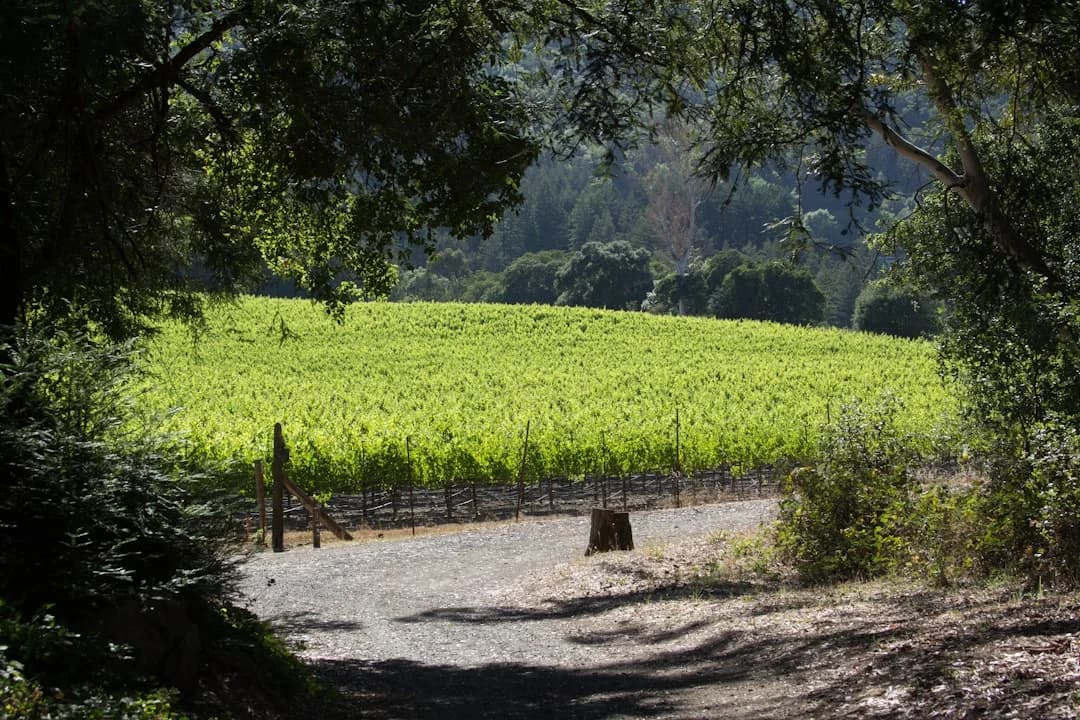
Photo by Maria Shayna on Unsplash
The Northern California wine country is entering 2026 with a sharpened focus on sustainable travel, powered by data-driven planning, new technology pilots, and a tightened emphasis on responsible visitation. Across Napa and Sonoma counties, regional tourism bodies are releasing updated sustainability roadmaps and piloting programs designed to reduce environmental footprints while enriching visitor experiences. This year’s developments come as destinations around the country lean into sustainability as both a competitive advantage and a social obligation. In Sonoma County, for example, a January 2026 update highlights ongoing investments in vineyard automation, regenerative agriculture, and destination stewardship that aim to balance growth with resilience. In Napa County, planners are detailing climate action measures that tie visitor travel to transport reduction, energy efficiency, and smarter land-use policies. Together, these efforts frame Napa-Sonoma sustainable travel 2026 as a regional, data-informed experiment in making wine country both welcoming and sustainable for the long term. (sonomacounty.com)
Early 2026 reporting also underscores a broader industry context: private-sector programs are expanding the footprint of sustainability in travel. Destination-management organizations are weaving environmental, social, and governance (ESG) signals into their marketing and product development, with hotels, wineries, and experiences participating in certified-sustainable schemes and grant-supported pilots. A prominent example from travel industry coverage notes that Sonoma County is actively embedding sustainability into its visitor economy through programs like Every Stay Gives Back and a growing slate of eco-certified winery experiences, signaling a market where travelers increasingly value verifiable green practices alongside memorable experiences. (travelpulse.com)
Opening Two Northern California counties are shaping a data-driven vision for sustainable travel in 2026, with Sonoma County accelerating tech-forward agriculture and eco-tourism initiatives and Napa County advancing climate-action measures that target travel-related emissions and transportation. In Sonoma County, the Winter 2026 update from Sonoma County Tourism highlights a major infusion of technology and innovation into the wine country’s farming and visitor experiences. The centerpiece is Reservoir Farms, the first on-farm robotics and automation hub linked to the Farm of the Future initiative, designed to test new tools in real vineyard blocks and accelerate adoption of labor-saving, sustainable practices. The plan anticipates bringing six startups into the incubator by late 2025, a signal that the county intends to turn agritech into a core economic and environmental lever for travel and tourism. Hyatt Place Sonoma Wine Country is slated to open in late 2026 as part of a broader hospitality expansion that aligns with the region’s sustainability ambitions and demand for modern, low-impact lodging. These developments come as part of a deliberate strategy to blend heritage experiences with cutting-edge sustainability tech, reinforcing Sonoma County’s position as a laboratory for sustainable travel innovation. (sonomacounty.com)
In Napa County, the climate-action framework published in early 2026 emphasizes reducing visitor vehicle miles traveled (VMT) and encouraging cleaner, more efficient transportation to and within wine country. A Public Draft of the Napa County Regional Climate Action and Adaptation Plan notes that a Visit Napa Valley-supported study estimated 3.7 million visitors in 2023 and outlines measures to promote transit use, active transportation, and electrification—policies that could reshape how tourists move around Napa Valley and neighboring wine regions. The document also flags potential funding mechanisms—such as tailored transportation demand management (TDM) programs and changes to parking requirements—that could align visitor access with emissions-reduction goals. Taken together, these Napa-focused actions reflect a 2026 moment in which policy levers, infrastructure planning, and tourism marketing converge to steer travel toward lower-carbon, higher-value experiences. (climateactionnapa.konveio.com)
The larger market context is clear: destinations that demonstrate credible sustainability credentials and tangible, tech-enabled improvements tend to attract travelers who want responsible, high-quality experiences. Travel industry coverage from early 2026 identifies Sonoma County as a leading example of destinations weaving sustainability into visitor experiences, including partnerships with programs like Kind Traveler that steer a portion of traveler proceeds to nonprofits, and a growing emphasis on eco-certified wine tastings and regenerative travel activities. The coverage emphasizes that sustainable travel is not only an ethical stance but a market signal that can influence booking choices and traveler loyalty. (travelpulse.com)
Section 1: What Happened
Sonoma County’s Winter 2026 Tech-Driven Sustainability Push
Digital agriculture as a travel differentiator
Sonoma County Tourism’s Winter 2026 update spotlights Reservoir Farms, the first on-farm robotics and automation hub for vineyards, as the flagship element of the Farm of the Future initiative. The site serves as a test bed for robotics, automation, and data-driven viticulture tools that address labor shortages, cost pressures, and the environmental footprint of wine production. Reservoir aims to host multiple startup collaborators and test blocks across 14 acres, with the expectation that these innovations will feed back into enhanced visitor experiences—tasting rooms that narrate data-driven farming stories, vineyard tours that showcase sensor networks, and more precise water and energy use. The incubator is positioned as a regional differentiator, aligning agricultural modernization with sustainable travel. The plan anticipates bringing six startups into the incubator by late 2025, underscoring a near-term tempo of execution that directly ties to 2026 travel experiences. (sonomacounty.com)
Hospitality expansion aligned with sustainability
The Winter 2026 update also highlights notable hotel activity that supports Napa-Sonoma sustainable travel 2026 by expanding lodging while emphasizing responsible design and operation. Madeira House, a new boutique stay on the Sonoma Coast in Jenner, and the Hyatt Place Sonoma Wine Country project near the Charles M. Schulz–Sonoma County Airport (STS) reflect a broader industry trend—investing in modern accommodations that minimize environmental impacts while offering high-quality guest experiences. Hyatt Place, slated to open in late 2026, is part of a broader upgrade in lodging capacity that complements sustainable travel practices by improving energy efficiency, water stewardship, and waste reduction across the guest journey. These hotel-level developments, together with wine country experiences, broaden the set of sustainable options for travelers seeking a well-curated, low-impact itinerary. (sonomacounty.com)
Governance and standards as strategic enablers
Beyond projects and new properties, Sonoma County Tourism emphasizes a governance framework for destination sustainability. In 2022, SCT joined the Global Sustainable Tourism Council (GSTC) as part of a broader commitment to aligned standards, capacity-building, and credible sustainability storytelling. The GSTC partnership anchors the region’s sustainability credentials in globally recognized criteria and helps ensure that local programs—ranging from vineyard certification to eco-certified winery experiences—adhere to recognized best practices. Claudia Vecchio, SCT’s President and CEO, has described GSTC membership as a way to map out the destination’s future and accelerate industry resilience. This governance layer underpins the Farm of the Future initiative and similar projects by providing a clear benchmark for what it means to be a sustainable destination. (fb101.com)
Napa County’s Climate Action and Transportation Focus
A 2023–2030 road map for visitor mobility
In Napa County, the Climate Action and Adaptation Plan public draft includes a dedicated focus on reducing vehicle miles traveled by visitors and improving transportation options to wine country. The plan cites a Visit Napa Valley study showing 3.7 million visitors in 2023, underscoring the scale of tourism-related transportation activity. To address emissions linked to visitation, the RCAAP outlines strategies for a visitor TDM program, closer coordination with regional transit authorities, and potential changes to parking policies to discourage car-dominant travel patterns. The document positions Napa County as a testbed for integrating travel demand management with regional transit infrastructure and local sustainability goals—an approach that could influence how travelers experience Napa Valley in 2026 and beyond. (climateactionnapa.konveio.com)
Financing the transition: parking, transit, and electrification
Key policy levers discussed in the RCAAP include funding mechanisms for transportation infrastructure, updating parking standards, and promoting active transportation options for visitors. The plan envisions exploring options such as reallocating transient occupancy taxes (TOT), introducing paid parking near wineries and events, and piloting e-bike or electric cargo-bike deliveries for local goods and services. These suggestions reflect a broader strategy to shift travel behavior while maintaining a welcoming visitor economy. The RCAAP also emphasizes electrification and zero-carbon equipment for local operations, pointing to a multi-year horizon in which Napa’s travel ecosystem gradually tilts toward lower emissions in the face of robust visitor demand. (climateactionnapa.konveio.com)
Private-Sector and Market Momentum
Programs that blend travel with social impact
A notable market signal comes from industry collaborations that tie traveler spending to local sustainability outcomes. Travel publication coverage in early 2026 highlights Sonoma County’s participation in public-benefit traveler programs like Every Stay Gives Back, where a portion of proceeds from travel bookings supports environmental and community initiatives. This kind of collaboration demonstrates how private-sector accommodations and experiences can drive verifiable impact while offering travelers a tangible way to contribute to local stewardship. The model complements the broader governance framework and signals a market-ready approach to value-based travel in Napa-Sonoma sustainable travel 2026. (travelpulse.com)
Industry accolades and visibility
The travel press also notes that Sonoma County’s sustainability story is resonating with national outlets and prestigious rankings. In 2026, Forbes Travel Guide included Sonoma County among its top destinations for travel, and U.S. News & World Report recognized the region as a top romantic getaway. These recognitions amplify the market signal that sustainability in wine country is not simply a niche trend but a widely acknowledged pillar of the visitor economy. The coverage aligns with the Sonoma County Tourism update and helps explain why travel brands are increasingly integrating sustainability into product development and marketing. (sonomacounty.com)
Section 2: Why It Matters
Why the 2026 push matters for travelers, communities, and the region
Economic resilience through sustainable growth
The Napa-Sonoma sustainable travel 2026 push matters because it ties visitor economics to long-term resilience. The RCAAP’s emphasis on reducing visitor-related emissions, supporting transit and active mobility, and promoting electrification is designed to maintain a high-quality visitor experience while safeguarding air quality and traffic conditions in a highly visited area. The plan’s 2023 visitor numbers (3.7 million) underscore the scale of travel in the region and the potential leverage that mobility changes could yield. When travelers choose lower-emission pathways and more sustainable lodging, the regional economy benefits from reduced congestion, enhanced visitor satisfaction, and a stronger brand for environmental stewardship. (climateactionnapa.konveio.com)
Credible sustainability standards fuel traveler trust
The incorporation of GSTC-aligned practices in Sonoma County—validated through its GSTC membership since 2022—helps ensure that sustainability claims have independent credibility. Consumers increasingly seek verifiable environmental credentials, and the combination of certified vineyards (with 99% of Sonoma’s vineyards certified sustainable) and eco-certified winery experiences provides a robust signal to visitors and industry partners alike that the region is serious about sustainable winegrowing and responsible tourism. This alignment between standards, certification, and visitor-facing experiences is a core driver of travel choice in 2026 and beyond. (fb101.com)
Innovation as a differentiator for visitor experiences
The tech-forward components of the Farm of the Future initiative—an on-farm robotics and automation hub designed to partner with startups and growers—signal a new era where the vineyard tour can be as informative about data-driven farming as about wine. As wineries and wine regions compete to attract visitors in a crowded market, presenting the agriculture that underpins sustainability—sensor networks, precision irrigation, drone-assisted monitoring—helps travelers understand the environmental benefits of modern viticulture. Sonoma County’s focus on agritech, together with the steady stream of new hotels and experiences that emphasize sustainability, positions the region to capture a new wave of tech-savvy travelers who value both high-end experiences and responsible practices. (sonomacounty.com)
Who is affected and how the ripple effects play out
Visitors
Travelers to Napa and Sonoma in 2026 can expect a broader spectrum of sustainable options: eco-certified wine tastings, farm-to-table experiences with explicit environmental credentials, and lodging that emphasizes energy efficiency and water stewardship. The attraction to “slow travel” and immersive, place-based experiences—such as the “The Remarkable Redwoods” and coastal foraging itineraries promoted in Sonoma’s story ideas—underscores a demand for meaningful connections with land, people, and sustainable practices. This aligns with industry coverage that highlights a growing appetite for slower, more intentional travel. (travelpulse.com)
Local businesses and communities
For local businesses, the transition to sustainable travel in 2026 offers new revenue opportunities that are tied to environmental stewardship. Programs like Every Stay Gives Back create a direct link between bookings and community support, and multi-stakeholder initiatives—from green lodging to certified farming—create a more resilient tourism ecosystem less vulnerable to shocks. The financial benefits of sustainability are complemented by social benefits as communities engage more deeply with visitors who value responsible, low-impact travel. (travelpulse.com)
Policy and governance
From a governance perspective, the combination of GSTC-aligned standards, destination-driven master plans, and climate-action planning provides a structured approach to sustainable travel that can be audited and updated. The GSTC membership, the Destination Stewardship and Resiliency Master Plan framework, and the RCAAP collectively create an ecosystem in which private and public actors coordinate around shared goals and measurable outcomes. In Napa, the RCAAP’s emphasis on reducing VMT and expanding transportation options offers a clear policy pathway for aligning infrastructure investments with visitor behavior. (fb101.com)
Market signals and competitive context
National and global credibility

Photo by Adam Juman on Unsplash
National and global recognition of Napa-Sonoma sustainable travel 2026 is reinforced by media and rankings that spotlight the region’s sustainability story. Forbes Travel Guide’s 2026 recognition of Sonoma County, combined with media attention around sustainable travel initiatives and eco-friendly experiences, helps position the region as a credible, forward-looking destination. In a broader sense, the emphasis on sustainable and tech-enabled travel aligns with a global trend toward responsible, data-driven destination management, which can attract a new cohort of travelers who want measurable environmental outcomes from their journeys. (sonomacounty.com)
Industry partnerships and stakeholder alignment
The collaboration between destination organizations, hotels, wineries, and technology partners demonstrates a market-ready model for sustainable travel in 2026. The private sector’s role—through programs like Every Stay Gives Back and private-public partnerships in agtech and sustainability—helps scale the impact of public policy and planning. This alignment matters for travel marketers who aim to tell a consistent story about Napa-Sonoma sustainable travel 2026 across hotels, experiences, and transportation options. (travelpulse.com)
Section 3: What’s Next
A timeline of near-term milestones and long-term milestones to watch
2026 milestones and near-term developments
- Opening of Hyatt Place Sonoma Wine Country in late 2026, expanding midscale lodging with a sustainability-forward design and operational practices. This is part of a broader lodging expansion in Sonoma County designed to meet growing demand for wine-country stays with lower environmental footprints. (sonomacounty.com)
- Continued progression of Reservoir Farms and the Farm of the Future initiative, with ongoing tests, partnerships, and potential spin-offs that can translate into enhanced vineyard tours, data-enabled vineyard management, and visitor education about sustainable farming practices. The incubator’s plan to onboard six startups by late 2025 provides a pre-2026 baseline for expected tech innovations that will begin to influence 2026 travel experiences and after. (sonomacounty.com)
- Wardrobe of new or expanded eco-friendly winery experiences and sustainable-wine-focused programming that aligns with certification standards and regional marketing campaigns (e.g., eco-certified tastings, sustainable farming storytelling, and nature-based experiences). Sonoma County’s ongoing emphasis on sustainable winery experiences is highlighted in its county tourism content, which positions sustainability as a core value proposition for visitors. (sonomacounty.com)
2027 and beyond: scaling and accountability
- The governance framework—GSTC alignment, the Destination Stewardship Master Plan, and RCAAP-based funding and infrastructure strategies—should mature into a more formalized, data-driven system for measuring travel’s environmental footprint and visitor benefits. Expect published KPI dashboards, more transparent certification reporting, and expanded transit and electrification pilots as part of the ongoing evolution toward Napa-Sonoma sustainable travel 2026+.
What to watch for in the near term:
- Transportation policy experiments in Napa County, including pilot programs for visitor TDM, e-bike delivery pilots, and potential parking policy changes, which could begin to appear in municipal or county budgets and public hearings. The RCAAP’s measures suggest active consideration of these levers in 2026–2027. (climateactionnapa.konveio.com)
- Implementation of the Farm of the Future initiative’s startups, with early deployments in vineyards and demonstration projects tied to guest experiences, education programs, and marketing storytelling about sustainability-driven farming practices. (sonomacounty.com)
- Certification and labeling developments across wine regions that reinforce consumer trust in sustainability claims, supported by the Sonoma County Winegrowers and related organizations’ ongoing work to certify sustainability across vineyard acreage. The 99% certification stat remains a frequently cited benchmark that travels with the region’s marketing and education efforts. (sonomawinegrape.org)
Closing As Napa-Sonoma sustainable travel 2026 unfolds, travelers will find a broader array of credible, sustainability-forward choices—from on-farm robotics demonstrations in Sonoma’s vineyards to transportation improvements and zero-emission infrastructure in Napa’s visitor corridors. The convergence of governance standards, industry partnerships, and market signals signals a travel landscape where responsible design, authentic experiences, and technology-driven efficiency co-exist with the region’s celebrated wine heritage. For readers and travelers, this year offers an opportunity to engage with wine country in a way that supports local communities, protects natural resources, and helps ensure the region remains a premier destination for generations to come. To stay updated, follow Sonoma County Tourism and Visit Napa Valley for ongoing reporting on 2026 sustainability efforts, new hotels, and the latest in vineyard innovation and visitor experiences. (sonomacounty.com)