Omakase Market Opens in South San Francisco Biotech

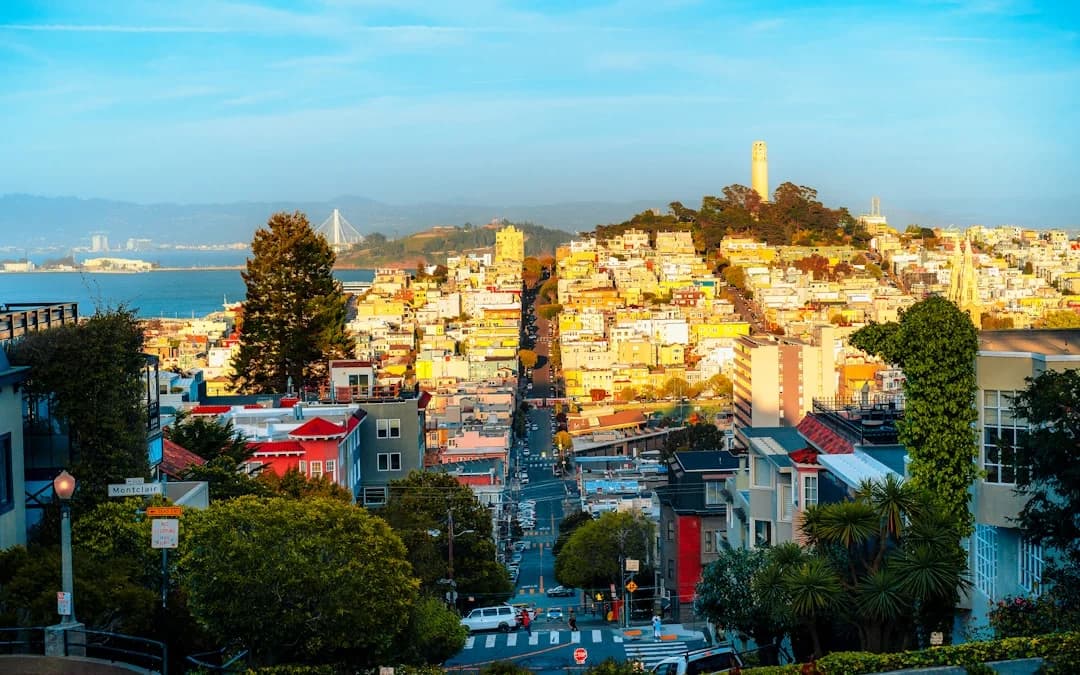
Photo by Mos Sukjaroenkraisri on Unsplash
The SF Bay Area is home to a growing convergence of dining concepts and biotech spaces, and this June, Omakase World Market opens in South San Francisco biotech hub, marking a notable pivot in how corporate campuses host culinary experiences. The new food hall, developed by the Omakase Restaurant Group, sits on the Gateway of Pacific campus and aims to fuse chef-driven dining with the region’s life sciences ecosystem. Early chatter from industry observers points to a broader trend: workplace dining as a strategic element of talent attraction and retention within high-velocity biotech clusters. As South San Francisco continues to emphasize its identity as a biotech heavyweight, the opening of Omakase World Market introduces a new model for on-site sustenance that could influence campus planning and hospitality benchmarks across the Bay Area. (sf.eater.com)
From the outset, the project positioning underscores a deliberate blend of premium culinary programming with a high-occupancy, research-focused workforce. The announcement frames Omakase World Market as more than a food hall; it is a curated marketplace experience designed to serve employees, visitors, and adjacent partners who traverse the Gateway of Pacific campus daily. Photos and early disclosures from the operator emphasize a multi-vendor concept anchored by the Omakase Restaurant Group, which brings a portfolio that includes Dumpling Time and Niku Steakhouse, among others. This combination—brand credibility, campus integration, and a diversified menu—helps explain why the opening has drawn attention from both hospitality observers and the biotech community. (sf.eater.com)
Opening remarks aside, this development sits squarely in a district long identified by regional planners and real estate analysts as a biotech-dense corridor with evolving demand for on-site amenities. South San Francisco, home to Genentech and a constellation of life-science firms, has cultivated a dining and retail environment that complements high-velocity research work, regulated labs, and corporate campuses. City resources and industry reports describe the city as a hub where biotech and technology intersect with consumer services, underscoring why a campus market hall like Omakase World Market could carry implications beyond food—from workforce well-being to campus throughput and employer branding. The strategic backdrop frames Omakase World Market not just as a meal option but as a potential catalyst for campus life in one of the Bay Area’s most intensively used biotech corridors. (ssfca.gov)
Section 1: What Happened
Background and Announcement
A culinary concept lands on a biotech campus

Omakase World Market opens in South San Francisco biotech hub as a flagship campus market hall, a project spearheaded by the Omakase Restaurant Group. The location is listed as 800 Gateway Boulevard on the Gateway of Pacific campus, a BioMed Realty property, situating the venue at a focal point for biotech firms, researchers, and supporting services. Industry outlets and local coverage identify this as a deliberate effort to fuse premium dining with a corporate campus context, signaling a trend toward experiential work environments that pair scientific work with curated food experiences. The announced concept centers on a marketplace feel with multiple dining stalls, a curated menu lineup, and an emphasis on convenience for a workforce with demanding schedules. (morningstar.com)
Timeline and opening details
Multiple outlets reported mid-June 2026 as the opening window, though precise dates vary in early coverage. One outlet placed the public opening on Tuesday, June 15, 2026, at the SSF site; another source framed the public push as June 16 or June 17, 2026, with subsequent reporting noting ongoing operations through the week. The Gateway Boulevard address appears consistently across coverage, reinforcing the campus context and the alignment with BioMed Realty’s Gateway of Pacific campus. This staggered reporting reflects the rapid rollout typical of high-profile campus openings, where soft-opening windows may precede formal public access or ceremonial events. The broader press coverage highlighted the venue’s dual identity as a food hall and a market experience, with particular attention paid to the operator’s pedigree and the campus environment. (sfchronicle.com)
Location and campus integration
The Gateway of Pacific campus is described in partner and regional coverage as a BioMed Realty property integrated into South San Francisco’s biotech ecosystem. The proximity to major life-science employers and the concentration of research facilities creates a natural footfall pattern for a campus dining-and-retail concept. Coverage confirms the site as part of the broader SSF biotech corridor—the same region long associated with Genentech and other industry anchors—helping readers understand the geographic and economic dynamics that underpin the opening. (morningstar.com)
What Happened: The Market, the Vendors, and the Experience
Vendor lineup and concept details
The official communications and media coverage describe Omakase World Market as a culinary hub anchored by the Omakase Restaurant Group, known for brands like The Butcher Shop by Niku and Dumpling Time. The concept at the SSF site is described as a marketplace with multiple dining options rather than a single-restaurant space, designed to cater to a diverse workforce with varying dietary preferences and work schedules. Menu references and brochures emphasize a mix of breakfast-to-dinner offerings, light bites, and plant-forward options, aiming to attract both early-morning commuters and late-afternoon lab personnel. The presence of Campo and similar market-style concepts within the lineup suggests an emphasis on a broad spectrum of flavors and dining formats, consistent with modern food halls that blend quick-service with more intimate dining experiences. While exact stall-by-stall details are not exhaustively documented in public sources, coverage highlights a curated experience intended to extend beyond mere convenience to become a social and cultural anchor on campus. (sf.eater.com)
Opening date specifics and early reception
News reports point to an official public opening in mid-June 2026, with dates ranging from June 15 to June 17 depending on the outlet and the stage of rollout. This pattern aligns with the typical phasing of campus-dining launches, where media access and public engagement ramp up over a few days as operations stabilize. Early reviews and observer notes from local outlets indicate initial footfall and a steady stream of visitors, with some articles citing attendance and early patronage metrics. As with any new campus amenity of this scale, feedback has been mixed in early days, with observers noting both enthusiasm for a refreshed campus dining option and questions about long-term demand, vendor mix, and operation hours. Given the evolving nature of such openings, readers should expect timeline refinements as the campus stabilizes its schedule and service model. (sfchronicle.com)
Section 1 Takeaways: Summary of What Happened
- Omakase World Market opens on a biotech campus in South San Francisco, tying a premium dining concept to the Gateway of Pacific campus on 800 Gateway Boulevard. The site is described as a BioMed Realty property, reinforcing the campus context. (morningstar.com)

- Opening dates reported by outlets vary slightly in the first days of rollout, with mid-June 2026 as the targeted window (June 15–17). This reflects common practice in campus openings where soft-launches precede full public access. (sfchronicle.com)
- The vendor and concept emphasize a multi-stall food hall with a curated, chef-driven lineup and a market-style experience designed to serve a biotech workforce, including breakfast-to-dinner options and a diverse menu. (sf.eater.com)
Section 2: Why It Matters
Impact on SSF’s Biotech Hub
A new dining-on-campus paradigm
Omakase World Market’s emergence on the Gateway of Pacific campus signals a broader shift in how life-science employers and campus developers think about on-site amenities. The project aligns with a growing trend of embedding hospitality experiences within or adjacent to biotech campuses to improve employee experience, retention, and productivity. In South San Francisco, where biotech employment and research activity cluster around campus districts, a high-profile food hall can influence daily routines, laboratory workflows, and after-hours social spaces. Observers suggest that on-site dining ecosystems may become a differentiating factor for talent recruitment, helping campuses offer end-to-end lifestyle packages that extend beyond traditional lab infrastructure. This dynamic is particularly relevant in a market characterized by intense competition for skilled employees and high expectations for workplace experience. (ssfca.gov)
The role of campus-scale amenities in talent strategies
Industry observers emphasize that culinary and retail amenities on campus can contribute to reduced commute strain, increased collaboration across teams, and improved morale among researchers and staff. The SSF biotech district already benefits from a dense concentration of firms and a workforce accustomed to integrated living-work-studying patterns; adding a premium dining experience near the core campus footprint may create natural cross-pollination with corporate events, networking sessions, and informal meetings. While concrete long-term impact data are not yet published, the early attention from industry watchers suggests that such amenities are increasingly considered strategic investments by campus developers and corporate partners. (ssfca.gov)
Who It Affects
Employees and campus visitors
For employees and visiting researchers in the Gateway of Pacific ecosystem, Omakase World Market offers a centralized dining option that may reduce time spent off-campus searching for meals, while also providing a venue for informal gatherings and spontaneous collaborations. Early reporting indicates a steady flow of customers, signaling that the market hall is meeting an unmet need for on-site, quality dining within the biotech corridor. The implications for daily routines could include shorter lunch breaks, more efficient meeting blocks, and enhanced opportunities for cross-department interaction. While detailed customer metrics are not publicly disclosed in all sources, local coverage notes early patronage as a positive signal for the campus dining model. (sfgate.com)
Local businesses and adjacent services
Beyond the immediate campus, nearby retailers, food suppliers, and service providers may experience incremental foot traffic as employees explore the new market. A campus-scale dining hub often creates spillover effects for adjacent coffee shops, convenience stores, and on-campus support services, potentially stabilizing midday commerce and offering new cross-promotional opportunities for vendors. City and regional analyses of SSF’s biotech district underscore the importance of a holistic ecosystem—where dining, retail, housing, and transportation converge to support a high-growth industry cluster. As such, the opening of Omakase World Market could contribute to the neighborhood’s vibrant, mixed-use character and support the campus’s broader economic ambitions. (ssfca.gov)
Broader Context: What This Means for the Bay Area
Trends in tech-dining and campus experiences
In the wider Bay Area, there is an ongoing conversation about how on-site dining and experiential retail intersect with knowledge work, research-intensive industries, and corporate culture. Reports and coverage around campus dining concepts highlight a shift toward more curated, high-quality culinary offerings integrated into the daily rhythms of workers who are often on site for extended periods. The Omakase World Market opening in SSF’s biotech hub provides a concrete example of this trend and could influence similar campuses to evaluate how food halls, fresh-market concepts, and branded culinary experiences fit into their master plans. While this piece is anchored in a single campus opening, the signaling effect could extend to other life-science clusters seeking to differentiate themselves through enhanced employee experience. (sf.eater.com)
Real estate and development implications
From a real estate perspective, the SSF market is already characterized by substantial biotech demand and campus-scale developments. The Gateway of Pacific campus, as described in industry coverage, represents a modern iteration of biotech campus design that integrates amenities, dining, and collaboration spaces alongside laboratory and research facilities. The presence of a high-profile food hall on campus may affect lease strategies, property value perceptions, and the competitive positioning of nearby commercial offerings. Analysts who track the SSF biotech corridor point to ongoing demand dynamics and the potential for more campus-driven retail concepts as the ecosystem evolves. (City and industry reports provide the macro context for these dynamics.) (ssfca.gov)
Section 2 Takeaways: Why It Matters
- The opening of Omakase World Market signals a deliberate push to integrate premium dining within biotech campus ecosystems, reflecting a broader trend toward on-site experiences that support talent attraction and retention in high-growth knowledge sectors. (sf.eater.com)
- The campus context—Gateway of Pacific on Gateway Boulevard—places the market hall in the heart of SSF’s biotech cluster, where proximity to major firms and research institutions could drive steady foot traffic and collaboration opportunities. (morningstar.com)
- Early reporting on patronage and reception indicates positive initial momentum, though long-term impact will depend on vendor mix, pricing, operating hours, and the ability to sustain demand across diverse work schedules. (sfgate.com)
Section 3: What’s Next
Timeline, Next Steps, and Watch Points
Short-term milestones
- Phased rollout and stabilization: The campus dining hall is expected to continue refining its stall lineup, hours of operation, and service models to meet the needs of researchers, staff, and visitors. Coverage of the opening window notes mid-June 2026 as the target, with subsequent days serving as a proving ground for demand patterns and stall performance. Observers will watch for official announcements about hours, seasonal menus, and any promotional events tied to the on-site launch. (sfchronicle.com)
- Community engagement and collaborations: On-campus venues often explore partnerships with local biotech firms, university-affiliated groups, and conference organizers to host tastings, sponsor talks, or support informal gatherings—areas to watch as Omakase World Market ramps up its campus calendar. While specific partnerships for this opening are not exhaustively documented in public sources, the concept’s design invites such collaborative opportunities in the weeks ahead. (sf.eater.com)
Medium-term outlook
- Menu evolution and vendor rotation: Like many modern food halls, Omakase World Market is likely to adjust its vendor mix over time to reflect customer preferences, seasonal ingredients, and campus event calendars. Observers expect updates to the stall roster and rotating menus as part of sustaining interest and foot traffic across different times of day and work cycles. Public sources emphasize a multi-stall format designed to deliver variety, which should translate into ongoing vendor optimization in the months following opening. (omakaseworldmarket.com)
- Impact assessments and performance data: For a campus-scale dining concept embedded in a biotech district, performance metrics—such as daily visits, average spend, and dwell time—will be of interest to property owners, campus administrators, and retail partners. As of now, precise, published performance data are not disclosed in the primary sources, but industry observers will likely monitor these indicators to gauge the model’s efficacy within SSF’s biotech ecosystem. (sfgate.com)
Long-term considerations
- Competitive landscape and replication potential: The success or challenges of Omakase World Market could influence similar campuses to test premium dining within their own ecosystems. If the model demonstrates clear benefits for employee satisfaction, collaboration, and retention, real estate developers and campus operators across the Bay Area may explore analogous concepts in other biotech corridors. Analysts will assess how this campus dining approach aligns with broader urban development patterns and knowledge-economy growth strategies. (ssfca.gov)
What to Watch For: Key Indicators
- Patronage trends: Early footfall figures matter, but sustained demand across lunch peaks, early dinners, and late hours will reveal the concept’s resilience in a high-demand biotech environment. SFGate’s initial reporting on daily patronage provides a starting point for evaluating early momentum. (sfgate.com)
- Vendor performance and customer satisfaction: Feedback from employees, campus visitors, and local diners will shape the ongoing success of the market. Community engagement initiatives and consistent product quality will be critical to maintaining churn and attracting new customers as the campus matures. (sf.eater.com)
- Integration with campus life: The degree to which the market hall becomes a hub for collaboration, events, and informal gatherings will help define its value proposition beyond food. Observers will look for evidence of partnerships, sponsored programs, and cross-department activities that leverage the space for knowledge exchange. (ssfca.gov)
Closing: What this Means for Bay Area Tech and Dining The Omakase World Market opening in South San Francisco biotech hub marks a notable moment in how corporate campuses fuse hospitality with science. By situating a high-quality, multi-stall food hall inside a biotech campus, developers and operators are signaling a broader trend toward integrated lifestyle amenities that support top-tier talent and dynamic workplace cultures. While the precise opening date details were reported with slight variation by different media outlets, the emphasis remains consistent: a mid-June 2026 introduction to a campus dining experience that blends chef-driven dining with a market-style environment, all within the heart of SSF’s biotech corridor. The long-term impact will depend on how well the concept adapts to evolving workforce needs, pricing strategies, and ongoing collaboration with campus partners. For readers following technology and market trends, this development provides a concrete case study of how dining and biotech ecosystems intersect to shape workplace experience and regional innovation dynamics. As more campuses weigh similar concepts, Omakase World Market could become a reference point for the next wave of on-site culinary and retail strategies in high-growth knowledge economies. (morningstar.com)
Notes on Context and Data
- The Gateway of Pacific campus is repeatedly identified as the site of this development, a BioMed Realty property embedded in South San Francisco’s biotech landscape. Coverage emphasizes the campus’s role as a hub for life sciences and related services, providing a credible backdrop for the opening. (morningstar.com)
- Coverage from multiple outlets corroborates the general opening period in mid-June 2026, with some variance in the exact date. This aligns with the typical cadence of campus-driven openings where initial access may occur over several days as operations scale. (sfchronicle.com)
- The media landscape for this event includes outlets focused on local food culture, real estate and development, and business news, offering a cross-sectional view of the opening’s significance within SSF’s biotech ecosystem. Readers can consult sources such as SF Chronicle, Eater SF, Morningstar, and The Registry for additional perspectives and updates as the campus dining concept evolves. (sfchronicle.com)