Saltwater Bakeshop Opens SoMa Cafe 2026

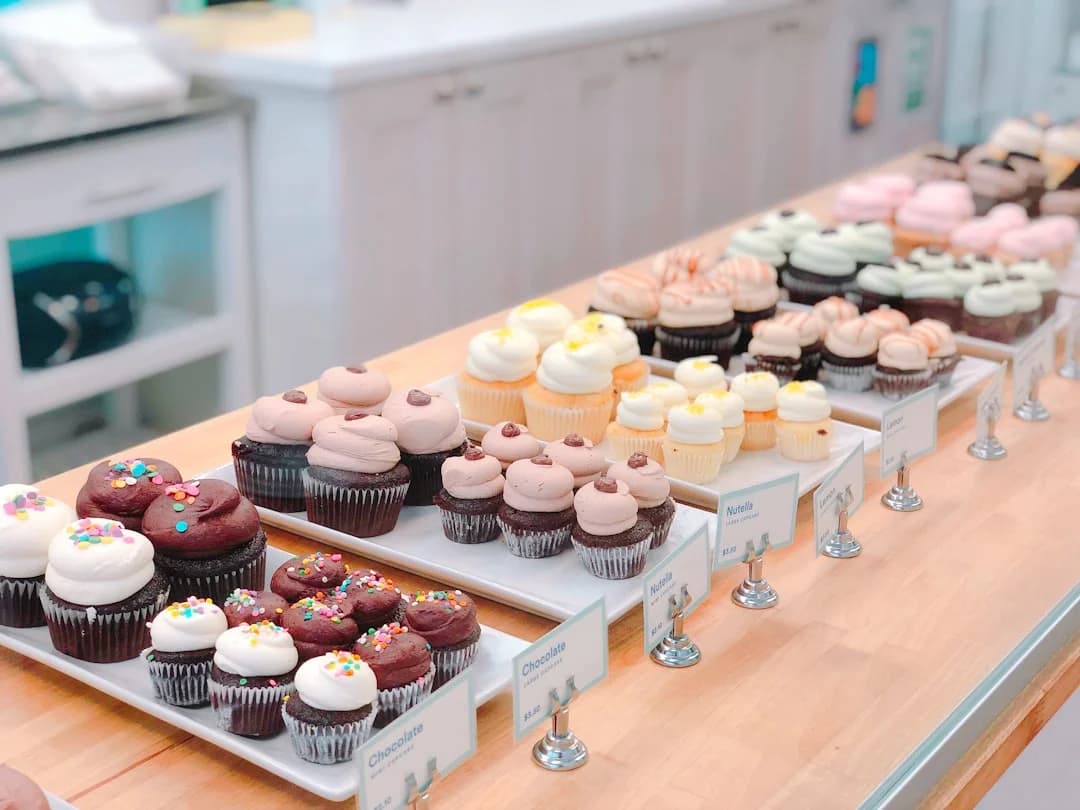
Photo by Harper Nguyen on Unsplash
Saltwater Bakeshop opens SoMa cafe 2026, a milestone for San Francisco’s artisanal bakery scene, marks the retailer’s first brick-and-mortar storefront in the city’s SoMa district. After years of pivoting between wholesale production and farmers markets, Saltwater is moving into a ground-floor retail space at 1309 Howard Street, with a soft opening slated for May 13 and a broader launch planned for later in May. The move comes after a long arc of site negotiations, shifts in location from an initial Richmond District lease to a SoMa site, and a strategic pivot to a retail-focused operation that blends bakery production with a café experience. The development matters not only for Saltwater’s growing fan base but also for SoMa’s evolving mix of food-and-beverage concepts that are reshaping the neighborhood’s morning and midday foot traffic as Bay Area workers return to offices and nearby residential towers continue to fill in. Saltwater Bakeshop opens SoMa cafe 2026 is a signal of both entrepreneurial persistence and a cautious, data-informed approach to expanding a local food brand in a competitive urban market. (sfstandard.com)
Brittany Dunn-Holden, Saltwater Bakeshop’s founder and head baker, built a reputation first as a wholesale producer and then as a fixture at Bay Area farmers markets. Before launching Saltwater, she served as a lead baker at Mr. Holmes Bakehouse and led a team that produced high-volume pastries for a national audience. Saltwater’s evolution—from wholesale to a storefront—reflects a broader pattern seen in San Francisco’s pastry scene, where producers increasingly balance off-site production with in-person retail to capture both the broad wholesale market and the growing demand for café experiences. The SoMa location represents a tangible expansion of Saltwater’s business model, bringing the brand’s orange-blossom cardamom buns, sourdough boules, and seasonal pastries into a fixed retail space for the first time. The move is framed by the broader city context: a city where small-batch bakers have become notable local institutions, and where new retail openings are watched closely for signals about consumer appetite and neighborhood revitalization. (sfstandard.com)
The SoMa storefront lands at 1309 Howard Street, a site that provides a roughly 7,200-square-foot production-focused footprint paired with a street-facing retail area designed to accommodate high-volume pastry and bread sales. The space is described as “production-first” with a visible retail presence that invites passersby to sample Saltwater’s signature items while watching doughs and loaves bake in view. Saltwater’s own site confirms the soft opening on May 13, followed by a grand opening on May 30, with a longer-term plan to provide a fuller menu and expanded offerings as the team settles into the new space. The timeline indicates both a measured approach to public launch and a strategic push to integrate cafe service with bakery production. In the immediate weeks after opening, Saltwater will test operations, refine the in-store experience, and scale up pastry production to meet growing demand in SoMa and the surrounding neighborhoods. (sfstandard.com)
What happened in San Francisco’s bakery scene? Saltwater Bakeshop’s move to SoMa follows a multi-year journey that began with Richmond District plans in 2023 and was repeatedly delayed by permitting and regulatory hurdles. In 2023, Saltwater signed a lease in the Richmond that would have brought a retail storefront to a highly visible neighborhood near the city’s western edge; however, the project encountered permitting delays that delayed the opening and shifted Saltwater’s attention to other channels, including farmers markets across the city. By 2024 and into 2025, Saltwater’s leadership remained committed to a brick-and-mortar presence, and in 2026 the team secured a new lease on Howard Street in SoMa, a neighborhood that has been drawing a growing array of pastry shops, cafés, and specialty food concepts as office workers return and residential density increases. The Richmond chapter’s end and the SoMa relocation signal not only Saltwater’s resilience but also a broader pattern in San Francisco: small-batch bakers are recalibrating locations to balance visibility, foot traffic, and production efficiency. The move to SoMa aligns Saltwater with a cluster of nearby culinary startups and established eateries, potentially enabling cross-collaborations and shared customer discovery in a district that has increasingly become a culinary hub. (sfchronicle.com)
Section 1: What Happened
SoMa storefront secures a permanent home
Saltwater Bakeshop’s long-anticipated retail debut in SoMa has been the subject of multiple industry updates and neighborhood conversations over the past two years. After initially pursuing a Richmond District storefront in 2023, the business ultimately relocated to SoMa due to a combination of real estate dynamics and permitting timelines. The relocation was confirmed by coverage detailing the shift to 1309 Howard Street, a move that places Saltwater in a neighborhood known for dense tech-office corridors, mix-use developments, and a growing cohort of specialty food retailers. The SoMa storefront represents Saltwater’s first brick-and-mortar bakery-café, marking a transition from wholesale-only production to direct-to-consumer sales and on-site dining. The city’s bakery ecosystem in 2026 includes several new openings around SoMa, a trend that helps explain why Saltwater sought a storefront in this neighborhood. The SoMa location is more than a storefront; it’s a production-enabled space designed to support high-volume baking while offering customers a front-row view of the bakery’s craft. (sfstandard.com)

Timeline of openings and milestones
- Soft opening: May 13, 2026. Saltwater announced a soft opening that would allow the team to ease into service, calibrate workflows, and welcome early guests with a limited menu while the bakery trained staff and aligned the space for full operations. This approach mirrors best practices observed in other Bay Area culinary openings, where soft openings help teams refine the customer experience before the full menu is rolled out. The Saltwater site explicitly notes the soft-opening date, setting expectations for guests and local media. (saltwaterbakeshop.com)
- Grand opening: May 30, 2026. The plan calls for a broader menu, more pastries, and a deeper café offering as the operation stabilizes, which aligns with Saltwater’s production capacity and the expected demand in SoMa’s daytime economy. This staged approach is consistent with the bakery’s stated strategy to scale carefully while ensuring quality and service standards in a new retail setting. (saltwaterbakeshop.com)
- Official address and layout: Saltwater’s new home is at 1309 Howard Street in SoMa, a detail confirmed by multiple outlets covering the opening. The space is reported to feature a large production area (approximately 7,200 square feet) and a retail frontage designed for a high-volume pastry and bread business with seating options for customers who want to linger. The SF Standard feature confirms the address and the layout, including the production-first orientation and the street-facing retail component. (sfstandard.com)
- Menu highlights and partners: Saltwater’s opening will bring its array of sourdough boules, croissants, and seasonal pastries to the storefront, with a notable emphasis on visually striking items such as orange-blossom cardamom buns and a variety of creative croissants. Ritual Coffee is identified as a partner for beans or coffee service, underscoring Saltwater’s intention to provide a café experience alongside its bakery offerings. The SF Standard piece notes these elements in its early coverage of the opening. (sfstandard.com)
- Regulatory context and neighborhood dynamics: The Richmond lease episode—followed by the SoMa relocation—reflects a broader pattern of permitting and neighborhood development in San Francisco’s culinary scene. The SF Chronicle coverage highlights the delays Saltwater faced and situates the SoMa move within the city’s evolving retail environment. This case study helps illustrate how regulated timelines can influence strategic site selection and expansion pacing for artisanal food businesses. (sfchronicle.com)
Menu and operations at launch
Saltwater Bakeshop’s SoMa launch centers on a production-forward bakery with a café component designed to serve walk-in customers, passersby, and nearby office workers. The shop’s pastry lineup includes a classic croissant, a chocolate croissant, a seasonal croissant such as a Spring pastry, and more adventurous items like an orange blossom cardamom bun. Breads include the country sourdough and other farmhouse-style loaves, with a rotating selection that emphasizes naturally leavened offerings. The Saltwater site details a pastry lineup that aligns with what customers expect from a high-quality artisan bakery: flaky, buttery pastries with layers of flavor built on careful fermentation and ingredient sourcing. The café hours—Tuesday through Friday from 7am to 3pm and weekends from 8am to 3pm—are posted by Saltwater and reflect a deliberate approach to serving morning and midday crowds while maintaining a production schedule that can scale. In the early weeks, the café will emphasize a “soft opening” menu with a more limited assortment, and then expand as the operation stabilizes. This staged approach is common among new bakery-café openings in dense urban cores where foot traffic fluctuates and where producing a reliable daily lineup is essential to building a loyal customer base. The café’s initial pastry roster includes a chocolate pistachio croissant, a ham-and-cheese croissant, an almond croissant, and a seasonal Danish, among others, with bread options ranging from a country sourdough to a seeded loaf. The café also features a Bake A Difference pastry whose proceeds support local nonprofits, reflecting Saltwater’s community ethos. (saltwaterbakeshop.com)

Section 2: Why It Matters
Implications for SoMa and San Francisco’s bakery scene
Saltwater’s SoMa debut is more than a single storefront opening; it signals a broader shift in the city’s artisanal bakery ecosystem. SoMa, already home to a cluster of tech offices, design studios, and dining concepts, is evolving into a neighborhood where production-focused food brands can integrate retail experiences with live kitchen activity. The presence of Saltwater’s production space within the storefront—with a large production footprint to support wholesale and retail demands—demonstrates a business model that blends café operations with high-volume bread and pastry production. This arrangement has the potential to attract foot traffic from nearby offices, residents, and visitors who want to watch the pastry arts in action, while also enabling Saltwater to scale its wholesale relationships and retail footprint in a way that preserves product quality and consistency. The SoMa location’s proximity to other bakery and café openings amplifies this effect, contributing to a dynamic, food-forward district that supports local, small-batch producers. The opening timeline—soft launch followed by a grand opening and full menu rollout—mirrors a cautious, data-informed approach that aligns with market realities in San Francisco’s post-pandemic retail environment. (sfstandard.com)

Market and industry context: why a SoMa launch makes sense in 2026
Industry observers have noted that 2026 is a year of flavour-led innovation, premiumization, and formats that justify daily indulgence in bakery products. Market signals point to continued demand for high-quality artisanal bread and pastries, with consumers willing to pay a premium for craft, provenance, and flavor complexity. A 2026 overview of bakery trends discusses how flavor authority, fibers and health-oriented formulations, and premium formats shape product development, with sourdough remaining a central category in the premium bakery segment. The timing of Saltwater’s SoMa opening aligns with these broader trends, suggesting the brand’s strategic emphasis on quality, storytelling, and a customer experience that blends bakery craft with café culture. While Saltwater remains primarily a local, community-focused baker, the SoMa storefront positions the brand within a market that values proximity, accessibility, and the tactile appeal of watching bread be baked. This alignment with market dynamics helps explain why Saltwater pursued a physical storefront in a district that is actively renewing its culinary identity. (foodnavigator-usa.com)
Impact on stakeholders and neighborhood dynamics
- Customers and communities: Saltwater’s Bake a Difference program reflects a broader trend toward social responsibility in artisanal food businesses. By dedicating proceeds from a specialty pastry to nonprofits, Saltwater ties its culinary craft to community outcomes, which can strengthen local support and align with consumer expectations for purpose-led brands. The program is documented on Saltwater’s site and reinforces the bakery’s local commitments. (saltwaterbakeshop.com)
- Competitors and collaborators: SoMa’s growing bakery and café scene means Saltwater is entering a competitive but collaborative environment in which neighbor bakeries like Rize Up Bakery are also expanding retail footprints in the near term. Collaborative initiatives, cross-promotion with nearby cafés, and shared supply chains could shape how Saltwater scales in the coming months. The Standard’s reporting on neighboring openings and local chef collaborations highlights how urban food clusters can accelerate growth for multiple brands when the supply chain and permitting environment align. (sfstandard.com)
- Real estate and city policy: Saltwater’s relocation from Richmond to SoMa underscores the role of regulatory processes, permit timelines, and space availability in shaping small-business expansion. The Chronicle’s coverage of the Richmond lease’s regulatory hurdles provides a cautionary context for other food and beverage startups pursuing urban storefronts in San Francisco. The SoMa move demonstrates how operators adapt to city processes while pursuing growth in a neighborhood with rising demand for specialty foods and café experiences. (sfchronicle.com)
What this means for the broader Bay Area bakery market
Beyond Saltwater, 2026 has seen a wave of bakery openings, expansions, and concept updates that reflect evolving consumer preferences for premium, craft, and locally sourced baked goods. Industry observers point to a continued appetite for high-quality bread and pastries, with a growing emphasis on experiential retail where customers can observe the baking process, sample fresh products, and pair bakery items with curated coffee programs. The trend toward small-batch, high-quality products aligns with Saltwater’s approach to production capacity and in-store experience, and suggests that SoMa could emerge as a hub for artisanal bakeries that blend production with retail.
In this context, Saltwater’s SoMa launch can be read as part of a broader narrative about urban culinary spaces adapting to a more complex post-pandemic mix of demand signals: work-from-office traffic in downtowns, increased residential density in nearby neighborhoods, and an ongoing appetite for premium, craft baked goods. Market analyses from industry press in early 2026 underscore the importance of flavor-led innovation and the ability to justify premium pricing through provenance and process. While Saltwater’s exact pricing and menu mix will evolve, the core proposition—handcrafted breads and pastries, executed with attention to fermentation, ingredient quality, and a strong customer experience—remains consistent with these broader market themes. (foodnavigator-usa.com)
Section 3: What’s Next
Timeline, next steps, and what to watch for
- Full menu rollout and espresso service: Saltwater plans to introduce espresso drinks and expand the food menu beyond the soft-opening lineup by May 30. The timeline, as reported by the Chronicle and the Saltwater site, indicates that coffee and broader café offerings will ramp up alongside pastry production, delivering a more complete bakery-café experience. Observers should expect a broader selection of sandwiches, croissants, and bread-centered offerings during the early weeks of regular operation. (sfchronicle.com)
- Production scale and wholesale alignment: The SoMa space’s 7,200-square-foot production footprint is designed to support Saltwater’s wholesale footprint while serving retail customers. In practice, this may enable Saltwater to balance in-store demand with wholesale commitments to cafés and restaurants, while continuing to participate in farmers markets in San Francisco. The production-focused layout positions Saltwater to grow its wholesale relationships in parallel with its retail growth, a pattern seen in other Bay Area bakeries that manage multiple revenue channels. (sfstandard.com)
- Nearby openings and neighborhood momentum: With neighboring bakeries and cafés expanding in SoMa, Saltwater will be operating within an ecosystem that already supports a steady flow of curious buyers and local professionals seeking quality pastry and coffee. The presence of new openings in close proximity can foster cross-pollination—sharing walk-in traffic, events, and promotions—while also intensifying competition for offsetting overhead costs and ensuring consistent product quality as production scales. (sfstandard.com)
- Community and charity initiatives: Saltwater’s Bake a Difference project provides a defined pathway for social impact and alignment with community organizations. As the SoMa store grows its customer base, these charitable initiatives can help build a loyal local following and underscore Saltwater’s commitment to giving back. Observers should watch how this program evolves over the next several quarters and how partnerships with local nonprofits influence brand perception and local engagement. (saltwaterbakeshop.com)
What readers should watch for in the near term
- Foot traffic and off-peak demand: SoMa’s daytime workforce and nearby residential developments are likely to drive steady foot traffic for Saltwater, particularly as the café expands its hours and menu. Observers will want to quantify how consumer visits evolve after the May 30 full-menu launch and how seating capacity, table turnover, and pastry case dynamics translate into revenue per square foot. The production-to-retail balance will be a key metric in evaluating Saltwater’s ability to sustain growth without compromising product quality. (sfstandard.com)
- Menu evolution and branding: Saltwater’s pastry lineup has strong storytelling potential—croissants, boules, and seasonal specialties tied to local produce and the bakery’s San Diego roots. As the café scales, Saltwater could experiment with limited-edition items tied to local events or seasonal produce, leveraging its brand story to differentiate itself in a crowded market. The Saltwater site highlights a variety of pastry and bread options, creating a foundation for ongoing product development. (saltwaterbakeshop.com)
- Pricing strategy and value proposition: The premium-priced nature of high-quality artisanal bread and pastries in San Francisco will likely remain a feature of Saltwater’s value proposition. Market reports in 2026 emphasize “premiumization” and the willingness of consumers to pay for provenance and craft, which will continue to influence Saltwater’s pricing strategy as it expands. Observers should monitor price points, bundle deals (e.g., bakery-and-coffee combos), and promotional events as signals of how Saltwater translates quality into sustainable revenue. (foodnavigator-usa.com)
Closing
Saltwater Bakeshop’s SoMa cafe opening in 2026 is more than a storefront expansion; it’s a case study in how artisanal bakeries navigate urban real estate, permitting, and neighborhood dynamics while balancing production needs with an in-store guest experience. The SoMa launch—backed by a clearly staged rollout, an accessible address, and a production-heavy footprint—offers a template for thoughtful scaling in a city where the status of small, craft food businesses hinges on a combination of quality, timing, and location. As Saltwater integrates espresso service, expands its menu, and deepens engagement with local communities, the bakery’s trajectory will be a useful gauge of how data-driven expansion can coexist with artisanal craft in one of the Bay Area’s most competitive and dynamic neighborhoods. Readers should stay tuned for updates from Saltwater Bakeshop and coverage of the SoMa bakery’s ongoing performance as it becomes an enduring part of San Francisco’s culinary landscape. (sfstandard.com)
In the weeks ahead, Saltwater Bakeshop’s SoMa cafe will continue to evolve—expanding hours, refining its menu, and deepening ties with the neighborhood. For ongoing coverage, follow Saltwater Bakeshop’s announcements and local business reporting from outlets like The San Francisco Chronicle and The San Francisco Standard, which provided the primary timeline and context for this milestone. The city’s bakery scene, with Saltwater’s SoMa debut, is entering a phase where craft, community, and commerce are increasingly intertwined, and the results of this balancing act will shape the Bay Area’s pastry culture for years to come. (sfchronicle.com)