San Francisco AI-powered Traffic Signal Pilot 2026

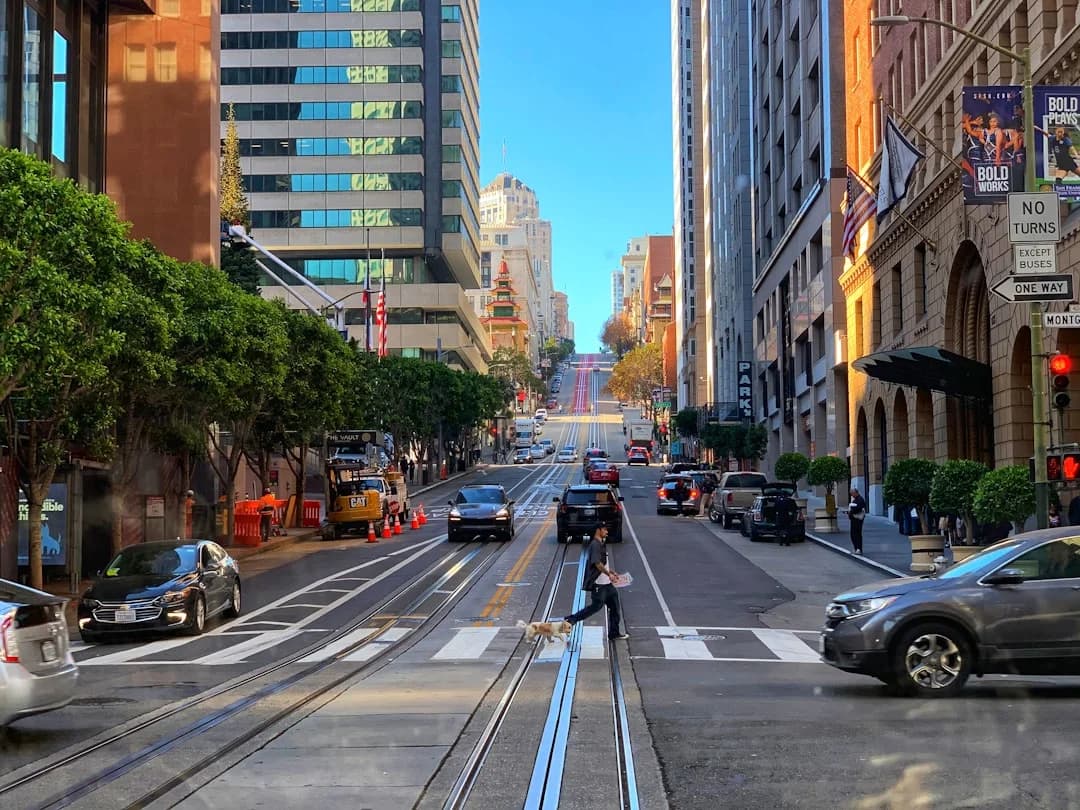
Photo by Yaroslav Muzychenko on Unsplash
San Francisco is at a pivotal moment in urban mobility as artificial intelligence begins shaping how traffic signals respond in real time. The phrase San Francisco AI-powered traffic signal pilot 2026 captures a growing expectation: cities are testing smarter signal control to reduce congestion, prioritize transit, and improve safety. As of late June 2026, there is no publicly announced, citywide San Francisco AI-powered traffic signal pilot, but the Bay Area’s broader push toward intelligent transportation systems is advancing in parallel with state and regional efforts. City agencies in San Francisco have been steadily increasing investments in signal infrastructure, data sharing, and transit-priority features, while adjacent jurisdictions have already demonstrated tangible benefits from AI-informed signal optimization. This landscape matters for commuters, business districts, and residents who navigate a growing city that still shoulders heavy traffic and evolving transit demands. The coming months could bring a formal pilot or phased deployments, but the current record shows a clear move toward AI-enabled traffic management as a policy and operational priority. This moment matters because the outcomes could influence not just traffic flow, but reliability for public transit, pedestrian safety, delivery logistics, and the broader trajectory of smart city initiatives in the region. In San Francisco, as in many U.S. cities, the path from pilot concepts to scalable, accountable deployments hinges on rigorous evaluation, clear governance, and transparent public engagement. (sfmta.com)
Across the Bay Area, agencies are testing and refining how signals can adapt to real-time conditions, with transit priority and pedestrian accessibility as central design goals. The city’s ongoing Intelligent Transportation System projects aim to stitch together detectors, communication networks, and adaptive timing to respond to fluctuations in rush hour demand, unusual events, or incidents that disrupt normal traffic patterns. In practical terms, this means signal timings that can shorten waits for buses, green-light corridors for pedestrians, and better coordination at critical intersections. While this is not a single, sweeping city program labeled as an AI pilot yet, it represents a strategic evolution toward AI-informed signal control as a core capability for 21st-century urban mobility. (sfmta.com)
In nearby communities, AI-enhanced signaling has already produced observable improvements. San Anselmo, a Bay Area town that implemented a real-time AI-assisted traffic signal control system, reported reductions in total time spent in traffic by roughly 30 percent, with costs of about 30 cents per hour for the city’s operation. While this is not San Francisco, the San Anselmo results provide a practical benchmark for what Bay Area cities expect from AI-guided signal timing in terms of efficiency gains and budget efficiency. The San Anselmo case study offers a data point that regional planners will weigh as San Francisco contemplates its own rollout strategy. (itskrs.its.dot.gov)
At a broader scale, other state and regional pilots illustrate the technology’s potential to operate at scale. Caltrans projects on Highway 68 in 2026 moved several signals to an Adaptive Traffic Signal Control (ATSC) system, a deployment that reflects AI-enabled approaches to timing optimization across a corridor rather than at a single intersection. Such developments demonstrate the practical path from concept to deployment and provide valuable evidence about performance, maintenance requirements, and operator training needs that Bay Area agencies can study as they plan future steps. (letsdatascience.com)
Section 1: What Happened
Citywide signaling approach remains exploratory
San Francisco’s current posture on AI-enabled signal control
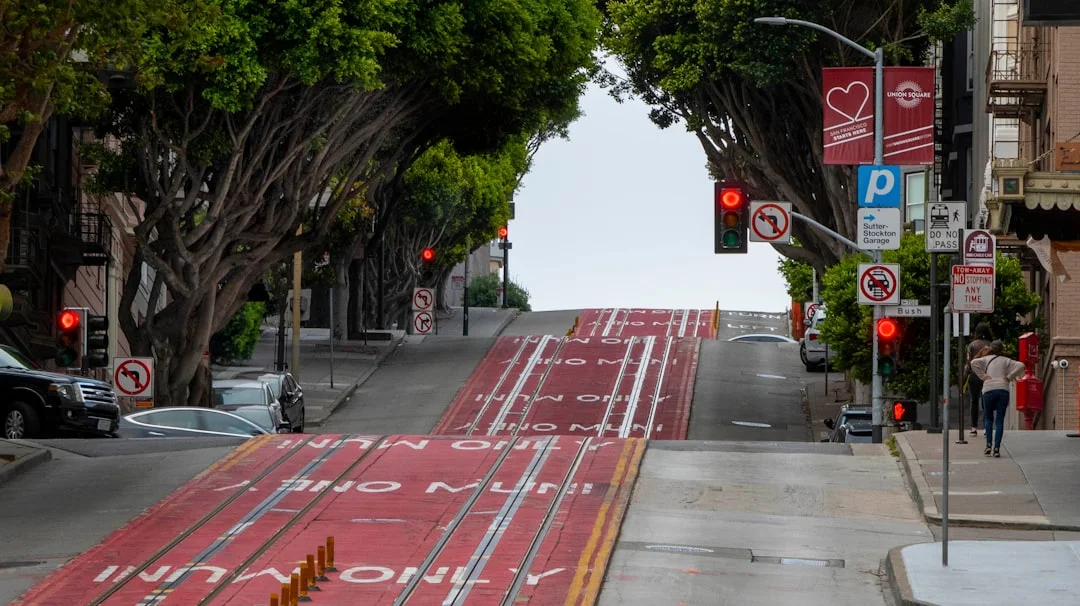
San Francisco has not published a public press release announcing a citywide San Francisco AI-powered traffic signal pilot for 2026. Instead, city agencies have steadily pursued Intelligent Transportation System (ITS) projects and signal upgrades that enhance data-driven decision making and responsiveness. The San Francisco Municipal Transportation Agency (SFMTA) describes ITS projects as key to improving safety and mobility by integrating communications technologies into the traffic signal infrastructure. The ongoing emphasis on ITS, along with connected corridor work and signal upgrades funded through capital programs, signals a path toward AI-enabled optimization without a single citywide “pilot” label at this moment. This framing is consistent with the city’s published materials on ITS initiatives and connected corridor concepts, which emphasize data-driven adjustments, sensor integration, and transit prioritization rather than a single, stand-alone AI pilot. (sfmta.com)
Related regional signaling initiatives and evidence of real-world deployment
Within the Bay Area, adjacent jurisdictions have begun publicly reporting AI-informed signal optimization results. San Anselmo’s 2026 evaluation shows detectable efficiency gains from real-time AI-assisted control, including a substantial reduction in delay times and improved corridor performance, at a modest operating cost. Caltrans’ 2026 ATSC deployments along state corridors further illustrate the practical viability of AI-enabled timing adjustments across multiple intersections. These examples are important context for San Francisco as policymakers and city staff weigh whether and how to sequence a formal pilot, scale, and governance framework. (itskrs.its.dot.gov)
Timeline and governance signals from SF agencies
SF-based governance signals — such as MTAB (Motor Traffic Advisory Board) items and budgetary documents — show ongoing planning for traffic signal upgrades and related ITS investments, including the Western Addition signal upgrades and other corridor improvements. While these items do not proclaim a dedicated AI-powered pilot, they demonstrate a structured process for evaluating, funding, and implementing signal improvements that could incorporate AI components as timing optimization capabilities evolve. The existence of these records indicates a readiness to adopt AI-enabled approaches when the scoping, funding, and governance align with policy goals and performance targets. (sfmta.com)
Nearby Bay Area pilots and market activity
AI-driven signal optimization in San Anselmo and beyond
The San Anselmo example confirms that localities are actively piloting AI-driven approaches to signal control as a way to manage congestion and improve travel times. While the San Anselmo pilot is not in San Francisco proper, its documented performance outcomes—substantial reductions in delay and favorable cost efficiency—provide a meaningful blueprint for how a Bay Area AI traffic signal program could be structured and evaluated in a city like San Francisco. This is particularly relevant as SF negotiates funding, vendor selection, performance metrics, and equitable outcomes for residents and businesses subject to signal timing changes. (itskrs.its.dot.gov)
The vendor and technology landscape
Technology vendors are actively marketing AI-informed signal optimization solutions with new features announced in 2026. For example, Miovision highlighted the evolution of AI-driven, end-to-end traffic optimization on its platform in May 2026, stressing GenAI-informed timing strategies and remote deployment capabilities. While not specific to San Francisco, such offerings shape the market context and procurement considerations that SF agencies would weigh in any future pilot. The presence of this market activity underscores both the interest in scalable AI signal control and the complexity of choosing partners and architectures that align with city data governance, privacy, and interoperability standards. (miovision.com)
Transit priority, safety, and equity considerations in policy discourse
As San Francisco contemplates any AI-enabled signal approach, transit priority remains a central policy objective. The city’s Connected Corridor concept—though introduced several years ago—exemplifies a design philosophy that prioritizes transit and crosswalk safety through data-informed signal timing and sensor integration. This history matters because it establishes the public expectations and safety benchmarks that any future AI-driven pilot would be expected to meet or exceed. SF’s emphasis on accessibility and pedestrian safety continues to shape how new technologies are evaluated and deployed. (sfmta.com)
Section 2: Why It Matters
Potential benefits of AI-enabled signaling
Congestion relief and transit reliability
AI-informed signal timing promises to reduce overall travel times and shorten waiting periods at key corridors, particularly for high-frequency transit services. In the Bay Area, documented AI-assisted trials have reported meaningful reductions in delay, suggesting similar outcomes could accrue in San Francisco if a formal, well-governed pilot is pursued. The San Anselmo results demonstrate what is possible when sensors, AI decision logic, and real-time data streams align with on-the-ground operations. If San Francisco adopts a comparable approach, benefits could include more predictable Muni headways, improved bus reliability, and reduced queuing at bottlenecks near downtown, waterfront districts, and major employment centers. (itskrs.its.dot.gov)
Safety, pedestrian experience, and accessibility
Adaptive signal control emphasizes not only vehicle throughput but also pedestrian and cyclist safety. With signal timing responsive to real-time demand, pedestrian crossing times can be adjusted to reduce conflicts with turning vehicles, buffer crossing periods during peak foot-traffic hours, and support accessible intersections with push-button and countdown improvements. SF’s longstanding commitment to accessible pedestrian signals intersects naturally with AI-driven timing enhancements, contributing to safer street environments for all users. (sfmta.com)
Economic and operational efficiency for city services
Beyond mobility, AI-enabled traffic signal systems can yield efficiency gains for public agencies through reduced idling, lower fuel consumption, and more effective management of incidents. The San Anselmo experience, while not SF-specific, demonstrates the potential for cost-effective improvements in city operations. Coupled with ongoing ITS investments, this creates a credible case for incremental pilots with clear performance metrics and transparent cost-benefit analyses. (itskrs.its.dot.gov)
Challenges, trade-offs, and public concerns
Privacy and data governance
Any AI-driven traffic control system relies on data from sensors, cameras, and connected infrastructure. Cities must navigate privacy considerations, data retention policies, and transparent governance to maintain public trust. These concerns are commonly discussed in the context of modern ITS deployments and AI-enabled city services, where safeguards and auditing processes are essential to address community worries about surveillance and data sharing. Academic and industry studies emphasize the need for robust privacy-by-design approaches when deploying AI in public spaces. (arxiv.org)
Safety and reliability
Deploying AI into critical infrastructure like traffic signals requires rigorous testing, fail-safes, and continuous monitoring to ensure reliability. The Bay Area’s diverse weather, dense traffic, and complex transit networks present both opportunities and challenges for AI-driven signal control. Public agencies typically pursue phased rollouts, pilot evaluations, and independent performance reviews to validate safety and effectiveness before broader deployment. This cautious approach aligns with San Francisco’s governance style and the city’s emphasis on safety-first transportation policy. (letsdatascience.com)
Vendor selection, interoperability, and long-term costs
Choosing the right partner for AI-enabled signaling involves assessing data interoperability, system integration with legacy controllers, and long-term maintenance obligations. The growing market for AI-driven signal optimization features multiple vendors and platforms, each with different data architectures, privacy policies, and support models. San Francisco’s procurement and governance processes will likely require careful evaluation of vendor capabilities, cybersecurity protections, and the ability to scale across districts with varying signal configurations. (miovision.com)
Policy and regulatory context in San Francisco
City budgeting and capital programs

San Francisco’s budget priorities and capital improvement plans increasingly recognize the strategic value of modern signal infrastructure. Budget documents and transportation authority reports show ongoing investments in signal upgrades, corridor improvements, and traffic management systems. While these do not announce a formal AI-powered signal pilot, they establish a policy environment and funding runway in which AI-enabled signaling could be tested or scaled in the future. Stakeholders will scrutinize how these investments align with safety, transit reliability, equity, and cost-effectiveness goals. (sfmta.com)
Transportation governance and public engagement
SF-specific governance documents reflect a structured approach to evaluating new transportation technologies, including public engagement processes and regulatory reviews. The existence of MTAB items and executive director reports demonstrates continuities in how the city considers transportation innovations, explores pilot concepts, and coordinates across agencies such as SFMTA, SFCTA, and city departments. These governance signals are important for readers seeking to understand how a potential San Francisco AI-powered traffic signal pilot would be proposed, debated, and approved. (sfmta.com)
Section 3: What’s Next
Timeline expectations and decision points
Possible dates for a formal SF pilot, if pursued
As of June 2026, no public SF press release confirms a citywide AI-powered traffic signal pilot. Given the pace of related Bay Area pilots and ongoing ITS investments, stakeholders should watch for:
- A formal procurement or pilot initiation announcement from SFMTA or SFCTA.
- A defined scope, including the number of intersections, corridor focus, and project performance metrics.
- Budget authority, vendor qualification periods, and a clear evaluation framework with data-sharing and privacy protections.
- Public engagement milestones, with community input incorporated into pilot design and governance.
In the absence of a published SF pilot, the best indicators come from SF’s existing ITS projects and from near-term Bay Area pilots that inform timing and readiness. Regional coursework and city council or board items often precede major deployments, so watchers should monitor MTAB agendas, CIP documents, and agency press releases for explicit language about AI-enabled signal testing or expansion. (sfmta.com)
What to watch in regional policy and funding
Budget and policy priorities in 2026–2027 will shape whether SF moves from exploration to formal pilots. The city’s transportation authorities have highlighted corridor upgrades and signal improvements, along with safety and transit priority objectives. If AI-enabled optimization is retained as a strategic objective, one would expect formal pilot announcements to be paired with measurable performance targets and robust oversight mechanisms. Observers should track SFCTA and SFMTA budget documents, audit trails, and board meeting notes for concrete milestones. (sfmta.com)
Next steps for residents and stakeholders
How residents can stay informed and participate
Public-facing portals and advisory boards provide channels for residents to learn about upcoming signal upgrades, pilot concepts, and performance results. SF residents can monitor agency websites for notices about pilot plans, public briefings, and opportunities to comment. Given SF’s commitment to accessibility and safety, agencies are expected to publish clear summaries of proposed projects, evaluation criteria, and expected transit impacts, along with channels for feedback. (sfmta.com)
Industry and vendor perspectives
Vendors and analytics providers are actively marketing AI-driven signal optimization solutions, offering capabilities ranging from real-time adaptive timing to end-to-end optimization and remote management. For San Francisco, the procurement process will involve evaluating interoperability with existing signal controllers, data governance practices, and privacy protections. Industry observers expect a measured approach: small-scale pilots with stringent evaluation, followed by scaled deployments if performance meets targets. This pattern aligns with how cities typically adopt complex smart city technologies while balancing safety, equity, and cost considerations. (miovision.com)
Closing
As San Francisco continues to advance its signal infrastructure and the Bay Area steadies its appetite for AI-assisted mobility, the path to a formal San Francisco AI-powered traffic signal pilot remains unsettled but increasingly plausible. The city’s record of coordinated ITS investments, the momentum of nearby pilots, and the growing market for AI-enabled signal optimization collectively set the stage for a decision in the near term. For readers and stakeholders, the critical question is not only whether a pilot will occur, but how it will be designed to deliver verifiable safety, efficiency, and equitable benefits across districts and communities. Staying attentive to agency announcements, budget guidance, and public engagement opportunities will be essential as the city weighs the next moves in this evolving transportation technology landscape. (sfmta.com)
In sum, the Bay Area’s AI-powered traffic signal ambitions are moving from concept to reality in fits and starts, with San Francisco watching closely and preparing to adopt best practices from neighboring jurisdictions and from the broader industry. The coming months will reveal whether the city formalizes a pilot, how it structures governance and evaluation, and what the results mean for drivers, transit riders, pedestrians, and local merchants who rely on predictable street performance.