San Francisco Art Fair 2026 Comes to Fort Mason April 16–19
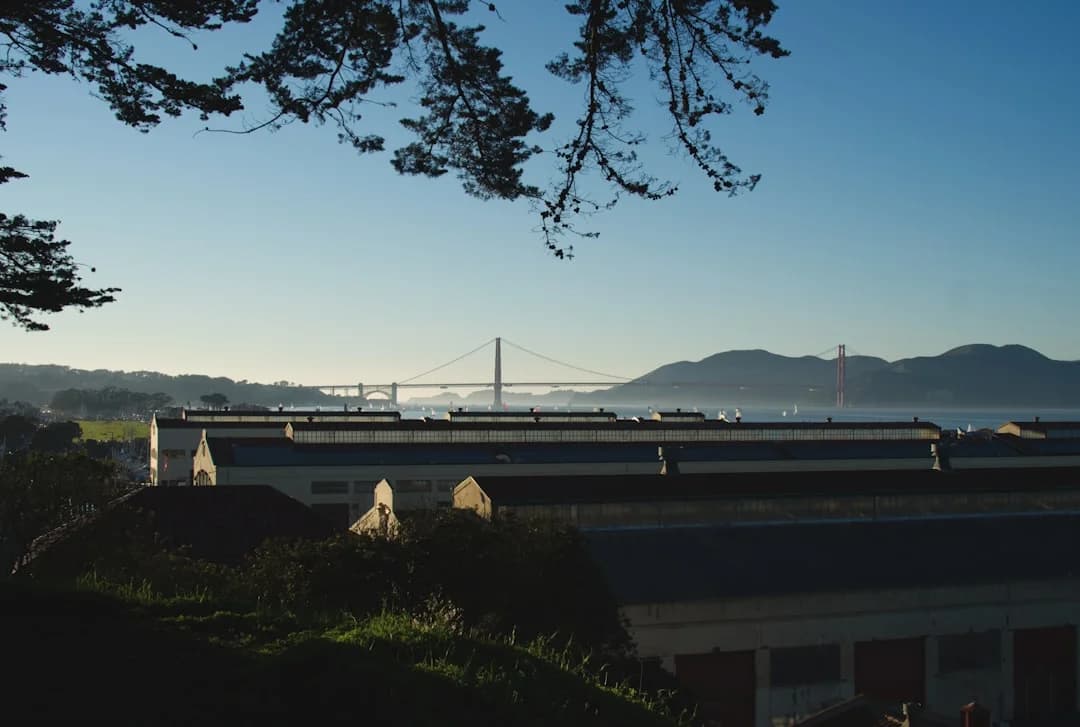
Photo by Ozzie Kirkby on Unsplash
The San Francisco Bay Area’s long-standing contemporary art fair is back in 2026, with San Francisco Art Fair 2026 set to transform Fort Mason’s Festival Pavilion into a global showcase for modern and contemporary art. From April 16 to 19, 2026, the event—produced by Art Market Productions (AMP) under the umbrella of a21—will bring together galleries from across the Bay Area, the United States, and international markets. This edition marks the 14th iteration of the fair and continues a pattern of attracting a robust mix of established blue-chip participants and rising contemporary voices. The fair’s organizers emphasize a data-driven approach to programming, curatorial rigor, and enhanced accessibility for collectors, curators, and the broader public. The official venue details position the event in the Fort Mason Festival Pavilion, with Pier 3 as the primary access point, a setup that aligns with the Fair’s history of anchoring West Coast art conversations at one of San Francisco’s most iconic waterfront campuses. The fair’s schedule and ticketing information point toward a carefully managed flow designed to accommodate thousands of visitors over four days. (sanfranciscoartfair.com)
Organizers and leaders describe San Francisco Art Fair 2026 as more than a market moment; it is a focal point for curatorial discourse and audience engagement in a year when the Bay Area’s art ecosystem is navigating broader shifts in attendance patterns, digital access, and cross-institution collaborations. The fair is positioned as the Bay Area’s longest-running contemporary art fair, with a stated mission to connect local galleries with national and international partners while elevating underrepresented voices through targeted programming and partnerships. This year, a notable emphasis on Asian American and Pacific Islander (AAPI) voices aims to reflect the region’s immigrant histories and contemporary cultural contributions, a theme reflected in on-site programs and collaborative initiatives with regional cultural institutions. (sanfranciscoartfair.com)
Section 1: What Happened
Date and Venue: Fort Mason hosts the 14th edition
San Francisco Art Fair 2026 is scheduled to run April 16–19, 2026, with a VIP and press preview on April 16 from 4:00 p.m. to 6:00 p.m. The Fair’s home is Fort Mason Festival Pavilion, Pier 3, Fort Mason Center for Arts & Culture, San Francisco, CA 94123. Public hours run Thursday evening, April 16, 2026, through Sunday, April 19, 2026, with the typical schedule of late-afternoon openings on Thursday and daytime hours on Friday through Sunday, concluding each day with evening programming windows. Tickets are priced to accommodate a broad audience, with general admission in the range of $35 to $65, reflecting the event’s aim to broaden accessibility while maintaining a high-caliber fair experience. The layout and scheduling are designed to manage large crowds across multiple halls and stalls, a logistical approach that past editions have refined to support a fluid visitor experience. (fortmason.org)
The 2026 edition is described as the fair’s 14th run, continuing its tradition of presenting a cross-section of galleries from the Bay Area, the United States, and international markets. The event is produced by AMP, a division of a21, with a leadership team including Fair Director Kelly Freeman and Artistic Director Nato Thompson overseeing programming and curation. The site’s public-facing content emphasizes that the fair will present approximately 85 galleries, underscoring the event’s role as a comprehensive conduit for regional and global art voices. This gallery roster reflects a balance of established local players and new international participants, highlighting the fair’s sustained appeal to collectors seeking diverse programs in a single venue. (sanfranciscoartfair.com)
Exhibitor lineup and program highlights: a mix of local and international players
The 2026 San Francisco Art Fair lineup includes many Bay Area staples as well as a thoughtful cadre of national and international exhibitors. Gallery listings cited by the official site include San Francisco mainstays such as Catharine Clark Gallery, HANG Art, Jonathan Carver Moore, Scott Richards Contemporary Art, Stephanie Breitbard Fine Arts, and Studio Shop Gallery, alongside regionally new and emerging participants. The press materials also indicate a welcome to first-time exhibitors COL Gallery (San Francisco), along with venues like Peter Fetterman Gallery, Calistoga Contemporary, and international exhibitors such as Sobering Galerie (Paris) and Gallery Playlist (Busan). The breadth of participating galleries and the inclusion of new faces align with AMP’s strategy of expanding the market’s reach while maintaining a high standard of presentation. In total, the fair is marketed as featuring around 85 galleries from around the world, a figure that places it among the more expansive West Coast art fairs in terms of scope. (sanfranciscoartfair.com)
The 2026 program is designed to extend beyond booth displays into a robust roster of public programming, talks, performances, and collaborations with cultural partners. The fair’s website and press materials outline a deep engagement with contemporary discourse through partnerships with major regional institutions. For example, collaborations with the Asian Art Museum, Cantor Arts Center at Stanford, and the Chinese Culture Center of San Francisco are highlighted as core components of the fair’s cultural ecosystem. Public programming is accompanied by a dynamic theater design curated by local design professionals and collaborators with Dwell Magazine, emphasizing the fair’s commitment to blending visual art with performance and design conversations. This approach signals a broader trend in contemporary art fairs toward integrated experiential programming designed to draw in diverse audiences and broaden the fair’s cultural impact. (sanfranciscoartfair.com)
The press materials also emphasize a focus on community and collaboration. The 2026 notes explicitly reference a community-focused narrative around AAPI voices and regional identity, with on-site activations and partnerships designed to elevate voices that reflect the Bay Area’s immigrant legacies. The collaborations with organizations such as the Asian Art Museum, the Cantor Arts Center, and local entities like the Chinese Culture Center, Edge on the Square, and Saint Joseph’s Arts Society are cited as key components of the fair’s public programming and cultural footprint. These partnerships help anchor the fair within the broader ecosystem of San Francisco’s arts landscape, suggesting that attendance may benefit from cross-institution programming during the fair window. (sanfranciscoartfair.com)
Logistics, access, and pricing: what attendees should know
Event hours and ticketing details are available through the official San Francisco Art Fair site. Thursday, April 16, 2026, is the VIP/Press Preview from 4:00 p.m. to 6:00 p.m., followed by public hours on Thursday, 4:00 p.m. to 9:00 p.m. The fair continues Friday and Saturday from 11:00 a.m. to 7:00 p.m. and Sunday from 11:00 a.m. to 6:00 p.m. The pricing range for general admission is $35 to $65, with parking information and transit guidance provided to encourage alternatives to driving given Fort Mason’s location and the typical parking constraints in the Marina district. The Fort Mason Center outlines specific venue details, including the address and the Festival Pavilion at Pier 3, which helps attendees plan their routes and reduce time spent navigating the festival grounds. The combination of flexible hours and a wide price range aims to maximize accessibility while preserving the fair’s premium experience. (sanfranciscoartfair.com)
Additionally, historical context from the fair’s 2025 edition provides a helpful backdrop for what to expect in 2026. The 2025 edition drew substantial attendance, with more than 22,000 visitors over four days and 4,500 VIP guests during the Thursday Preview, underscoring a steadily strong consumer footprint for West Coast contemporary art fairs. The 2025 run showcased 88 galleries and a broad network of cultural partners, signaling the fair’s capacity to scale attendance alongside gallery participation while maintaining a high level of public programming and institutional engagement. These trends illuminate the market’s health and the fair’s role as a driver of regional cultural activity during the spring arts season. (sanfranciscoartfair.com)
Section 2: Why It Matters
Market implications for Bay Area galleries
San Francisco Art Fair 2026 reinforces the Bay Area’s standing as a serious hub for contemporary art on the West Coast. The fair’s focus on a wide gallery roster—comprising local powerhouses and international participants—helps calibrate the regional market’s supply of representation and visibility. As the 2026 edition emphasizes 85 galleries from around the world, the fair serves as a crucial platform for local galleries to engage with a broader audience and to validate Bay Area work within global networks. The event’s scale—coupled with its status as the longest-running contemporary art fair in the Bay Area—offers galleries a targeted environment to present inventories to collectors, museums, and curators across a condensed time frame. In the lead-up to the event, AMP frames the fair as a marketplace that blends commercial activity with public programming, a combination that historically supports gallery sales while expanding the regional audience for contemporary art. (sanfranciscoartfair.com)
The 2025 post-fair recap provides a useful point of comparison for evaluating market outcomes. With 88 galleries and more than 22,000 visitors, the 2025 edition demonstrated strong demand and a broad collector base. The report cites multiple sales examples and a diverse pricing spectrum, highlighting the fair’s ability to generate meaningful transactional activity while fostering public engagement with contemporary art. Though the 2026 edition inaugurates a new cycle, the continuity of gallery participation and the prudently expanded programming suggest ongoing momentum for the Bay Area market. For local galleries, the fair remains a pivotal annual moment to connect with national and international networks and to leverage public programming as a tool for audience development. (sanfranciscoartfair.com)
Regional and international reach: East meets West in Fort Mason
The San Francisco Art Fair 2026 is positioned as a truly global event within a Bay Area context. In addition to strong regional involvement, the fair’s program includes exhibitors from across North America, Europe, and Asia, with a roster that features European, Asian, and North American names. The press materials highlight a deliberate outreach to international markets, including galleries from Paris, Busan, Calgary, Cape Town, and beyond. This international dimension supports the Bay Area’s strategy to cultivate cross-border discourse and market access for artists whose work resonates with both local communities and a global audience. Partnerships with major institutions—such as the Asian Art Museum and the Cantor Arts Center—help anchor these connections within the region’s cultural infrastructure, presenting opportunities for shared programming, collaborative acquisitions, and scholarly exchange. The combination of local and international participants elevates San Francisco Art Fair 2026 beyond a simple buying/selling event to a cross-cultural platform for dialogue and discovery. (sanfranciscoartfair.com)
Cultural impact and audience engagement
AAPI-focused programming is a central theme for the 2026 edition, reflecting the Bay Area’s diverse communities and their influence on regional cultural life. The fair’s public programming includes participatory experiences, performances, and collaborations that illuminate immigrant histories and contemporary cultural production. Statements from AMP leadership emphasize a commitment to inclusive programming and partnerships with local cultural actors to ensure that the fair serves as a stage for underrepresented voices. Beyond gallery booths, the fair’s programming—curated by prominent local figures and presented in collaboration with design and architecture outlets—offers a richer visitor experience that blends visual art with live events, talks, and installations. This approach aligns with broader market trends that see art fairs increasingly integrating education and experiential content to broaden appeal and cultivate long-term audiences. (sanfranciscoartfair.com)
Section 3: What’s Next
Preparations and what to watch for ahead of opening
With the VIP/Press Preview on April 16 and public days unfolding through April 19, attendees should anticipate a sequence of gallery reveals, public programs, and live performances that set the tone for the fair’s overall arc. The exhibitor announcements and program highlights released ahead of the fair indicate a carefully curated mix of familiar favorites and new entrants, including first-time exhibitors COL Gallery and other contemporary representatives making their San Francisco debut. The on-site activations, curated by Bay Area design teams and in partnership with cultural partners, are expected to offer immersive experiences that complement gallery presentations. As the opening approaches, organizers typically release additional programming details, ticket packages, and hotel partnerships to support visitors traveling from outside the region. Collectors and institutions may plan to attend both private previews and public programming, balancing business aims with cultural exploration. (sanfranciscoartfair.com)
Long-term outlook for San Francisco Art Fair and the Bay Area arts scene
Looking toward the future, San Francisco Art Fair 2026 reinforces the Bay Area’s role as a year-round hub for art, education, and public programming. The fair’s emphasis on AAPI voices and its broad network of institutional partners suggest a continuing trajectory toward deeper collaboration with museums, foundations, and cultural nonprofits. The event’s data-driven approach—coupled with an expansive exhibitor roster and a robust public program—positions the fair to attract a diverse set of attendees, from first-time visitors to seasoned collectors and curators. As with prior editions, the fair’s impact on the regional market will hinge on a combination of gallery participation, audience development, and the ability to translate attendance into ongoing engagement with contemporary art across the Bay Area. The 2026 edition’s numbers—85 galleries, 14th edition status, and an emphasis on accessibility—signal a deliberate strategy to expand reach while maintaining the fair’s traditional strengths. (sanfranciscoartfair.com)
What to monitor in the weeks after the fair wraps
- Post-fair data: The organizers often release a post-fair recap or press kit highlighting attendance, notable sales, and programming outcomes. Expect updates on total attendance, VIP engagement, and any notable sales milestones. The 2025 recap illustrates the potential for detailed sales anecdotes and attendance figures to accompany broader market analysis. (sanfranciscoartfair.com)
- Gallery traction and partnerships: Watch for continued collaboration with regional cultural institutions and the expansion of partnerships that extend the fair’s reach beyond Fort Mason. Announcements around long-term collaborations with museums or educational programs can indicate the fair’s strategic direction for the coming years. (sanfranciscoartfair.com)
- Market-level impact: Industry observers will assess how the fair’s gallery mix, pricing ranges, and audience development efforts influence regional demand, secondary market activity, and gallery representation in the Bay Area. The fair’s structure—integrating sales, public programming, and cross-institution partnerships—offers a model for other regional fairs seeking sustainable growth. (sanfranciscoartfair.com)
Closing
San Francisco Art Fair 2026 represents a significant moment for the Bay Area arts scene, blending a substantial gallery roster with detailed public programming and strategic partnerships. The event’s move to Fort Mason, the emphasis on AAPI voices, and the collaboration with regional cultural institutions underscore a broader commitment to accessibility, education, and cultural exchange. For readers of SF Bay Area Times, the fair offers a data-informed lens on a major spring arts event with implications for galleries, collectors, and cultural institutions alike. As the April dates approach, stakeholders across the Bay Area—and visitors from beyond—will be watching how the 14th edition of San Francisco Art Fair 2026 translates gallery presentations into meaningful public engagement and lasting market momentum. To stay updated, follow AMP’s San Francisco Art Fair communications and the Fort Mason calendar for any last-minute schedule adjustments or program additions. (sanfranciscoartfair.com)
In sum, the 2026 edition of San Francisco Art Fair reaffirms the Bay Area’s status as a pivotal node in the global art market, while also signaling a renewed focus on community-focused programming and cross-institution collaboration. With a strong lineup of galleries, a robust public program, and a clear path toward broader accessibility, the fair is well-positioned to deliver both sales activity and cultural value at Fort Mason in mid-April. The coming weeks will reveal how the event translates these strengths into sustained momentum for the region’s artists, galleries, and cultural partners, reinforcing the Bay Area’s enduring role in shaping contemporary art discourse on the West Coast and beyond. (sanfranciscoartfair.com)