San Francisco Chinese New Year 2026 news Feb 17
The year’s most watched Lunar New Year milestone arrives on San Francisco’s calendar with the Year of the Fire Horse taking its first breath on February 17, 2026. San Francisco’s Chinese New Year celebrations — among the most prominent outside Asia — are unfolding in a day that local officials and community leaders say remains essential to the city’s cultural and economic rhythm. San Francisco’s Lunar New Year calendar for February 17, 2026, is a pivot point that blends tradition with a modern, data-informed approach to city events, commerce, and tourism. San Francisco Chinese New Year 2026 news Feb 17 frames a day of community rituals in Chinatown, while forecasts of rain test contingency plans and public-interest partnerships that have become a signature of the city’s approach to major cultural events. As Tony Lau, a long‑time organizer with the Chinese Chamber of Commerce of San Francisco, noted, “Rain means wealth,” signaling resilience and community bonding even when weather disrupts plans. The broader takeaway is that February 17 marks not just a cultural moment but a catalyst for local small businesses, urban logistics, and technology-enabled experiences that support a high-demand period for the city’s commerce and hospitality sectors. Rain or shine, the focus remains on delivering a safe, accessible, and data-informed celebration that can withstand weather variability while driving meaningful economic activity. > Rain means wealth, Lau noted, underscoring a cultural lens on risk management and opportunity for Chinatown merchants. (cbsnews.com)
What Happened
Portsmouth Square kick-off and Feb 17 program
- On February 17, 2026, Portsmouth Square will again serve as a central gathering point for the Lunar New Year Day festivities in San Francisco’s Chinatown, a traditional launchpad this year for the Year of the Fire Horse. The event is described by CBS San Francisco as a city and community-led celebration that will proceed despite expected rain, reflecting the long-running practice of performing in adverse weather rather than canceling. Organizers say the event will proceed with tarps and stage coverage prepared to protect performers and attendees. The plan reflects a broader ethos of weather-resilient cultural programming that SF audiences have come to expect during Lunar New Year. The event’s timing and location align with other Chinatown observances and set the stage for a broader nine-week period of Lunar New Year activity across the city. (cbsnews.com)
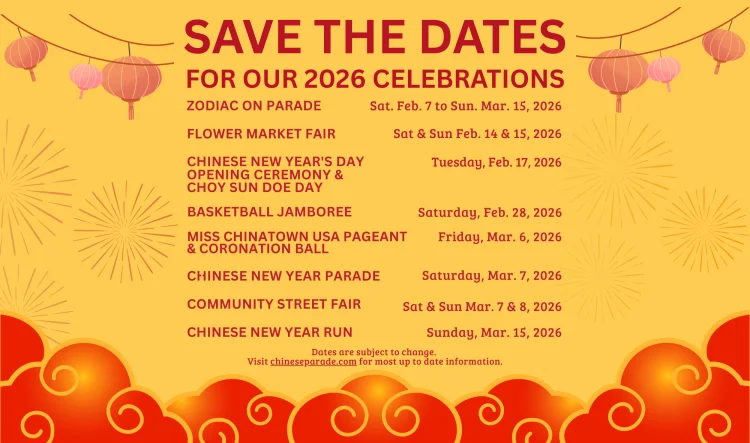
- The Feb 17 program at Portsmouth Square is part of a multi-event slate that also includes family-oriented activities and cultural demonstrations designed to attract both local residents and visitors from across the Bay Area. Downtown San Francisco and city partners highlight that February 17 is not only a ritual day but a gateway to a schedule of neighborhood-focused activities that continue into the parade season. The Downtown SF guide specifically notes that February 17 features the Chinese New Year Day Opening Ceremony & Choy Sun Doe Day at Portsmouth Square, with a focus on distributing traditional blessings and red envelopes to families. (downtownsf.org)
Parade planning, route, and timing for the season
- The year’s marquee public event remains the Grand Parade, a headline spectacle that travels through downtown San Francisco and culminates at a designated end point near Columbus Avenue. San Francisco International Airport’s Lunar New Year page confirms that the Year of the Horse (Fire Horse) begins on February 17, 2026, and that the Grand Parade is scheduled for March 7, 2026. The parade is described as a major civic festival, with a well-known nighttime component and a long-standing tradition dating back many decades. Route details published by local guides indicate the parade starts at Second and Market, proceeds along Grant Avenue, moves toward California Street, and ends around Van Ness/Columbus, with spectator viewing zones and ADA accommodations common to large-scale events. (flysfo.com)
- In parallel, the Downtown SF calendar emphasizes ongoing community street fairs, flower markets, and cultural performances that run in the weeks surrounding February 17. The parade itself is a “signature event” with a defined timeline (often cited as 5:15 PM start on the weekend date in mid-March) and an established viewing framework, with ticketed bleacher seating and street activation that draws thousands of attendees. City guides and the SFO page together reflect a coordinated effort to balance the spectacle with transit management and street closures that are typical for large parades. (downtownsf.org)
Economic activity and business impact
- The Lunar New Year period is widely regarded as a critical revenue window for Chinatown merchants and small businesses. NBC Bay Area’s coverage of Lunar New Year festivities notes that the flower market fair in Chinatown is not only a cultural event but also a substantial economic driver for local merchants. An interview with a business owner highlights that the period around Lunar New Year can account for a significant share of annual sales for many local shops, with some merchants reporting marked increases in customer traffic and spend. This aligns with community organizers’ emphasis on the economic vitality of Lunar New Year events for the Chinatown economy. (nbcbayarea.com)
- The Flower Market Fair, a key prelude to the official start of the year, drew thousands of visitors over opening weekend, with more than 120 vendor booths offering flowers, decorations, and Lunar New Year supplies. The San Francisco Chronicle’s reporting on February 14, 2026, confirmed the scale of the market and its role as a magnet for visitors ahead of the main parade. The presence of public officials at the opening event underscored the city’s interest in supporting both cultural expression and local commerce during this peak period. (sfchronicle.com)
- The economic dimension extends beyond Chinatown. City and regional media coverage note that Lunar New Year celebrations are linked to broader tourism activity, hotel occupancy, and restaurant business in the weeks surrounding February and March. Local outlets and government sources describe ongoing collaboration with merchants associations to drive spending in corridor districts and to promote small-business resilience in a season historically characterized by strong family shopping and festive consumption. The Downtown SF and SF government pages both emphasize the intentional support for small businesses and the role of Lunar New Year events in sustaining local commerce. (downtownsf.org)
Technology, payments, and data-informed experiences
- A noticeable throughline in SF’s Lunar New Year coverage is the growing integration of technology and data-driven services to enhance the event experience for attendees and merchants. The Flower Market Fair and surrounding Lunar New Year activations increasingly rely on digital payment acceptance, real-time crowd management insights, and accessibility features, all of which improve throughput and inclusivity for visitors. Merchants on the ground describe the Lunar New Year period as a time when demand spikes and payment acceptance becomes critical to converting foot traffic into sales. While direct, public data on payment technology usage at specific events remains limited in public reporting, the tone of local coverage points to a tech-enabled ecosystem supporting these celebrations as a core part of the city’s event strategy. (nbcbayarea.com)
- The city’s approach to Lunar New Year programming also reflects governance and public-private collaboration that can accelerate technology adoption in small businesses. For example, city and partner agencies highlight accessibility and venue planning improvements aligned with large gatherings, sometimes including digital tools for crowd management, transit alerts, and event information dissemination. While not all programmatic details are exposed publicly, the combination of public guidance, merchant partnerships, and event-level coordination signals a data-informed, tech-enabled approach to managing a high-profile cultural season. Official city pages and local government outreach emphasize ongoing support for small businesses and community-driven initiatives during Lunar New Year, which can indirectly advance technology-enabled services in Chinatown and neighboring districts. (sf.gov)
What’s Next
Upcoming milestones and watchpoints
- March 7, 2026, remains the focal milestone for the year’s Lunar New Year celebrations in San Francisco, with the Grand Parade set to proceed through downtown and a well-known parade route that includes viewing opportunities along Grant Avenue, California Street, and Union Square. The SFO Lunar New Year page confirms the date and route outline, reinforcing anticipation for a major public event that will attract visitors from across the Bay Area and beyond. As organizers prepare for potential weather-related disruptions, weather forecasts and contingency planning will be critical for maintaining a smooth flow of crowds and ensuring safety for participants and spectators. (flysfo.com)
- The Chinatown Day Opening Ceremony on February 17 serves as an opening act for a longer sequence of neighborhood events that typically extend through mid‑March, with additional street fairs, crafts markets, and cultural programs scheduled in Grant Avenue and surrounding streets. Downtown SF’s event calendar highlights ongoing opportunities for residents and visitors to engage with Lunar New Year programming across multiple districts, which helps sustain foot traffic and local commerce beyond the main parade weekend. (downtownsf.org)
- Local media coverage in the days surrounding February 17 has already begun to roll out broader perspectives on the event’s impact on businesses, tourism, and the city’s image as a hub of innovation and culture. NBC Bay Area’s coverage underscores the economic role of Lunar New Year activities for Chinatown merchants, while the San Francisco Chronicle’s flower market feature demonstrates the scale and cultural richness of the season. These signals suggest that the 2026 Lunar New Year period will be evaluated not only on celebratory outcomes but also on measurable economic and visitor metrics, which city officials and business groups will track in near real time. (nbcbayarea.com)
How to stay updated
- Readers seeking ongoing updates about San Francisco Chinese New Year 2026 news Feb 17 can follow official channels and trusted local outlets. The City of San Francisco’s Lunar New Year portal (Shop Dine SF and OEWD resources) remains a primary hub for event guidance, vendor directories, and small-business resources during the season. The official SFO Lunar New Year page offers program schedules and safety advisories related to major travel hubs during the celebrations. For near-term developments, CBS San Francisco and NBC Bay Area provide daily updates, weather advisories, and on-the-ground reporting that helps readers gauge conditions and plan attendance. (sf.gov)
Contextual background and broader significance
- The 2026 Lunar New Year in San Francisco sits within a broader ecosystem of Asian American cultural celebrations that have long shaped the Bay Area’s social and economic fabric. The Flower Market Fair, the Grand Parade, and the many neighborhood events collectively illuminate the city’s stance on inclusive cultural expression and economic resilience. The Flower Market Fair’s scale — with more than 120 vendor booths and a curation of festive offerings — illustrates how cultural events can serve as engines for local entrepreneurship and cross-border commerce, particularly as the region continues to emphasize small-business vitality and regional tourism. The event narrative also reflects how San Francisco leverages technology, accessibility, and transit coordination to support dense, multi-day cultural programming. (sfchronicle.com)
- The Year of the Fire Horse, pronounced by city observances to begin on February 17, has symbolic resonance in local storytelling about energy, leadership, and community momentum. City and corporate partners are mindful of the year’s cultural symbolism as they design programming and public‑private partnerships that maximize positive outcomes for residents and visitors. The public-facing materials and coverage emphasize not only the celebratory aspects but also the economic and logistical dimensions of sustaining such a large-scale cultural calendar in an urban center. As such, the SF Lunar New Year season provides a useful case study in how cities balance tradition, commerce, technology, and resident well-being during a peak cultural moment. (flysfo.com)
Closing summary
- San Francisco’s Lunar New Year season in 2026 is proving to be a data-informed, resilience-minded event calendar that blends enduring traditions with modern city management. The Feb 17 activities in Chinatown, the rain contingency at Portsmouth Square, and the March 7 Grand Parade together illustrate how the Bay Area’s oldest Chinatown continues to drive cultural vitality while pressing for measurable outcomes in commerce, tourism, and technology-enabled experiences. As the city moves through the next phase of Lunar New Year programming, updates from CBS San Francisco, NBC Bay Area, and city partners will provide essential context for readers who want to understand what this year’s celebrations mean for the economy, technology adoption, and the broader San Francisco narrative.