San Francisco International Film Festival 2026 Update

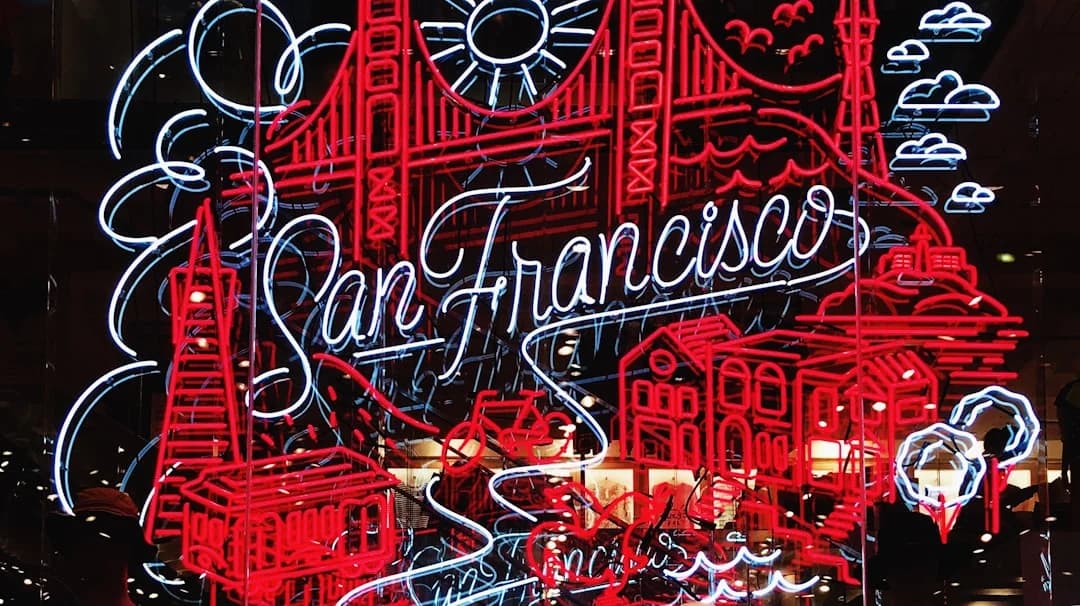
The San Francisco International Film Festival 2026 is shaping up to be a marquee event for Bay Area culture and a signal moment for global cinema markets. The 69th edition of the festival is set to run across San Francisco, Oakland, and Berkeley from April 24 through May 4, 2026, bringing a robust slate of premieres, retrospectives, and industry programming to the region. As the longest-running film festival in the Americas, SFFILM’s annual showcase continues to anchor local film culture while attracting talent and audiences from around the world. This year’s edition promises a data-driven lens on storytelling, with a program that emphasizes both new voices and deep historical selections, underscoring the festival’s dual role as a launching pad for emerging filmmakers and a keeper of cinematic heritage. The opening double feature—The Invite by Olivia Wilde and Late Fame by Kent Jones—kicks off a festival that leans into bold storytelling, creative risk, and the Bay Area’s own production ecosystems. This opening sequence, staged at the Castro Theatre, signals not only a high-profile start but also SFFILM’s commitment to showing contemporary work on 35mm film and in conversation with audiences. The festival’s centerpiece is Boots Riley’s I Love Boosters, a title that will anchor multiple screenings and events across the Bay Area, with Riley and cast members anticipated to attend in person. The Closing Night honors a different kind of cinema legacy, with a Star Wars Day presentation of Star Wars: Episode V—The Empire Strikes Back, featuring an onstage chat that includes C-3PO actor Anthony Daniels and Lucasfilm veterans, highlighting the festival’s ability to blend pop culture moments with traditional film culture. These elements, announced in early April 2026, illustrate a festival framework that blends blockbuster appeal with cinephile depth and community programming. (sffilm.org)
The official program document and festival pages further outline a broad, inclusive lineup. The 69th San Francisco International Film Festival is billed as delivering 79 programs across 40 countries, with notable talent and a mixture of world premieres, regional premieres, and archival showcases. Audiences will be treated to a mix of opening-night excitement, a curated centerpieces slate, and a tradition of festival talks, industry summits, and youth-oriented programming. The festival’s return to multiple venues—Castro Theatre, Grand Lake Theatre, Berkeley Art Museum and Pacific Film Archive (BAMPFA), San Francisco Conservatory of Music, and others—reflects SFFILM’s ongoing strategy to knit together historic cinema sites with new wave venues, creating a broad geographic footprint across the East Bay and San Francisco proper. The program also includes a dedicated “From the Vault” retrospective, signaling a continued commitment to archival cinema alongside contemporary releases. These structural and programmatic details were laid out in the festival’s official communications in early April 2026. (sffilm.org)
The SF Bay Area Times coverage of the San Francisco International Film Festival 2026 will emphasize the event’s data-driven dimensions: the number of screenings, the geographic spread of venues, the scale of industry programming, and the anticipated attendance patterns. The festival’s organizers have highlighted the event’s 11-day duration, a broad slate of programs, and the inclusion of an Industry Summit designed to support filmmakers in production, distribution, and exhibition. The summit and related talks offer a practical bridge between cinematic art and market realities, which aligns with our emphasis on technology and market trends within the media landscape. The festival’s public-facing materials also underline significant educational initiatives, including Schools at the Festival (SATF), which engages Bay Area students with curated content and educator resources, illustrating how cinema and tech-driven media literacy intersect in today’s market environment. In sum, the festival is positioned not only as a cultural event but as a marketplace of ideas, talent, and opportunities for local businesses and regional tech ecosystem stakeholders. (sffilm.org)
What Happened Official program reveal and scheduling
- The press release announcing the 69th San Francisco International Film Festival confirms the festival’s dates as April 24 through May 4, 2026, with a multi-venue approach across San Francisco, Oakland, and Berkeley. The release also notes the festival’s status as the longest-running film festival in the Americas, a phrase that underscores its historical significance and ongoing relevance in a rapidly evolving media economy. The formal announcement also situates the festival within SFFILM’s broader year-round programming ecosystem, signaling how the event ties to artist development, community education, and industry-facing activities. The announcement specifically identifies the festival’s geographic footprint and its 11-day span, which translates to a dense schedule of screenings, talks, and special events. (sffilm.org)
- The festival’s official event page reiterates the same April 24–May 4 window and emphasizes the festival’s heritage, including a long track record of presenting contemporary cinema, festival talks, and audience-facing programming, which reinforces the festival’s role in both culture and industry ecosystems. The page also notes that tickets for SFFILM Members go on sale on April 1, with general public sales opening on April 3, reflecting a staged approach to accessibility and audience development. (sffilm.org)
Opening night, centerpiece, and closing night highlights
- The festival opens with a double feature at Castro Theatre: The Invite, directed by Olivia Wilde, and Late Fame, directed by Kent Jones. Both projects are highlighted in the press materials as leading the 69th edition’s opening night, signaling a strong emphasis on contemporary, film-industry-adjacent storytelling that also has local resonance given Wilde’s San Francisco connection. The centerpiece for this edition is Boots Riley’s I Love Boosters, which will receive a West Coast premiere with screenings at the Grand Lake Theatre in Oakland, underscoring the festival’s cross-Bay collaboration. The Closing Night capstone is a Star Wars Day event on May 4, featuring Star Wars: Episode V—The Empire Strikes Back and an onstage conversation involving Anthony Daniels, among others, underscoring the festival’s capacity to blend high-profile genre cinema with interactive audience engagement. These programmatic anchors illustrate the festival’s dual aims: celebrate current film culture while leveraging iconic titles to draw broad audiences. (sffilm.org)
- The program’s extensive slate includes a mix of award-contending titles, world premieres, and regional showcases, which aligns with SFFILM’s mission to present “the most innovative films from around the globe” and to curate experiences that resonate with both cinephiles and general audiences. The press materials note that the festival includes nearly a dozen filmmakers making their return to the festival, highlighting ongoing relationships between artists and the SFFILM ecosystem, which is important for understanding the event’s long-tail cultural impact and the potential for repeat attendance across years. (sffilm.org)
Notable programmatic and archival elements
- The 69th edition features a “From the Vault” component that revisits titles previously shown at past festivals, offering audiences a chance to rediscover or recontextualize landmark work. This kind of archival focus is consistent with SFFILM’s broader commitment to preservation, education, and intergenerational film literacy, and it helps connect older cinema with contemporary audiences and digital-age distribution opportunities. The “From the Vault” section sits alongside a broader set of programs that include World Cinema, Documentary, and New Directors competitions, illustrating a diversified program strategy designed to appeal to multiple audience segments while enabling industry professionals to scout emerging talent. (sffilm.org)
- The festival’s specific sections and spotlights, including categories such as Bay Area Voices, Cine Latino, Global Visions, and New Directors Competition, reflect a structure designed to balance local storytelling with global perspectives. This alignment with place-based content and international cinema is a deliberate strategy to maximize local engagement while maintaining a global reach—an approach that can influence local tech-adjacent businesses, educational institutions, and cultural nonprofits as potential partners and clients. (sffilm.org)
Why It Matters Cultural and economic impact within the Bay Area
- The festival’s 69th edition, with 11 days of activity and a broad slate of programs, underscores the Bay Area’s ongoing role as a global hub for cinema production, distribution, and innovation. This year’s edition includes a mix of high-profile premieres and curated retrospectives, a combination that can attract attendees who also engage with local tech campuses, research centers, and creative industries. The presence of multiple venues across San Francisco and the East Bay demonstrates the festival’s capacity to drive footfall into local neighborhoods, restaurants, hotels, and public transit networks, contributing to short-term economic activity and longer-term reputational benefits for the region as a hub for film literacy and media entrepreneurship. (sffilm.org)
- The festival’s emphasis on audience-facing experiences—Festival Talks, Industry Summit, and Schools at the Festival—positions it as a focal point for dialogue around filmmaking technologies, distribution strategies, and media literacy in a region known for its tech-savvy consumer base. The Industry Summit, in particular, provides a venue for collaboration among filmmakers, investors, and technologists who are exploring new modalities for storytelling, including streaming practices, immersive media, and AI-assisted production workflows. This alignment with technology trends is especially relevant in the current market environment, where audiences expect high-quality content and filmmakers seek practical pathways to reach and monetize audiences. (sffilm.org)
Diversity, access, and community engagement
- The festival emphasizes diverse programming across international and regional lines, including entries in International and USA sections, documentary and narrative formats, and a dedicated Cine Latino focus. This approach broadens the festival’s appeal and fosters cross-cultural understanding, which in turn supports local businesses that rely on diverse audiences and inclusive programming. The Bay Area’s own film ecosystem benefits from this multi-genre approach, as it encourages partnerships with local studios, post-production houses, education programs, and venues that serve a broad spectrum of community members. The festival’s sections and spotlights reflect a deliberate commitment to inclusivity, educational outreach, and community partnership. (sffilm.org)
Engagement with education and youth
- SATF, the Schools at the Festival program, and related education initiatives form a core part of the festival’s social impact. By connecting students with screenings, educator resources, and online materials, SFFILM is building a pipeline for the next generation of filmmakers, critics, and media professionals. The program’s scale—reaching thousands of students in the Bay Area—signals a broader impact on local STEM and storytelling education, which can influence community colleges, universities, and workforce development in the region. This educational emphasis is complemented by SFFILM’s year-round activities, including artist development programs and community outreach, which help sustain a pipeline of local talent who may contribute to Bay Area tech-enabled media innovation. (sffilm.org)
SFFILM’s broader market context
- SFFILM’s role as a year-round organization supporting makers and audiences—through grants, residencies, and development programs—positions the festival within a broader market ecosystem that includes independent film production, distribution, and education technology. The 69th edition’s highlighted titles, state-of-the-art venues, and cross-Bay collaborations underscore the festival’s function as a catalyst for local business activity and international cultural exchange. As the Bay Area’s tech sector continues to interface with media, experiences like SFFILM’s Industry Summit and the festival’s archival and educational programs offer a tested, scalable model for industry engagement and talent development. This dynamic is particularly relevant for readers who track the interplay between cinema, technology, and regional economic activity. (sffilm.org)
What’s Next Upcoming milestones and program evolution
- The festival’s official 2026 program page and the “Sections + Spotlights” portal indicate a continued emphasis on a structured yet flexible program. With sections ranging from Awards + Special Events to World Cinema and documentary strands, the festival is designed to showcase both established and emerging voices while enabling targeted industry conversations. For readers, this means closer attention to the festival’s daily schedule, as new premieres and talks are announced in the run-up to April 24, 2026, and throughout the event period. The program structure suggests a steady cadence of press releases and program updates in the weeks leading to the festival’s start, which will be important for media planning and market forecasting. (sffilm.org)
- The festival’s planning timeline shows a staged approach to ticketing and public engagement: SFFILM Members can access tickets starting April 1, with the general public on sale April 3, 2026. In addition, the festival’s public-facing materials emphasize ongoing event announcements, guest appearances, and screenings that may require additional tickets or reservations, signaling a dynamic, frequently updated event calendar. Readers and industry watchers should monitor the festival’s official channels for the latest updates on screening times, guest appearances, and special events. (sffilm.org)
Longer-term implications for the Bay Area’s film and tech ecosystems
- The 69th San Francisco International Film Festival reinforces the Bay Area’s dual identity as both a cultural capital and a technology hub. The convergence of cinema, education, and industry dialogue—through the Industry Summit, SATF collaborations, and the festival’s archival initiatives—creates a fertile ground for cross-pollination between filmmakers, technologists, and educators. This kind of cross-sector collaboration can influence local startup ecosystems, particularly around content creation tools, distribution platforms, and immersive media technologies. The festival’s multi-venue approach highlights the importance of physical venues as experiential anchors for audiences in an era where streaming and on-demand platforms dominate. The result is a balanced ecosystem in which film art, community engagement, and tech-enabled business models reinforce each other. (sffilm.org)
Leadership perspectives and festival governance
- SFFILM’s leadership has consistently emphasized a curator-led approach to programming, with a broad team contributing to the selection process. The press materials attribute the curation to a team led by Jessie Fairbanks, with support from Rod Armstrong, Jordan Klein, Amber Love, Bedatri Choudhury, Kristal Sotomayor, and others. This reflects a collaborative, multidisciplinary governance model that values diverse viewpoints and established industry expertise, which is essential for maintaining the festival’s relevance in a fast-changing media landscape. The emphasis on a “Vault” retrospective and on a world-spanning lineup suggests a thoughtful blend of archival preservation and forward-looking storytelling. For industry observers, these governance choices can influence future partnerships, sponsorships, and programmatic direction. (sffilm.org)
What’s Next in Terms of Access and Inclusion
- The festival’s accessibility commitments—through event venues that provide closed captions, audio descriptions, and assistive listening, along with ADA-compliant facilities—are highlighted in the festival’s materials. SFFILM’s continued focus on accessibility aligns with broader industry efforts to broaden audience reach and ensure that major cultural events are inclusive. This is particularly relevant for tech-oriented readers who analyze how venues can adopt assistive technologies or implement flexible access programs to widen participation. While the exact accessibility enhancements for 2026 are detailed on the festival’s accessibility pages, the formal commitments demonstrated in prior years remain a touchstone for planning and policy discussions in the region. (sffilm.org)
Closing In sum, the San Francisco International Film Festival 2026 marks a pivotal moment for the Bay Area’s film culture and its intersection with technology-driven markets. With the 69th edition scheduled for April 24–May 4, 2026, the festival delivers a potent mix of world premieres, archival retrospectives, high-profile openings and closings, and a robust set of industry-facing activities. The opening-night double feature, the centerpiece I Love Boosters, and the Star Wars Day closing demonstrate a festival that honors cinematic craft while embracing popular culture as a vehicle for broader engagement. The event’s multi-venue footprint across San Francisco, Oakland, and Berkeley provides a tangible economic and cultural lift to the region, and its education and outreach programs place it in a strategic position to cultivate the next generation of filmmakers, critics, and media professionals. As the Bay Area continues to blend tech innovation with creative storytelling, SFFILM’s festival remains a critical barometer of where cinema is headed and how communities can benefit from the evolving media landscape. For readers tracking technology’s role in media markets, the festival’s programming choices—emphasizing both cutting-edge narratives and historical archives—offer a valuable lens on the future of film production, distribution, and audience engagement in the San Francisco Bay Area.
As the festival develops its lineup and schedules, staying connected with SFFILM’s official channels will be essential for investors, educators, filmmakers, and cinephiles who want timely, accurate information about screenings, tickets, and special events. The 69th San Francisco International Film Festival is not just a cultural event; it is a living platform where technology and storytelling intersect, with measurable implications for audience behavior, venue economics, and the broader media market in the Bay Area and beyond. The Bay Area’s film community should watch closely as this year’s festival unfolds, because the decisions made in April and May 2026 could influence local partnerships, funding opportunities, and the kinds of stories that emerge from the region in the years that follow.