San Francisco Municipal Microgrid Pilot 2026: What We Know

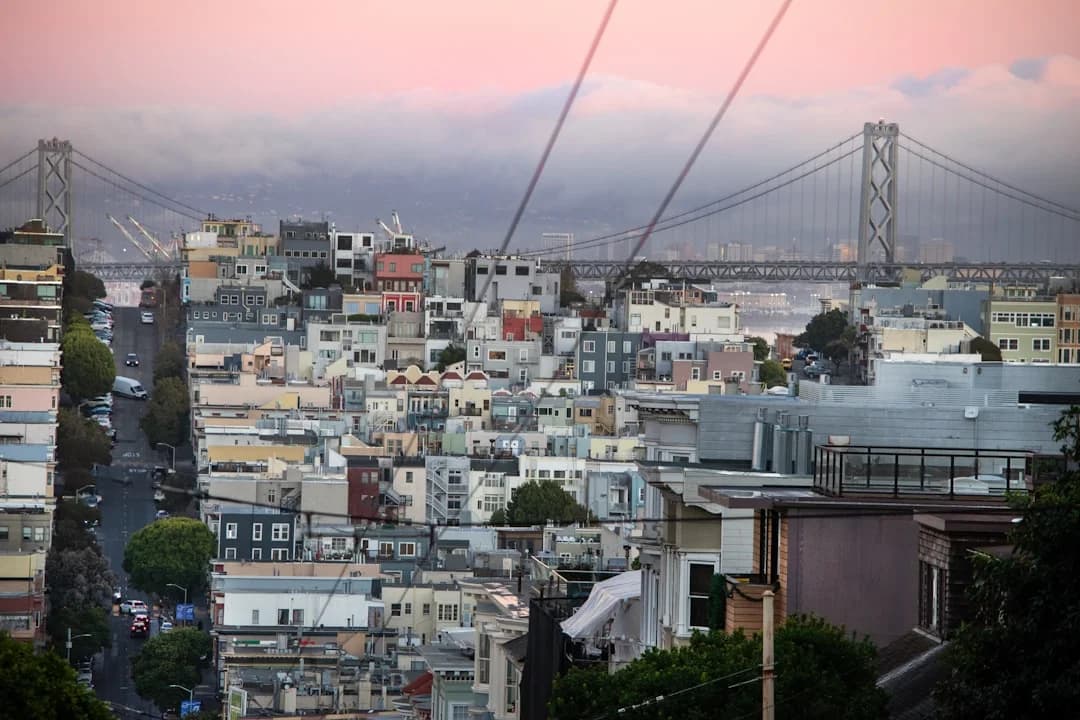
Photo by Garrett Overheul on Unsplash
The question of whether San Francisco will pilot a municipal microgrid in 2026 has dominated energy policy conversations in local government circles, community groups, and the Bay Area energy press. As of May 20, 2026, there is no public record of a formal “San Francisco municipal microgrid pilot 2026” program being launched or approved. City officials are instead advancing resilience-focused energy projects and a broader plan to modernize the grid, potentially setting the stage for more localized energy control in the years ahead. In practical terms, what exists now are a series of resilience pilots, policy studies, and long-term transition goals that could eventually underpin a municipal-powered future if the city chooses to pursue it. This reporting synthesizes official statements, agency plans, and ongoing pilots to lay out what happened, why it matters, and what to watch next. (sfpuc.gov)
The broader context for any municipal-energy debate in San Francisco is a city that already relies on a mixed model: CleanPowerSF, operated by the SF Public Utilities Commission (SFPUC), provides renewable electricity to residents and businesses, while the grid itself remains PG&E’s responsibility for transmission and distribution. The 2025 Climate Action Plan draft highlights ongoing efforts to invest in local, renewable, and resilience-focused energy projects as immediate pathways toward greater energy independence if and when policy choices evolve. That plan also signals a future where discussions about separating from PG&E’s grid and pursuing more local control could move from theory to formal proposals, depending on political, regulatory, and financial feasibility. (media.api.sf.gov)
Opening
In early 2026, San Francisco’s energy policy discourse increasingly framed resilience and local energy investments as practical, near-term levers for reliability and decarbonization—even as no citywide microgrid pilot was announced. City agencies pointed to concrete resilience milestones, including a notable example of distributed energy on public property: the San Francisco Public Library roof, which hosts a rooftop solar array paired with battery storage to allow islanding during outages. This project, part of SFPUC’s Hetch Hetchy Power portfolio, demonstrates how a microgrid-like capability can serve critical municipal facilities and community spaces while the city tests the technical and governance contours of distributed resources. It also serves as a model for how future municipal-scale energy strategies could be woven into city operations. The library project, unveiled in 2025, features a 95-kilowatt rooftop solar array with battery storage, reinforcing resilience for San Francisco’s public services even when the main grid experiences disruptions. > “This project not only reaffirms the SFPUC’s contribution in achieving net-zero greenhouse gas emissions by 2040 but also ensures that our clean energy services can support San Francisco’s communities in an emergency,” said SFPUC staff in accompanying materials. (sfpuc.gov)
Beyond the library resilience effort, San Francisco’s climate and energy planning documents reiterate that the path toward more localized energy control is contingent on a mix of policy, infrastructure, and market actions. The 2025 Climate Action Plan draft outlines a sequence of strategies designed to expand local solar and battery storage, modernize the grid, and pursue energy resilience—without asserting that a formal municipal microgrid pilot exists today. Notably, the plan identifies a target to develop 150 MW of local solar and local battery storage by 2035 and outlines explicit steps to advance a “flexible grid” capable of integrating distributed resources as part of the city’s long-range energy strategy. It also contemplates acquiring PG&E’s grid assets serving San Francisco, which would be a foundational move toward greater municipal energy control if pursued. (media.api.sf.gov)
Section 1: What Happened
Public statements and planning
-
The city’s current public narrative does not describe a formal San Francisco municipal microgrid pilot 2026. Instead, planners emphasize resilience, electrification, and a gradual transition toward more local energy control as part of a broader strategy. The climate action framework explicitly contemplates local resilience projects and a future grid that could be designed to host more distributed resources, depending on regulatory and financial feasibility. In particular, the plan calls for ongoing investment in local energy resilience projects and a potential separation from PG&E’s grid to enable SFPUC modernization. (media.api.sf.gov)
-
The city’s long-range energy vision also includes a push to electrify buildings and accelerate local energy supply innovations. Draft CAP goals call for 100% renewable and/or greenhouse-gas-free electricity citywide by 2040, and the plan envisions a flexible grid that can accommodate new energy-delivery technologies as part of the City’s climate priorities. These elements set the stage for a future in which a municipal microgrid could play a central role, but they do not constitute an announced pilot program in 2026. (media.api.sf.gov)
Related resilience projects and pilots
-
The most concrete, public-facing example of a microgrid-like resilience effort is the SFPUC’s project atop the San Francisco Public Library’s Catalog & Technical Services building. As of July 1, 2025, the library roof hosts a 95-kilowatt solar array with battery storage, enabling the building to island from the main grid during outages. The SFPUC describes the project as a resilience initiative that provides a safer, more reliable energy supply for critical municipal functions and public services during emergencies. The project demonstrates the practical viability of distributed energy resources in a municipal context and serves as a live test bed for grid-forming capabilities, energy storage integration, and islanding controls that could inform any future microgrid pilots. > “This project not only reaffirms the SFPUC’s contribution in achieving net-zero greenhouse gas emissions by 2040 but also ensures that our clean energy services can support San Francisco’s communities in an emergency.” (sfpuc.gov)
-
In 2024, SFPUC communications highlighted opportunities to source renewable energy and standalone storage for its CleanPowerSF program, signaling continued interest in integrated energy solutions and storage technologies that could underwrite more complex distributed-energy configurations in the future. While not a microgrid pilot itself, this procurement activity underscores the city’s readiness to deploy and finance energy resources that could form the backbone of future municipal energy platforms. (sfpuc.gov)
-
The climate action planning process further establishes an explicit framework for resilience investments, including substantial local solar and battery targets and a governance structure for piloting and scaling distributed energy resources. The CAP draft frames resilience as a core objective, with several actions designed to ensure the reliability and flexibility of the local energy system. The document also demonstrates the city’s willingness to pursue regulated pilot concepts or “zonal electrification” pilots as part of a broader effort to modernize the energy architecture, potentially paving the way for larger municipal-energy experiments if the political and regulatory environment permits. (media.api.sf.gov)
Timeline and announcements
-
August 2024: SFPUC issued a significant procurement for renewable energy supplies and stand-alone energy storage for CleanPowerSF, signaling ongoing interest in storage-enabled resilience and flexible energy portfolios that could support distributed-generation scenarios in the future. This baseline work helps establish the market and technical conditions for later distributed-energy pilots if policy direction shifts. (sfpuc.gov)
-
July 2025: SFPUC publicized the library resiliency project, marking a milestone for distributed-energy deployment on civic property. The project’s 95-kW solar array and battery storage illustrate a practical, real-world test of islanding and islanded operation that could inform any larger-scale municipal energy experiments. (sfpuc.gov)
-
2025–2026: The Climate Action Plan update process includes a set of actions aimed at local-generation deployment and grid-flexibility, including a focus on local solar and battery capacity and a framework for evaluating future municipal-power changes. The plan explicitly envisions acquiring PG&E’s grid assets serving San Francisco as a potential, future pathway to a more locally controlled grid. While the plan’s language confirms intent and direction, it does not announce a 2026 “municipal microgrid pilot” program. (media.api.sf.gov)
-
2026: City policy discussions and budget materials emphasize resilience, electrification, and grid modernization as near-term priorities, with explicit references to “design and develop the flexible grid of the future” and to potential future pilots, including zonal electrification concepts. These discussions map to a longer-term trajectory that could enable a municipal microgrid in the future, provided regulatory and financial milestones align. (media.api.sf.gov)
Why It Matters
Resilience and reliability
-
The library resilience project demonstrates a concrete, near-term benefit of distributed-energy resources for municipal operations and public services. Solar-plus-storage with islanding capability can provide critical loads with power during outages, reducing service interruptions for essential facilities. This kind of capability is often cited as a building block for broader resilience strategies that could support a municipal-energy platform in the future. The SFPUC’s description of the library installation highlights resilience as a key rationale for deploying distributed-energy assets in city facilities. (sfpuc.gov)
-
The CAP’s resilience-related goals emphasize that the grid of the future must be flexible and capable of rapid restoration after disasters. The plan argues that local renewable energy and resilience projects, when deployed at scale, can improve post-disaster reliability and reduce exposure to interdependencies with centralized fossil-fuel-based systems. While these ambitions are aspirational, they underscore why policymakers view distributed energy and potential municipal control as a strategic priority. (media.api.sf.gov)
Economic and rate considerations
-
The city’s energy strategy also carries important rate implications. SFPUC has implemented rate actions that affect CleanPowerSF customers and the municipal-energy program, including a notable reduction in CleanPowerSF electricity supply rates announced in early 2026. For residents and businesses, such rate actions interact with any future municipal-energy model by shaping the financial incentives and payback profiles for distributed-energy investments, including microgrid-like configurations. The ongoing rate management reflects a broader, data-driven approach to calibrating cost to customers while pursuing decarbonization goals. (sfpuc.gov)
-
The CAP’s economic and employment projections point to local renewable-energy projects creating jobs and strengthening the local economy. The plan links energy resilience investments with broader community benefits, including workforce development and project procurement opportunities, which are essential inputs for any future municipal-energy framework. This is relevant for readers who want to understand the potential economic ripple effects of a more locally controlled electricity system. (media.api.sf.gov)
Policy context and regional trends
- The Bay Area’s energy landscape includes a shared governance model among municipal utilities, community choice aggregators, and investor-owned utilities. San Francisco’s approach—combining CleanPowerSF with SFPUC-operated transmission and distribution—illustrates the complexity of moving toward a more “city-controlled” grid. The CAP 2025 draft reinforces that a range of policy and regulatory steps would be needed to realize a municipal-energy shift, including potential asset transfers or separations from PG&E. For readers, this context matters because it clarifies that a formal microgrid pilot would be a product of both city policy choices and regulatory approvals at the state level. (media.api.sf.gov)
What’s Next
Policy and governance steps
-
The climate plan identifies a path toward a more flexible, distributed-energy-friendly grid, with explicit references to continuing efforts to acquire the PG&E grid and to CEQA review for separation. If the City pursues a formal municipal microgrid pilot in the future, it would likely require a combination of regulatory approvals, environmental reviews, and financial arrangements to fund new infrastructure and operations. Public engagement and equity considerations would be integral, given the city’s emphasis on inclusive climate-action implementation. The CAP outlines two key milestones: environmental review for grid separation by 2027 and ongoing planning for grid modernization to accommodate local generation and storage. (media.api.sf.gov)
-
The plan also contemplates “zonal electrification pilots” and other targeted demonstrations as part of a broader transition, which could serve as precursors to a broader municipal-energy rollout if policy directions change. Observers should monitor upcoming CAP updates, environmental reviews related to grid separation, and any city-proposed legislative or regulatory changes that would facilitate more direct municipal control of energy resources. (media.api.sf.gov)
Timeline and next steps for residents and businesses
-
For residents and businesses, the immediate watching-brief includes how CleanPowerSF pricing and service options evolve, how city electrification rules (e.g., all-electric construction and appliance standards) are implemented, and how the city communicates opportunities for participation in local energy programs. The CAP’s 2025–2040 roadmap suggests that mass electrification and the development of local energy capacity will unfold over years, with notification of policy changes, procurement solicitations, and potential pilot announcements released through SF Environment and SFPUC channels. Readers should track updates from SF Environment, SFPUC, and the Mayor’s Office. (media.api.sf.gov)
-
Key 2026–2030 milestones that readers can watch for include the proposed 2027 CEQA environmental review completion for grid separation and any formal procurement or regulatory actions to acquire PG&E grid assets serving San Francisco. These elements would be the practical precursors to any municipal-energy pilot, including microgrid configurations, if policymakers decide to move in that direction. The CAP’s timeline provides a framework for these potential steps, though it does not guarantee immediate action in 2026. (media.api.sf.gov)
What to watch for in SF Bay Area energy coverage
-
Local energy-market developments, such as new storage procurement, siting decisions for local solar-plus-storage, or community engagement processes tied to energy-policy changes, will be important signals of where municipal-energy thinking is headed. Credible signals include SFPUC press releases about storage and resilience initiatives, as well as updates to the Climate Action Plan, which continues to frame resilience and local generation as central policy pillars. Readers should also watch for any formal status updates on grid separation studies, environmental reviews, or legislative actions that would enable a more direct municipal-energy framework. (sfpuc.gov)
-
In the broader region, microgrid pilots and resilience projects continue to proliferate, underscoring the practical viability of distributed energy in emergency contexts. California’s microgrid projects, including community-based and campus-based initiatives, provide context for how a San Francisco microgrid pilot—if pursued—might be structured and evaluated. While those examples fall outside city limits, they demonstrate the kinds of technical and governance arrangements that SF planners could adapt. (energy.ca.gov)
Closing
The current reality in San Francisco is a city actively exploring the ideas, technologies, and governance structures that could underpin a future where a municipal-energy framework—potentially including a microgrid—plays a central role in reliability, resilience, and decarbonization. In 2026, the most concrete developments involve distributed-energy pilots on municipal property, storage procurement within CleanPowerSF, and a climate-action planning process that contemplates grid separation from PG&E as a longer-term option. For residents, businesses, and energy professionals, the headline remains: while no formal “San Francisco municipal microgrid pilot 2026” has been publicly announced, the city is building the building blocks—policy direction, technical capability, and resilience-focused pilots—that could enable more localized energy control in the years ahead if and when policymakers choose to move forward. Staying informed means watching SFPUC announcements, City climate-action updates, and regulatory developments around grid ownership and distribution in San Francisco.

As San Francisco continues to publish data-driven analyses and publish its progress toward a more resilient, renewable-energy future, readers can expect ongoing transparency about what comes next. The discussion surrounding municipal energy control is not just about a single pilot; it’s about the city’s evolving toolkit for energy reliability, decarbonization, and local decision-making. Readers should remain engaged with official channels for the latest updates on the city’s energy strategy, including the SFPUC and SF Environment websites, and with periodic CAP updates that refine timelines, budgets, and governance structures as San Francisco moves closer to a decision about whether and when to pursue more direct municipal energy governance.