San Francisco teachers strike 2026 ends in tentative deal

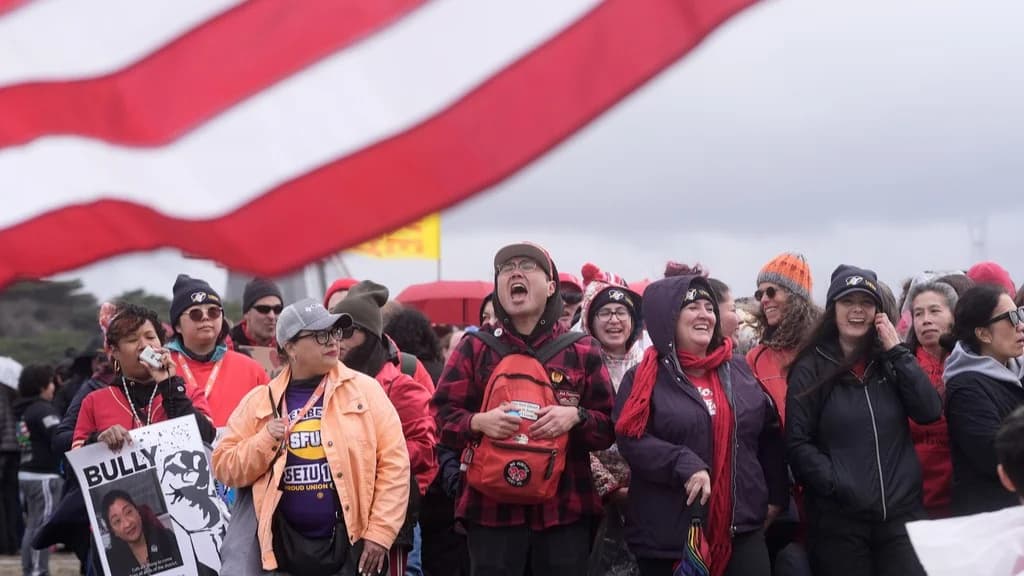
The San Francisco teachers strike 2026 has dominated headlines and disrupted daily life in the Bay Area as educators walked off the job in a prolonged work stoppage. In a development many observers labeled pivotal for both public education and local markets, the San Francisco Unified School District (SFUSD) and the United Educators of San Francisco (UESF) announced a tentative agreement on February 13, 2026, bringing the walkout to a pause and signaling a potential path to reopen schools after a four-day closure. The strike, which began on Monday, February 9, 2026, involved roughly 6,000 teachers and affected tens of thousands of students across SFUSD campuses. The announcement followed weeks of bargaining that drew attention from city officials, state oversight bodies, and national observers who watched how a major urban district negotiates wages, health benefits, and classroom resources amid broader fiscal pressures. (theguardian.com)
The immediate impact of the San Francisco teachers strike 2026 extended beyond classroom walls. With all 120 SFUSD schools closed for several days, families faced scheduling disruptions, meal program adjustments, and a scramble for child care. Local businesses and services that rely on school-day routines felt ripple effects, underscoring how education labor actions can influence municipal operations and market activity. As SFUSD prepared to begin reopening, the city and its education partners emphasized keeping students safe and supported during the transition back to in-person instruction. The strike’s duration and its resolution also positioned San Francisco as a bellwether for how similar districts might approach bargaining around compensation, healthcare costs, and support services in a tight fiscal climate. (theguardian.com)
Section 1: What Happened
Strike Kickoff and Scale
- The SFUSD teacher walkout began on Monday, February 9, 2026, with about 6,000 teachers participating and the district closing all 120 campuses. The disruption affected roughly 48,000 to 50,000 students depending on the source and timing, illustrating the scale of the action in a district serving a large, urban student population. Schools were scheduled to reopen progressively as bargaining progressed and holidays allowed. (theguardian.com)
- The strike represented the city’s first large-scale teachers’ walkout in nearly five decades, highlighting the high-stakes nature of the dispute and the public attention focused on teacher pay, health benefits, and classroom resources in a district confronting ongoing fiscal challenges. Reports characterized the walkout as a turning point for SFUSD’s bargaining posture and for how the city measures support for public education. (latimes.com)
Key Demands, Offers, and Negotiation Dynamics
- The core issues in contention were teacher compensation, fully funded family healthcare, and staffing resources for special education and vulnerable student populations. The union initially pressed for a 9% pay increase over two years, while district negotiators highlighted budget constraints and the need to balance wage increases with long-term sustainability. Neutral observers noted that the parties faced a delicate balance between fair pay and the district’s fiscal realities, which included a mix of deficits, reserves, and oversight requirements. (theguardian.com)
- By mid-February, a neutral fact-finding panel had recommended a compromise on compensation: a 6% pay raise spread over two years, paired with discussions about health care contributions and potential performance or retention incentives. This recommendation helped shape the contours of what would become the tentative agreement, reflecting both the district’s constraint and the union’s priorities. (theguardian.com)
The Tentative Agreement and Early Details
- On February 13, 2026, SFUSD and UESF announced a tentative two-year contract that included a 6% raise for teachers (expressed as 2% annual increases with additional training days) and fully funded family health care beginning in 2027. The agreement also included provisions for paraeducators and security aides, who would receive a 9% raise, with specialized aides receiving an additional 5%. While not satisfying the union’s original goal of a 9% raise, the deal marked a significant shift in the district’s approach to compensation and benefits amid ongoing budget pressures. (sfchronicle.com)
- The district noted the financial complexity of funding these outcomes, including the need to manage a deficit and a substantial portion of reserves that are restricted. The agreement would still require formal approval from the SFUSD Board of Education and a union ratification vote before becoming binding. Several outlets reported that officials signaled a cautious optimism about a path forward, while acknowledging that the financial plan would need to withstand state fiscal oversight and potential adjustments. (sfchronicle.com)
Section 2: Why It Matters
Educational Delivery and Student Experience
- The San Francisco teachers strike 2026 underscored how labor actions can directly affect teaching quality, class sizes, and the availability of specialized supports for students with disabilities or language needs. With the strike’s duration and the breadth of services affected, many families experienced periods without in-person instruction, requiring alternative arrangements and access to meals and safe supervision. Educational access during and after strikes remains a central concern for district leadership and policymakers. (theguardian.com)
- The deal’s emphasis on healthcare funding for families mirrors a broader national conversation about the relationship between educator compensation and benefits, retirement, and retention. In markets with high living costs and competing demands for skilled labor, such provisions can influence teacher recruitment and retention trends for years to come. Analysts point to the potential long-run effects on recruitment pipelines, professional development, and classroom staffing stability, especially in special education and related services. (washingtonpost.com)
District Finances and Governance
- SFUSD has faced persistent fiscal scrutiny, including reports of deficits and the use of restricted reserves, which have shaped bargaining dynamics. The tentative agreement’s cost implications raise questions about how the district will fund wage and healthcare commitments while maintaining essential programs and services. State fiscal advisers may play a role in evaluating the plan’s sustainability, which could influence any final approvals and implementation timelines. (sfchronicle.com)
- Analysts and observers highlight the broader governance context that frames the strike, including the district’s relationship with state oversight and the city’s budgetary environment. The intersection of education funding with urban fiscal policy can reverberate through the local technology sector, school procurement, and capital spending on digital infrastructure, all of which are part of the larger market context around education technology and public sector investment. (latimes.com)
Market and Technology Implications
- The San Francisco teachers strike 2026 intersects with technology adoption in schools, including discussions around the use of artificial intelligence, data systems, and digital learning platforms. Reports indicating that the tentative deal includes considerations related to artificial intelligence policies and student protections reflect a growing trend of how districts approach technology governance alongside compensation and health benefits. As districts navigate cost pressures, there is continuing debate about how to balance innovation with equity, data privacy, and teacher workload. This dynamic has implications for edtech vendors, software procurement cycles, and market demand for classroom technology. (theguardian.com)
- The market implications extend to local and regional education contracts, vendor relationships, and the broader Bay Area tech ecosystem, which often sees parallel dynamics between public sector needs and private-sector solutions. If final negotiations lead to broader investment in classroom technology, there could be shifts in demand for networking gear, devices, professional development platforms, and analytics tools designed to support inclusive education and teacher effectiveness. Market observers will be watching how SFUSD allocates funding for technology upgrades in addition to salary and benefits. (washingtonpost.com)
Section 3: What’s Next
Next Steps for SFUSD, Students, and Families
- The path to finalizing the San Francisco teachers strike 2026 agreement hinges on SFUSD Board of Education approval and UESF ratification. The board vote will determine whether the tentative terms become binding, while the union’s member vote will confirm whether the proposed package is acceptable to educators who were part of the walkout. The process will occur in the context of ongoing fiscal review by state authorities, which could influence the timing and scope of implementation. Expect official updates from SFUSD and the union as decisions approach. (sfchronicle.com)
- Reopening timelines outline how quickly campuses will return to standard operations. Reports indicate a staged reopening, with staff returning first and students returning after the Presidents Day and Lunar New Year holidays. As campuses resume, school sites will likely implement transition plans to address backlogs, attendance tracking, and catch-up instructional strategies, with potential adjustments to calendars if needed. (cbsnews.com)
Long-Term Outlook for Education, Labor, and Markets
- The San Francisco teachers strike 2026 raises questions about long-term salary structures, health benefit funding, and the distribution of costs across the district’s budget. Analysts warn that even with a tentative agreement, districts may face ongoing pressures to balance compensation with investments in educators, students, and instructional supports. The outcome could influence bargaining patterns in other districts, particularly those grappling with similar deficits and oversight requirements. (latimes.com)
- From a technology and market perspective, the negotiations’ outcomes may influence how SFUSD plans for digital learning, student data systems, and AI governance moving forward. If the district advances more expansive technology investments as part of its compensation and benefits framework, vendors and partners in the Bay Area and beyond could see new procurement activity tied to a renewed focus on equitable access to digital tools and professional development for teachers. (theguardian.com)
What Readers Should Watch For
- Key dates to monitor include SFUSD Board of Education’s vote on the tentative agreement, the union’s ratification process, and the formal adoption of any cost plan by the district and state fiscal authorities. Updates on school reopening schedules, transportation adjustments, and campus-level staffing will be essential for families planning routines in the weeks ahead. News outlets will likely provide daily updates as final decisions are announced and as the district implements the agreement’s terms. (cbsnews.com)
Closing
The San Francisco teachers strike 2026 marked a watershed moment for public education in the Bay Area, revealing the tightrope between fair compensation for educators and the financial realities faced by urban school districts. As SFUSD moves toward finalizing a contract and resuming normal operations, stakeholders will be closely watching how the district translates this tentative deal into classroom realities, how healthcare and wage commitments affect long-term budgeting, and how technology policies—especially around AI and data governance—will fit into the post-strike landscape. The outcome of this dispute may shape bargaining norms in other districts facing similar cost pressures, making San Francisco a focal point for educators, policymakers, and market participants alike.
For families, teachers, and local residents, the immediate priority is stable, reliable schooling with strong supports for students’ learning and well-being. SFUSD has signaled a commitment to healing and collaboration as the district returns to daily operations, and updates will continue to flow from district officials, school principals, and the union as final agreements are executed and the 2026-27 school year progresses. To stay informed, readers can follow SFUSD announcements, the United Educators of San Francisco communications, and coverage from regional outlets that provide data-driven analysis of the school district’s finances, enrollment trends, and technology investments. (sfchronicle.com)