2026 SF Teachers Strike: Tentative Deal Reshapes SFUSD

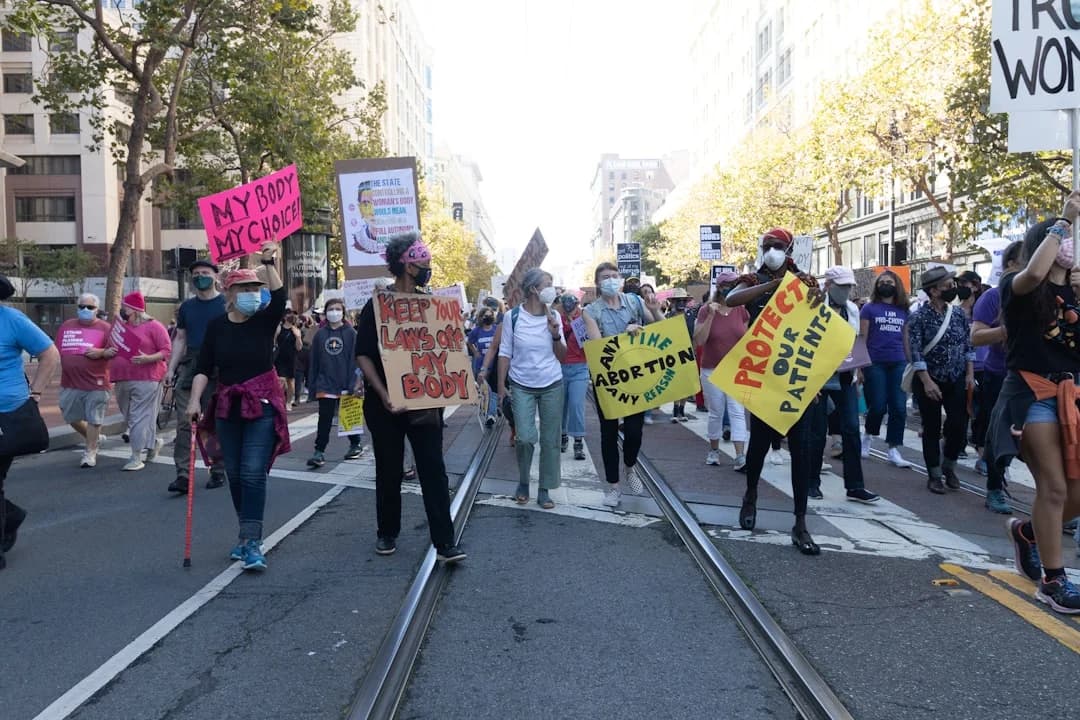
Photo by Graham Klingler on Unsplash
The San Francisco teachers strike 2026 contract saga concluded with a tentative deal reached early Friday morning, ending a four-day walkout by roughly 6,000 educators across San Francisco Unified School District (SFUSD). The agreement, struck after more than 13 hours of bargaining, signals a turning point for the city’s schools as classes were planned to resume after a long weekend. The duration of the strike and the scale of the district’s closure sent ripples through the Bay Area’s economy, with families scrambling for childcare and employers recalibrating operations around school schedules. The headlines were clear: SFUSD and the United Educators of San Francisco (UESF) secured a two-year contract framework that negotiates wages, health care, and workloads, while underscoring the district’s ongoing fiscal constraints and state oversight. This development matters not only for teachers and families but also for businesses and technology firms that rely on a stable, literate workforce and predictable local infrastructure. As San Francisco and the broader Bay Area watch the post-strike period, analysts will be tracking how the deal influences technology adoption in education, district budgeting, and local market dynamics. (apnews.com)
The strike’s reach extended beyond the classroom doors and into the city’s economic tempo. Estimates from national and local outlets put the number of students affected at about 50,000 across more than 120 SFUSD campuses, with schools closed for several days as teachers picketed. The disruption highlighted the city’s reliance on public education as a social and economic engine, and it prompted a broader dialogue about funding, health care costs, and the role of technology in sustaining learning during a labor dispute. As recorded by AP, CBS, and local outlets, the four-day action ended as districts eased back into operation, and educators prepared to return to classrooms. The deal’s specifics — including health care funding for families and targeted pay raises — will shape the district’s budget planning and staffing decisions for years to come. (apnews.com)
Section 1: What Happened
Strike timeline and scope
- The SFUSD teachers strike began on Monday, February 9, 2026, with approximately 6,000 educators walking the picket lines and the district closing all 120 campuses. The stoppage marked the city’s first major walkout in nearly five decades, intensifying pressure on negotiators and sending a ripple effect through families and employers planning around school schedules. By Friday, February 13, the parties announced a tentative agreement after about 13 hours of bargaining, effectively bringing the labor action to a close and enabling schools to reopen in the following days. The four-day strike captivated local attention and drew national coverage. (latimes.com)
Key terms of the tentative deal
- While reporting on the precise wage figures varied slightly across outlets, the core framework centered on targeted pay raises and enhanced health care for dependents. The Los Angeles Times and other sources described a two-year pay rise in the range of 5–6% for teachers, with varying structures (some reports emphasized a 5% total over two years; others cited a 6% increase over two years with annual steps). In parallel, the district agreed to fully fund family health care for dependents starting in 2027, a landmark provision given the district’s prior cost-sharing arrangements. Paraeducators and other classified staff were also slated for sizable increases, along with adjustments to special education workloads and related supports. Notably, the agreement requires ratification by the teachers’ union and Board of Education before taking effect. (latimes.com)
- A parallel view from KQED details more granular terms: paraeducators would receive an 8.5% raise over two years (4% this year, 4.5% next), certificated educators would obtain 2% raises in each of the next two years, and specific enhancements for special education workloads would be pursued through a collaborative educator working group with budget authority. Beginning January 2027, SFUSD would cover the full cost of premiums on its lowest-rate Kaiser plan for family health coverage, with incremental cost relief measures slated for July 2026. These terms reflect a careful balance between teacher compensation, health benefits, and the district’s ongoing fiscal constraints. The union also stressed protections around sanctuary policies and housing supports in district language. >The deal is retroactive to July 2025 and still requires formal ratification. (kqed.org)
Reopening and operational transition
- With the tentative agreement in hand, SFUSD signaled a transition back to normal operations. Schools were planned to reopen to students after the long weekend, with staff expected to return and districts to resume in-person instruction on the next scheduled school day. The district’s leadership framed the settlement as a constructive step toward stabilizing learning environments while acknowledging the district’s financial constraints and oversight status. The broader reopening underscored the city’s reliance on a functioning public education system for workforce continuity and family stability. (kqed.org)
Context and background
- The negotiation phase preceding the tentative deal included extensive fact-finding and impasse, with SFUSD and UESF engaging in 11 bargaining sessions over nearly a year. A neutral fact-finding panel had recommended a compromise on salary increases and budgetary considerations, but a final agreement required concessions from both sides. The district’s financial structure — including a structural deficit and state fiscal oversight — framed much of the public dialogue around the cost of health care, staffing, and union demands. The district also highlighted the potential use of certain reserve funds and parcel tax revenues to support health care commitments, signaling the interplay between local tax policy and labor agreements. (sfusd.edu)
Section 2: Why It Matters
Fiscal constraints and budget dynamics
- SFUSD’s fiscal picture has been tense for years, characterized by a structural deficit and state-appointed fiscal oversight that can veto spending decisions perceived as unsustainable. The district faced a projected deficit in the vicinity of $100 million for the upcoming year, compounding negotiations over raises and benefits. Analysts and district officials have warned that even successful deals must navigate the ongoing need to balance instructional quality with long-term solvency, as revenue streams shift and state funding arrangements evolve. The tentative contract’s funding mechanisms and the district’s reliance on parcel tax measures (such as Proposition A) to support teacher compensation illustrate the broader fiscal tightrope that urban school systems in high-cost regions frequently walk. (sfchronicle.com)
Health care costs and benefits: a fiscal turning point
- A central sticking point in negotiations was health care funding. The UESF pressed for fully funded health care for families, a provision that SFUSD historically struggled to finance at scale. The agreement’s healthcare components — including premium coverage for dependents starting in 2027 and partial cost-sharing adjustments in the interim — represent a substantive shift in the district’s long-standing cost structure. These changes carry implications for the district’s budget planning, employee retention, and the market’s perception of SFUSD as an employer in a city with elevated living costs. The healthcare provisions were widely reported by AP, KQED, and other outlets as a milestone in the bargaining process. (apnews.com)
Workloads, special education, and workforce policy
- Beyond wages and health care, the deal included moves to address workloads, particularly for special education staff. SFUSD’s early talks and subsequent coverage by KQED and AP highlighted the district’s commitment to implement workload improvements and establish a working group with budget authority to improve special education programs. The emphasis on workload reform reflects a broader market dynamic in education technology and services: school districts are increasingly evaluating staffing models, caseloads, and the role of technology in augmenting rather than replacing educator capacity. While the specifics of workload reforms require ratification and implementation, the direction aligns with ongoing national conversations about how to deploy technology and human resources efficiently in classrooms. (kqed.org)
AI policy, sanctuary protections, and safety considerations
- The tentative agreement also touched on policy guardrails around artificial intelligence and student protections. Notably, terms were reached to limit the district’s use of AI in certain contexts and to strengthen sanctuary protections for immigrant and unhoused students. These provisions reflect concerns about data privacy, teacher autonomy, and the ethical deployment of AI tools in schools — issues that have broader relevance as tech firms and educators alike navigate the intersection of AI capabilities and classroom realities. The agreement’s stance on AI and sanctuary protections was documented by KQED and LAT, underscoring the integration of technology governance into labor contracts. (kqed.org)
Technology’s role in a disrupted learning ecosystem
- The SFUSD strike amplified debates about how technology supports learning when traditional staffing structures are temporarily disrupted. With several days of school closures, districts often lean more heavily on digital resources and remote learning options to maintain continuity. Bay Area tech firms and edtech platforms watch such events closely, as they influence product development priorities, customer demand, and risk assessment for clients who rely on stable school schedules. While SFUSD’s deal centers on compensation and benefits, the broader implications for technology adoption, AI governance, and data privacy in educational settings are likely to shape market trends in the education technology sector. The coverage from AP, Guardian, and local outlets highlights the scale of disruption and the potential for technology-based resilience strategies in urban districts. (apnews.com)
Impact on families, students, and local markets
- The immediate social and economic impact of the strike extended to childcare arrangements, meal programs, and parental work schedules. AP and CBS described families scrambling for childcare as 50,000 students faced interrupted learning, a situation that reverberates through the Bay Area’s labor market and commuter patterns. As classrooms prepare to reopen, measurements such as attendance, student engagement, and post-strike learning recovery will be important indicators for schools and policymakers. This moment also prompts questions about how well-funded health care benefits and targeted wage increases translate into improved retention of educators in San Francisco, a factor that influences district stability and, by extension, the technology-enabled learning ecosystems that local employers rely on. (apnews.com)
Why this matters for market trends in the Bay Area
- The San Francisco Bay Area is a high-cost, high-innovation region where public services, including education, interact with industry dynamics. The proposed health care funding, wage adjustments, and workload reforms in the San Francisco teachers strike 2026 contract carry implications for the local labor market, real estate, parcel tax politics, and the business community’s ability to attract and retain talent. The district’s budget stress — including a need to balance a deficit and ongoing oversight — highlights the fiscal constraints that can shape investment in technology, from classroom hardware to AI-driven analytics and student support tools. Market watchers will want to monitor how SFUSD allocates any surplus funds, how state fiscal oversight evolves, and how local policy decisions (such as parcel tax renewal) influence the district’s capacity to implement advanced tech-enabled teaching solutions. (sfchronicle.com)
Section 3: What’s Next
Ratification, approvals, and the path forward
- The tentative agreement now moves to formal ratification by UESF members and approval by the SFUSD Board of Education. While the terms provide a framework for increased compensation and enhanced health care, the ratification process introduces another phase of scrutiny and public discussion. The need for board approval and potential voting by union members means a careful rollout of communications, budget planning, and transition timelines. Local outlets emphasized that the two-year term would start after the expiration of the prior contract and would end in 2027, indicating that a new round of negotiations could begin soon after ratification if budgets or policy priorities shift. Stakeholders will be watching for ratification timelines and any contingencies tied to budget reserves and state oversight. (sfchronicle.com)
Monitoring post-strike indicators and long-term effects
- In the weeks following reopening, several indicators will matter for readers focused on technology and market trends: student attendance and engagement, teacher retention and morale, and the district’s ability to manage healthcare costs within budget constraints. KQED highlighted the possibility of ongoing discussions around special education supports and the district’s workload policies, signaling that a period of transition is likely. Analysts and local business leaders will also track municipal financing decisions, the status of Proposition A or similar parcel-tax measures, and how those decisions influence SFUSD’s capacity to fund health care benefits and staffing initiatives. The broader Bay Area market will watch whether the strike's resolution stabilizes or shifts ongoing demands for increased public investment in education and technology-enabled learning. (kqed.org)
What to watch for in the near term
- Next steps include formal ratification votes, potential budget amendments, and the Board of Education’s review process. Reports indicate the district’s need to address a potential budget shortfall and the possible use of reserve funds to cover the costs of the healthcare package and wage increases, all while maintaining compliance with state oversight. The debate around how SFUSD funds these commitments could influence future technology investments for classrooms, such as AI-enabled analytics, assistive technologies for special education, and data security measures. For readers and stakeholders, keeping an eye on SFUSD press releases, board meeting minutes, and reliable local coverage will be essential to understand how the contract translates into classroom realities and market signals. (sfchronicle.com)
Closing
The end of the San Francisco teachers strike 2026 contract marks more than a labor milestone; it signals how a major urban school district negotiates compensation, health care, and workload realities in a fiscally constrained environment while integrating increasingly important technology governance considerations. The agreement’s specifics — including variations in reported wage figures across outlets and the healthcare provisions slated for 2027 — illustrate the complexity of balancing educator needs with the district’s long-term solvency. As SFUSD moves toward ratification, the city will watch not only whether students return to classrooms smoothly but also how the region’s tech economy absorbs the ripple effects of a restored school calendar and what investments in edtech and related infrastructure will accompany a newly negotiated contract. The post-strike period will be a critical test of how effectively SFUSD translates the negotiated gains into measurable improvements in student outcomes, teacher retention, and overall educational quality, while navigating ongoing state oversight and fiscal constraints. For families, educators, and business leaders alike, the lesson is clear: in a high-cost, high-visibility market like the Bay Area, the intersection of education, technology, and economics will continue to shape both public services and private sector opportunities in meaningful ways. Stay tuned to SFUSD announcements and trusted local reporting for ongoing updates on the San Francisco teachers strike 2026 contract and its real-world impact. (apnews.com)