
San Francisco 2026 Transit Electrification Plan
Neutral, data-driven look at San Francisco transit electrification 2026, outlining milestones, funding, and rider impacts.
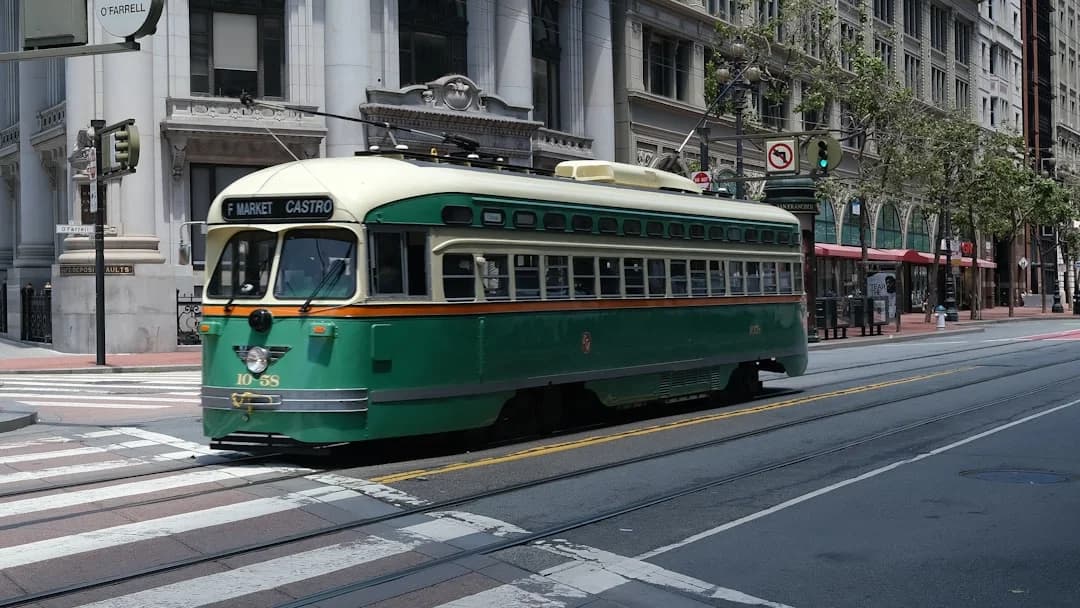
The year 2026 marks a pivotal moment in San Francisco’s ongoing push toward a fully electrified public transit system. San Francisco transit electrification 2026 is unfolding across multiple agencies, with Caltrain resuming electric service along the Peninsula, Muni testing and expanding battery-electric buses, and regional funding mechanisms aligning to accelerate zero-emission goals. The immediate news in January 2026 includes Caltrain restoring Tamien electric train service after a period of transition, and the Bay Area’s transit landscape moving decisively toward a cleaner, more reliable system. These developments are not isolated wins; they reflect coordinated efforts across regional transit agencies, state policy, and federal funding streams designed to shift the Bay Area toward a lower-emission mobility future. For riders, the changes mean more consistent, faster service in selected corridors and new charging infrastructure that must scale to a growing BEB (battery-electric bus) fleet over the coming decade. Caltrain’s January 2026 service updates, the SFMTA’s ongoing BE rollout, and RM3-supported investments together illustrate how San Francisco transit electrification 2026 is becoming a two-front modernization: faster electrified rail service in the core corridors and a more electric bus network reaching into neighborhoods citywide. (caltrain.com)
Caltrain’s electrification milestone in San Francisco and the broader Peninsula corridor remains a cornerstone of the region’s electrification ambitions. Caltrain’s electrification project delivered fully electrified service on September 21, 2024, a landmark achievement that set the stage for 2026 and beyond. By early 2025, the project was in the closeout phase, with trains and infrastructure reaching substantial completion as a foundation for ongoing operations and maintenance. The project’s budget remained fixed at about $2.44 billion, underscoring the scale and complexity of delivering electrified traction power and trainsets to a multi-jurisdictional system. As of 2025, the agency reported continuing closeout activities, with several subcontracts nearing final acceptance. For riders, the result is a faster, quieter, and more energy-efficient service pattern on the Caltrain corridor, including a transition from diesel to electric traction in the core segments. The official service pattern changes and the subsequent adjustments to the timetable were designed to optimize electrified service while maintaining reliability across the week. This is an essential element of San Francisco transit electrification 2026 because it demonstrates how electrification is transitioning from a capital project to a sustained operating model. The January 2026 status update confirmed that the Tamien station and surrounding segments would see resumed electric service, signaling progress toward a fully electrified operational backbone for the region. (caltrain.com)
Tamien’s electric service restoration, announced for January 31, 2026, is complemented by broader operational changes that underscore the shift toward electrified mobility. Caltrain’s update highlights that the Tamien electric trains would be reintroduced on both weekdays and weekends, and that a temporary VTA-operated replacement bus service between Tamien and San Jose Diridon would end on January 30, 2026. These changes are part of the phased realignment needed to optimize electrified operations and to align rider expectations with the new service pattern. In parallel, Caltrain’s fare structure adjustments—specifically the elimination of the Clipper discount starting January 1, 2026—reflect ongoing efforts to standardize pricing as the system transitions to more electrified service and integrated rider experiences. Taken together, these operational and pricing adjustments illustrate how the region is moving from construction and transition to a stabilized, electrified backbone. (caltrain.com)
The electrification narrative in San Francisco is not limited to rail; it extends robustly into the bus network, where the SFMTA’s all-electric fleet transition is a central pillar of San Francisco transit electrification 2026. The city has positioned itself as a leader in zero-emission transit, building on the MARC of leadership that began with the Zero Emission Bus Rollout Plan adopted in March 2021. The plan set out the path to replace the biodiesel and diesel-hybrid fleet with battery-electric buses, supported by a combination of local, state, and federal funding and guided by CARB’s Innovative Clean Transit regulation. As of 2026, the SFMTA reports substantial progress: a pilot program including 15 battery-electric buses from five manufacturers is informing procurement decisions, with a broader BEB strategy framed around upgrading support facilities and grid capacity to accommodate rapid fleet growth. A key milestone for 2026 is the construction of the first electric bus facility, a critical step in enabling a reliable, city-wide BEB deployment. The project schedule shows 2023–2026 as the window for constructing the first BEB facility, with procurement timelines extending from 2027 to 2040 for the full fleet. The plan envisions a 2035 target for 100% battery-electric procurement, with 100% BEB fleets in future procurements as infrastructure scales. These details are central to understanding San Francisco transit electrification 2026 because they highlight the relationship between fleet modernization and the underlying electrical, charging, and facility upgrades that make BEB operations feasible. (sfmta.com)
Funding and capital planning play an outsized role in San Francisco transit electrification 2026, with regional measures and multi-agency collaboration shaping the pace and scale of electrification. The Metropolitan Transportation Commission (MTC) allocated Regional Measure 3 (RM3) capital funds to SFMTA for electrification initiatives. In March 2024, RM3 funds totaling $7.6 million were directed to the Kirkland Yard Electrification Project ($3.8 million) and to the purchase of six 60-foot and twelve 40-foot battery-electric buses ($2.4 million). These investments are aimed at modernizing Muni’s core facilities and expanding the BEB fleet, which are prerequisites for achieving the city’s zero-emission goals while maintaining reliable service for residents and workers. While the RM3 program includes broader regional investments, the SFMTA’s Kirkland Yard Electrification Project is a particularly visible component because it directly addresses the facility constraints that have historically limited BEB deployment. The timing of these funds—early 2020s allocations with delivery in the following years—illustrates how capital planning aligns with fleet procurements and charging infrastructure expansion in the 2026 context of San Francisco transit electrification. (masstransitmag.com)
In addition to Caltrain and Muni electrification efforts, regional infrastructure planning and modernization continue to shape the 2026 landscape. San Francisco’s Office of Resilience and Capital Planning (ORCP) maintains a cap plan for 2026 that includes a dedicated focus on fleet electrification, Muni’s yard modernization, and the broader transition to zero-emission facilities. The plan identifies SFMTA projects such as Fleet and Facility Electrification, which is central to the city’s path to a 100% zero-emission fleet by 2040. The cap plan also emphasizes the need for utility readiness and upgrades—particularly electricity supply to Muni’s six facilities—to support multi-year BEB procurement and operation. It also notes that the electrification transition will require off-site power supply improvements and coordination with PG&E and SFPUC. These planning notes are not merely administrative; they signal the practical constraints and milestones that riders will experience as San Francisco transit electrification 2026 unfolds—charging capacity, yard readiness, and the reliability of BEB operations in a dense urban environment. (onesanfrancisco.org)
What happened in 2026 thus far is a convergence of electrified rail progress, bus fleet modernization, and structured funding that collectively move San Francisco toward a more electric public transit system. Caltrain’s January 2026 timetable adjustments and Tamien electric service resumption illustrate how electrified rail is becoming the norm rather than the exception across the Peninsula corridor. The February–March 2026 developments, including the cessation of the temporary VTA bus service and the alignment of local transit schedules with electrified train operations, emphasize how electrification is transitioning from a capital project to an enduring operational reality. The calendar of events—full electrified service at Tamien, the end of a temporary replacement bus, and the elimination of the Clipper discount for some Caltrain fares—demonstrates a practical, day-to-day impact of electrification for riders who rely on a more integrated, predictable transit network. These operational steps are important signals for riders and analysts who watch how infrastructure investments translate into reliability and affordability in daily commutes. The plan for 2026 and beyond includes continuing CLIPPER transitions, price alignment, and schedule harmonization that reflect electrification’s ongoing integration into the Bay Area’s transit ecosystem. (caltrain.com)
Section 1: What Happened
Caltrain’s electrification and Tamien service restoration
- Caltrain’s electrification project delivered full electrified service on the Peninsula, with electric trains running and the system moving into a closeout phase by early 2025. The project’s budget stood at approximately $2.44 billion, underscoring the scale of the investment and the integration challenges involved in delivering traction power, rolling stock, and operations for a multi-jurisdiction system. The January 2026 Caltrain service changes page confirms that a new schedule starts January 31, 2026, reintroducing Tamien electric service on both weekdays and weekends, and ending the temporary VTA replacement bus service between Tamien and Diridon. In short, the Tamien segment is returning to electric operation, part of Caltrain’s ongoing electrified service pattern on the corridor. In addition, Caltrain announced the elimination of the Clipper fare discount effective January 1, 2026, aligning pricing across fare types as electrified service expands. These changes illustrate the operational realities of a rail system transitioning to electrified traction and integrated fare structures as part of the 2026 electrification landscape. (caltrain.com)
SFMTA BE rollout progress and facility investments
- The SFMTA’s All Electric Fleet Transition program continues to advance the city’s plan to replace fossil-fueled buses with battery-electric buses while updating yards and charging infrastructure to support new procurement. The project timeline indicates 2023–2026 as the window for constructing the first electric bus facility, with continued procurements in 2027–2040 to achieve a 100% BEB lineup by 2040. The program’s Next Steps and long-range procurement schedule highlight a strategy to coordinate facility upgrades with the timing of BEB acquisitions, a necessary step given the city’s high demand for transit reliability and its hills and climate conditions that stress electrified power systems. The SFMTA notes that 2019’s Green Zones pilot informed the feasibility of transitioning to battery power in practice, and that a 2023 grant (approximately $33 million) will fund 18 charging stations with inverted pantographs at two yards (Woods and Islais Creek). This investment in charging infrastructure is critical to enabling the BEB rollout, especially in a city with complex terrain and space constraints. The agency’s broader policy target—100% BEB procurement by 2035—remains a central anchor for 2026 and beyond. (sfmta.com)
Regional and funding context shaping 2026 electrification
- The RM3 funding and broader Bay Area capital planning play a pivotal role in accelerating the electrification agenda. The RM3 allocations in 2024, including funds for Kirkland Yard electrification and Muni bus replacements, demonstrate the regional commitment to electrification and fleet modernization. The 2024 RM3 funding mix—$3.8 million for the Kirkland Yard electrification and $2.4 million for new Muni BEBs—reflects a practical approach to modernizing facilities that are a bottleneck for BEB deployment, accelerating the pace at which the Muni bus fleet can transition away from diesel hybrids. These funds, combined with ongoing cap-plan investments in fleet electrification and yard modernization, illustrate how financial scaffolding underpins the 2026 electrification milestone. For readers following San Francisco transit electrification 2026, RM3-supported projects provide a tangible signal of how capital commitments translate into on-the-ground improvements for riders. (masstransitmag.com)
What section 2: Why It Matters
Rider experience and reliability
- The electrification push has direct implications for rider experience in terms of comfort, reliability, and service predictability. Electrified rail on Caltrain improves acceleration, quietness, and energy efficiency, and aligning Timetables with the Tamien electrification helps reduce dwell times and maintain a clock-face schedule in key corridors. For bus riders, the BEB trials and the charging infrastructure investments at Woods and Islais Creek aim to deliver consistent performance across long-service days, including the steep grades on certain routes. While BEB procurement and facility upgrades take time, the ongoing process is designed to minimize service interruptions and bolster punctuality across Muni routes as the fleet modernizes. The overarching objective is a transit system that performs reliably even as the city densifies and ridership patterns change post-pandemic. The 2035 target of a 100% BEB fleet is not a distant horizon; it informs near-term decisions on route planning, maintenance scheduling, and energy management strategies that affect riders every day. (caltrain.com)
Environmental and health implications
- Electrification reduces direct emissions from the transit fleet, helping the city meet climate and air-quality targets. Caltrain’s electrified service eliminates diesel emissions along its electrified corridors, while Muni’s BEB transition reduces the city’s transportation-related emissions and lowers local air pollutants in neighborhoods with dense transit use. Investments in charging infrastructure and grid upgrades also support a broader decarbonization strategy that complements other city climate actions. The SFMTA frames its BE rollout within the larger context of transportation sector climate action strategy and emissions reduction goals. While the full environmental impact depends on the mix of BEB adoption, grid decarbonization, and ridership levels, the electrification trajectory in San Francisco transit electrification 2026 aligns with regional and state objectives to reduce greenhouse gas emissions from transportation. (sfmta.com)
Regional integration and economic considerations
- The electrification program also intersects with regional planning and budgets. The Tamien timetable changes and Clipper fare alignment are part of a broader effort to make regional rail more integrated with other Bay Area transit modes. The Bay Area’s transit ecosystem—Caltrain, BART, Muni, and other agencies—faces shared funding pressures as shown by transit predictions and ballot initiatives discussed by Streetsblog San Francisco in 2026, underscoring the importance of coordinated financial planning and voter support to sustain electrification efforts. The RM3 funding, which has provided hundreds of millions of dollars for regional transit improvements, is a critical enabler for electrification, but it also highlights the ongoing need for sustained funding to realize long-term fleet modernization and facility upgrades. The 2026 context shows that electrification is a multi-year, multi-agency effort requiring continued collaboration among city, county, and regional transportation bodies. (sf.streetsblog.org)
Section 3: What’s Next
Near-term steps and timelines
For Caltrain, the January 2026 timetable changes set the stage for a more stable electrified service in the Tamien–Diridon corridor and beyond. The agency’s focus will likely shift toward getting the remaining electric trainsets into routine service, finalizing BBII project closeouts, and ensuring traction power infrastructure remains robust as ridership returns and grows. The overarching electrification project’s closeout status implies a period of operational refinement, with ongoing monitoring of energy use, maintenance costs, and reliability metrics as electric service expands to new segments. (caltrain.com)
For SFMTA, the BE rollout continues to unfold with a phased approach to facility upgrades, charging infrastructure, and procurement. The Woods and Islais Creek charging upgrades—part of a $33 million grant—lay the groundwork for greater BEB penetration, while the policy framework targets a full electric fleet by 2035. In practice, expect continued BEB procurements aligned with facility upgrades, with 2027–2040 serving as the core window for fleet expansion. The 2026 year will likely see continued testing of BEBs across several routes, with performance data shaping the next round of procurement decisions and potential adjustments to the pace of rollout based on grid capacity and maintenance needs. (sfmta.com)
Regional planning and voter engagement will influence financing and implementation. The RM3 pathway remains essential, with future rounds of capital funding potentially accelerating or re-timing specific projects like Kirkland Yard electrification or additional BEB purchases. Stakeholders should monitor regional funding cycles, transit ballot measures, and state policy developments that could affect electrification timelines and fleet composition. The Streetsblog SF analysis in 2026 highlights how political and financing dynamics can shape the pace of transit modernization, including electrification, in the near term. (sf.streetsblog.org)
Longer-term outlook and milestones
The strategic path toward 2035 and beyond centers on completing the BEB transition in SF, aligning fleet procurement with facility readiness and grid capacity, and ensuring that charging and electrical infrastructure scale in step with the growing BEB fleet. The SFMTA’s published timeline indicates the broad order of magnitude: 2023–2026 for early BEB facilities, 2027–2040 for fleet procurement, and a 2035 policy target for 100% battery-electric procurement thereafter. This structure suggests that every 2–3 year window will bring a new wave of rollouts—new buses, new charging assets, and new maintenance capabilities—each contributing to a more electrified public transit system that is better for riders, the city’s climate, and regional air quality. (sfmta.com)
Caltrain’s electrified service will continue to mature as rolling stock deliveries, maintenance practices, and crew training stabilize. The near-term focus will be on integrating the electric trainsets into daily operations, refining timetables, and coordinating with BART and other Bay Area services to optimize cross-agency transfers and connections. The 2024–2027 window for trainset delivery and testing provides a meaningful cadence for the region to monitor reliability, performance, and energy efficiency improvements in the context of San Francisco transit electrification 2026 and beyond. (caltrain.com)
Closing
As San Francisco transit electrification 2026 unfolds, the city’s transit agencies are translating long-term climate and mobility goals into concrete, time-bound actions. Caltrain’s January 2026 timetable adjustments and Tamien electric service restoration represent a pivotal operational milestone, while Muni’s BE rollout progress—backed by RM3 funding and targeted facility upgrades—demonstrates a practical path to a cleaner, more reliable, and more resilient urban transit network. The convergence of rail electrification, bus fleet modernization, and regional funding signals that the Bay Area is moving beyond pilot programs toward a scalable, citywide electrification strategy. For riders and observers, the key takeaway is that 2026 is a year of turning plans into daily experiences: electrified rail service in a growing number of corridors, a bus fleet that will gradually shift to battery power, and a funding ecosystem that supports the necessary facilities, charging, and grid readiness. Readers should stay tuned for updates on timetable changes, new BEB procurements, and the next phase of facility upgrades that will determine how quickly the Bay Area can realize the benefits of a fully electrified transit system. To stay informed, monitor official agency channels from Caltrain and SFMTA, as well as regional platforms like RM3 funding announcements and platform updates from Bay Area transit media outlets. (caltrain.com)