San Francisco Universal Transit Pass Pilot 2026 What to Know


Photo by Patrick Robert Doyle on Unsplash
The San Francisco universal transit pass pilot 2026 is taking shape in the Bay Area as a high-profile test of fare integration across multiple transit operators. In the most visible form, the Clipper BayPass pilot now anchors a regional effort to determine whether a single pass can simplify access to buses, trains, and ferries across the nine-county Bay Area. The program centers on institutional sponsors like the University of California, San Francisco (UCSF), and is managed in partnership with the Metropolitan Transportation Commission (MTC) and local transit operators. The latest developments show continued momentum into 2026, with formal extensions and procurement actions that signal the region’s willingness to explore an all-ages, all-operator transit pass in larger-scale form. As this pilot unfolds, officials emphasize that the goal is to study behavioral changes, revenue implications, and equity outcomes that could inform future regional fare policies. (mtc.ca.gov)
At the heart of the BayPass effort is a two-phase approach designed to test an “all-system” pass across the Clipper network. Phase 2 began in January 2024 with a handful of anchor partners and has since expanded to additional employers and institutions. The model is straightforward in concept: eligible participants receive Clipper BayPass access linked to their Clipper card, enabling unlimited rides on transit services that participate in the Clipper system. Important caveats remain, including exclusions forCable Cars, parking, BayWheels, and BikeLink. This pilot is not a public, citywide program at this stage; rather, it is a controlled, employer- and institution-based initiative intended to yield lessons for broader implementation. The pilot’s phased rollout, scale of partner organizations, and measured outcomes are all designed to answer whether a Bay Area-wide universal pass could be practical and beneficial beyond a pilot context. (mtc.ca.gov)
Section 1: What Happened
BayPass Pilot Overview
The Clipper BayPass pilot stands as a regional fare integration initiative that aims to unify access across Bay Area transit operators through a single pass. Phase 2, which began in January 2024, introduced a multi-institutional model that included UCSF, the City of Menlo Park, and the Alameda Transportation Management Association (Alameda TMA) as core partners. The Phase 2 approach was designed to measure how unlimited transit access affects travel behavior, inter-agency transfers, and the broader adoption of transit as a primary mobility option. Phase 2 findings have highlighted notable shifts in rider behavior and system use across partner organizations. Specifically, the program seeks to quantify incremental trips, revenue impacts, and public perception of transit convenience. The BayPass pilot’s two-phase structure is intended to inform whether an expanded, system-wide BayPass product could be sustained post-pilot. Phase 2 is also notable for its cross-sector partnerships, which have included universities, local government, and housing associations, illustrating the breadth of stakeholders sought for potential expansion. The Clipper BayPass program underscores the Bay Area’s ongoing experimentation with fare policy as a lever to boost ridership and equity. (mtc.ca.gov)

Photo by Maarten van den Heuvel on Unsplash
Timeline of UCSF’s BayPass
Key dates anchor the UCSF portion of the BayPass effort, which has evolved since its inception. In December 2023 UCSF first purchased the Clipper BayPass for a subset of employees, marking the beginning of the employer-sponsored era for the program. January 2024 saw the formal expansion into Phase 2, with UCSF joined by other partner organizations as part of the pilot’s broader scaling. In 2024 and 2025, UCSF continued to extend BayPass access, including student engagement as part of the campus program. By late 2025 and into 2026, MTC and partner agencies were actively negotiating and approving amendments to the BayPass partnership to extend the program and expand participation. The latest formal action shows a commitment to keeping the BayPass program active through 2026, with explicit contract extensions and amendments tied to a multi-year evaluation framework. For UCSF specifically, the pilot was extended through December 31, 2026, ensuring that participants can continue to use BayPass until year-end 2026. This extension reflects a broader confidence in the model’s ability to produce actionable data for regional policy discussions. (campuslifeserviceshome.ucsf.edu)
Financial Arrangements and Partners
The financial backbone of the BayPass pilot for UCSF and other institutional partners is explicit in regional governance documents. In November 2025, the Metropolitan Transportation Commission’s Regional Network Management Committee approved a partnership amendment with UCSF to reflect a minimum contract amount of $1,900,000 for the BayPass pilot extending through June 30, 2026. That agreement formalized the continued provision of BayPass to UCSF employees and, in some cases, students, through the Clipper BayPass Institutional Pass Portal. The same set of documents indicates ongoing efforts to onboard additional employers and institutions as part of Phase 2 expansion, with the aim of scaling the program to at least 20 Bay Area employers. The broader regional context shows a sustained policy push toward fare coordination and potential multi-agency passes that would be available to a larger population beyond the current institutional pilots. The 2b Summary Sheet emphasizes the pilot’s structure, funding mechanism, and performance expectations, reinforcing the pilot’s status as a controlled, data-driven test rather than a guaranteed permanent program. (mtc.ca.gov)
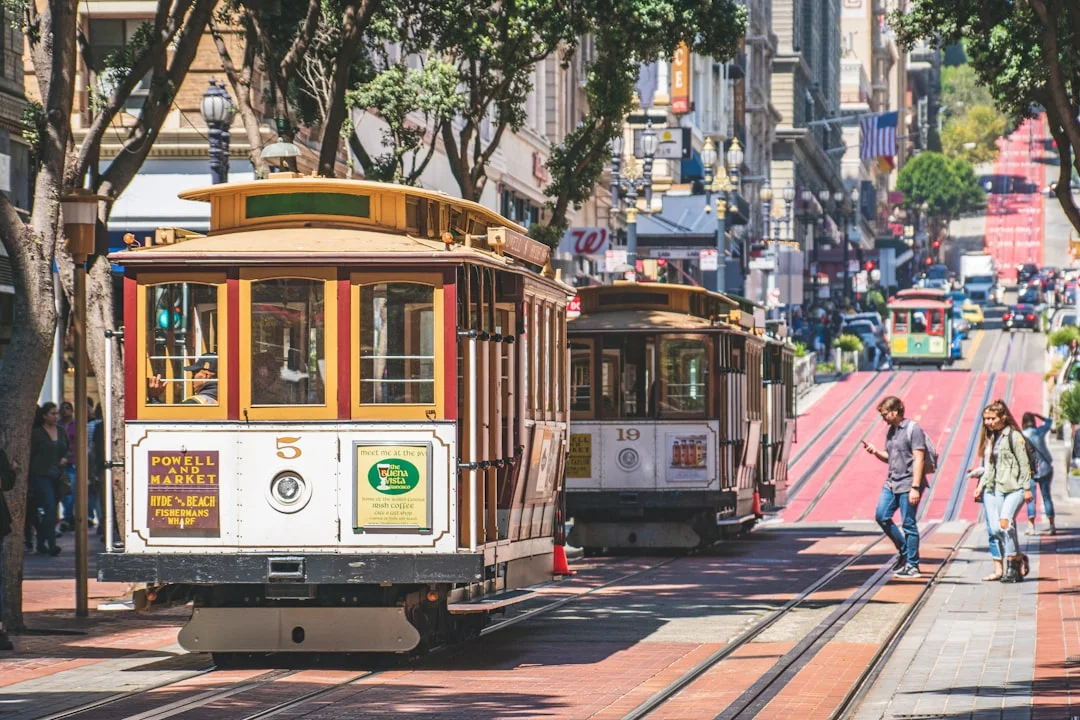
Photo by Daniel Abadia on Unsplash
In addition to the formal contracts, the Clipper BayPass program presents a broader narrative about regional fare coordination. The BayPass implementation has already produced measurable outcomes in its Phase 2 evaluation, including reported increases in transit use among participants. The Clipper BayPass Phase 2 Preliminary Evaluation documents show significant usage changes among partner organizations, including UCSF, Alameda TMA, and City of Menlo Park. These results include a reported 35% increase in transit trips in 2024 among BayPass participants compared with 2023 (before they had BayPass), alongside sizable inter-agency transfer increases and revenue implications for Bay Area transit operators. The data underscore the pilot’s potential to influence transit policy, ridership strategies, and fare design across the region. (mtc.ca.gov)
Section 2: Why It Matters
Regional Fare Integration Implications
The BayPass pilot sits at the intersection of fare policy, rider convenience, and network efficiency. If scalable, the universal transit pass concept could unify multiple operators under a single fare framework, reducing the friction associated with using different passes and fare structures across the Bay Area. The Phase 2 data indicate that when participants have access to a pass that covers multiple operators, trips increase, inter-agency transfers rise, and riders perceive transit as a more attractive option for daily life, school, and work. The Clipper BayPass Phase 2 Preliminary Evaluation highlights a notable increase in inter-agency transfers and an overall rise in trip frequency, which translates into potential revenue shifts for transit operators and a shift in mode choice among riders. These results are a crucial sign that the Bay Area’s transit ecosystem could become more cohesive if a larger-scale universal pass were adopted. (mtc.ca.gov)

Photo by Varun Yadav on Unsplash
The BayPass program also demonstrates how regional coordination can be financed and evaluated. The Phase 2 data show an increase in trips across several operators, with specific gains such as a 34% rise in BART trips and a 93% rise in Caltrain trips among UCSF BayPass participants in the first year of Phase 2. While those figures come from a limited set of partner organizations, they provide a tangible glimpse into how a universal pass might interact with large, long-haul services in a multi-operator environment. The program’s coefficient of revenue implications—such as the approximately $1.1 million in additional fare revenue forecast for FY 2025 versus the status quo—help regulators and operators understand the financial dimension of universal access and the potential need for ongoing subsidy or revenue-sharing arrangements as participation grows. (mtc.ca.gov)
Equity and Access Considerations
Any shift toward a universal pass must reckon with equity considerations across households, students, workers, and residents of varying incomes. A Title VI equity analysis framework has been applied to BayPass-related policy work, examining how a pass program would affect access to transit for diverse populations and how benefits would be distributed across demographic groups. The equity analysis documents, such as those attached to BayPass Phase 2 planning, emphasize that the program is designed to be inclusive while also ensuring that the benefits of universal access do not disproportionately favor certain groups over others. The analysis acknowledges potential spillovers in the pilot’s early phases and outlines a path for ongoing monitoring, reporting, and course corrections based on performance metrics and rider feedback. This is particularly important in the context of a region characterized by pronounced income and housing disparities, where transit access can significantly influence economic mobility. (es.mtc.ca.gov)
At the institutional level, UCSF’s BayPass-related materials reiterate a careful, phased approach to expansion, focusing on pilot participants first and broader adoption only if outcomes demonstrate clear value. UCSF’s program materials show that the BayPass is currently limited to a specific group of employees and students, with explicit extension dates through 2026. This approach helps ensure that any future expansion is grounded in robust data about ridership, sustainability, and equity. The ongoing coordination among transit operators, universities, and employers signals a collaborative strategy to address equity while balancing financial and operational considerations. (campuslifeserviceshome.ucsf.edu)
Ridership and Revenue Implications
From an operational perspective, early BayPass results point to meaningful shifts in rider behavior and system usage that could influence future fare policy. Phase 2 data indicate that BayPass participants showed substantial increases in transit trips, with notable lift across major corridors and services. Specifically, the Phase 2 evaluation documents mention that participants generated additional fare revenue for Bay Area transit agencies in FY 2025 relative to a no-BayPass baseline, indicating that the pass model can both stimulate ridership and contribute to regional financing streams in a way that might offset subsidies if scaled. The BayPass data suggest a virtuous cycle: higher ridership can improve route metrics, support service levels, and justify further investment in fare coordination and service enhancements. These early results are not a guarantee of performance in a broader deployment, but they provide essential inputs for policymakers weighing a potential expansion of the universal transit pass concept beyond institution-based pilots. (mtc.ca.gov)
An especially compelling takeaway from the Phase 2 results is the depth of inter-organizational effects. The UCSF case shows growth in BART and Caltrain usage, underscoring how a universal pass can shift travel patterns to more rail-oriented trips within a single campus’s context. Alameda TMA’s data show significant increases in ferry and local transit usage, painting a broader regional picture of how a new fare product interacts with a diverse set of operators. These patterns are crucial for understanding how a universal pass might function in a multi-operator network that includes long-haul services and shorter, urban routes. The expansion of BayPass to additional employers and the ongoing evaluation to determine long-term viability are central to debates about whether a Bay Area-wide universal transit pass could eventually replace or complement existing multi-operator fare programs. (mtc.ca.gov)
Section 3: What’s Next
Expansion Scenarios
The BayPass pilot’s trajectory points toward a staged expansion model, with the aim of testing scalability, funding mechanisms, and governance structures that could support broader participation. The March 2026 MTC planning documents explicitly call for continuing to onboard new employers and institutions, as well as evaluating a potential extension beyond 2027 through revised participation agreements. The plan anticipates ongoing monitoring of fare coordination and integration, and it highlights that the BayPass concept could serve as a building block for broader multi-agency passes or even a future universal pass that spans most, if not all, Bay Area transit operators. The emphasis on phased implementation aligns with best practices in pilot programs: begin with controlled pilots, quantify outcomes, adjust program design, and scale only when evidence supports it. (mtc.ca.gov)
In parallel with programmatic expansion, the BayPass ecosystem is evolving alongside Clipper Next Generation and other fare-related modernization efforts. The Clipper BayPass program sits within a broader regional effort to modernize fare collection, align transfer policies, and simplify rider experience across the region. In particular, the Next Generation Clipper platform represents a broader modernization of how riders access and manage fare funds, which will be essential if a universal pass concept advances to a larger scale. The ongoing technical and policy coordination between MTC, transit operators, and Clipper is a critical enabler of any potential broader deployment, signaling a commitment to an interoperable, rider-friendly, and data-informed fare system for the region. (mtc.ca.gov)
Key Milestones for 2026-2027
As the BayPass pilot navigates 2026, several milestones are likely to shape the program’s course. First, UCSF’s current extension through December 31, 2026 provides a concrete end-of-year checkpoint for assessment and decision-making about broader adaptation. Second, MTC’s ongoing work program notes the intention to extend the Clipper BayPass pilot beyond 2027, contingent on performance and regional needs, which lays groundwork for a longer horizon of experimentation. Third, there is a recognized need to onboard additional employers to diversify the pilot’s representation, thereby generating more robust evidence about economic impacts, equity outcomes, and operational feasibility. Finally, the ongoing equity analysis and Title VI considerations will continue to inform whether a broader rollout would be equitable and justifiable under public policy objectives. Taken together, these milestones suggest a deliberate, evidence-based path toward potentially larger-scale fare coordination if data support expansion. (mtc.ca.gov)
What to watch for in 2026 includes updated Phase 2 evaluation results, any changes in the contract terms with participating employers, and public-facing transparency about rider experiences and outcomes. As BayPass expansions proceed, observers will be watching for indicators such as changes in average trip length, inter-agency transfers, and the distribution of benefits across income groups. Additionally, the BayPass program’s interaction with continuing Bay Area fare policy reforms, including Clipper START and other fare discounts, could shape the economics of any future universal pass. The overall context remains one of cautious optimism—a data-driven inquiry into whether a regional universal transit pass could be a scalable, equitable, and financially sustainable option for Bay Area travelers. (mtc.ca.gov)
Closing
The BayPass pilot remains a work in progress, reflecting a purposeful effort to unify Bay Area transit access through a single pass. While the program currently operates within a defined set of employers and institutions, its outcomes are already informing regional discussions about fare coordination, equity, and ridership growth. The UCSF and MTC materials demonstrate a collaborative approach to testing, measuring, and adjusting policy in real time, with a clear focus on what works for riders and what does not in a multi-operator environment. As Bay Area transit agencies continue to explore the feasibility of a San Francisco universal transit pass pilot 2026 and beyond, readers can expect ongoing updates as data accumulate, pilots broaden, and policy conversations evolve in parallel with technological and organizational changes in Clipper and BayPass. Riders and stakeholders should stay tuned to official transit agency channels and university partners for the latest announcements, schedule changes, and results from ongoing evaluations. The coming months will be pivotal in determining whether the BayPass model remains a campus- and employer-based pilot or becomes a blueprint for a broader, region-wide fare approach that could redefine how Bay Area residents travel. (campuslifeserviceshome.ucsf.edu)