Sausalito Sea-Level Plan Could Impact Waterfront Businesses

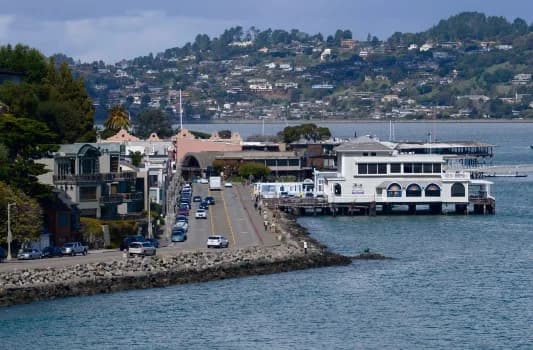
The Bay Area's coastline has long shaped the region’s economy, culture, and daily life. As a news organization focused on San Francisco, the Bay Area, and Northern California, the SF Bay Area Times covers how climate realities intersect with commerce, neighborhoods, and public policy. The Sausalito sea-level plan could impact waterfront businesses in ways that ripple through tourism, dining, marina operations, and coastal infrastructure. This piece situates the evolving shoreline strategy within Sausalito’s broader sea-level rise preparedness, while clearly noting where data and decisions remain in progress. For readers who follow independent journalism about local news, technology policy, and West Coast affairs, the conversation around Sausalito’s shoreline adaptation plan is a pivotal case study in resilience, equity, and economic vitality.
The central question isn’t only about seawalls or floodgates; it’s about how Sausalito’s waterfront economy can endure rising waters while preserving character, jobs, and historic working waterfronts. The draft shoreline adaptation plan—updated in late 2025 and still open to community input—frames risk reduction in a way that many waterfront business owners describe as urgent but complex. This is not just infrastructure planning; it’s a question of whether a coastal city can protect commerce, culture, and a way of life that has defined Sausalito for decades. The question at the heart of this article is: what does a successful, equitable shoreline adaptation strategy look like for a small, high-value waterfront economy? And who benefits or bears costs as the plan moves from draft to implementation? These are the kinds of questions policymakers, merchants, marina operators, and residents are wrestling with as Sausalito confronts a future shaped by climate change and regional collaboration.
Understanding Sausalito's shoreline adaptation framework and what it seeks to protect
Sausalito’s approach to sea level rise centers on a community-informed Shoreline Adaptation Plan designed to shield residents, infrastructure, and the local economy from both surface and groundwater flooding. The city emphasizes keeping Bay access for water-related businesses while pursuing nature-based solutions and regional collaborations. The plan outlines a prioritization framework for near-, medium-, and long-term adaptations and notes the aim to secure funding for design and implementation of prioritized projects. This framework is under active development, with public updates and appendices released as recently as late 2025. For readers who want a public-facing baseline, Sausalito’s own documents describe the plan as a means to “protect our community from surface and groundwater flooding due to sea level rise, enhance shoreline recreation, maintain vital transportation and utility corridors, provide continued Bay access for water-related businesses, and enhance marshes and beaches with nature-based solutions.” (sausalito.gov)
The City’s frequently asked questions on sea-level rise paint a vivid picture of vulnerabilities facing Sausalito—from sewer and stormwater infrastructure and flood-prone bridges to shoreline businesses, ferry landings, and public parks. The key takeaway from these City materials is that the problem is multi-faceted and must be addressed through an integrated plan that balances flood resilience with economic and cultural objectives. The city’s public-facing materials stress regional collaboration and phased, data-informed action as core design principles. (sausalito.gov)
As the planning process has evolved, the public conversation has grown about the tradeoffs involved in different adaptation approaches. Proposals range from engineered protections (such as seawalls or raised infrastructure) to floating or mobility-driven solutions, and from hard infrastructure to restoration of marshes and natural buffers. The dialogue reflects a broader Bay Area challenge: protecting critical infrastructure and local businesses while maintaining Sausalito’s maritime heritage and scenic, walkable waterfront. A recent media synthesis underscores that the debate has become a focal point for waterfront stakeholders who fear that certain adaptation paths could threaten long-standing establishments along the docks. (sfchronicle.com)
The evolving conversation in Sausalito also reflects real-time policy dynamics. In late 2025, the city’s draft plan drew attention and controversy among marina operators, restaurant owners, and property owners who worried about potential relocations or shifts in usage that could alter the waterfront’s economic fabric. News coverage highlighted that the plan contemplates a range of remedies, including possible seawalls, elevated utilities, floating structures, or ecological restoration—even though no final decision had been made at that stage. Public statements and reporting indicate a tension between rapid risk mitigation and preserving the working waterfront that has supported local jobs and tourism for years. (sfchronicle.com)
How the draft plan shapes the economic landscape for Sausalito’s waterfront
Sausalito’s shoreline adaptation effort is, at its core, an economic planning exercise as much as an engineering one. The plan’s stated purpose includes preserving Bay access for water-related businesses, maintaining transportation corridors, and enhancing recreational and ecological assets. The economic logic is straightforward: if the waterfront remains resilient, small businesses—marinas, restaurants, retail shops, tour operators, ferry services—can continue to operate, attract visitors, and hire local workers. If, however, adaptation measures impose prohibitive costs, displace established waterfront uses, or alter the visual and physical accessibility of the shoreline, there could be meaningful negative implications for revenue and employment. The planning documents repeatedly tie resilience investments to broader economic outcomes, including job preservation and the city’s tax base. (sausalito.gov)

Waterfront business owners have voiced clear concerns about how the plan’s adaptation measures could alter the operating environment. Some fear that ecological or protective infrastructure decisions might prioritize habitat restoration, flood protection, or shoreline stabilization at the expense of longtime commercial tenants and service-oriented ventures that rely on a stable, accessible harborfront. The public discourse around the draft plan—bolstered by local media coverage—highlights a core policy question: can Sausalito reconcile ambitious climate adaptation with the preservation of a thriving, authentic waterfront economy? The recent coverage notes a spectrum of viewpoints from business owners who worry about relocation, to advocates who emphasize the long-term protection that resilient infrastructure affords. (sfchronicle.com)
From a budgeting perspective, the plan’s proponents argue that early investments can reduce long-run damages. The City’s planning materials and related policy discussions point to a phased approach, with potential funding opportunities at local, regional, state, and federal levels. The explicit aim is to avoid “one-off” expenditures and instead pursue a prioritized, financially sustainable strategy that can adapt to new scientific information and evolving shoreline conditions. In practice, this means economic modeling that weighs the cost of protective structures against projected flood damages, property losses, and business interruptions. The City’s RFP for Sea Level Rise Adaptation planning explicitly calls for a holistic, equity-minded process that engages multiple stakeholders and coordinates with neighboring jurisdictions. (sausalito.gov)
A closer look at the options on the table: engineered protections, living shorelines, and floating infrastructure
The Sausalito shoreline adaptation conversation includes a suite of potential remedies, each with distinct economic, logistical, and sensory implications for waterfront businesses. While no final kit of measures has been universally adopted, the draft plan and public discussions illuminate several recurring categories:
- Engineered protections (seawalls, raised roadways and utilities): These measures can dramatically reduce flood risk but require significant capital, design rigor, and long lead times. They can also alter sightlines, access points, and the neighborhood’s scale and feel—factors that influence visitor experience and business activity.
- Elevated infrastructure and flood-proofed utilities: Elevating critical components like sewer lines, pump stations, and transportation corridors can maintain service continuity during flood events, supporting ongoing business operations. Costs and construction impacts are central considerations for merchants and commuters alike.
- Floating structures and water-adapted uses: Floating docks, modular floating platforms, or flexible marina arrangements can offer resilience while preserving water-based commerce. Such approaches can align with Sausalito’s maritime identity, though they may require specialized permitting and ongoing maintenance considerations.
- Ecological restoration and nature-based solutions: Restoring marshes, shorelines, and tidal habitats can enhance biodiversity and provide buffer zones. These measures often dovetail with public recreation and aesthetic goals, but planners must carefully assess how they affect existing businesses that rely on bayfront access or specific land uses.
- Mixed-use adaptation and phased implementation: A blended approach—combining several strategies in a staged timeline—may offer the most pragmatic path, balancing immediate protections with longer-term economic and social objectives. The plan’s emphasis on a prioritized framework and staged actions aligns with this philosophy. (sausalito.gov)
Media coverage of the draft plan has underscored concerns from waterfront businesses about potential tradeoffs. The San Francisco Chronicle’s reporting highlighted fears that the plan could, in some scenarios, reallocate space or resources in ways that could threaten established waterfront operations. Critics have urged more inclusive planning processes and explicit consideration of economic impacts on local merchants, marinas, and service providers. Supporters, meanwhile, stress the necessity of bold measures to avert catastrophic flood damages and to maintain Bay access for commercial and recreational users. The truth likely lies in a carefully calibrated mix of protection, access, and adaptive reuse that sustains Sausalito’s economic vitality while shielding the community from escalating flood risk. (sfchronicle.com)
Data, timelines, and public engagement: what the record shows
Public records show that Sausalito’s shoreline adaptation process has been iterative, with updates and iterations reflecting community input and technical analyses. For example, the City’s Shoreline Adaptation page features a draft plan and Appendix updated on November 12, 2025, signaling ongoing refinement and public access to the evolving document. The process framework emphasizes equity, community-informed decision-making, and regional cooperation as central pillars. Public engagement efforts are intended to ensure waterfront stakeholders—merchants, marina operators, residents, and visitors—have meaningful input as the city negotiates a path forward. (sausalito.gov)
In parallel, multiple media outlets have tracked the political and economic debates surrounding the plan. A prominent local report suggested that the draft adaptation plan could threaten long-standing waterfront businesses if certain protective or relocation measures were pursued too aggressively. The article highlighted the potential for substantial economic impact, including projected damages if no action is taken and the relative costs of proposed protections. These conversations have spurred calls for more transparent modeling of economic impacts and for ensuring that the plan’s economic analyses reflect the lived realities of Sausalito’s waterfront economy. (sfchronicle.com)
Public documents also detail the broader regional context in which Sausalito operates. The plan aligns with Bay Adapt and other regional strategies that seek to coordinate climate resilience across jurisdictions along Richardson Bay and beyond. The regional lens reinforces the need for shared funding strategies, multi-agency collaboration, and consistent data standards to avoid misaligned investments that could leave waterfront businesses exposed in the long run. (sausalito.gov)
Case study lens: lessons from Sausalito and the broader West Coast coastal economy
While Sausalito’s plan remains a local, city-level effort, the underlying tensions—protecting infrastructure and revenue while preserving place and identity—are echoed in coastal communities across California and the wider West Coast. The questions Sausalito faces are emblematic of a broader policy challenge: how to negotiate resilience without erasing the economic and cultural fabric of waterfront districts. Watching how Sausalito navigates stakeholder concerns, funding hurdles, and climate projections will provide a useful playbook for other communities confronting similar tradeoffs.
Key takeaways from Sausalito’s ongoing process, supported by public records and local reporting, include:
- The importance of transparent economic analyses that quantify potential losses and gains associated with each adaptation option.
- The value of phased, incremental actions that allow businesses to adjust and authorities to verify effectiveness before large-scale commitments.
- The necessity of broad stakeholder engagement, ensuring waterfront operators have a seat at the table when shoreline strategies are drafted and refined.
- The recognition that regional collaborations can unlock funding and knowledge-sharing that individual municipalities might not secure on their own. (sausalito.gov)
Practical guidance for waterfront businesses and community stakeholders
If you operate a waterfront business in Sausalito or are closely connected to the working waterfront, here are practical considerations to keep in mind as the shoreline adaptation plan progresses:
- Stay informed and participate: Follow the latest draft plan updates and attend public meetings. City materials emphasize community-informed decision-making, and active participation can shape outcomes that protect your business interests. (sausalito.gov)
- Analyze exposure and dependencies: Map your business’s exposure to flooding, access changes, or construction disruption. Identify critical dependencies (parking, ferry access, loading zones) and plan contingency measures.
- Engage with policymakers and funders: Understand how proposed options are funded, staged, and evaluated. Public records indicate a multi-year, multi-jurisdictional funding approach, which often requires local input and intergovernmental cooperation. (sausalito.gov)
- Diversify revenue resilience: Consider flexible space usage, diversified services, or temporary accommodations for customers during construction windows. This aligns with the plan’s phased approach and helps maintain cash flow.
- Preserve the waterfront character: Solutions that preserve pedestrian access, views, and the marina’s maritime identity tend to support tourism and local loyalty, two components of Sausalito’s unique draw. Public reporting underscores the balance between protection and preserving the working waterfront. (sfchronicle.com)
Quote to consider: as waterfront stakeholders balance resilience with business continuity, one observer notes that “the plan could abandon certain waterfront segments” if not carefully calibrated, highlighting the stakes involved for traditional operators. This framing signals the need for careful economic impact analysis and inclusive decision-making. (sfchronicle.com)
A structured comparison: potential adaptation options at a glance
| Adaptation option | Why it matters for waterfront businesses | Key challenges | Typical timeline | Public funding note |
|---|---|---|---|---|
| Seawalls and hard protections | Strong flood risk reduction, preserves land for existing uses | Visual impact, property access changes, cost | Multi-year to decades | Local, state, and federal funding avenues; need for regional coordination. (sfchronicle.com) |
| Elevated infrastructure (pipes, roads, utilities) | Maintains service continuity, reduces disruption during floods | Construction disruption, access changes during build | Mid-term (years) | Often requires phased capital programs and grants. (sausalito.gov) |
| Floating structures and marina adaptations | Keeps water-based commerce flexible, aligns with working waterfront ethos | Permitting, maintenance, environmental considerations | Long-term pilot to full-scale | Potential public-private financing and pilot programs. (sausalito.gov) |
| Ecological restoration and nature-based buffers | Enhances resilience while supporting recreation and aesthetics | Land-use changes, habitat timelines | Medium to long-term | Public and philanthropic funding; aligns with regional restoration priorities. (sausalito.gov) |
| Mixed-use, phased implementation | Balances protection with economic continuity | Coordination complexity, cost management | Phased over several years | Combination of local bonds, grants, and regional funding. (sausalito.gov) |
Note: These options reflect the plan’s focus on a prioritized, equitable, community-informed process and the aim to harmonize protection with ongoing waterfront activity. The specifics of which measures will be chosen remain subject to further analysis, stakeholder input, and funding decisions. The plan’s public materials repeatedly emphasize that no single solution fits all segments of Sausalito’s waterfront, and that a blended, phased approach is most likely. (sausalito.gov)
Quotes, perspectives, and how communities talk about risk and opportunity
- “Just not logical”: A provocative take highlighted in opinion coverage of Sausalito’s housing and shoreline debates captures the sentiment that some proposed changes could undermine a long-standing maritime character if not carefully weighed against economic realities. While this framing comes from broader policy discussions, it underscores the core tension in Sausalito’s shoreline conversation: how to modernize resilience without sacrificing the waterfront’s identity and economic vitality. (sfchronicle.com)
- City planners emphasize that acting now to address vulnerabilities can reduce long-run costs and protect essential services for both residents and waterfront businesses. The City’s own materials frame resilience as a strategic, phased effort designed to safeguard infrastructure and the local economy together. (sausalito.gov)
- Public reporting on possible economic impacts of the draft plan highlights the concerns of merchants about relocation or altered use of waterfront space, and it notes the need for explicit, transparent economic modeling to accompany resilience measures. This underscores the importance of linking engineering choices to business outcomes. (sfchronicle.com)
FAQs for a deeper understanding
- What is the core objective of Sausalito’s Shoreline Adaptation Plan? The aim is to protect the community from surface and groundwater flooding due to sea level rise, preserve Bay access for water-related businesses, enhance shoreline recreation, and support transportation and utility corridors, all through a community-informed process and nature-based solutions where feasible. (sausalito.gov)
- How is community input integrated? The City’s process centers on community-informed decision-making, with stakeholder engagement across waterfront businesses, residents, and adjacent jurisdictions to align on priorities and funding. Updated drafts and appendices reflect ongoing feedback. (sausalito.gov)
- What is the potential timeline? The plan outlines near-, medium-, and long-term priorities, but final selections depend on data analyses, funding, and public input. The draft updates in 2025 indicate ongoing refinement rather than immediate, blanket implementation. (sausalito.gov)
- Are there examples of funding sources? The city seeks funding through local, regional, state, and federal channels, with a prioritization framework to guide investments and ensure phased, affordable implementation. (sausalito.gov)
Weaving the context into a cohesive narrative for readers
SF Bay Area Times is reporting from the trenches of urban policy, climate adaptation, and local business realities. The Sausalito sea-level plan could impact waterfront businesses in a way that tests the balance between protecting communities and preserving working waterfronts. This piece has drawn on Sausalito’s official materials, including the Shoreline Adaptation Plan and related FAQs, as well as credible local journalism that has tracked the plan’s progress and public reception. The overarching thread is clear: Sausalito’s waterfront is not only a scenic asset; it is an economic engine, a cultural touchstone, and a point of regional pride. The plan’s evolution—driven by climate science, engineering feasibility, and community values—will shape Sausalito’s coastal future for decades to come. (sausalito.gov)
As Sausalito moves from draft to possible adoption, business owners and residents will continue to assess how protective actions intersect with everyday commerce. The Bay Area’s climate reality is not a distant abstraction; it is an immediate planning imperative that requires inclusive dialogue, robust data, and a careful weighing of tradeoffs. The Sausalito shoreline adaptation effort provides a valuable, if challenging, template for how smaller coastal cities can confront sea-level rise while preserving the economic lifelines that keep waterfront districts vibrant and resilient. The work ahead will demand continued transparency, staged investments, and shared stewardship across the city, region, and state—an example that could inform similar efforts from the Marin shoreline to San Francisco’s own waterfront corridors. (sausalito.gov)
Five takeaways for readers and decisionmakers
- The waterfront economy is a central concern in Sausalito’s adaptation planning; protecting businesses is as important as protecting property.
- The plan envisions a phased approach, prioritizing near-term actions that lead to long-term resilience.
- Community input is a formal, ongoing component of plan development; staying engaged helps ensure economic and cultural objectives are reflected.
- A mix of options—engineered protections, floating structures, habitat restoration, and phased infrastructure upgrades—will likely be necessary to balance risks and opportunities.
- Regional coordination and diversified funding are key to translating resilience concepts into realizable, affordable projects.