SF Climate Week 2026: Tech Leaders Rally for Climate Action

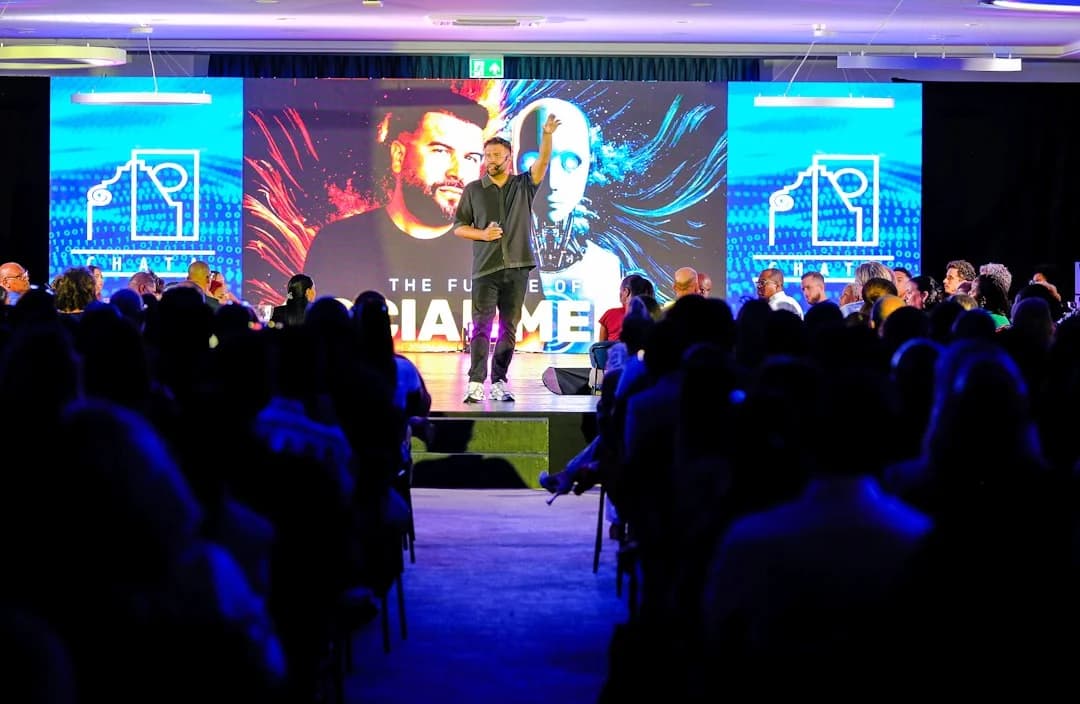
Photo by Carlos Gil on Unsplash
San Francisco is again hosting a high-profile climate solutions gathering as SF Climate Week 2026 unfolds across the Bay Area from Saturday, April 18, through Sunday, April 26. The week-long, decentralized event centers on technology, policy, finance, and community action, drawing thousands of attendees, hundreds of sessions, and speakers from business, government, academia, and civil society. Organizers describe SF Climate Week 2026 as one of the world’s largest climate gatherings, designed to connect ideas with real-world deployment across energy, transportation, buildings, and beyond. The event’s timing and scale matter for Bay Area firms and policymakers—both as a showcase for climate technology and as a forum for practical policy conversations that can influence local and regional markets. The official schedule and lineup point to a densely packed program spanning multiple venues, communities, and topics, with the Bay Area once again serving as a living laboratory for climate innovation. As the week opens, the Bay Area community watches for signals about where climate entrepreneurship and public policy intersect most powerfully this year. (sfclimateweek.org)
SF Climate Week 2026 is being billed as a multi-day, multi-venue convening designed to accelerate climate solutions through collaboration among technologists, policymakers, researchers, and investors. The organizers—Climatebase and the Climate Week Network, in collaboration with the City of San Francisco and thousands of climate organizations—describe the gathering as a decentralized platform that hosts hundreds of events across the region. The official site lists a wide array of sessions, from energy and grid resilience to circular economy initiatives, public health implications of climate policy, and financing mechanisms for climate infrastructure. In practical terms, this means attendees can engage with a broad ecosystem of players, test new ideas, and form partnerships that could shape local markets for years to come. The scale and decentralization are deliberate, enabling nimble, community-led programming across the Bay Area while maintaining a coherent overarching theme of climate action and innovation. “SF Climate Week is a decentralized climate gathering organized by and for the community,” the organizers emphasize, underscoring the event’s collaborative character. (sfclimateweek.org)
Opening note: The event is designed to mobilize a wide cross-section of participants, including global climate leaders, regional policymakers, startup founders, and researchers, with the Bay Area as a living test bed for climate technologies and business models. The official calendar confirms a broad slate of events beginning on April 18, 2026 and concluding on April 26, 2026, with a mix of public-facing expos, policy discussions, technical briefings, and consumer-oriented showcases. The schedule highlights notable venues and program milestones, including a distinct Welcome Day, flagship summits, and sessions intended to illuminate how climate-solutions markets can scale safely and affordably. For readers tracking the climate-tech economy, SF Climate Week 2026 represents a barometer for the region’s innovation tempo and its capacity to translate science into commercial and civic impact. (business.sfchamber.com)
What Happened
Announcement and Scale
- The formal public framing of SF Climate Week 2026 centers on a record-setting, region-wide gathering designed to unite climate leadership with market-ready technologies. The organizers have framed this edition as the largest yet, with the Bay Area hosting more than 650 events across multiple venues and engaging a global audience of climate professionals, entrepreneurs, and policymakers. The organizers forecast continued growth in participation as the week unfolds. In the organizers’ own words, the event is “on track to approach nearly three times the size of the event just a few years ago,” reflecting a sustained expansion in climate programming across the region. The press materials also catalog notable speakers and leaders who are participating throughout the week, signaling an emphasis on both policy discourse and market transformation. (prnewswire.com)
Timeline and Key Venues
- SF Climate Week 2026 runs from Saturday, April 18, 2026 through Sunday, April 26, 2026. The San Francisco Chamber of Commerce event listing confirms the date range and the official event website. The official schedule on the SF Climate Week site delineates a structured calendar, including an Official Welcome Day (April 18–22 window) featuring a Green Business Expo and related Earth Day activities, a flagship energy summit, and a slate of other sessions across energy, policy, transportation, and finance tracks. The schedule also identifies a major convening titled “SFCW Climate Week Kick off with Mayor Daniel Lurie,” illustrating how civic leadership is integrated into the program. The breadth of programming highlights the week’s aim to blend public policy with private-sector innovation and community engagement. (business.sfchamber.com)
Notable Participants and Programming
- The guest list and programming lineup indicate participation from influential national and regional figures, including former U.S. Vice President Al Gore, former U.S. Secretary of Energy Jennifer Granholm, San Francisco Mayor Daniel Lurie, and other leaders from finance, technology, and environmental advocacy. The PR Newswire release highlighting SF Climate Week 2026 emphasizes the breadth of speakers, with more than 1,000 speakers across hundreds of sessions. The roster signals an integrated approach that blends climate science, policy considerations, investment perspectives, and on-the-ground implementation. The program ranges from the flagship energy summit to policy-focused forums and industry roundtables, illustrating the event’s intent to map climate challenges to concrete market opportunities. The organizers point to a diverse slate of topics, including clean energy, climate technology, transportation, food systems, and finance—areas where Bay Area companies have been particularly active in recent years. The same release notes a broader ecosystem of leaders from business, government, science, technology, media, and civil society participating throughout the week. In addition to high-profile speakers, hundreds of other leaders and organizations contribute to SF Climate Week’s wide-ranging agenda. > Workshopping and discussion formats span plenary sessions, panels, and interactive demonstrations, reflecting the event’s emphasis on practical learning and actionable outcomes. (prnewswire.com)
Why It Matters
Economic and Technological Impacts
-
SF Climate Week 2026 reinforces San Francisco’s status as a climate-technology hub. The city’s climate leadership, already evidenced by a longstanding Climate Action Plan, is framed around affordability, resilience, and job creation. The city’s environment department notes the updated Climate Action Plan aligns climate goals with broader priorities such as public health and economic recovery, signaling the city’s intention to embed climate considerations into core services and budgeting. The plan highlights six focus areas, including clean energy, buildings electrification, transportation, circular economy, and water resilience, with explicit emphasis on reducing utility costs and expanding access to clean technologies. The week’s programming sits in the context of that policy framework, providing a platform for companies and researchers to demonstrate scalable solutions and for policymakers to assess potential regulatory and financing shifts that support deployment. In short, SF Climate Week 2026 functions as a learning-and-deployment accelerator for climate tech and climate-enabled business models in a city widely viewed as a test bed for innovation. (sfenvironment.org)
-
The event’s scale also matters for capital and market dynamics. The organizers have highlighted the ecosystem effect of bringing together thousands of attendees and hundreds of sessions. The combination of government support, private capital interest, and academic research presentations creates opportunities for pilots, partnerships, and new market entrants in energy, mobility, and grid resilience. The official numbers—750+ events, 1,000+ speakers, and 75,000+ attendees—illustrate the potential for collaboration across sectors, which can accelerate the commercialization of climate technologies and the adoption of policy measures that enable deployment. For technology companies, the week offers visibility to potential customers, partners, and investors and a chance to benchmark against peers in a fast-moving market. The scale of participation also signals a maturation of climate markets in the region, with more established pathways for financing, project development, and policy alignment. (sfclimateweek.org)
Equity, Community Engagement, and Policy Context
-
SF Climate Week 2026 sits at an inflection point for equity and community engagement in climate action. The event’s decentralized design aims to democratize access to climate solutions by distributing programming across neighborhoods, venues, and public spaces, enabling broader participation from communities that are often underrepresented in large conferences. The policy context surrounding SF Climate Week includes city leadership’s emphasis on affordability and justice as central to climate strategy. The SF Environment Department emphasizes how climate action can lower costs for residents, improve public health, and drive local economic opportunity, illustrating a concrete linkage between climate policy and everyday life for residents. The updated Climate Action Plan contemplates a broad set of measures—from curbside EV charging programs to workforce opportunities in electrification—designed to improve resilience and reduce energy burden. The Week’s programming—featuring a session on energy affordability and policy considerations—aligns with these priorities and provides a platform to test how policy, finance, and technology can work together to deliver tangible benefits. (sfenvironment.org)
-
The engagement strategy extends to industry associations, philanthropic organizations, and corporate sponsors that view SF Climate Week as a venue to articulate climate commitments, pilot scalable solutions, and drive market benchmarks. For example, CleanTech Alliance is sponsoring panels during SF Climate Week, reflecting ongoing industry interest in convening practitioners to exchange ideas, identify investment opportunities, and accelerate implementation. Similarly, Ceres is participating to highlight the interplay between innovation, finance, and sustainability, underscoring the financial-market dimension of climate action. The presence of corporate and non-profit partners at the event signals a maturing ecosystem in which climate solutions increasingly rely on cross-sector collaboration to scale. (cleantechalliance.org)
What’s Next
Immediate Next Steps for Attendees
-
As SF Climate Week 2026 progresses toward its closing on April 26, attendees should consult the official program calendar for daily sessions, tracks, and time-sensitive registrations. The event calendar shows sessions across multiple days, with distinct sessions on energy, policy, and climate finance, among others. Attendees can plan by identifying flagship sessions such as the Energy Summit, the policy-focused venues, and discussion tracks that intersect technology deployment with market mechanisms. The calendar also provides links to register for specific sessions and to view the venue details for each event. For readers planning to participate, the SF Climate Week site suggests using the “View All” function to browse the event lineup and to locate sessions that align with their interests and professional goals. (sfclimateweek.org)
-
A key pathway for engagement is through partner organizations and industry groups that sponsor or host SF Climate Week events. The series of partner-led sessions, from Gridware-sponsored talks on electricity reliability to session tracks on sustainability in business, provides routes for practitioners to connect with potential customers, collaborators, and investors. The weekly programming is designed to facilitate matchmaking between climate action needs and available solutions, whether that means piloting a new energy storage approach, coordinating a policy pilot, or co-developing a financing framework for resilience projects. Attendees should plan to attend at least a couple of cross-cutting sessions to gain a holistic view of where the market is heading in 2026 and beyond. (sfclimateweek.org)
What to Watch For in the Coming Days
-
The policy and market signals emerging from SF Climate Week 2026 will be of particular interest to Bay Area businesses and investors. The updated Climate Action Plan and related city initiatives, including electrification and energy affordability programs, will be under public scrutiny as policymakers and business leaders assess implementation timelines, regulatory requirements, and potential funding mechanisms. The event’s alignment with the city’s climate goals suggests the potential for new partnerships and pilot projects that accelerate the deployment of clean technologies at scale in municipal and commercial settings. Expect announcements around pilot programs, funding opportunities, and cross-sector collaborations that could influence project pipelines in the region. (sfenvironment.org)
-
Business and finance actors will likely use SF Climate Week 2026 to assess climate risk, disclose progress, and explore new investment vehicles. The WSP conference track, which includes discussions on grid resilience, modernizing infrastructure, and financing mechanisms, points to an ongoing emphasis on the financial architecture needed to scale climate solutions. The presence of prominent executives and policy leaders underscores a convergence of interests among utilities, developers, and financiers who view climate resilience as a strategic priority. Observers should watch for a mix of public-facing policy exchanges, private roundtables, and joint ventures announced during the week. (wsp.com)
-
The broader market context remains essential. The Bay Area’s climate-tech ecosystem continues to expand, with hundreds of climate-focused companies and organizations operating in the region. The updated Climate Action Plan’s emphasis on affordability, health, and equity is likely to shape future funding priorities, regulatory considerations, and public-private partnerships. Coverage and follow-up analyses will help readers determine how SF Climate Week 2026 translates into concrete market opportunities for startups, established firms, and investors looking to participate in climate solution development. The city’s leadership and the private sector’s engagement in SF Climate Week 2026 signal a continued push to normalize climate action as a core component of regional growth and competitiveness. (sfenvironment.org)
Closing
As SF Climate Week 2026 continues through April 26, Bay Area observers can expect a mix of high-profile speeches, practical demonstrations, and policy dialogues that illuminate both the opportunities and the challenges of scaling climate technologies in a market-driven environment. The week’s breadth—from energy and transportation to circular economy initiatives and climate finance—reflects a mature, multi-stakeholder approach to climate action. For readers of the SF Bay Area Times, the event represents more than a conference; it offers a live view of how tech innovation, civic leadership, and business strategy intersect to drive tangible progress toward lower emissions, greater resilience, and more affordable, sustainable communities.
Staying informed will require following the ongoing SF Climate Week schedule, tracking announcements from participating organizations, and watching how the city’s climate policy framework evolves in response to the insights generated during this expansive week. Updates will likely surface in city press releases, partner organization communications, and industry analyses published in the days that follow SF Climate Week 2026, offering a data-driven snapshot of where climate markets are headed and how the Bay Area plans to translate talk into scalable action. To stay connected with developments, readers should monitor the official SF Climate Week site and climate-focused partner outlets for session recaps, policy updates, and new collaboration announcements. (sfclimateweek.org)