SF student injured in Burton High campus shooting

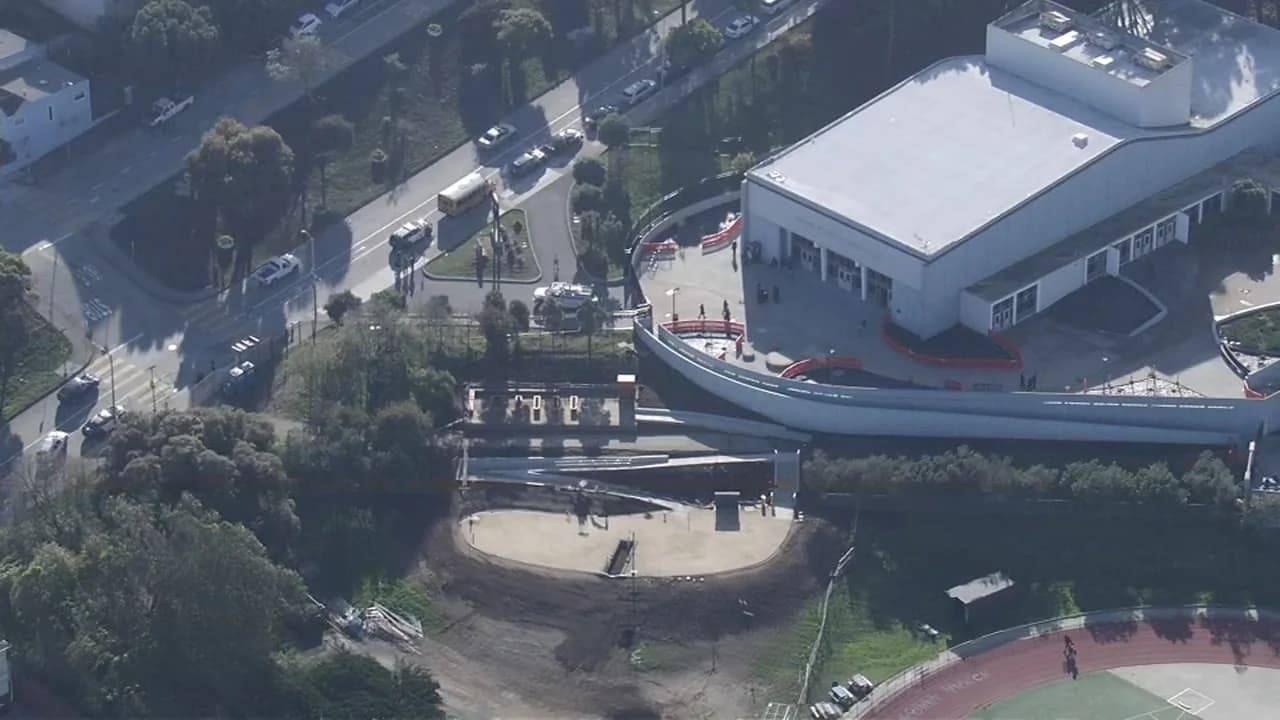
Today, San Francisco’s daily rhythm persists even as a developing incident at Burton High tests the city’s commitment to student safety. The SF Bay Area Times, dedicated to independent journalism covering San Francisco, the Bay Area, and Northern California, is actively following the story of the SF student injured in Burton High campus shooting. As details unfold, communities, families, and educators are seeking clarity about what happened, how the school and city responded, and what comes next for safety and support on campus.
Incident overview and verified details
On December 2, 2025, a student was shot on the Phillip and Sala Burton Academic High School campus in San Francisco, with authorities reporting the event around 12:10 p.m. The victim was transported to a local hospital in stable condition, and a juvenile suspect was later detained in connection with the incident. The shooting occurred on Burton High School’s campus near Mansell Street and is being treated as an isolated incident by investigators, though questions about motive, the relationship between victim and suspect, and whether the shooter attended Burton High remain unresolved. Campus staff and students were put under lockdown as police and fire units responded, and officials emphasized that safety protocols were activated quickly to secure the scene. Officials from the San Francisco Police Department, San Francisco Unified School District, and city leadership have spoken about the swift, coordinated response and the ongoing investigation. (sfchronicle.com)
The Phillip and Sala Burton Academic High School campus sits at a gateway location around the Visitacion Valley/Portola boundary, a detail that local outlets have noted in their reporting. Early communications from city and school officials indicated that the campus was secured and that families would receive timely updates as more information became available. The incident has drawn statements from local leaders commending first responders and reiterating a shared commitment to student safety. (sfchronicle.com)
As coverage evolves, multiple outlets have provided near-real-time updates, including eyewitness accounts from students and staff, descriptions of the lockdown process, and the sequence of police actions. This has reinforced the importance of accurate, verified information during a developing event, and the SF Bay Area Times remains committed to reporting with care and precision while avoiding speculation. For readers seeking initial confirmations, outlets such as CBS San Francisco, ABC7, KQED, SFGate, and KALW have published contemporaneous summaries of the situation. (cbsnews.com)
The incident’s timeline offers a case study in how school communities typically respond to violence on campus: immediate safety measures, parallel communications to families, and the transition into a rippling inquiry about prevention and resilience for the weeks ahead. While the core facts—location, time, and the immediate outcome—are clear, investigators continue to verify relationships, motives, and the scope of the threat. In the days to come, more comprehensive details are expected to emerge through police press conferences, court filings, and district briefings. For now, the focus remains on ensuring student safety, supporting those affected, and maintaining transparency with the community. (sfchronicle.com)
“Every child deserves to feel safe at school and in their communities,” said local officials as they described the initial response. The public record from city leaders emphasizes a calm, coordinated approach, while acknowledging that the investigation is ongoing and that updates will follow. The sentiment echoed by supervisors and district leaders underscores a fundamental priority for Bay Area schools: safety paired with timely, compassionate communication. (sfchronicle.com)
Campus response and safety measures
In the immediate wake of the incident, Burton High School implemented standard safety protocols designed to protect students and staff while police conducted their investigation. Lockdown procedures were activated, campus buildings were secured, and staff worked to account for students and communicate with families. These procedures are widely recognized as critical components of effective school safety responses, enabling a controlled environment while authorities determine the scope of the threat and the appropriate next steps. Officials indicated that safety protocols were followed promptly, and that ongoing support would be provided to students in the aftermath. (sfchronicle.com)

The broader Bay Area context includes a long-running emphasis on rapid incident response, coordination between police and school officials, and the use of emergency notification systems to inform families and staff. While the Burton High incident is (as of reporting) being treated as isolated, the community’s concern about campus security is prompting discussions about improvements in communication channels, access control, and on-site mental health resources for students returning to class. Local coverage has highlighted the importance of verified information and consistent updates to reduce rumor and anxiety. (kqed.org)
School safety experts often point to a layered approach: physical security measures, robust emergency protocols, and strong mental health support for students and staff. In the Burton High case, questions about the adequacy of current protocols, and whether additional measures could have prevented or mitigated the incident, are likely to be central to subsequent policy conversations. As with many urban school environments, the incident has intensified dialogue about school design, surveillance considerations, and the balance between safety and an open, welcoming learning climate. (kqed.org)
The broader context: Bay Area school safety
The San Francisco Bay Area has a long, complex history with school safety, ranging from preventive programs to responses after incidents. While every event is unique, there are recurring themes: the importance of rapid emergency response, clear lines of communication with families, and the role of school-based mental health resources in supporting students who witness or are affected by violence. National and local reporting on school safety underscores that preparedness—drills, debriefings, and access to counselors—can help reduce long-term impacts on learning and well-being. For readers looking to understand the larger landscape, the Burton High campus shooting adds to a continuum of events that shape district policy and community resilience. (kqed.org)
Historical snapshots from the Bay Area serve as context for current debates about prevention and response. For example, prior reporting on Burton High School incidents in the early 2000s and 2003 illustrated how communities mobilized around safety, though circumstances vary widely by time and place. Those episodes, while not identical to the 2025 incident, contribute to a shared memory and a set of policy questions about what works in urban school environments. Readers interested in historical patterns can consult archived coverage that documents how schools balanced education with security concerns over the years. (sfgate.com)
As coverage of the Burton High event continues, it will be essential to distinguish verified facts from early, possibly evolving reports. The SF Bay Area Times will continue to track official briefings, court filings, and district statements to provide a reliable, contextualized account for readers who rely on in-depth journalism to understand how such incidents unfold and what they mean for safety planning in the years ahead. The role of independent journalism here is to present both the immediate facts and the longer arc of policy and community healing. (sfchronicle.com)
Community impact: students, families, and educators
When a campus incident of this nature occurs, the ripple effects are felt across the student body, families, and the broader school ecosystem. Students may experience a range of emotional responses—from fear and confusion to a reinforced commitment to school routines. Families seek timely information about safety, academic continuity, and access to counseling services for their children. Teachers and staff navigate the challenge of maintaining instructional momentum while addressing the emotional needs of students who witnessed or were affected by the event. These dynamics are not unique to Burton High; they reflect a broader pattern observed in school communities facing violence or threats on campus. The local reporting on this incident has already highlighted the sense of disruption and the importance of ongoing support services, including counseling, peer-support networks, and family outreach. (sfchronicle.com)
Mental health resources play a central role in recovery after such events. Districts across the Bay Area often mobilize school-based clinicians, partner with community mental health organizations, and provide grief and resilience programming for students and staff. The goal is to create a pathway for recovery that does not place the burden of healing solely on families, but rather on a coordinated network of educators, clinicians, administrators, and community partners. In Burton High’s case, early communications have signaled a commitment to sustaining supports in the days and weeks ahead, a critical component of safeguarding student well-being as classes resume or continue with accommodations where needed. (sfgate.com)
Beyond the immediate school community, the incident touches local civic conversations about how to balance safety with civil liberties, student autonomy, and the right to a stable, distraction-free learning environment. Community leaders, including local supervisors and district officials, have framed the situation as a moment to reaffirm commitments to safe schooling and to review and, where necessary, strengthen safety protocols, resource allocation, and transparency in communications. The public-facing responses emphasize that safety is a shared responsibility among schools, families, law enforcement, and city government. (sfchronicle.com)
Five practical takeaways for families and educators emerging from Burton High’s experience:
- Prioritize clear, frequent updates from school and district leaders during an incident.
- Ensure access to on-site counseling and wraparound supports for students returning to class.
- Review campus access controls, visitor screening, and staff training on emergency procedures.
- Maintain open channels for student feedback and concerns to address anxiety and rumors.
- Coordinate with local emergency services to drill, debrief, and refine response plans.
These takeaways align with best practices discussed by safety experts and reflected in ongoing Bay Area coverage of campus incidents. They also underscore the necessity of resilience-building as an integral part of school operations, not a separate afterthought. (kqed.org)
Policy responses and the journalist’s role in ongoing coverage
In the wake of the Burton High campus shooting, policy discussions are likely to focus on several themes: improving physical security without compromising an open learning atmosphere; expanding mental health resources and access to timely support; refining communication protocols so families are informed promptly and accurately; and ensuring that investigative transparency is balanced with privacy and due process. Journalists play a key role in translating official briefings into clear, accessible information for community members, while also holding institutions accountable for safety commitments and the outcomes of safety investments.
Bay Area media outlets have collectively underscored the importance of responsible, evidence-based reporting in these scenarios. For independent outlets like the SF Bay Area Times, the emphasis is on corroborating facts, contextualizing the incident within broader safety trends, and offering readers a roadmap for understanding what comes next—whether through policy updates, school safety audits, or community healing initiatives. The goal is to deliver credible, useful information that supports families and educators as they navigate an evolving situation. (sfchronicle.com)
A quick comparison of typical responses to campus incidents
| Aspect of response | Burton High context (as reported) | General best practice in Bay Area schools | Sources |
|---|---|---|---|
| Immediate safety action | Lockdown, campus security protocols activated | Rapid lockdown, account for students, secure perimeter | (sfchronicle.com) |
| Family communication | Ongoing updates to families; district briefings | Timely alerts via district and school channels | (abc7news.com) |
| On-site mental health support | Counseling and recovery services anticipated | Immediate access to counselors; ongoing mental health supports | (kqed.org) |
| Investigative posture | Incident treated as isolated; suspects detained | Clear, factual updates; avoid speculation | (sfgate.com) |
| Community statements | Officials emphasizing safety and resilience | Public messaging about safety, prevention, and recovery | (sfchronicle.com) |
Note: This table reflects reported elements from Burton High's incident and general best practices across similar events. As investigations continue, details may evolve, and updates should be treated as provisional until official confirmations are issued. (sfchronicle.com)
Practical guidance for families and students
In the wake of violence on campus, families can adopt a proactive approach to support their children’s safety and well-being. Here are practical steps drawn from the Burton High incident coverage and broader safety guidance:
- Stay informed through official channels. Regularly check district alerts, school emails, and official social media posts for verified updates. 2) Normalize conversations about safety. Encourage your child to share their feelings, questions, and concerns, and validate their emotions as part of the healing process. 3) Access mental health resources. If your child shows signs of distress—sleep disruptions, withdrawal, or changes in appetite—reach out to school counselors or community mental health providers. 4) Reinforce routines. Predictable routines—meal times, study schedules, and sleep patterns—offer stability after a destabilizing event. 5) Practice resilience-building activities. Focus on coping strategies, such as breathing exercises, physical activity, creative expression, and peer support networks. 6) Maintain open dialogue with educators. Share concerns with teachers and counselors, and work with administrators to understand safety plans and potential accommodations for coursework. 7) Be mindful of social media influences. Encourage critical thinking about what is shared online; verify facts before sharing and avoid spreading unfounded rumors.
These steps reflect the broader safety and well-being principles that the Burton High incident has intensified in the Bay Area. The community’s emphasis on dependable information, rapid support, and ongoing safety improvements mirrors what many districts are pursuing in the aftermath of campus violence. (kqed.org)
Data gaps and ongoing verification
While initial reporting provides a clear outline of what occurred, multiple key questions remain unresolved as of this writing. The identity of the victim, the exact relationship between the victim and any suspects, details about the shooter’s motive, and the precise sequence of events inside the campus building require official confirmation through police press conferences, judicial filings, and district communications. Updates from CBS San Francisco, SF Chronicle, ABC7, KQED, and other outlets indicate that investigators are actively pursuing these lines of inquiry, but the information should be treated as evolving. Readers should expect continued reporting as authorities release new facts. (sfchronicle.com)
In the meantime, the Burton High incident is being used by safety advocates to discuss broader policy implications—such as improving campus access controls, refining emergency alert systems, and investing in mental health resources to reduce the risk of future violence. These conversations are essential for translating the incident into constructive change that enhances safety without compromising the open and inclusive environment that Bay Area schools strive to maintain. The SF Bay Area Times will monitor policy developments and provide updates as verified information becomes available. (kqed.org)
Notable quotes and reflections
As communities process the event, quotes from leaders and scholars help frame the emotional and practical response. A widely echoed sentiment in local statements is the belief that safety on campus requires both vigilance and compassion. The following proverb often resonates in the aftermath of school violence: “In the middle of difficulty lies opportunity.” While not a direct attribution to a single public figure, this sentiment captures the resilience communities strive to demonstrate in the Bay Area. It underscores the dual approach of preventing violence while supporting students, families, and educators through recovery.
In addition, leaders have stressed fundamental rights and responsibilities: to protect students, to maintain a culture of trust, and to ensure that every voice is heard as schools review procedures and resources. Public statements from Supervisor Jackie Fielder and SFUSD leadership reflect those commitments and emphasize ongoing collaboration among agencies to keep campuses safe while preserving educational quality. (sfchronicle.com)
A closer look at the Burton High campus in context
Phillip and Sala Burton Academic High School has a notable position in San Francisco’s education landscape. The campus’ location near McLaren Park situates it within a diverse urban community where safety planning is a continuous process involving city agencies, school leadership, and family networks. The December 2, 2025 incident brought those ongoing conversations to the forefront, highlighting the need for robust safety strategies that are adaptable to changing urban conditions. Independent outlets covering the Bay Area are documenting not only the incident itself but also the learning opportunities it presents for improving school safety, mental health supports, and community resilience—injuries acknowledged, steps toward healing outlined, and a path forward charted with careful reporting and public accountability. (kqed.org)
Five ways districts can strengthen campus safety post-incident
- Invest in layered security: physical measures, controlled entry points, and real-time communication systems that quickly reach families and staff.
- Expand mental health resources: on-site counselors, proactive screening, and partnerships with community providers to address trauma and stress.
- Improve incident command training: regular drills, cross-agency coordination, and clear roles for administrators, teachers, and security personnel.
- Enhance information governance: precise, timely updates that counter misinformation while protecting privacy rights.
- Foster community trust: open forums, feedback channels, and transparent reporting on safety investments and outcomes.
These strategies align with best-practice frameworks widely discussed in Bay Area safety discourse and reflected in the ongoing Burton High campus shooting coverage. They also provide a practical blueprint for districts seeking to turn a traumatic event into a catalyst for positive change in safety culture and student well-being. (kqed.org)
Frequently asked questions
Q: What exactly happened at Burton High on December 2, 2025? A: Police and fire responders were called to the Phillip and Sala Burton Academic High School campus around 12:10 p.m. A student was shot and transported to a hospital in stable condition; a juvenile suspect was detained. The incident is being treated as isolated, with ongoing investigations by SFPD and SFUSD. Further details are being released as authorities confirm information. (sfchronicle.com)
Q: Was the shooter a Burton High student? A: Authorities have not publicly confirmed whether the suspect attended Burton High; investigations are ongoing. Updates will be provided by official channels as soon as information is verified. (sfchronicle.com)
Q: What supports are available for students after the incident? A: Districts typically offer on-site counseling, grief support, and adjustments to schedules as needed. Mental health resources are a central part of the recovery process for students and staff affected by campus violence. (kqed.org)
Q: How can families verify information? A: Rely on official district communications, law enforcement press conferences, and credible news outlets. Avoid sharing unverified rumors on social media to prevent unnecessary panic. (abc7news.com)
Q: What steps are being taken to prevent future incidents? A: While specifics depend on the district, common actions include reviewing access controls, updating emergency notification protocols, increasing on-site staffing during school hours, and expanding mental health supports and trauma-informed training. (kqed.org)
Notable reflections from the newsroom
The SF Bay Area Times remains committed to delivering in-depth reporting on local news, technology, culture, and West Coast affairs. The Burton High incident highlights the ongoing need for rigorous, compassionate journalism that informs readers while supporting communities in the healing process. By centering verified facts, connecting readers with resources, and offering clear ethical guidance, the newsroom seeks to contribute constructively to public understanding and policy discussion around school safety and student well-being.
“Courage is not the absence of fear but the triumph over it.” This succinct reminder from a celebrated voice speaks to the resilience communities demonstrate in the face of campus violence. The Bay Area’s response—combining vigilance with empathy and evidence-based action—illustrates a shared commitment to protecting students while preserving the integrity of schools as places of learning and growth. (kqed.org)
Looking ahead: rebuilding trust and safety
As investigations continue and communities process the events of December 2, 2025, Burton High and the broader Bay Area education ecosystem will likely pursue a cycle of assessment, policy refinement, and ongoing support for students. The Burton High campus shooting will be analyzed not only for what happened, but for how schools, families, and local government collaborate to strengthen safety and resilience. The SF Bay Area Times will monitor developments, publish updates, and provide ongoing expert perspectives on how best to translate the lessons of this incident into lasting, positive change for campuses across Northern California.
In the end, the goal is straightforward: ensure every student has access to a safe, supportive learning environment, where information is trustworthy, responses are swift and measured, and the community stands ready to help each other heal and grow.