SF Tourism 2026 Summer Forecast Bay Area Growth

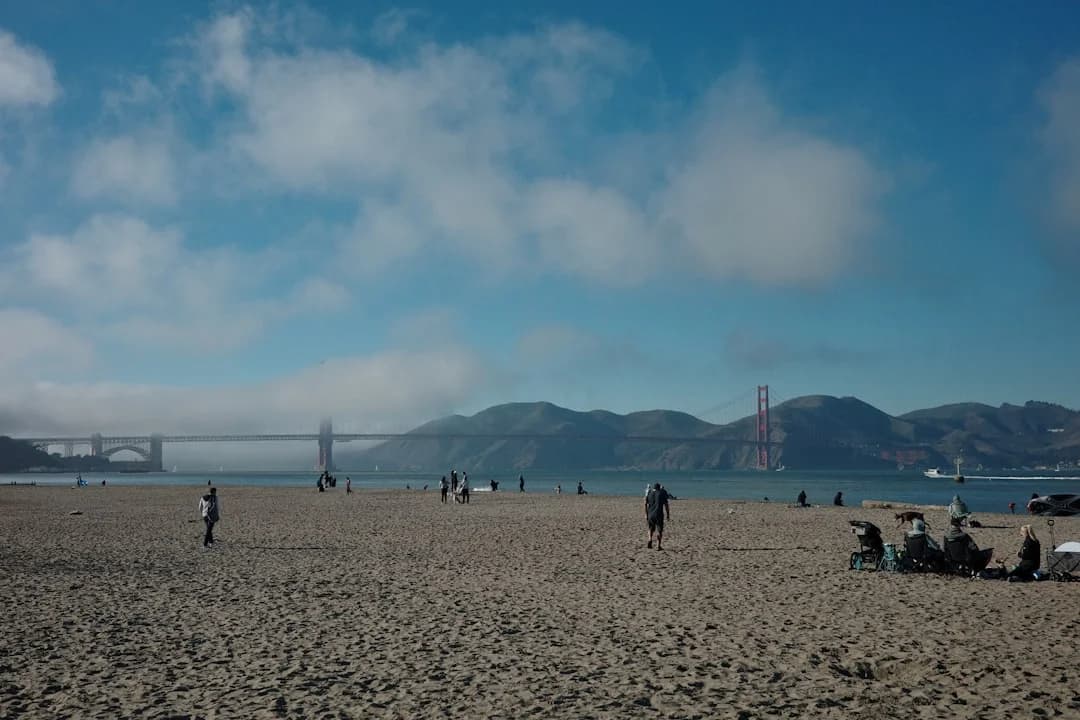
Photo by Van Tien Le on Unsplash
San Francisco’s visitor economy is bracing for a robust rebound in 2026, according to a data-driven forecast released by the San Francisco Travel Association on May 7, 2026. The organization, which markets the city as a premier destination for meetings, conventions, and leisure travelers, projects a wave of activity that could lift hotel occupancy, convention business, and local tax revenue as the Bay Area hosts a sequence of high-profile events and a renewed flow of domestic and international travelers. The forecast marks a clear signal that, after pandemic-era disruptions, San Francisco remains a leading global destination with a broad-based recovery powered by conventions, major events, and cross-region tourism momentum. (sftravel.com)
Early results and the near-term outlook align with a summer season that could exceed last year’s performance, even as the city continues to navigate capacity, pricing, and regional competition. NBC Bay Area reported a summer forecast indicating that San Francisco is projected to welcome more than 24 million visitors this summer, with spending rising in tandem as conventions and marquee events drive demand. City leaders emphasized the strength of the convention calendar as a major catalyst for growth this year. (nbcbayarea.com)
Beyond the summer, the broader 2026 forecast paints a picture of sustained momentum through the year. The SF Travel Association’s forecast highlights that San Francisco is projected to welcome 24.2 million visitors in 2026, with visitor spending approaching $9.9 billion, and a resilient convention pipeline that includes multiple Moscone Center events that help power hotel occupancy and local tax revenue. The organization notes a substantial convention and events footprint for 2026, including 38 Moscone Center events generating hundreds of thousands of room nights. These figures place 2026 among the strongest years for the city’s visitor economy in the post-pandemic era. The release also underscores international visitation in the mix, forecasting 2.3 million overnight international visitors in 2026, contributing to a diversified visitor profile alongside strong domestic demand. (sftravel.com)
Opening
San Francisco’s tourism outlook for 2026, as captured in the SF Bay Area Times’ coverage, centers on a data-driven forecast that emphasizes resilience, a strong convention pipeline, and the return of marquee events. The forecast emphasizes that the city’s visitor economy is on track to surpass pre-pandemic spending benchmarks, with a mix of business and leisure travelers fueling growth across hotels, attractions, and neighborhood businesses. The forecast’s core message is clear: a combination of conference demand, major events, and a growing desire among travelers to revisit San Francisco is shaping a summer and fall that could set new records for the city’s visitor economy. The data points and projections reflect a city that remains a magnet for national and international travelers, with planning and marketing aligned to sustain momentum through late 2026. (sftravel.com)
What Happened
Announcement Details and Key Projections
- Official forecast date and organization: On May 7, 2026, the San Francisco Travel Association released its 2026 tourism forecast and 2025 visitor impact results, signaling continued growth in the city’s visitor economy. The association’s report presents a year-forward view that includes new milestones for visitor volume, spending, occupancy, and convention activity. The forecast notes a return to—and in some metrics, an exceedance of—pre-pandemic benchmarks, with 2026 shaped by a strong convention lineup and high-profile events. (sftravel.com)
- Visitor volume and spending: The association projects 24.2 million visitors in 2026, with total visitor spending reaching about $9.9 billion. This performance would surpass the city’s 2019 visitor spending record of $9.6 billion and reflect a broader rebound of the city’s tourism economy after years of pandemic-related disruption. The 2025 baseline stood at 23.7 million visitors and roughly $9.4 billion in spending, highlighting a year-over-year continuation of growth. These figures are presented in the SF Travel forecast material and summarized in related press coverage. (sftravel.com)
- Conventions and events as growth engines: The forecast emphasizes a robust convention calendar as a primary driver of the growth trajectory. For 2026, Moscone Center is slated to host 38 events, generating an estimated 674,000 room nights and contributing to strong hotel performance across the Bay Area. The forecast highlights that conferences and major events remain a central pillar of San Francisco’s momentum, underscoring the city’s capacity to attract large, recurring corporate and association business. Anna Marie Presutti, SF Travel’s President & CEO, framed the pipeline as a demonstration of how the city’s convention infrastructure translates into broader economic gains. > “Thirty-eight events at Moscone Center this year, RevPAR growing nearly 8% on top of last year’s 14% gain – this is what recovery looks like.” (sftravel.com)
- International and domestic mix: The forecast projects international visitation to reach approximately 2.3 million overnight visitors in 2026, with international visitor spending rising about 5.8% to roughly $5.2 billion. This international component complements a robust domestic demand base and supports a diversified tourism profile for the city. The forecast also notes that San Francisco International Airport (SFO) handled substantial passenger activity in prior years, with 2025 figures reflecting a high level of travel through the region and a growing global reach. (sftravel.com)
- Notable context and near-term catalysts: The forecast frames 2026 as a “double-header” year for the Bay Area, with major events like the Super Bowl LX and the FIFA World Cup contributing to a broader, year-long tourism impulse. The World Cup, scheduled for mid-2026, is highlighted as a regional driver that could expand familiarity with and interest in the Bay Area’s hospitality and meeting infrastructure. The combination of high-profile events and a strengthened Moscone Center pipeline is presented as a central factor behind the city’s optimistic full-year outlook. (sftravel.com)
Timeline and Specific Dates
- May 7, 2026: SF Travel releases its 2026 tourism forecast and 2025 visitor impact results, marking a formal public update on the city’s forecast trajectory and economic impact. (sftravel.com)
- 2026 Moscone Center events: 38 events are scheduled for 2026, representing continued growth from the previous year’s event volume and associated room-night demand. The forecast highlights a ramp in convention activity and associated hotel performance metrics. (sftravel.com)
- Major events and seasonal drivers: The year is framed by the Super Bowl LX in February 2026 and the FIFA World Cup in June–July 2026, with both events contributing to a larger regional tourism impulse and heightened exposure for San Francisco and the broader Bay Area. These events are identified as key catalysts within the forecast presentation and accompanying coverage. (sftravel.com)
- 2025 baseline and 2026 target: The forecast compares 2025 performance (23.7 million visitors; $9.4 billion in spending) with 2026 targets (24.2 million visitors; $9.9 billion in spending), illustrating a continued growth path despite ongoing market and global headwinds. The 2025 metrics are reflected in SF Travel’s published results and are reiterated in the forecast overview. (sftravel.com)
Why It Matters
Economic and Community Impact
- Economic scale and public finance: The 2026 forecast places visitor spending at about $9.9 billion, with hotel occupancy around 69% and an average daily rate (ADR) of roughly $257.81. Revenue per available room (RevPAR) is projected to rise by about 7.9% year-over-year, signaling improving profitability for lodging providers as demand returns. These metrics translate into tax revenue and broader economic spillovers that support city services, transportation, and cultural institutions. The forecast cites Moscone Center’s event growth and the multiplier effects of visitor spending across restaurants, retail, and entertainment districts. (sftravel.com)
- Job creation and labor market effects: Tourism and hospitality activity are linked to thousands of jobs in the city’s hotels, restaurants, and cultural venues. The forecast’s spending and visitation gains align with continued job support in the sector, reinforcing the importance of tourism as a regional economic engine. While the precise job counts are dynamic and depend on the mix of visitors and events, the SF Travel forecast consistently frames tourism as a major source of employment and income for San Francisco’s neighborhoods. (sftravel.com)
- Convention-driven momentum and market resilience: The forecast emphasizes the role of the convention pipeline in sustaining momentum. The Moscone Center is positioned as a central asset for attracting large-scale meetings and conferences, which in turn drive hotel occupancy, ground transportation demand, and ancillary spending. The near-term growth in RevPAR and the projected room-night totals for 2026 illustrate the multiplier effects of conference business on a city that heavily relies on such events for seasonal cycles. > “Thirty-eight events at Moscone Center this year, RevPAR growing nearly 8% on top of last year’s 14% gain – this is what recovery looks like.” (sftravel.com)
Market Dynamics and Competitive Context
- Domestic and international mix: The forecast projects a balanced mix of domestic and international visitation, with international visitors accounting for about 2.3 million overnight stays and contributing to global exposure for San Francisco. This international component is important for traveler diversification and resilience against shifts in domestic travel patterns. The growth in international visitation is framed within a broader national and global travel context, where exchange rates, visa policies, and geopolitical dynamics can influence outbound and inbound flows. (sftravel.com)
- Airport and connectivity considerations: The accessibility and capacity of the San Francisco Bay Area transportation network—particularly SFO—play a critical role in absorbing higher visitor volumes. The airport’s ongoing capacity to process international and domestic traffic, plus the region’s connectivity to global markets, underpins the forecast’s optimistic tone. The 2025 results highlight strong passenger volumes at SFO and ongoing expansion of international routes, which supports expectations for 2026. This connectivity is essential for sustaining growth, especially given the Bay Area’s reliance on business travel and international events. (flysfo.com)
- Economic and policy environment: The Bay Area’s tourism outlook is also shaped by regional growth patterns, housing costs, labor supply, and policy decisions that influence visitor experiences. While the forecast focuses on tourism metrics, it sits within a larger urban-economic framework in which the city’s capacity to host major events, climate and safety considerations, and the resilience of the local economy are all relevant to sustained tourism growth. The forecast acknowledges the broader macro context while highlighting concrete numbers and near-term catalysts. (sftravel.com)
What It Means for Stakeholders
- For hoteliers and the hospitality supply chain: A year characterized by high occupancy and rising ADR suggests continued pricing power, better room-rate discipline, and opportunities for revenue-management strategies that optimize yield across peak and shoulder seasons. The projection of 674,000 Moscone-related room nights demonstrates the scale of demand generated by conferences and events, creating opportunities for partnerships with convention partners, entertainment venues, and neighborhood businesses. (sftravel.com)
- For local businesses and neighborhoods: The influx of visitors supporting restaurants, retailers, museums, and neighborhoods near transit hubs mirrors the broader spillover effects of large events and sustained tourism. The distribution of economic benefits across neighborhoods can be shaped by destination marketing, local partnerships, and transportation planning that maximizes accessibility and minimizes congestion. The SF Travel forecast’s emphasis on the “visitor economy” as a driver of local services underscores the importance of community planning aligned with tourism growth. (sftravel.com)
- For policymakers and public services: Tourism growth translates into increased tax revenue that funds city services, infrastructure, and public programs. The forecast’s emphasis on the city’s tax base and job creation highlights the need for continued investment in transportation, safety, and public amenities to support rising visitor volumes while maintaining quality of life for residents. The data-driven narrative supports informed policy discussions about how to balance growth with livability and sustainability. (sftravel.com)
Why It Matters for SF Tourism 2026 Summer Forecast
- The summer window remains a critical period for visitor arrivals and revenue generation in an economy that has been rebuilding post-pandemic. The combination of a strong convention calendar, high-profile events, and international visitation momentum positions the Bay Area as a premier destination for meetings, tourism, and cultural experiences during the peak travel season. The NBC Bay Area coverage underscores the summer figures while SF Travel’s forecast provides a year-long frame, illustrating how the summer surge interacts with a broader growth trajectory. (nbcbayarea.com)
- The narrative built by the forecast aligns with ongoing marketing and planning efforts that seek to capitalize on the Bay Area’s unique strengths—technology, culture, waterfronts, and a dense network of world-class venues. The forecast indicates that San Francisco’s tourism growth is not just a short-term spike but part of a sustained recovery that benefits multiple sectors, from hospitality and retail to transportation and event services. The data-driven presentation of visitor volume, spending, and the convention pipeline supports a nuanced understanding of where gains are likely to come from and how to allocate resources for maximum impact. (sftravel.com)
What’s Next
Near-Term Outlook for Summer and Fall 2026
- Summer trajectory and event-driven demand: The summer period is expected to be a major driver of annual performance, with continued strength in conventions and a calendar that features the Moscone Center as a central hub for meetings and exhibitions. The 38 Moscone events projected for 2026 translate into substantial room-night demand and spillover spending across the city’s hospitality and entertainment ecosystems. The forecast’s emphasis on this event-driven growth signals that property managers, restaurateurs, and neighborhood merchants should plan for stronger peak-season demand while maintaining service quality to convert first-time visitors into repeat guests. (sftravel.com)
- International and domestic mix through the year: While international visitation remains a meaningful component of the city’s tourism mix, domestic demand continues to provide a stable core that sustains year-round activity. The forecast’s international visitation projection of 2.3 million visitors reflects a recovery trajectory that supports airports, travel services, and cross-border partnerships. The interplay between international and domestic demand will shape pricing, marketing emphasis, and the allocation of events and attractions throughout the year. (sftravel.com)
Longer-Term Considerations and Watch List
- Event diversity and scalability: The forecast highlights the importance of maintaining and expanding the Bay Area’s ability to host large-scale events, including the impact of the FIFA World Cup and other global gatherings. The region’s capacity to manage volumes, ensure safety, and deliver high-quality experiences will influence whether demand remains consistently strong in 2027 and beyond. The World Cup’s regional footprint is expected to be a long-running driver of interest and visitation in the Bay Area, reinforcing the importance of cross-city collaboration and infrastructure investments. (matthews.com)
- Competitive positioning and marketing strategy: As other major destinations compete for meetings and leisure travelers, San Francisco’s brand strength—anchored in technology, culture, and waterfront experiences—must be leveraged through targeted marketing, partnerships with industry associations, and experience-driven tourism products. The forecast signals opportunity but also implies the need for continued investment in attractions, accessibility, and customer experience to translate visitor volumes into long-term growth and post-visit engagement. (sftravel.com)
- External headwinds and resilience: The international travel landscape continues to face macroeconomic and geopolitical headwinds. While the forecast provides a constructive outlook, travelers’ decisions can be influenced by exchange rates, visa policies, security concerns, and global events. Stakeholders should monitor these factors and maintain contingency plans, pricing flexibility, and diversified marketing channels to sustain momentum even if external conditions shift. The forecast acknowledges these dynamics as part of a broader, data-informed narrative. (sftravel.com)
Closing
San Francisco’s 2026 tourism forecast presents a portrait of a city rebounding with vigor, driven by a potent mix of conventions, major events, and a renewed appetite among travelers to explore the Bay Area’s iconic neighborhoods, cultural institutions, and waterfront experiences. With 24.2 million visitors projected for 2026 and visitor spending approaching $9.9 billion, the city’s tourism engine is poised to play a central role in the region’s economic recovery and growth. The Moscone Center’s 38 scheduled events, the anticipated impact of the Super Bowl LX, and the FIFA World Cup contribute to a year that is both ambitious and data-driven in its optimism. As SF Bay Area Times coverage shows, the near-term summer outlook suggests a strong season ahead, while the broader year-long forecast reinforces the importance of a coordinated, evidence-based approach to tourism strategy, event planning, and community investment. For readers and industry professionals, the signal is clear: stay informed through official SF Travel updates and trusted local reporting, and watch how the Bay Area translates record-level forecasts into tangible benefits for residents, businesses, and visitors alike. (sftravel.com)
If you’re planning travel or business in the Bay Area this year, monitoring the SF tourism 2026 summer forecast and related official updates will be essential for understanding crowd levels, pricing, and the availability of events that shape your itinerary. Local venues, hotels, and service providers will be aligning schedules and capacities to capitalize on the forecast, so staying ahead of the curve can help visitors optimize experiences and providers maximize value.
Sources and further reading:
- SF Travel Association 2026 forecast and 2025 results: 24.2 million visitors in 2026; $9.9B spending; Moscone Center events; international visitation. (sftravel.com)
- NBC Bay Area coverage of the 2026 summer forecast and the role of conventions in driving growth. (nbcbayarea.com)
- SFO airport and Bay Area connectivity context for 2025–2026 travel volumes. (flysfo.com)
- World Cup and Super Bowl implications for the Bay Area tourism ecosystem, including regional spillovers and event-driven demand (contextual references). (matthews.com)