SFO Memorial Day Travel Record 2026

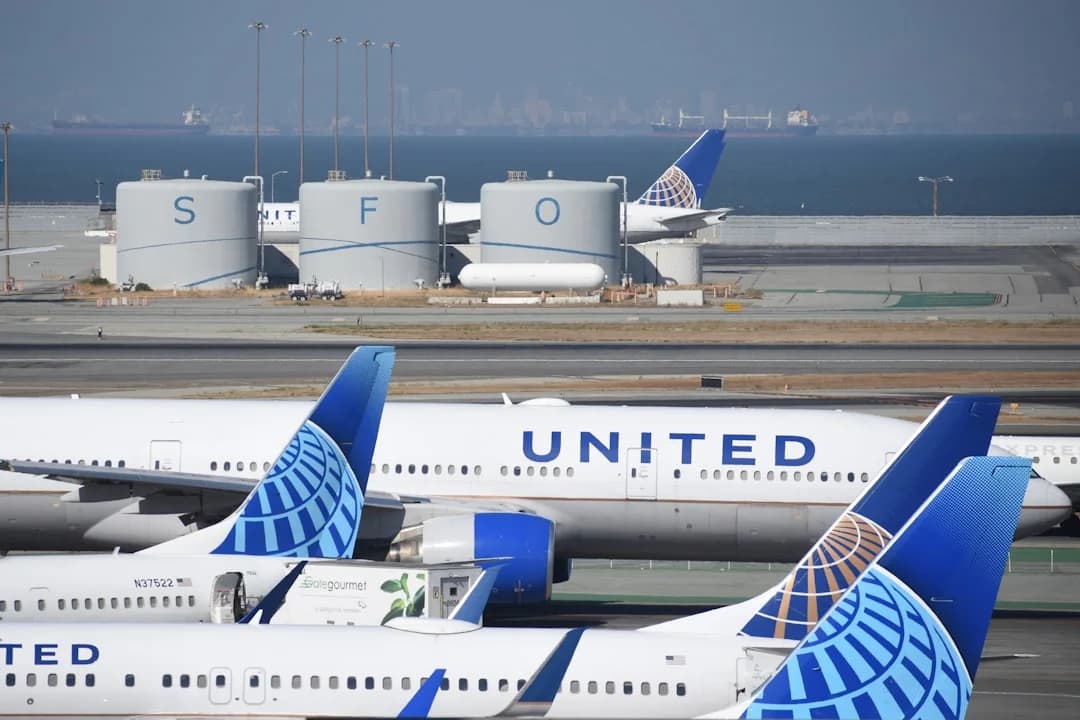
Photo by David Syphers on Unsplash
The San Francisco Bay Area woke up to a landmark in travel this Memorial Day season as SFO reported what it described as a record-setting Memorial Day weekend. The airport announced that from Thursday, May 21 through Monday, May 25, 2026, it served almost 798,000 travelers, marking the busiest Memorial Day weekend in its history. The busiest single day occurred on Thursday, May 21, when more than 177,000 travelers moved through the airport. This development, framed as a SFO Memorial Day travel record 2026 by the airport’s communications, stands as a clear indicator of a regional economy reasserting itself and a summer travel season that is beginning with buoyant demand. The announcement came via SFO’s May 27 press release and aligns with broader national forecasts that point to a robust, albeit inflation-tinged, travel landscape. (flysfo.com)
Beyond the headline figure for the long weekend, SFO’s leadership characterized the growth as part of a broader rebound. Airport Director Mike Nakornkhet emphasized that the weekend’s activity reflects a Bay Area economy gaining momentum and consumer confidence returning to discretionary travel. “This achievement makes clear that we serve a region where confidence is high,” Nakornkhet said, highlighting how the airport and its partners prepared to handle elevated volumes while maintaining safety and service quality. The statement, embedded in the press release, underscores how SFO views the Memorial Day milestone not just as a one-off peak, but as a signal of sustainable demand that could shape the summer travel season. Mayor London N. Breed’s office, quoted in the release, framed the surge as a positive indicator for local hospitality businesses, transportation services, and the broader urban economy. (flysfo.com)
Looking ahead, SFO’s summer travel outlook remains equally important for readers tracking technology-enabled airport operations, passenger experience enhancements, and market-driven traffic patterns. In a separate press release issued May 18, 2026, SFO outlined core expectations for the early summer period, projecting about 163,000 travelers through the airport on a single day (May 22, 2026) and signaling that 16.8 million travelers are expected to pass through SFO between Memorial Day and Labor Day, an approximate 3% increase over the 2025 summer season. The airport also highlighted operational guidance for travelers, including the recommendation to arrive at least two hours before domestic departures and three hours before international flights, and it announced the expansion of the Gate Explorer program—an initiative designed to let non-ticketed visitors access post-security areas to explore the terminal’s amenities. These elements reflect a broader trend of leveraging technology-assisted customer flow management and service innovations to accommodate higher volumes without compromising security or the traveler’s experience. (flysfo.com)
National travel forecasts, including AAA’s and industry coverage, corroborate that this Memorial Day period is shaping up as a record-setting event across many markets, with California among the states experiencing elevated activity. NBC Bay Area reported that AAA projected 45 million Americans would travel 50 miles or more for Memorial Day 2026, a new record, driving expectations of busy highways and crowded airports nationwide. The NBC Bay Area piece also highlighted SF as one of the destinations on travelers’ lists, reinforcing the Bay Area’s profile as a magnet for leisure travel during the holiday period. The AAA forecast aligns with the national context that travel demand remains strong despite higher fuel costs and inflationary pressures, suggesting that the Memorial Day window could be a bellwether for the broader summer travel season. (nbcbayarea.com)
AAA’s own data further break down the modes of travel and the distribution of volumes, providing a national frame for SFO’s local figures. AAA’s Memorial Day forecast shows that nearly 45 million Americans are expected to travel at least 50 miles from home during the five-day holiday period, with about 39.1 million traveling by car and roughly 3.66 million by air. The report, published jointly with S&P Global Market Intelligence and other partners, also notes travel costs will remain elevated, and that early bookers could still find lower fares than in prior years. This national perspective helps explain why SFO’s Memorial Day weekend performance matters not only to San Francisco but to the broader Pacific Coast corridor and to airlines and travel-related businesses that rely on peak-season demand. (newsroom.acg.aaa.com)
Section 1: What Happened
Record Memorial Day Weekend at SFO
-
The recent Memorial Day weekend set a new high-water mark for SFO, with almost 798,000 travelers passing through the airport between May 21 and May 25, 2026. The busiest day was Thursday, May 21, when passenger throughput topped 177,000. The airport framed this as a Memorial Day travel record for 2026, signaling a sustained uptick in regional travel demand as the summer season begins. This data point sits at the center of SFO’s narrative about a recovering travel market and a vibrant local economy. The numbers come from the airport’s May 27, 2026 press release. (flysfo.com)
-
The record-setting weekend builds on a broader pattern of strong activity across the Memorial Day stretch. SFO President and CEO statements, as well as comments from local government officials, framed the weekend as an affirmation of economic momentum in the Bay Area and a sign that hospitality, retail, and transit sectors could expect a robust summer. The emphasis on momentum, not just volume, reflects both the data and the public messaging around the airport’s role in regional growth. The May 27 release includes a direct quotation from the Airport Director about confidence and momentum, which helps contextualize the higher volumes as part of a longer arc rather than a standalone spike. (flysfo.com)
Seasonal Outlook: Memorial Day to Labor Day and Beyond
-
In addition to documenting the Memorial Day weekend peak, SFO’s May 18, 2026 release provides a broader summer horizon: 16.8 million travelers are expected at SFO between Memorial Day and Labor Day, representing roughly a 3% increase over the 2025 summer levels. This projection highlights how the Memorial Day record is not an isolated event but part of a sustained expansion in passenger activity that will shape staffing, security, concessions, and ground transportation planning throughout the season. The document also reiterates standard traveler guidance—arriving early, planning for security, and using post-security options like Gate Explorer to enhance the traveler experience. (flysfo.com)
-
The national market context provided by AAA and echoed by local outlets frames the SFO data within a larger travel rebound. AAA’s narrative centers on near-record travel volumes across the country, with roughly 44.95 million Americans expected to travel 50 miles or more for Memorial Day weekend in 2026, including about 39.07 million auto travelers and 3.66 million air travelers. The distribution by mode is telling: a continued preference for road trips, even as air travel rebounds. The national totals reinforce why a record-setting weekend at SFO matters for the regional economy and for airport operations planning. (newsroom.acg.aaa.com)
What Happened in Context: Local Versus National Signals
-
The SFO data align with broader regional and national patterns. San Francisco’s domestic travel profile in AAA’s and related analyses positions the Bay Area as a key leisure destination, with San Francisco appearing in the top 10 domestic destinations in AAA’s travel forecasters. While SF’s ranking fluctuates year to year, the inclusion of San Francisco on the list of top destinations—alongside longer-distance international interest—indicates a sustained appeal that translates into higher volumes during peak periods like Memorial Day. This national-to-local linkage helps explain why SFO’s Memorial Day weekend numbers are a meaningful barometer for the region’s tourism economy. The NBC Bay Area summary also underscores SF’s standing as a sought-after getaway, consistent with the AAA data and SFO’s own leadership commentary. (nbcbayarea.com)
-
Operational and policy notes accompany the record figures. The May 18 release notes the “Gate Explorer” post-security access program as part of a broader set of innovations designed to improve traveler flow and experience during high-volume periods. It also highlights practical guidance for travelers—arrive early, anticipate full parking garages, and consider public transit or ridesharing to reduce on-site congestion. These elements reflect a technology- and service-driven approach to managing record volumes, rather than relying solely on physical capacity expansion. (flysfo.com)
Section 2: Why It Matters
Economic Momentum for the Bay Area

-
The Memorial Day travel surge at SFO is more than a one-weekend anecdote; it serves as a barometer for the Bay Area’s economic momentum as the region moves into summer. The combination of record weekend passenger counts and a projected 3% year-over-year increase in summer travel volume implies a broader uplift in consumer confidence, disposable income allocation for travel, and local business activity—from hotels to restaurants to retail and entertainment venues. The public commentary on the record weekend ties the airport’s performance to broader economic indicators and policy signals from local leadership, reinforcing the view that travel and tourism are integral to Bay Area economic resilience. The May 27 press release’s leadership quotes underscore this linkage, while the City of San Francisco commentary situates the data within the local economic recovery narrative. (flysfo.com)
-
The national forecast from AAA provides essential context for readers tracking regional performance against a national backdrop of high travel demand and price pressures. With almost 45 million Americans expected to travel for Memorial Day, the Bay Area’s share of this demand—heightened by a busy SFO weekend—contributes to the competitive dynamics of airline pricing, hotel occupancy, and local consumer spending. Even as fuel costs and inflation shape travel budgets, the aggregate demand remains robust, suggesting that infrastructure, labor markets, and service ecosystems in the Bay Area will continue to adapt to higher volumes over the summer. (newsroom.acg.aaa.com)
Travel Patterns, Destinations, and Regional Significance
-
AAA’s data on travel modes and destinations illuminate why SFO’s Memorial Day outcomes carry resonance beyond the airport’s gates. The breakdown shows a persistent dominance of car travel (auto trips) during the holiday weekend, with air travel representing a meaningful but smaller share, reflecting pricing dynamics and traveler preferences. The national top destinations list includes San Francisco, highlighting the city’s continuing draw for domestic travelers and reinforcing SFO’s role as a critical gateway for Northern California tourism and business travel. The combination of a city that remains a magnet for visitors and an airport that processes record volumes during peak periods underscores the importance of reliable transportation networks, robust security throughput, and high-quality passenger services in sustaining regional growth. (newsroom.acg.aaa.com)
-
The Bay Area ecosystem—hotels, hospitality, concerts, museums, and outdoor recreation—feels the ripple effects of a strong Memorial Day weekend at SFO. The airport’s leadership notes on job creation, consumer spending, and the broader economic rebound speak to a virtuous cycle: higher travel volumes support local employment, which in turn fuels more discretionary spending that benefits tourism-related sectors. The mayoral and airport statements in the press materials help contextualize the data within a living urban economy and provide a forward-looking frame for how the Bay Area might sustain momentum into late spring and early summer. (flysfo.com)
Operational Preparedness, Technology, and Passenger Experience
-
The record-setting weekend at SFO illustrates the ongoing need for operational excellence powered by technology-enabled flows and enhanced traveler services. The Gate Explorer program, designed to give post-security access to non-ticketed visitors, represents an innovative approach to balancing passenger throughput with revenue-generating experiences within secure spaces. These kinds of programs are increasingly central to airports facing rising volumes, as they allow for more flexible use of terminal real estate without sacrificing security standards. The May 18 release’s discussion of Gate Explorer, plus parking guidance and remote baggage check-in, signals a broader strategy to distribute passenger load more evenly, reduce congestion, and improve the overall traveler experience during peak periods. (flysfo.com)
-
The record weekend also surfaces considerations for local infrastructure and transportation planning. While SFO is a single node in a much larger network, the interplay between airport operations and regional mobility—roads, public transit, ride-hailing, and last-mile services—shapes how effectively the Bay Area can translate travel demand into economic activity. The Port Authority’s Memorial Day travel advisory for the New York metro area and INRIX-based congestion forecasts cited by AAA demonstrate a national pattern where peak travel pushes infrastructure to its limits and reinforces the value of data-driven planning. For San Francisco, the implication is clear: continued investments in smart airport operations, ground transportation coordination, and traveler communication will be crucial as the season progresses. (panynj.gov)
Impact on Local Businesses and the Tourism Ecosystem
- High-volume periods like the Memorial Day weekend tend to amplify consumer activity in adjacent sectors. Hotels near SFO, rental car agencies, restaurants in the airport corridor, and even the cultural venues surrounding the city’s financial and tech districts may experience elevated demand during the early summer window. The public-facing data from SFO, including the “Summer Travel Takes Off” guidance and the Gate Explorer rollout, suggests a coordinated effort to convert traveler traffic into positive economic outcomes for Bay Area businesses while maintaining traveler satisfaction. The 16.8 million projected travelers for the Memorial Day-to-Labor Day period is a headline figure that has tangible implications for occupancy rates, pricing strategies, and staffing decisions across the region’s hospitality and service sectors. (flysfo.com)
What’s Next
Summer Travel Trajectory and Milestones
-
The SFO-projected 16.8 million travelers through Labor Day frames a vibrant, if potentially price-sensitive, summer travel season. Airports typically calibrate staffing, security, concessions, and cleaning and maintenance cycles around such forecasts, and SFO’s data indicate a continued emphasis on balancing capacity with passenger experience. The May 18 release’s forecast and guidance—2-hour domestic check-in, 3-hour international check-in, and the Gate Explorer program—offer a blueprint for how the airport intends to manage the next several months of elevated activity. As travel rebounds, the effectiveness of these programs will be a closely watched metric for both passengers and local stakeholders. (flysfo.com)
-
From a technology and operations perspective, the Memorial Day record at SFO demonstrates the continued relevance of data-driven decision-making. The airport’s emphasis on forecast-based planning, outturn metrics for daily and weekend traffic, and audience-facing services aligns with broader trends in airport modernization, including better queue management, improved wayfinding, and post-security experiences that keep passengers engaged while reducing the friction that often accompanies peak-period travel. The May 27 release’s emphasis on a “record” weekend and the May 18 release’s forward-looking numbers point to a coordinated, data-informed approach to growth. As the season unfolds, readers should monitor SFO’s monthly updates and any expansion of post-security access programs or digital tools that help travelers navigate peak travel days. (flysfo.com)
-
The national frame—with AAA projecting record holiday travel and airlines adapting pricing and capacity—suggests that SFO’s local performance will reverberate through the region’s travel ecosystem. Airlines may adjust schedules and seat availability in response to the Memorial Day and summer demand, while local transit authorities and city planners weigh the implications for traffic management, parking demand, and public transit utilization. The combination of record volumes and modest year-over-year growth implies both opportunities and challenges for the Bay Area’s travel-related sectors, including a need for transparent communication with travelers, better forecasting accuracy, and targeted investments in efficiency and resilience. (newsroom.acg.aaa.com)
-
For travelers planning their own trips, the practical takeaway is clear: anticipate variability in wait times and space in peak periods, consider alternative travel times, and leverage early booking and post-security options to optimize your experience. AAA’s forecast, which includes guidance about pricing, fuel considerations, and travel planning, reinforces that intelligent preparation remains essential to navigating a high-demand holiday period and a busy summer travel season. The FAA and INRIX-AAA collaborations in forecasting travel conditions also remind readers that macro-level planning—like timing departures to avoid peak windows—can meaningfully impact overall trip cost and stress. (newsroom.acg.aaa.com)
Closing
The Memorial Day weekend at SFO and the broader Bay Area travel outlook illustrate a pivotal moment as the region transitions into summer. The SFO Memorial Day travel record 2026 underscores a robust revival of leisure and business travel, a signal of consumer confidence, and a reminder that a modern, data-informed airport plays a central role in shaping regional economic activity. As SFO, AAA, and local stakeholders continue to publish forecasts, traveler guidance, and service innovations, readers can expect a summer characterized by strong demand, evolving traveler services, and an emphasis on efficiency and safety at the region’s premier gateway. For ongoing updates on SFO’s summer travel performance and related market trends, follow the airport’s official press releases and the AAA Newsroom’s Memorial Day coverage, and stay tuned to local outlets that translate these data points into practical guidance for residents and visitors alike. (flysfo.com)
As the Bay Area readies for the next wave of summer travel, the lessons from this Memorial Day weekend are clear: accurate data, proactive planning, and clear communication with travelers are essential to turning record volumes into positive experiences and sustained economic momentum. The story of SFO’s Memorial Day travel record 2026 is not just a headline; it is a story about a dynamic region expanding its capacity to welcome the world while maintaining the efficiency and resilience that define modern air travel.