
Uber Robotaxi Testing San Francisco 2026
In-depth, neutral analysis on Uber robotaxi testing in San Francisco 2026, exploring its significant implications for future mobility and markets.
In a signal of accelerating interest in autonomous mobility, Uber, Lucid, and Nuro confirmed on-road robotaxi testing in the San Francisco Bay Area as part of a broader path to a 2026 deployment. The news comes as regulators, automakers, and ride-hailing platforms increasingly align around live tests as a precursor to commercial service. The companies described the activities as a measured, safety-focused phase intended to validate the integrated rider experience, autonomy stack, and operational logistics before a wider public rollout. This news matters not only for riders in the Bay Area but also for investors and competitors watching how premium autonomous mobility strategies evolve in one of the world’s most scrutinized urban environments. (techcrunch.com)
The initial testing in San Francisco—carried out by Uber in partnership with Lucid and Nuro—began on-road in December 2025 and has since progressed to passenger experiences for select Uber employees via the Uber app. The program relies on Lucid Gravity SUVs outfitted with Nuro’s autonomous driving system, with Uber providing the platform and rider experience layer. The companies have indicated that a broader public deployment remains on track for later in 2026, subject to ongoing validation and regulatory alignment. This marks a notable milestone in Uber’s renewed push into autonomous mobility and its collaboration with Lucid and Nuro to bring a premium robotaxi proposition to market. (investor.uber.com)
Section 1: What Happened
Timeline and Participants
- On Jan. 6, 2026, a joint press release from Lucid, Nuro, and Uber confirmed that autonomous on-road testing had already begun in December 2025 and that commercial service was planned for the San Francisco Bay Area later in 2026. The release highlighted that testing is led by Nuro and that the prototypes are supervised by autonomous-vehicle operators while operating on public roads. This establishes a concrete timeline for the public-facing phase of development and a clear link to a future rollout. (investor.uber.com)
- The same wave of announcements and live demonstrations occurred at CES 2026, where the trio unveiled production-intent robotaxi vehicles and discussed the in-cabin rider experience. The show documented that autonomous testing was already underway and that the Bay Area would be a primary testing ground before broader expansion. The CES materials indicated that the on-road program began last month and would inform a broader launch later in 2026. (investor.uber.com)
- In mid-April 2026, TechCrunch reported that Uber and Nuro had begun offering select Uber employees the option to request a Lucid Gravity robotaxi ride in San Francisco. The report stressed that these rides are autonomous in operation with a safety operator present if needed, marking a step toward a public-facing service later in the year. The piece also noted that the modified Lucid Gravity vehicles are part of a broader plan in which Uber intends to own and operate the premium robotaxi service, with production anticipated in late 2026. (techcrunch.com)
Fleet Details and Vehicle Technology
- The production-intent robotaxi being showcased is a Lucid Gravity SUV, redesigned and outfitted to accommodate Nuro’s autonomous driving system. The collaboration combines Lucid’s vehicle architecture with Nuro’s autonomy stack, underpinned by advanced perception and in-ride visualization tools designed to show riders what the vehicle is seeing and planning in real time. NVIDIA DRIVE Thor serves as the compute backbone to support real-time AI processing and sensor fusion. This technical stack was highlighted during CES 2026, with additional emphasis on the halo-mounted LEDs and in-vehicle displays that communicate status and ride details to passengers. (investor.uber.com)
- The on-road testing regime includes a mix of engineering prototypes supervised by autonomous-vehicle operators, closed-course testing, and simulation. The approach is designed to validate dozens of critical capabilities across the autonomy stack, from perception and planning to rider interfaces and pickup/drop-off logistics. The program is described by Uber, Lucid, and Nuro as a staged path toward a scalable, safe deployment. (investor.uber.com)
- By early April 2026, reporting indicated that the on-road testing was actively progressing in San Francisco with a growing cadre of Lucid Gravity robotaxis in operation for preview and data collection. The companies have repeatedly framed this phase as a crucial prelude to a formal public roll-out, with the intent to refine the rider experience, safety protocols, and operational efficiency before a broader market introduction. (techcrunch.com)
Public Launch Plans and Regulatory Context
- Officials and executives have underscored that the SF Bay Area remains a focal point for commercial robotaxi ambitions, with a staged path from controlled testing to wider service. The January 2026 Uber press release emphasized that the Bay Area would host the initial autonomous operations and that a commercial service would come later in 2026. This framing aligns with the broader industry pattern of first validating in-market safety and reliability before expanding to additional cities. (investor.uber.com)
- Industry coverage in January 2026 framed the move as part of a broader push by Uber to reenter the robotaxi arena in collaboration with Lucid and Nuro. The reporting highlighted Uber’s substantial investment in Lucid (a multi-hundred-million-dollar commitment) and a plan to purchase tens of thousands of Gravity SUVs to scale the premium robotaxi fleet. The coverage also noted that the fleet could reach around 100 vehicles in the engineering and testing phase as the partners validate performance across multiple city environments. (phocuswire.com)
Section 2: Why It Matters
Impact on Riders and Competitive Dynamics
- The Uber-Lucid-Nuro robotaxi program positions a premium, branded experience at the center of Bay Area mobility tests. In-cabin features include personalized comfort controls, real-time visualization of the robotaxi’s route, and user-friendly safety and support options. For riders, this could translate to a higher-quality autonomous ride experience and a differentiated service offering in a market with multiple autonomous mobility players. The integration of Nuro’s autonomy with Lucid’s vehicle architecture, combined with Uber’s ride-hailing network, creates a distinctive value proposition that blends luxury vehicle dynamics with scalable autonomous mobility. (investor.uber.com)

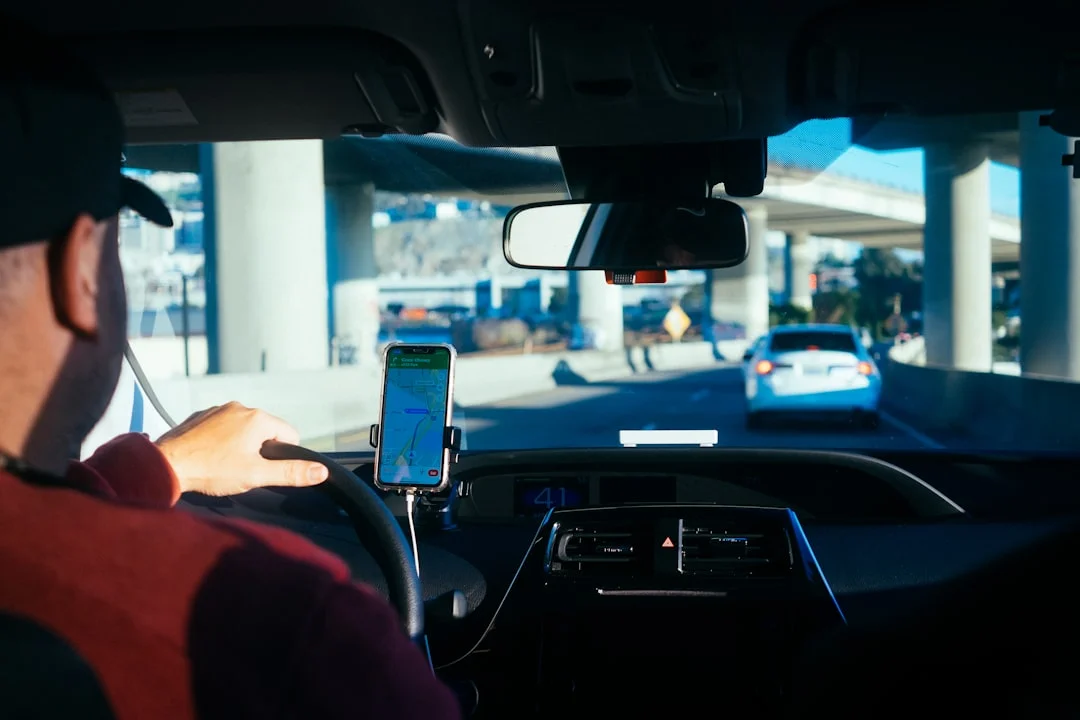
Photo by Kenjiro Yagi on Unsplash
- The Bay Area robotaxi landscape has evolved through collaboration and competition among leading players. Waymo has been a long-standing operator in the SF Bay Area, and Uber’s renewed ambition to launch a premium robotaxi service signals a potential shift in market dynamics. Industry coverage notes the tension and opportunities that arise when Uber, a dominant rideshare platform, enters a market with established autonomous players. This dynamic is particularly relevant as regulators and city officials seek to balance safety, traffic, and urban vitality with the benefits of new mobility options. (techcrunch.com)
Economic and Market Implications
- Uber’s investment in Lucid and its plan to deploy up to tens of thousands of Gravity-powered robotaxis reflect a broader strategic bet on premium autonomous mobility as a core growth engine. The collaboration, including a multi-hundred-million-dollar investment into Nuro and a large-scale vehicle purchase commitment, signals a major capital allocation toward autonomous mobility as a service (MaaS). If realized, the program could influence fleet economics, insurance dynamics, and driver displacement considerations across the urban mobility sector. Industry reporting underscores the scale of the ambition and the intended role of partner technology providers in delivering a seamless rider experience. (techcrunch.com)
- From a market perspective, the SF Bay Area tests serve as a proving ground that could inform regulatory frameworks and operator playbooks for other cities. The market’s receptivity to robotaxi services, especially premium offerings, may shape how operators invest in hardware, software, and service design in subsequent rollout phases. Coverage of related policy developments suggests cities are actively experimenting with the tempo and scope of autonomous mobility pilots, signaling both opportunities and risks for urban mobility strategies. (axios.com)
Regulatory and Safety Considerations
- The Bay Area’s regulatory environment for autonomous vehicles remains complex and evolving. While pilot programs are enabling, ongoing oversight—covering safety, data privacy, equity, and accessibility—remains a central factor shaping deployment timelines. CES-era announcements and subsequent reporting emphasized a focus on safety validation, with autonomous on-road testing framed as a necessary precursor to commercial service. The trajectory toward larger deployment will likely hinge on regulator alignment and the demonstration of robust safety performance across varied urban scenarios. (investor.uber.com)

Photo by kofa boyah on Unsplash
- The broader robotaxi policy landscape includes city-specific decisions about street access, curbside operations, and traffic integration. For example, market-easing moves on Market Street in 2025 demonstrated that cities are willing to pilot limited, controlled robotaxi access as part of downtown revitalization efforts, while safety advocates remain vigilant about potential conflicts with other transit services and pedestrians. Such context matters as Uber explores a premium robotaxi service in SF, where public streets demand rigorous design for safety and equity. (axios.com)
Section 3: What’s Next
2026 Milestones and Timelines
- Public-facing robotaxi service in the San Francisco Bay Area is still slated for 2026, following a testing-and-validation phase that began in December 2025. Executives and press materials have framed 2026 as the year when autonomous premium mobility moves from testing to scaled deployment, with SF serving as a launchpad before expansion to additional markets. The CES 2026 disclosures and subsequent reporting confirm that deployment plans are contingent on continued safety validation and regulatory clearance. (investor.uber.com)
- Vehicle production for the premium robotaxi fleet is described as starting in late 2026, with Lucid Gravity platforms being integrated with Nuro’s autonomy stack for Uber’s service. This production timing is referenced in the same regulatory and investor communications that outline the fleet size and expected roll-out pace. If the plan holds, early pilots could inform early commercial operations in SF and potentially neighboring markets. (techcrunch.com)
What to Watch for in SF and Beyond
- Rider experience and safety metrics will be critical indicators of success. The on-road testing emphasizes real-time autonomous decision-making and rider-facing visualization, which will be scrutinized by regulators, city residents, and transportation researchers. As tests progress, observers will be watching for consistency of service, adherence to traffic laws, and the seamless integration with Uber’s rideshare platform. The CES demonstrations highlighted the in-vehicle rider interface and safety features that will be core to a broader rollout. (investor.uber.com)
- Fleet expansion and operational scale will be a defining aspect of next steps. Industry coverage notes Uber’s plan to acquire at least 20,000 Lucid Gravity SUVs as part of a broader effort to scale the premium robotaxi service, illustrating the scale at which Uber envisions autonomous mobility as a core business pillar. The trajectory toward onboarding hundreds or thousands of robotaxis will depend on regulatory acceptance and the demonstrated economics of the service. (techcrunch.com)
Closing
The news of Uber robotaxi testing San Francisco 2026 reflects a pivotal inflection point in autonomous mobility. The collaboration among Uber, Lucid, and Nuro combines a premium vehicle platform with a proven autonomy stack and a global ride-hailing network, all aimed at delivering a scalable, rider-focused robotaxi experience in one of the world’s most scrutinized urban environments. While the path to broad deployment remains conditional on safety performance and regulatory alignment, the current 2026 timeline positions San Francisco as a bellwether for premium robotaxi concepts that could influence the broader market in North America and beyond. Readers should watch how the Bay Area phase informs future access models, rider expectations, and governance approaches as autonomous mobility becomes a more visible, data-driven component of urban transportation. Updates from CES, regulatory briefings, and on-road testing results will shape the narrative in the coming quarters, and Bay Area riders may soon experience the next generation of autonomous mobility as part of a carefully managed, phased rollout. (investor.uber.com)
As always, SF Bay Area Times will monitor the unfolding developments and deliver timely, data-driven coverage on how Uber robotaxi testing San Francisco 2026 progresses, what it means for local mobility, and how it could reshape market dynamics in the technology and transportation sectors. Stay tuned for official updates from Uber, Lucid, and Nuro, as well as regulatory announcements and independent analyses from transportation researchers and industry observers. (investor.uber.com)